
Dubrovnik Delights: Unveiling the Pearl of the Adriatic

Walking Tour

0.4 km (0.3 miles)

6 min travel time

9 Stops

Dubrovnik, Croatia
Dubrovnik Delights: Unveiling the Pearl of the Adriatic
Tour Stops
1
Pile Gate
View on map
Audio Narrations
English
Introduction
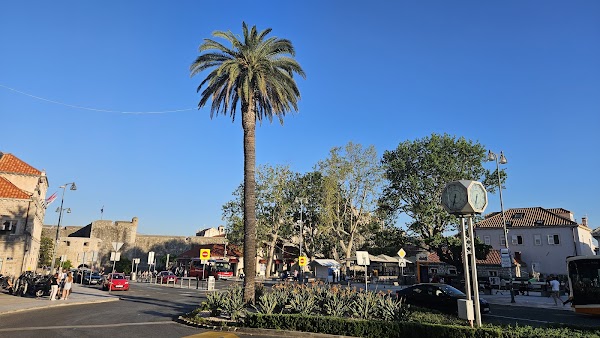
Pile Gate, the main entrance to Dubrovnik's Old Town, has stood guard for centuries, its imposing structure a testament to the city's rich history. Its sturdy walls, once a vital defense mechanism, now offer a glimpse into Dubrovnik's past. Stepping through the gate is like stepping back in time, with the narrow cobbled streets and historic buildings transporting visitors to a bygone era. Beyond its historical significance, Pile Gate also holds a place in popular culture. Fans of the hit TV show Game of Thrones will recognize it as the King's Landing entrance, where Jamie Lannister arrives to visit his sister Cersei. The area just inside the gate served as the filming location for the King's Landing riot, where King Joffrey gets a taste of the crowd's displeasure. Today, Pile Gate remains a bustling hub, welcoming visitors from all corners of the globe. Its strategic location at the foot of Mount Srđ makes it an ideal starting point for exploring Dubrovnik's many attractions. Whether you're a history buff, a Game of Thrones enthusiast, or simply looking to soak up the city's unique atmosphere, Pile Gate is an unmissable landmark that offers a captivating blend of history, culture, and charm.Medieval Fortification
Pile Gate: A Bastion of Medieval Fortification in Dubrovnik Pile Gate, the main entrance to Dubrovnik's Old Town, stands as a testament to the city's robust medieval fortifications. Constructed in the 15th century, this imposing structure served as the first line of defense against invaders, guarding the city's strategic harbor. Its design reflects the ingenuity of medieval military engineering, incorporating several unique features that enhanced its defensive capabilities. The gate's most striking feature is its imposing drawbridge, originally raised and lowered using a complex system of ropes and pulleys. This ingenious mechanism allowed defenders to control access to the city, raising the bridge to prevent enemy entry and lowering it to grant passage to allies. The drawbridge was further protected by a portcullis, a heavy iron grate that could be dropped to block the entrance in case of an attack. Flanking the gate are two massive towers, each equipped with numerous gun ports and battlements. These towers provided archers and crossbowmen with elevated positions from which they could rain down projectiles on attackers attempting to breach the gate. The towers also housed artillery pieces, adding an extra layer of firepower to the city's defenses. The gate itself is constructed of thick stone walls, reinforced with iron bars and studded with iron spikes. This robust construction could withstand the impact of battering rams and other siege weapons, making it an formidable obstacle for any would-be invaders. Beyond its physical defenses, Pile Gate also incorporated clever psychological elements. The narrow passageway leading through the gate forced attackers to funnel into a confined space, making them vulnerable to concentrated fire from defenders positioned above. Additionally, the gate's imposing architecture and intricate defenses served as a powerful deterrent, discouraging potential attackers from even attempting to breach the city walls. Pile Gate stands as a remarkable example of medieval military architecture, showcasing the ingenuity and strategic thinking of the era. Its unique design and robust construction played a crucial role in safeguarding Dubrovnik's independence and prosperity throughout the Middle Ages. Today, it remains a captivating landmark, offering visitors a glimpse into the city's rich history and its enduring legacy as a fortified stronghold.UNESCO World Heritage Site
Pile Gate, the grand entrance to Dubrovnik's Old Town, stands as a testament to the city's rich history and cultural significance. Recognized as a UNESCO World Heritage Site in 1979, Pile Gate embodies the architectural brilliance and defensive prowess that characterized Dubrovnik's golden age. The gate, constructed in the 15th century, is a masterpiece of Renaissance architecture. Its imposing facade, adorned with intricate carvings and the city's patron saint, St. Blaise, reflects the artistic and cultural flourishing of the period. The gate's strategic location, nestled between two fortified towers, highlights its role as a crucial element of Dubrovnik's defense system. Beyond its aesthetic and defensive significance, Pile Gate served as a gateway to Dubrovnik's vibrant social and economic life. Merchants, diplomats, and travelers from across the Mediterranean passed through its arch, contributing to the city's prosperity and cosmopolitan character. The gate witnessed the exchange of ideas, goods, and cultures, shaping Dubrovnik's unique identity. Today, Pile Gate remains a symbol of Dubrovnik's enduring legacy. Its inscription on the UNESCO World Heritage List recognizes its exceptional universal value and its contribution to humanity's cultural heritage. As visitors step through the gate, they embark on a journey through time, experiencing the grandeur and resilience of a city that has stood the test of centuries.
2
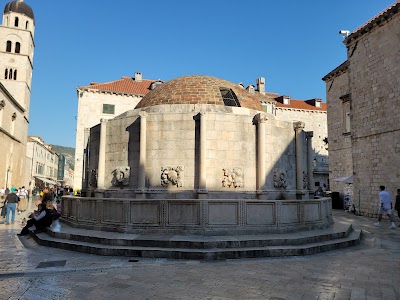
Onofrio's Large Fountain
View on map
3
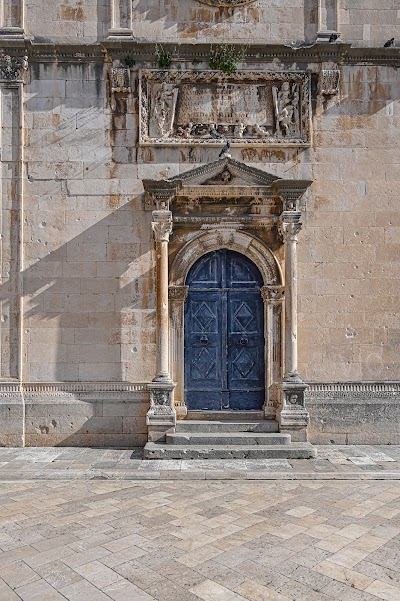
Church of St. Salvation
View on map
4
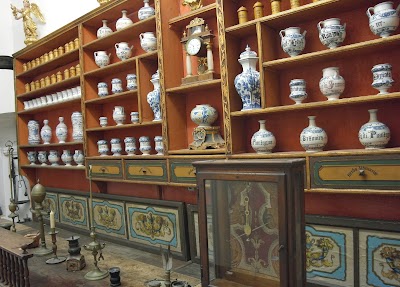
Franciscan Church and Monastery
View on map
5
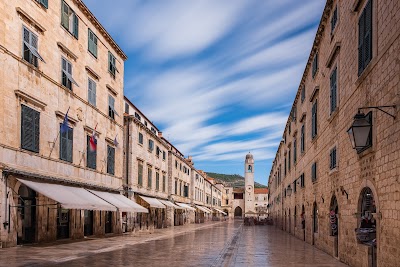
Stradun
View on map
6
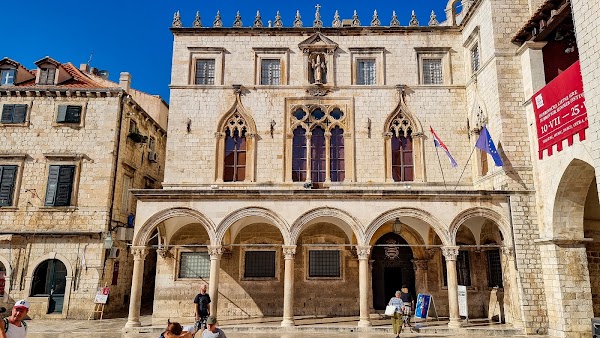
Sponza Palace
View on map
7
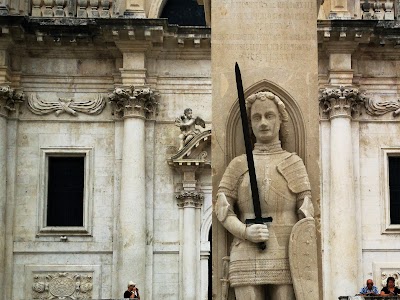
Orlando's Column
View on map
Audio Narrations
Korean
소개
두브로브니크 구시가지의 매력적인 기념물인 올란도의 기둥은 이 도시의 풍부한 역사를 증명합니다. 1418년에 세워진 이 고딕 양식의 걸작은 두브로브니크의 수호 성인인 성 블레이즈의 생애 장면을 묘사한 복잡한 부조로 장식되어 있습니다. 기둥의 바닥에는 도시의 독립과 용기를 상징하는 전설적인 기사인 올란도의 동상이 있습니다. 고리 모양으로 장식된 날씬한 몸체는 성 블레이즈가 도시의 축소 모형을 든 동상이 얹힌 은은한 머리부분으로 절정에 이릅니다. 올란도의 기둥은 두브로브니크를 황폐화시킨 1667년 지진을 포함한 수많은 역사적 사건을 목격했습니다. 오늘날에도 도시의 회복력과 영광스러운 과거를 상기시키는 상징적인 랜드마크로 남아 있습니다.르네상스 조상
두브로브니크의 매혹적인 르네상스 조각인 올란도 기둥은 이 도시의 풍부한 역사와 예술적 유산을 증거하는 상징입니다. 숙련된 안툰 두브로브차닌이 1418년에 조각한 이 석재 기둥은 갑옷을 입고 칼과 방패를 높이 든 중세 전사를 묘사합니다. 두브로브니크의 자유와 독립의 상징인 이 조각은 르네상스 예술의 걸작입니다. 전사의 흐르는 망토부터 갑옷의 복잡한 무늬에 이르는 정교한 디테일은 그 시대의 뛰어난 장인정신을 보여줍니다. 스폰자 궁전과 성 블레이즈 교회 사이에 기둥을 배치한 것은 건축적 스타일의 조화로운 혼합을 만들어내며 그 중요성을 더욱 높입니다. 르네상스 조각인 올란도 기둥은 그 시기를 특징짓는 인본주의와 고전적 부흥의 정신을 구체화합니다. 인간의 형태를 사실적으로 묘사하고 디테일에 신경 쓰인 것은 르네상스 예술가들이 사실주의와 해부학 연구에 매료되었다는 것을 반영합니다. 두브로브니크에서 오랫동안 존재해 온 이 기둥은 이 도시가 르네상스 시대와 지속적인 연관성이 있으며 예술과 문화에 남긴 지속적인 유산임을 상기시켜 줍니다.두브로브니크 공화국의 상징
오를란도의 기둥은 두브로브니크의 독립과 자부심을 보여주는 증거로, 스폰자 궁전과 성 블라세 교회 사이에 우뚝 솟아 있습니다. 1418년 안툰 두브로브차닌이 세운 이 돌 기둥에는 중세 전사의 정교한 조각품이 있는데, 이는 도시의 절대적인 정신을 상징합니다. 갑옷을 입고 칼과 방패를 든 전사는 두브로브니크 공화국의 강인함과 회복력을 대표하며, 이 공화국은 역사 전반에 걸쳐 수많은 위협에 저항하며 자율권을 옹호해 왔습니다. 이 기둥은 공식적인 의식과 선언의 중심 지점으로 사용되었고, 공화국의 기가 위에 우뚝 솟아 있었습니다. 행정부는 공고문을 기둥의 받침대에서 읽어냈고, 이는 두브로브니크의 자치 정부의 상징으로서 더욱 큰 의의를 부여했습니다. 기둥은 오래도록 존재하면서 상징적인 랜드마크가 되었고, 도시의 풍부한 역사와 자유와 독립의 상징으로서 지속적인 유산을 구현하고 있습니다.
8
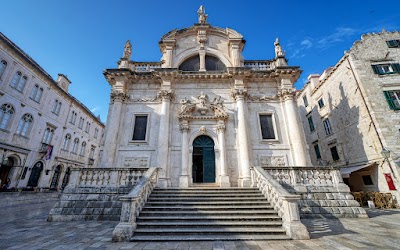
Church of St. Blaise
View on map
Audio Narrations
Korean
서론
두브로브니크 구시가지 중심부에 자리 잡은 성 블라시오 교회는 도시의 풍부한 역사와 불변의 신앙을 증명하는 유산입니다. 14세기에 건축된 이 고딕 걸작은 10세기에 두브로브니크를 파괴적인 전염병으로부터 구했다고 믿어지는 성인이자 이 도시의 수호 성인인 성 블라시오에게 바치었습니다. 교회의 눈에 띄는 파사드는 복잡한 조각품과 멋진 장미 창을 특징으로 하며, 그 내부에는 성 블라시오의 생애 장면을 묘사한 15세기 프레스코화 컬렉션이 있습니다. 교회의 독특한 특징은 성 블라시오의 두개골을 비롯한 귀중한 유물 컬렉션을 소장하고 있는 성물실로, 이 유물은 기적적인 치유력이 있다고 합니다. 성 블라시오 교회는 두브로브니크에서 사랑받는 랜드마크로, 도시의 탄력성과 수호 성인에 대한 불변의 헌신을 증명하는 상징입니다.바로크 건축
크로아티아 두브로브니크에 있는 바로크양식 걸작인 성 블레지오 교회는 바로크 시대의 거대하고 화려한 모습을 보여주고 있습니다. 18세기에 건설된 이 교회는 복잡한 디테일과 드라마틱한 움직임을 조화시킨 바로크 양식 건축의 독특한 특징을 보여줍니다. 코린트 양식의 기둥과 반원형 박공으로 장식된 외관은 장엄한 분위기를 자아냅니다. 곡선과 직선이 상호 작용하여 역동적인 구성이 형성되며 정교한 난간과 성 블레지오, 믿음, 희망의 조각상 위쪽으로 시선을 이끕니다. 교회 내부 또한 섬세한 프레스코화와 금박 석고 작업으로 장식된 통나무 천정으로 사람을 사로잡습니다. 쿠폴라와 랜턴을 지탱하는 코린트 양식의 기둥은 높이와 넓은 면적을 더하는 효과가 있습니다. 두브로브니크 수호 성인 성 블레지오의 고딕 양식 조각상이 놓인 주 제단은 흰색과 다색의 대리석 걸작입니다. 교회의 풍부한 장식과 극적인 조명은 경외심과 경탄을 불러일으켜 방문객들로 하여금 바로크 미의학을 체험하도록 권유합니다. 조화로운 비율과 세심한 디테일에 대한 배려는 웅장함과 영적 표현에 대한 바로크 시대의 매력이 어우러지는 바로크 건축의 대표적인 사례입니다.역사적 의의
두브로브니크에 있는 바로크풍 걸작인 성블라지오 교회는 도시의 수호 성인이자 도시의 풍부한 과거를 상징하는 건축물로서 엄청난 역사적 중요성을 갖고 있습니다. 손상된 중세 교회의 기초 위에 1715년에 지어졌으며, 산소비노의 베니스 교회인 산 마우리지오에서 영감을 얻은 베니스 건축가 마리노 그로펠리가 설계했습니다. 교회의 정면에는 코린트식 기둥 4개, 반원형 박공 지붕, 믿음과 희망을 의인화한 상을 포함하여 그로펠리가 만든 조상으로 장식된 난간이 있습니다. 교회 내부에는 배럴 볼트 천장이 있으며, 코린트식 기둥이 돔과 랜턴을 지지하고, 본당 구석에는 블라인드 돔이 있는 복잡한 바로크 장식이 있습니다. 주 제단에는 1667년 지진으로 파괴된 로마네스크 양식의 교회 모형을 들고 있는 모습을 묘사한 15세기의 고딕 양식의 귀중한 성 블라지오상이 있습니다. 이 상은 1706년의 파괴적인 화재에서 기적적으로 살아남아 두브로브니크 역사의 소중한 유물이 되었습니다.
9
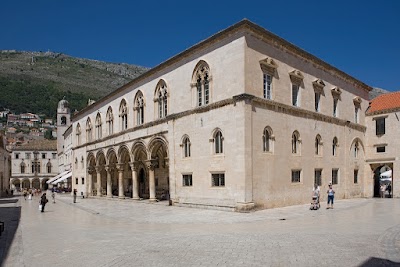
Rector's Palace
View on map
Experience the Full Tour
Download the DocentPro app to access all tour stops, complete audio narrations in multiple languages, offline maps, and interactive features.