
Gaudí's Masterpiece: Unveiling the Enchanting Park Güell

Walking Tour

0.7 km (0.4 miles)

11 min travel time

7 Stops

Barcelona, Spain
Gaudí's Masterpiece: Unveiling the Enchanting Park Güell

7 places on the map
Explore the map in the DocentPro app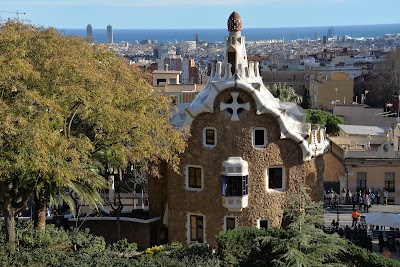
Tour Stops
1
Park Guell - main entrance for tours
View on map
Audio Narrations
Korean
소개
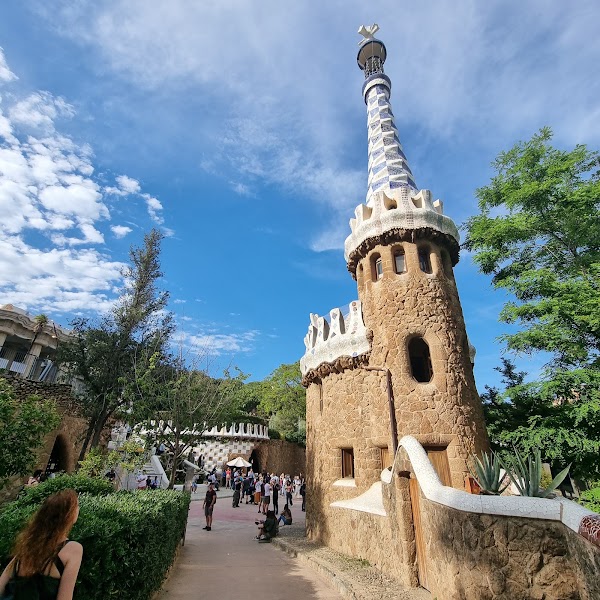
동화 속 진저브레드 하우스를 닮은 기발한 문지기실에 둘러싸인 파크 구엘의 카레르 돌로트에 있는 정문은 단순한 관문이 아니라 가우디의 무한한 상상력으로 가는 관문입니다. 파도치는 형태와 생생한 모자이크로 덮인 표면을 가진 이 상징적인 구조물은 안에 있는 건축적 원더랜드를 엿볼 수 있는 매력적인 모습을 제공합니다. 많은 방문객이 공원의 유명한 모자이크 도롱뇽에 이끌리지만, 문지기실 자체에 숨겨진 비밀이 있다는 사실을 아는 사람은 거의 없습니다. 자세히 보면 이 기발한 구조물 중 하나는 공원 관리 사무실로, 다른 하나는 가우디의 세심한 디테일과 예술성과 기능성을 완벽하게 조화시키는 능력을 증명하는 경비실로 설계되었다는 것을 알 수 있습니다. 이 매혹적인 입구를 지나면 번잡한 도시를 뒤로하고 자연과 건축이 카탈루냐 모더니즘을 축하하며 뒤엉킨 환상적인 창작물의 세계로 들어갑니다.공공 공간 디자인
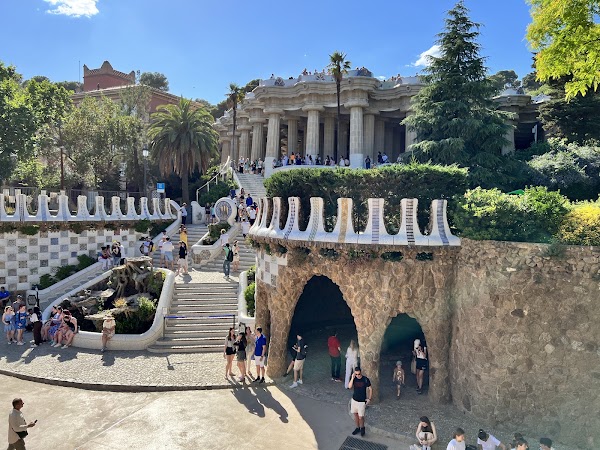
파크 구엘의 정문은 카탈루냐 모더니즘의 승리이며, 안토니 가우디의 공공 공간 디자인에 대한 혁신적인 접근 방식을 구현한 것입니다. 가우디는 건축과 조경을 완벽하게 융합하여 건설된 환경과 자연 환경의 경계를 흐리게 했습니다. 진저브레드 하우스를 닮은 기발한 문지기실이 측면에 있는 정문은 방문객을 즉시 환상적인 세계로 안내합니다. 다채로운 모자이크와 유기적인 형태로 장식된 이 구조물은 가우디의 시그니처 트렌카디스 기법을 보여주는 반면, 파도 치는 지붕은 주변 언덕의 곡선을 반영합니다. 상징적인 모자이크 드래곤 분수로 강조된 공원으로 이어지는 웅장한 계단은 가우디가 기능적이면서도 연극적인 공공 공간을 만드는 데 능숙함을 보여줍니다. 계단은 난간으로 나뉘어져 있고 휘어진 벤치가 측면에 있어서 사회적 상호 작용을 장려하고 숨 막히는 전망을 제공합니다. 가우디는 깨진 타일과 돌과 같은 지역 재료를 사용하여 공원의 독특한 미학에 기여했을 뿐만 아니라 지속 가능성과 지역 장인 정신에 대한 그의 헌신을 반영했습니다. 파크 구엘의 정문은 상상력과 기능성이 얽혀 진정으로 몰입적이고 잊지 못할 경험을 만드는 가우디의 공공 공간 디자인에 대한 비전적 접근 방식의 증거로 남아 있습니다.도시 계획
파크 구엘의 정문은 기발한 미학적 요소를 넘어 도시 계획에 대한 설득력 있는 사례 연구를 제공합니다. 가우디의 비전은 단순한 미학을 넘어 자연 경관과 통합된 유토피아적 공동체를 구상했습니다. 상징적인 파빌리온이 있는 정문은 이러한 비전을 구현합니다. 진저브레드 하우스를 닮은 파빌리온은 방문객의 흐름을 관리하고 주거 지역과 공공 공간을 분리하기 위해 전략적으로 배치되었습니다. 건축적 기발함을 통해 달성된 이러한 미묘한 구역 지정은 가우디가 보행자 흐름과 도시 기능성을 이해하고 있음을 보여줍니다. 히포스타일 홀로 이어지는 웅장한 계단은 이를 더욱 잘 보여줍니다. 웅장한 광장으로 설계되어 많은 사람들이 모일 수 있고, 구불구불한 형태를 통해 방문객을 언덕 위로 미묘하게 안내합니다. 기능성과 예술성을 조화시킨 이러한 영리한 공간 활용은 가우디의 도시 계획적 천재성의 특징입니다. 유명한 모자이크 도롱뇽 분수조차도 예술적 가치를 넘어 광장 위의 배수 시스템 역할을 하는 실용적인 목적을 가졌습니다. 이러한 예술과 유용성의 통합은 파크 구엘의 설계에 내재된 정교한 도시 계획 원칙을 강조합니다.
2
Escalinata monumental
View on map
Audio Narrations
English
Introduction
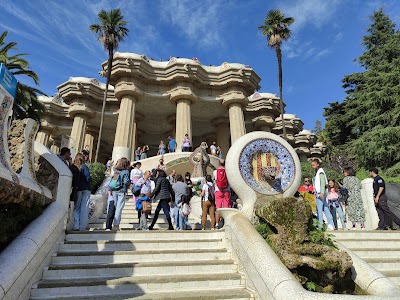
The Escalinata Monumental, a majestic stairway in Barcelona, Catalunya, Spain, is a hidden gem nestled within the Montjuïc district. This architectural marvel, constructed in 1929 for the International Exposition, boasts a captivating history and unique design elements that set it apart from other grand staircases. The Escalinata Monumental's grandeur is evident in its colossal dimensions, spanning 80 meters in width and 30 meters in height. Its cascading steps, adorned with intricate balustrades and flanked by towering lampposts, create a sense of awe and grandeur. The stairway's design seamlessly blends classical and modern influences, showcasing the architectural trends of the early 20th century. One of the Escalinata Monumental's most distinctive features is its cascading fountains, which gracefully flow down the sides of the stairway, adding a touch of tranquility and elegance to the overall composition. The fountains' rhythmic sounds and shimmering water create a mesmerizing spectacle, inviting visitors to linger and soak in the ambiance. Beyond its aesthetic appeal, the Escalinata Monumental holds historical significance. It served as the main entrance to the 1929 International Exposition, a pivotal event that showcased Barcelona's cultural and technological advancements to the world. The stairway's grand design and symbolic importance reflect the city's aspirations and its embrace of modernity. Today, the Escalinata Monumental remains a popular destination for locals and tourists alike. Its scenic views, tranquil atmosphere, and historical significance make it an ideal spot for leisurely strolls, photography sessions, and quiet contemplation. Whether admiring its architectural grandeur or simply enjoying the serenity of its surroundings, the Escalinata Monumental offers a unique and unforgettable experience.Historical Context
The Escalinata monumental in Barcelona, Catalunya, Spain, is a monumental stairway built in the early 20th century. It is located at the foot of Montjuïc, a hill overlooking the city. The stairway was designed by Josep Puig i Cadafalch, a Catalan architect who was one of the leading figures of the Catalan modernisme movement. The stairway is a symbol of Barcelona's industrial and commercial success in the early 20th century. It was built to connect the city center with the Montjuïc Exhibition, a world's fair that was held in Barcelona in 1929. The stairway is also a symbol of Barcelona's cultural and artistic heritage. It is located near the National Museum of Catalan Art and the Joan Miró Foundation. The stairway is a popular tourist destination and is often used for public events and celebrations.Architectural Significance
Architectural Significance of the Escalinata Monumental in Barcelona The Escalinata Monumental, also known as the "Gran Escalinata" or "Great Staircase," is a monumental stairway in Barcelona, Spain, that stands as a testament to the city's architectural prowess and historical significance. Designed by Josep Puig i Cadafalch, a renowned Catalan architect, the staircase was constructed between 1925 and 1929 as part of the urban development project for the 1929 International Exposition. The Escalinata Monumental is a masterpiece of Catalan modernism, showcasing Puig i Cadafalch's signature blend of traditional Catalan elements with modern design principles. The staircase features a grand, sweeping design with wide steps and ornate balustrades, adorned with sculptures and decorative motifs. The use of local materials, such as Montjuïc stone and ceramic tiles, adds to the staircase's authenticity and connection to the local landscape. The architectural significance of the Escalinata Monumental lies not only in its aesthetic beauty but also in its symbolic meaning. The staircase serves as a grand entrance to the National Palace of Catalonia, a building that embodies the cultural and political aspirations of the Catalan people. The upward climb of the stairs symbolizes the journey towards progress and national identity. Furthermore, the Escalinata Monumental plays a crucial role in the urban landscape of Barcelona. It connects the lower part of the city with the Montjuïc hill, creating a visual and physical link between the historical center and the modern developments of the 20th century. The staircase also serves as a gathering place for public events and celebrations, further solidifying its role as a significant landmark in the city's cultural fabric. In conclusion, the Escalinata Monumental in Barcelona stands as a remarkable example of Catalan modernism and architectural ingenuity. Its grand design, symbolic meaning, and urban significance make it a unique and captivating landmark that continues to inspire and awe visitors from around the world.
3
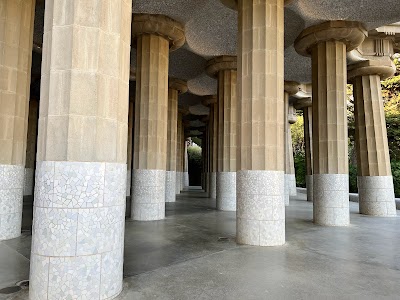
Hypostyle Room
View on map
4
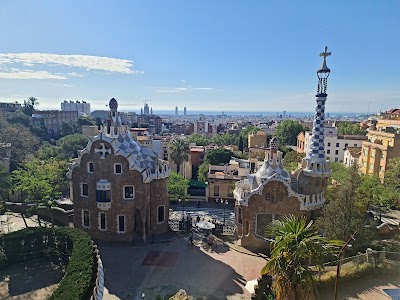
The Greek Theatre
View on map
5
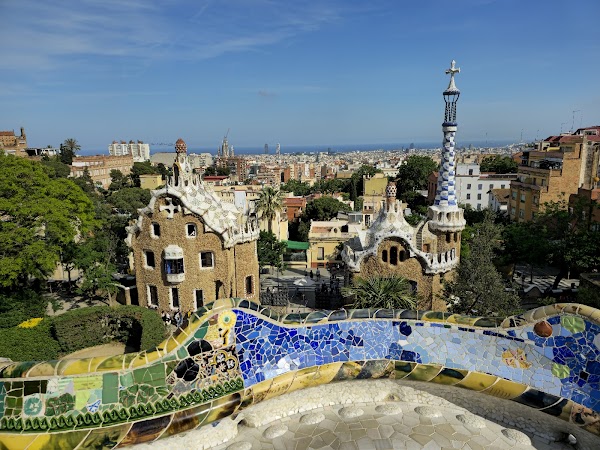
Park Güell
View on map
Audio Narrations
English
Introduction
Park Güell, a mesmerizing urban park in Barcelona, Catalonia, Spain, is a testament to the visionary genius of Antoni Gaudí. This architectural masterpiece, a UNESCO World Heritage Site, is renowned for its whimsical and organic forms, seamlessly blending nature and art. Gaudí's inspiration for Park Güell stemmed from the English garden city movement. He envisioned a residential community where residents could enjoy fresh air and stunning views. However, the project's commercial failure led to its conversion into a public park in 1926. The park's most iconic feature is the serpentine bench adorned with colorful mosaic tiles, offering panoramic views of Barcelona. The monumental staircase, guarded by a majestic dragon fountain, leads to the Hypostyle Room, supported by 86 Doric columns. Park Güell's architectural highlights include the gingerbread-like Hansel and Gretel House, the whimsical Portico of the Washerwoman, and the Gaudí House Museum, where the architect once resided. The park also boasts a variety of plant life, including palm trees, olive trees, and aromatic herbs, creating a serene and verdant oasis amidst the bustling city.Catalan Symbolism
Park Güell, a whimsical wonderland conceived by Antoni Gaudí, is a testament to Catalan identity and aspirations. Its symbolic language, deeply rooted in Catalan culture, weaves a narrative that transcends mere aesthetics. The monumental staircase, adorned with colorful mosaics, features a fountain with a dragon's head, an emblem of Catalonia's patron saint, Saint George. The salamander fountain, symbolizing resilience and resistance, evokes the region's indomitable spirit. Gaudí's architectural genius is evident in the Hypostyle Hall, a subterranean market adorned with Doric columns that resemble ancient Catalan churches. The undulating bench, covered in vibrant trencadís, represents the Catalan flag, while the Greek theater-shaped plaza echoes the region's classical heritage. The park's show home, Casa-Museu Gaudí, showcases the architect's unique style and serves as a testament to his enduring legacy. Park Güell is a living testament to Catalan pride and a celebration of its rich cultural heritage. Its symbolic elements, woven into the very fabric of the park, invite visitors to delve into the heart of Catalan identity and appreciate the region's unique spirit.Mosaic Art
Park Güell, a whimsical wonderland designed by Antoni Gaudí, is a mosaic masterpiece that captivates the imagination. Gaudí's passion for nature and spirituality is evident in the intricate mosaic designs that adorn the park's structures. The famous lizard, known as "El Drac," is a testament to Gaudí's playful spirit and showcases the vibrant hues and intricate patterns that characterize his mosaic art. The park's benches, walkways, and walls are adorned with colorful ceramic tiles, creating a kaleidoscope of patterns and textures. Gaudí's use of broken tiles and recycled materials adds a unique charm to the mosaics, giving them a sense of history and authenticity. The mosaic art in Park Güell is not merely decorative; it serves as an integral part of the park's architecture, enhancing the overall aesthetic experience and creating a truly immersive environment for visitors.
6
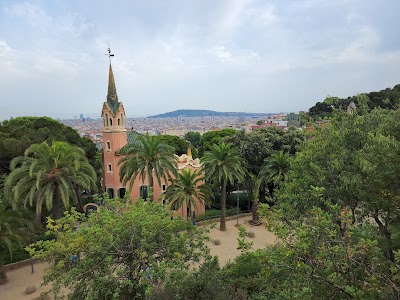
Gaudí House Museum
View on map
Audio Narrations
Korean
소개
파크 구엘의 매력적인 공원 안에 자리 잡은 가우디 하우스 박물관은 선구적인 건축가 안토니 가우디의 마음속을 들여다볼 수 있는 매력적인 기회를 제공합니다. 한때 1906년부터 1925년까지 가우디의 거주지였던 이 매력적인 집은 현재 그의 독특한 예술적 비전을 보여주는 박물관으로 자리 잡고 있습니다. 집을 둘러보면 복잡한 디테일, 혁신적인 디자인, 자연과의 깊은 연결성의 세계로 안내될 것입니다. 각 방은 가우디의 장인 정신과 그의 예술적 이상에 대한 흔들리지 않는 헌신을 보여주는 이야기를 전합니다. 가우디가 직접 디자인한 가구는 형태와 기능을 완벽하게 조화시킨 그의 능력을 증명합니다. 생생한 색상과 기발한 모양은 자연 세계에 대한 그의 매력을 반영하는 반면, 복잡한 디테일은 모든 요소에 대한 그의 세심한 주의를 보여줍니다. 미적 아름다움을 넘어서 가우디 하우스 박물관은 걸작 뒤에 있는 인물에 대한 더 깊은 이해를 제공합니다. 개인 소지품, 스케치, 사진은 그의 삶과 창작 과정에 대한 통찰력을 제공합니다. 건축에 대한 그의 열정, 종교적 신념, 그의 기술에 대한 흔들리지 않는 헌신을 발견하게 될 것입니다. 가우디 하우스 박물관을 방문하는 것은 단순히 건축적 탁월함을 여행하는 것이 아니라 천재의 마음과 영혼으로의 여행입니다. 가우디의 눈을 통해 세계를 경험하고, 그의 독특한 관점을 이해하고, 그의 무한한 창의성에서 영감을 받을 수 있는 기회입니다. 그러니 가우디의 세계로 들어가 그의 예술적 정신이 여러분의 상상력에 불을 붙이도록 하세요.가구 및 디자인 컬렉션
가우디의 비전을 통한 여정: 가우디 하우스 뮤지엄의 가구 및 디자인 컬렉션 가우디 하우스 뮤지엄에 들어서면 시간을 거슬러 올라갈 뿐만 아니라 비전을 가진 건축가의 마음속으로도 들어가게 됩니다. 이 뮤지엄은 가우디의 건축적 천재성을 보여주는 반면, 가구 및 디자인 컬렉션은 그의 세심한 디테일과 전체적인 디자인 접근 방식을 독특하게 보여줍니다. 여기서 가구는 단순히 기능적인 것이 아니라 가우디의 건축적 언어의 확장입니다. 자연에서 영감을 받은 "칼벳 의자"의 굴곡진 곡선은 카사 밀라의 파도 치는 외관을 반영합니다. "구엘 공원 벤치"의 복잡한 모자이크 작업은 구엘 공원 전체에서 발견되는 다채로운 장식을 반영합니다. 각 작품은 형태와 기능이 완벽하게 조화를 이루는 예술과 삶의 통합에 대한 가우디의 믿음을 증명합니다. 이 컬렉션은 가구를 넘어서 재료와 질감에 대한 가우디의 매력을 보여주는 일상적인 물건을 포함합니다. 손으로 그린 세라믹 타일, 정교하게 조각된 나무 프레임, 생생한 스테인드 글라스 창문은 모두 조화롭고 미적으로 즐거운 환경을 만드는 데 대한 그의 헌신을 말해줍니다. 하이라이트 중 하나는 "카사 밀라 아파트"로, 가우디의 가구 디자인을 의도된 맥락에서 보여주는 세심하게 재현된 생활 공간입니다. 여기서 가구, 건축, 장식적 요소 간의 상호 작용을 진정으로 감상할 수 있으며, 20세기 초 바르셀로나에서 부르주아 가족의 일상 생활을 엿볼 수 있습니다. 가우디 하우스 뮤지엄의 가구 및 디자인 컬렉션은 단순한 물건 모음이 아니라 뛰어난 건축가의 무한한 창의성과 혁신적인 정신을 증명하는 것입니다. 이는 가우디의 비전을 통한 여정으로, 웅장한 건축적 장식에서 가장 겸손한 가정용품에 이르기까지 모든 디테일이 그의 독특한 예술적 감성을 반영합니다.바르셀로나 관광 명소
바르셀로나 중심부에 자리한 가우디 하우스 박물관은 유명한 카탈루냐 건축가인 안토니 가우디의 삶과 창작적 천재성을 엿볼 수 있는 매력적인 장소입니다. 가우디의 이전 거주지에 자리한 이 독특한 박물관은 방문객을 건축적 경이로움과 예술적 표현의 세계로 안내합니다. 안으로 들어서 가우디의 시그니처 스타일을 특징짓는 생생한 색상, 기발한 모양, 복잡한 디테일 속으로 뛰어들어 보세요. 각 방을 둘러보면서 그의 삶과 작품의 다양한 측면을 살펴보세요. 가우디가 직접 디자인한 가구를 감상하고 혁신적인 소재와 기법의 사용에 경탄해 보세요. 박물관의 하이라이트 중 하나는 바르셀로나의 멋진 전경을 감상할 수 있는 옥상 테라스입니다. 여기서 도시의 건축적 풍경을 감상하고 가우디의 창작물이 도시의 구조에 어떻게 영향을 미쳤는지 확인할 수 있습니다. 가우디 하우스 박물관을 방문하는 것은 건축, 예술 또는 바르셀로나의 역사에 관심이 있는 모든 사람에게 잊지 못할 경험이 될 것입니다. 가우디의 예술적 비전과 그가 도시에 남긴 지속적인 유산에 대해 더 깊이 이해할 수 있습니다. 바르셀로나의 관광 명소로서 가우디 하우스 박물관은 도시의 문화적 유산과 예술적 정신과 연결될 수 있는 독특한 기회를 제공합니다. 몰입적이고 영감을 주는 경험을 찾는 사람이라면 반드시 방문해야 할 곳입니다.
7
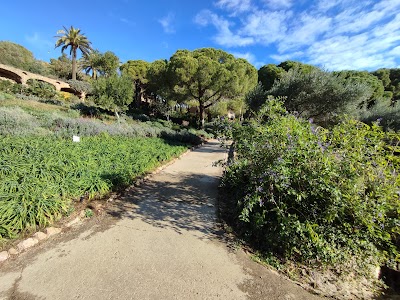
Austria Garden
View on map
Audio Narrations
English
Introduction
Nestled within the sprawling Park Güell, the Austria Gardens offer a tranquil oasis amidst the vibrant cityscape of Barcelona. Originally envisioned as part of a residential development, these verdant grounds were transformed into a public space following the project's alteration. Their name originates from a generous donation of trees from Austria in 1977, adding to the garden's diverse botanical collection. Visitors can meander through the winding paths, adorned with lush greenery and cascading waterfalls, reminiscent of a hidden sanctuary. The terraced balconies provide breathtaking panoramic views of the city, while the intricate mosaic benches, a hallmark of Gaudí's artistry, invite moments of contemplation. A hidden gem within the gardens is the Gaudí House Museum, once the residence of the renowned architect himself. This intimate space offers a glimpse into Gaudí's creative genius, showcasing his personal belongings and architectural models. The Austria Gardens stand as a testament to the harmonious blend of nature and art, a haven for those seeking respite from the bustling city life. As you stroll through its verdant pathways, imagine the lively community that once thrived here, and appreciate the enduring legacy of Gaudí's architectural vision.Donation of Trees from Austria
Austria Garden: A Flourishing Symbol of Friendship Rooted in Donated Trees Nestled amidst the bustling city of Barcelona, the Austria Garden stands as a vibrant testament to the enduring friendship between Austria and Spain. This verdant oasis owes its existence to a generous donation of trees from Austria in 1929, a gesture that cemented the bond between the two nations. The story begins with the International Exposition of 1929, held in Barcelona. Austria, eager to showcase its horticultural prowess, presented Spain with a collection of 250 trees, including majestic pines, graceful firs, and vibrant maples. These trees, carefully selected for their resilience and beauty, were planted in the newly established Austria Garden, a designated space within the Montjuïc park complex. This act of generosity not only adorned Barcelona with a touch of Austrian charm but also symbolized the deep-rooted friendship between the two countries. The trees, carefully nurtured over the decades, have flourished into a thriving symbol of this enduring bond. Today, the Austria Garden remains a cherished landmark, a tranquil haven where visitors can immerse themselves in the beauty of nature and reflect on the enduring power of international friendship. As you stroll through the garden, imagine the journey of these trees, their roots firmly planted in Austrian soil, now reaching towards the Spanish sky, a testament to the enduring connection between two nations.Green Oasis in Barcelona
Nestled amidst the bustling city of Barcelona, the Austria Garden offers a tranquil escape, a verdant haven where nature's serenity meets urban vibrancy. This hidden gem, tucked away in the Montjuïc district, transports visitors to a realm of lush greenery, a sanctuary of peace amidst the city's clamor. Step into the Austria Garden, and be greeted by a symphony of colors and textures. Towering palm trees sway gently in the breeze, their fronds casting intricate patterns of light and shadow. The air is fragrant with the sweet scent of blooming roses, their vibrant hues adding a touch of elegance to the landscape. Lush lawns invite leisurely strolls, while winding paths lead to secluded corners, perfect for quiet contemplation. The Austria Garden is not merely a green oasis; it is a testament to the enduring bond between Austria and Spain. Designed by renowned Austrian landscape architect Carl Theodor Sorensen, the garden reflects the harmonious blend of Catalan and Austrian influences. The central fountain, adorned with sculptures depicting mythological figures, evokes the grandeur of European gardens, while the surrounding flora showcases the rich biodiversity of the Mediterranean region. As you wander through the garden, you'll encounter hidden treasures, each whispering tales of history and artistry. The Rosaleda, a rose garden boasting over 2,000 rose bushes, is a fragrant paradise, a kaleidoscope of colors and intoxicating aromas. The Joan Maragall Garden, dedicated to the renowned Catalan poet, offers a serene setting for reflection, with its tranquil pond and weeping willows. The Austria Garden is more than just a green space; it is a living testament to the power of nature to heal, inspire, and connect. It is a place where urban dwellers can find solace, where families can create lasting memories, and where art and nature converge in perfect harmony. So, step into this verdant sanctuary, and let the Austria Garden transport you to a world of tranquility and beauty, a hidden gem in the heart of Barcelona.
Experience the Full Tour
Download the DocentPro app to access all tour stops, complete audio narrations in multiple languages, offline maps, and interactive features.