
Sydney's Iconic Landmarks: A Family-Friendly Adventure

Walking Tour

9.2 km (5.7 miles)

2h 19min travel time

15 Stops

Sydney, Australia
Sydney's Iconic Landmarks: A Family-Friendly Adventure
Tour Stops
1
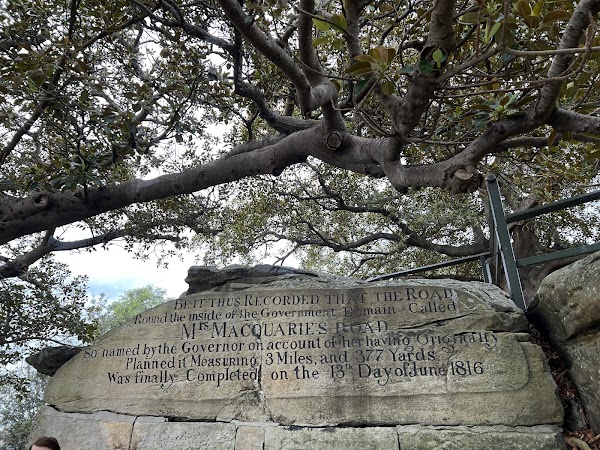
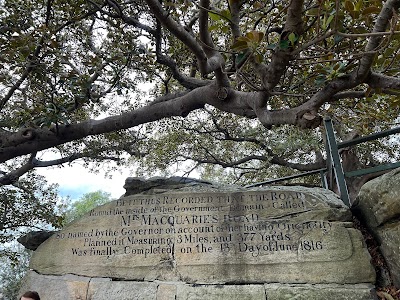
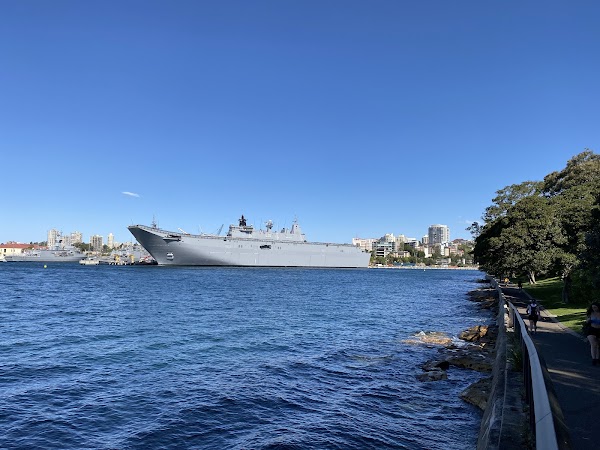
Mrs Macquarie's Chair
View on map
Audio Narrations
서론
시드니 하버로 돌출된 반도의 사암 암벽을 깎아 만든 미세스 맥쿼리 체어는 단순한 전망대 그 이상입니다. 1810년 라클런 맥쿼리 총독의 부인인 엘리자베스 맥쿼리를 위해 만들어진 이 벤치 모양의 바위는 그녀가 영국에서 오는 배들을 관찰할 수 있는 유리한 지점 역할을 했습니다. 식물학에 대한 깊은 관심으로 알려진 맥쿼리 부인은 항구와 신흥 식민지 시드니의 탁 트인 전망을 감상할 수 있는 이 장소를 아꼈습니다. 오늘날 이곳은 사암에 새겨진 비문과 의자의 역사적 의미를 기념하기 위해 나중에 추가된 조각된 주춧돌로 표시되어 있습니다. 여전히 그녀의 이름을 따서 명명된 주변 공원은 시드니 오페라 하우스와 하버 브리지와 같은 상징적인 랜드마크의 탁월한 전망을 제공하는 곳으로, 맥쿼리 부인 시대 이후 극적으로 변모한 풍경을 자랑하며 현지인과 관광객 모두에게 인기 있는 명소입니다. 이 단순한 랜드마크의 변치 않는 매력은 호주 초기 식민지 시대의 유산과 그 이름을 지닌 여성의 유산을 말해줍니다.원주민적 의미
유럽인들이 도착하기 전, 현재 미세스 매쿼리스 포인트로 알려진 이 땅은 이 땅의 전통적인 수호자인 가디걸 사람들에게 깊은 의미를 지닌 곳이었습니다. 유롱 포인트로 알려진 이곳은 어업, 채집, 문화 활동의 장소였으며, 수천 년 동안 그들의 일상생활과 밀접하게 연관되어 있었습니다. 매쿼리 총독의 도착과 사암 벤치 조각은 이곳의 물리적 외관을 영원히 바꾸었지만, 이곳에 대한 원주민들의 끊임없는 연결을 지울 수는 없었습니다. 식민지 시대의 이야기에 가려져 있지만, 이러한 연결의 증거는 여전히 남아 있습니다. 시간과 개발로 인해 단편적으로 남아 있지만, 고고학적 유물들은 활기 넘쳤던 원주민의 과거를 속삭입니다. 미세스 매쿼리스 포인트 인근에 최소 두 곳의 기록된 원주민 유적지가 존재한다는 것은 이러한 영속적인 유산을 증명합니다. 이러한 유적지는 정확한 성격과 세부 사항이 유해로부터 보호하기 위해 종종 비밀에 부쳐지지만, 가디걸 사람들의 깊은 땅과의 연결을 보여주는 확실한 연결 고리 역할을 합니다. 이러한 원주민적 중요성을 인정하고 보존하려는 노력은 계속되고 있습니다. 지배적인 이야기는 미세스 매쿼리스 체어의 식민지 역사에 초점을 맞추고 있지만, 이곳의 다층적인 과거를 인식하고 가디걸 사람들의 이야기가 사라지지 않고 이 장소의 정체성에 녹아들도록 하기 위해 원주민적 관점을 통합하고 강조하려는 인식이 높아지고 있습니다.총독의 삶
시드니 하버의 탁 트인 전망을 감상할 수 있는 사암 벤치인 미세스 맥쿼리 체어는 초창기 부왕의 배우자들의 삶을 엿볼 수 있는 곳입니다. 총독 관저 내부에 있지는 않지만, 그들의 삶과 유형적인 연결고리를 제공합니다. 래클런 맥쿼리 총독의 부인인 엘리자베스 맥쿼리 여사는 이곳을 자주 찾았다고 전해집니다. 공식 관저의 격식에서 벗어나 자연의 아름다움 속에서 위안을 찾았던 맥쿼리 여사는 이곳에서 독서를 하고 탁 트인 전망을 즐기며 종종 오랜 시간을 보냈습니다. 따라서 이 의자는 단순한 랜드마크가 아닌, 부왕의 배우자들이 공적인 역할에서 벗어나 휴식을 취하고자 했던 마음을 상징적으로 보여주는 곳입니다. 이는 그들이 총독 관저의 울타리를 넘어 식민지 사회의 구조를 적극적으로 형성했던 시대를 반영합니다. 미세스 맥쿼리 체어의 존재 자체는 부왕의 배우자들이 가졌던 역할에 대해 많은 것을 시사하며, 초기 시드니 발전에 미친 그들의 존재감과 영향력을 보여줍니다. 이는 공식적으로 권력을 쥐고 있지는 않았지만 뉴사우스웨일스 식민지의 사회적, 문화적 환경을 형성하는 데 중요한 역할을 했던 사람들을 상기시켜줍니다.
2
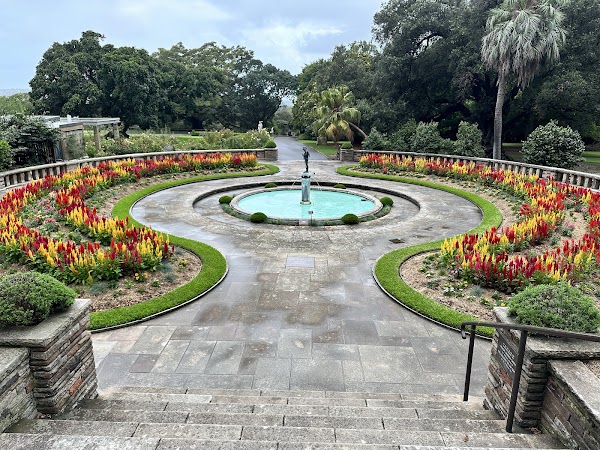
Royal Botanic Garden Sydney
View on map
Audio Narrations
Introduction
Established in 1816, the Royal Botanic Garden Sydney is Australia's oldest botanic garden and a globally renowned scientific institution. Nestled along the picturesque shores of Sydney Harbour, it encompasses 74 acres of meticulously cultivated land. The garden boasts an extraordinary collection of over 5,000 plant species, with an emphasis on native Australian flora. Its diverse gardens include the Lower Gardens, featuring ponds and exotic species; the Middle Gardens, showcasing the Palm Grove with its internationally significant palm and rainforest collection; the Palace Gardens, home to the Calyx, a contemporary horticultural exhibition space; and the Bennelong Precinct, with its Australian Native Rockery. The garden's National Herbarium houses over 1.2 million plant specimens, including those collected by renowned botanists Banks and Solander during Captain Cook's voyage.National Herbarium
The National Herbarium, a cornerstone of the Royal Botanic Garden Sydney, houses an unparalleled collection of over 1.43 million plant specimens, including 805 gathered by Joseph Banks and Daniel Solander during the historic voyage of HMS Endeavour in 1770. These specimens form the foundation of botanical research in Australia, providing invaluable insights into the diversity and evolution of plant life. The Herbarium's collection encompasses a vast array of plant groups, from flowering plants and conifers to ferns, bryophytes, and fungi, with a particular emphasis on the rich flora of New South Wales. Its state-of-the-art facilities, including specialized vaults and laboratories, ensure the preservation and accessibility of these irreplaceable specimens for generations to come. The Herbarium's digitization project has made over 7,000 specimens available online, allowing researchers and enthusiasts worldwide to access this wealth of botanical knowledge.Biomedical Research
The Royal Botanic Garden Sydney, nestled in the heart of Sydney, New South Wales, Australia, offers a unique perspective on biomedical research through its extensive collection of medicinal plants and ongoing scientific endeavors. The garden's Herbarium, housing over 1.4 million specimens, serves as a valuable resource for researchers studying the medicinal properties of plants. Scientists utilize these specimens to identify and characterize bioactive compounds with potential therapeutic applications. The garden's living collection, comprising over 30,000 plant species, provides a living laboratory for biomedical research. Scientists conduct field studies to investigate the ecological and evolutionary aspects of medicinal plants, contributing to our understanding of their adaptation and resilience. The garden's research facilities, including state-of-the-art laboratories and greenhouses, enable researchers to delve into the molecular mechanisms underlying plant-based therapies. The Royal Botanic Garden Sydney collaborates with leading universities and research institutions, fostering interdisciplinary research and innovation. Scientists explore the potential of medicinal plants in treating various diseases, including cancer, cardiovascular disorders, and neurodegenerative conditions. The garden's commitment to biomedical research extends beyond scientific discoveries; it also involves educating the public about the importance of plant-based medicine and inspiring future generations of scientists.
3
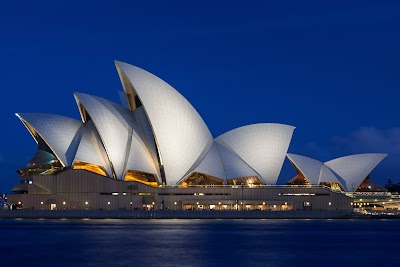
Sydney Opera House
View on map
Audio Narrations
소개
시드니 오페라 하우스는 20세기 건축의 걸작으로, 시드니 항구 기슭에 위치한 다목적 공연장입니다. 덴마크 건축가 요른 우손이 설계한 상징적인 지붕 구조는 펄럭이는 돛을 연상시킵니다. 건물 외부는 분홍색 화강암 패널로 덮여 있으며, 두 가지 색상의 흰색 타일로 약 100만 개가 깔린 미묘한 셰브론 패턴이 특징입니다. 내부에는 콘서트홀, 조안 서덜랜드 극장, 드라마 극장 등 다양한 공연장이 있으며, 매년 1,500회 이상의 공연이 열립니다. 오페라 하우스는 유명한 건축적 경이로움일 뿐만 아니라 매년 800만 명 이상의 방문객을 유치하는 활기찬 문화 허브이기도 합니다.시드니 랜드마크
시드니 오페라 하우스는 건축적 경이로움이자 세계적인 상징으로, 시드니의 활기찬 예술계를 증명합니다. 펄럭이는 돛이나 겹쳐진 조개를 닮은 독특한 디자인은 도시의 스카이라인과 동의어가 되었습니다. 덴마크 건축가 요른 우손의 아이디어인 오페라 하우스는 10년간의 건설과 수많은 논란 끝에 1973년에 완공되었습니다. 매력적인 외관 너머로 오페라 하우스에는 콘서트 홀, 오페라 극장, 드라마 극장, 플레이하우스 등의 공연장이 복합적으로 들어서 있습니다. 각 공연장은 다양한 예술 분야에 맞게 최적의 음향 경험을 제공하도록 설계되었습니다. 높은 천장과 따뜻한 목재 패널이 특징인 콘서트 홀은 뛰어난 음향으로 유명하며, 클래식 음악 애호가들에게 인기가 있습니다. 정교한 금박 장식으로 장식된 오페라 극장은 오페라 하우스의 심장부입니다. 세계적인 오페라 제작을 수없이 개최하여 유명한 가수와 오케스트라의 재능을 선보였습니다. 드라마 극장과 플레이하우스는 현대극에서 실험적인 댄스 공연에 이르기까지 소규모 공연을 위한 친밀한 공간을 제공합니다. 오페라 하우스는 단순한 공연장이 아니라 전시회, 토크, 워크숍을 개최하는 활기찬 문화 허브입니다. 항구의 탁 트인 전망을 자랑하는 야외 포코트는 지역 주민과 관광객 모두에게 인기 있는 모임 장소입니다. 오페라 하우스의 독특한 디자인과 문화적 등대 역할은 시드니의 사랑받는 랜드마크로서의 지위를 확고히 하여 매년 수백만 명의 방문객을 유치합니다.표현주의 건축
시드니 오페라 하우스는 표현주의 건축의 걸작으로, 덴마크 건축가 요른 우존의 대담한 비전을 증명하는 건물입니다. 상징적인 디자인은 기존의 규범을 깨뜨려 구형의 일부를 닮은 대형 조립식 콘크리트 "쉘"을 특징으로 합니다. 이 반짝이는 흰색 돛 모양의 구조물은 건물의 지붕을 형성하여 전통적인 형태를 거부하고 감정적 표현을 수용하는 운동의 본질을 구현한 건축적 경이로움을 만듭니다. 쉘의 복잡한 기하학적 모양과 유기적인 모양은 유동성과 역동성을 불러일으켜 내면의 경험과 주관적인 해석에 초점을 맞춘 표현주의의 본질을 포착합니다. 곡면에 비추는 빛과 그림자의 상호 작용은 건물의 극적이고 감성적인 존재감을 더해 표현주의 건축이 강력한 감정을 불러일으키고 기존의 규범에 도전하는 능력을 보여주는 매력적인 예가 됩니다.
4
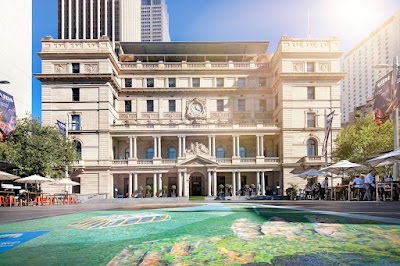
Customs House
View on map
Audio Narrations
Introduction
The Sydney Customs House, a grand sandstone edifice overlooking Circular Quay, stands as a testament to Australia's colonial past and evolving identity. Completed in 1887, its initial role as the nerve center for maritime trade saw fortunes made and empires built on the backs of wool, gold, and cedar. The building's iconic Long Room, once bustling with merchants and clerks, now echoes with a different kind of energy, housing the City of Sydney Library and its treasure trove of historical records. Look closely at the sandstone facade, and you'll discover a series of carvings depicting the exotic flora and fauna of the newly settled land, a subtle nod to the nation's burgeoning identity. Inside, climb the grand marble staircase to discover the intricately designed mosaic floor, a hidden gem often missed by hurried visitors. This fusion of Victorian grandeur and uniquely Australian motifs encapsulates the spirit of a nation coming into its own.Public Space
Customs House in Sydney, New South Wales, Australia, stands as a testament to the evolution of public space. Once the central hub for maritime trade and customs, the building has transformed into a dynamic space for community engagement and cultural exploration. Transferred to the City of Sydney Council in 1994, it gracefully shed its former role as the head office for the Department of Trade and Customs. Today, it welcomes visitors with open arms, inviting them to explore its diverse offerings. The grand atrium, with its helix staircase winding upwards, creates a sense of openness and grandeur, encouraging exploration and discovery. Within its walls, the City of Sydney Library offers a haven for knowledge seekers, while exhibition spaces showcase thought-provoking art and historical displays. The building's transformation extends beyond its walls. Its location at Circular Quay, a bustling public space, further amplifies its accessibility and connection to the city. Visitors can enjoy the seamless transition from the vibrant waterfront to the cultural richness within, highlighting the building's role as a bridge between Sydney's historical significance and its modern, dynamic identity. Customs House stands as a beacon of public access, embodying the spirit of community and shared experiences.Architectural Significance
The Customs House in Sydney, notable for its prominent location on Circular Quay, boasts a rich architectural history shaped by three significant figures in New South Wales architecture. While its initial design, a simple double-storey structure in the Greek Revival style, was conceived by Mortimer Lewis, later renovations and expansions saw the involvement of two other notable architects, Walter Liberty Vernon and James Barnet. Interestingly, despite the changes implemented by Vernon and Barnet, they maintained a sense of architectural coherence by utilizing similar materials and proportions to those used by Lewis, resulting in a unified architectural vocabulary that transcends individual styles. This blend of architectural contributions across different periods is further emphasized by the building's construction materials. The use of sandstone, a common material in Australian architecture, links the Customs House to the colonial history of the country. This material choice, coupled with the building's imposing scale and strategic location overlooking Sydney's bustling harbor, underscores its significance as a symbol of British imperial power and colonial commercial ambition. Today, the Customs House stands as a testament to the evolution of architectural styles and the enduring legacy of these three influential architects, making it a fascinating subject for those interested in Australian architectural history.
5
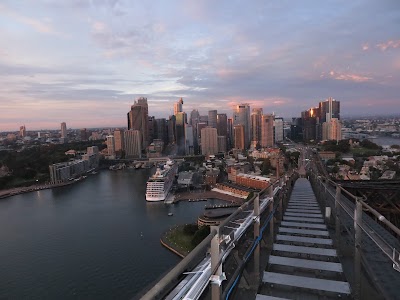
BridgeClimb Sydney
View on map
Audio Narrations
소개
시드니 하버 브릿지, 현지인들이 애정을 담아 "코트 행거"라고 부르는 이 다리를 오르는 것은 다른 어떤 경험과도 다릅니다. 브릿지클라임 시드니를 오르면 하버 도시의 숨 막히는 360도 전경을 볼 수 있을 뿐만 아니라 역사의 한 부분을 횡단하게 됩니다. 1932년에 완공된 이 구조물 자체는 엔지니어링의 경이로움이며, 이 오르기는 그 규모와 복잡한 디자인에 대한 독특한 관점을 제공합니다. 오르면서 가이드가 다리 건설에 대한 매력적인 이야기를 들려주며, 덜 알려진 일화와 역사적 통찰력을 곁들입니다. 예를 들어, 건설 중에 한 노동자가 미완성된 아치를 말을 타고 건넜다는 사실을 알고 계셨나요? 또는 다리에 사용된 페인트가 축구장 60개의 표면적을 덮을 수 있다는 사실은요? 해발 134m의 정상에 도달하면 상징적인 오페라 하우스, 펼쳐진 도시 풍경, 반짝이는 하버의 푸른 넓이를 아우르는 파노라마 전망이 눈앞에 펼쳐집니다.시드니 항구의 상징
브릿지클라임 시드니는 시드니 항구의 상징을 독특한 관점에서 보여주며, 시드니의 정체성과 깊이 얽힌 구조물인 시드니 하버 브릿지를 오를 수 있도록 해줍니다. 이 건축적 경이로움을 오르면서 그 엄청난 크기와 항구의 아름다움을 구성하는 데 있어서의 필수적인 역할에 대해 새로운 감사를 하게 될 것입니다. 독특한 아치 모양의 다리 자체가 파노라마 전망의 중심 인물이 되어 역사적인 록스 지역과 번화한 CBD를 연결합니다. 이 유리한 지점에서 오페라 하우스는 물 건너 반짝이는 돛 모양 조각품으로 변모하고, 페리는 아래에서 장난감처럼 떠다닙니다. 시드니의 야망과 엔지니어링 기술의 상징인 다리가 이 상징적인 랜드마크를 하나로 묶어 시드니 항구의 숨 막히는 파노라마 안에서 그들의 위치를 공고히 하는 모습을 직접 목격하게 될 것입니다.도시 전경
시드니 하버 브릿지에 브릿지클라이밍으로 오르면 시드니의 상징적인 도시 경관의 비할 데 없는 파노라마가 펼쳐집니다. 해발 134m의 정상에서 등반가들은 숨 막히는 360도 전경을 감상할 수 있으며, 펼쳐진 도시 풍경, 반짝이는 항구 수역, 푸른 공원이 보입니다. 이 전망대는 시드니의 배치에 대한 독특한 관점을 제공하며, 더 록스와 같은 역사적인 지역과 중심 업무 지구의 현대적인 고층 빌딩이 나란히 있는 모습을 보여줍니다. 동쪽을 바라보면 등반가들은 동부 교외에서 시드니 항구의 머리까지 해안선의 곡선을 따라갈 수 있으며, 서쪽을 바라보면 블루 마운틴까지 뻗어 있는 광활한 교외가 보입니다. 파노라마 전망은 또한 항구를 배경으로 반짝이는 흰 돛처럼 보이는 시드니 오페라 하우스를 포함하여 도시 곳곳에 있는 건축적 경이로움을 강조합니다. 새벽 등반 중에 떠오르는 태양의 황금빛 색조에 젖어 있든, 밤하늘 아래에서 반짝이든, 브릿지클라이밍 시드니에서 보는 파노라마 도시 전경은 이 활기찬 호주 대도시에 대한 잊지 못할 관점을 제공합니다.
6
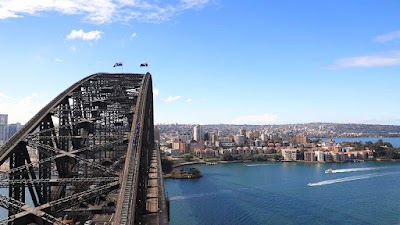
Pylon Lookout
View on map
7
Sydney Harbour Bridge
View on map
Audio Narrations
Introduction
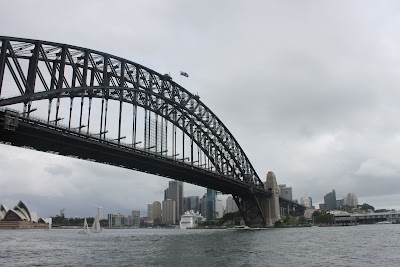
The Sydney Harbour Bridge, an iconic steel arch bridge in Sydney, Australia, spans the Sydney Harbour, connecting the central business district to the North Shore. Its arch, composed of two 28-panel arch trusses, stands 134 meters above mean sea level, making it the tallest steel arch bridge in the world. The bridge's total weight, including the arch and approach spans, is 52,800 tonnes, held together by six million Australian-made hand-driven rivets. At each end of the arch stand a pair of 89-meter-high concrete pylons faced with granite, designed by Scottish architect Thomas S. Tait. The bridge's roadway, known as the Bradfield Highway, is about 2.4 kilometers long, making it one of the shortest highways in Australia. The bridge is not only a vital transportation link but also a beloved landmark, offering breathtaking views of the harbor and the city skyline.Symbol of Australia
Sydney Harbour Bridge, an iconic landmark and a symbol of Australia, stands as a testament to the nation's engineering prowess and architectural grandeur. Its majestic arch, spanning the bustling Sydney Harbour, has become synonymous with the city and the country itself. The bridge's design, inspired by the Hell Gate Bridge in New York City, showcases the influence of global architectural trends while embodying a distinctly Australian spirit. As one of the world's longest steel arch bridges, it represents Australia's commitment to innovation and infrastructure development. The bridge's prominence in countless images and media portrayals has cemented its status as a symbol of Australian identity, recognized and admired worldwide.Infrastructure Masterpiece
Sydney Harbour Bridge, an iconic landmark and engineering marvel, stands as a testament to the city's architectural prowess. Its construction in the 1930s was a testament to the city's rapid growth and the need for efficient transportation. The bridge's design, with its graceful arch and intricate steelwork, has become synonymous with Sydney's skyline. The bridge's construction was a significant undertaking, requiring the collaboration of engineers, architects, and workers. The massive steel structure was fabricated in England and shipped to Australia, where it was assembled on-site. The bridge's design incorporated innovative techniques, including the use of prefabricated steel sections and electric welding, which allowed for faster and more efficient construction. Upon its completion in 1932, Sydney Harbour Bridge was the longest single-span steel arch bridge in the world. Its design has since been replicated in other major cities, including the Bay Bridge in San Francisco and the Tyne Bridge in Newcastle, England. The bridge's strength and durability have been tested over time, withstanding numerous storms and earthquakes. Today, Sydney Harbour Bridge remains a vital piece of infrastructure, carrying both road and rail traffic. It is also a popular tourist destination, with visitors marveling at its engineering prowess and stunning views of the city and harbor. The bridge's iconic status has been cemented through its appearance in countless films, television shows, and other media.
8
Observatory Hill Park
View on map
Audio Narrations
Introduction
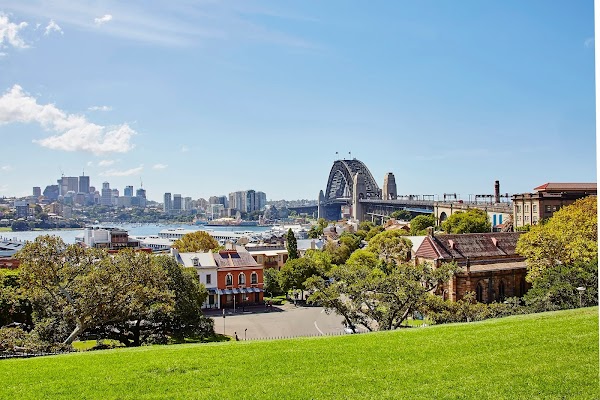
Perched atop one of Sydney Harbour's highest points, Observatory Hill Park offers unparalleled panoramic views of the iconic harbour bridge, the majestic Opera House, and the bustling cityscape beyond. More than just a scenic lookout, the park holds a special place in Sydney's history as the former site of Fort Phillip, a colonial-era defense point. Remnants of this military past, like the stone obelisk marking the original flagstaff position, are subtly woven into the park's landscape. Adding another layer of intrigue, the park takes its name from the Sydney Observatory, a working astronomical observatory established in 1858. Today, visitors can explore the observatory's fascinating exhibits and even participate in night sky viewings, connecting with the site's scientific legacy while under a canopy of stars mirrored in the harbor below. The park's layered history, combined with its breathtaking vistas, creates a uniquely captivating experience.Timekeeping
Observatory Hill Park in Millers Point, New South Wales, Australia, has been intrinsically linked with the precise measurement of time since the 19th century. The site's transformation from a windmill to a fort to, finally, an observatory marked a turning point in the city's relationship with timekeeping. The establishment of the Sydney Observatory in 1858 brought with it the iconic Time Ball Tower. Every day at precisely 1:00 PM, the time ball atop the tower would drop, providing a visual signal of the precise time to the bustling harbor and the city below. This public display of time, a novelty in its day, synchronized Sydney's activities with remarkable accuracy. The time ball's drop was further reinforced by the firing of a cannon, first at Dawes Point and later at Fort Denison, adding an auditory dimension to this public timekeeping ritual. While the cannon fire has ceased, the time ball, remarkably, still drops every day at 1:00 PM, using its original mechanism, though now aided by an electric motor. This enduring symbol of timekeeping, meticulously maintained for over a century and a half, offers a tangible link to Sydney's maritime past and the city's quest for accurate timekeeping in a rapidly developing world.Meteorological Science
Observatory Hill in Millers Point, New South Wales, holds a significant place in Australia's meteorological history. While known for its astronomical observatory, the site's meteorological significance predates even the observatory's construction. Initially known as "Windmill Hill," the area housed the colony's first windmill in the late 18th century. This structure, while short-lived, speaks to the early recognition of the hill's wind exposure, a crucial factor for early wind-powered technology and a foreshadowing of the site's future meteorological importance. The hill's transformation into a meteorological station marked a turning point in Sydney's weather observation capabilities. Though the exact date of the meteorological station's establishment remains unclear from the provided text, its existence highlights the site's continued importance in understanding local weather patterns. Today, while the remnants of the windmill and early meteorological instruments may be gone, Observatory Hill stands as a testament to the long history of meteorological science in Sydney. The site's elevated position, once ideal for windmills and semaphore signaling, provided, and continues to provide, a unique vantage point for observing and understanding Sydney's ever-changing weather patterns.
9
King Street Wharf
View on map
Audio Narrations
Introduction
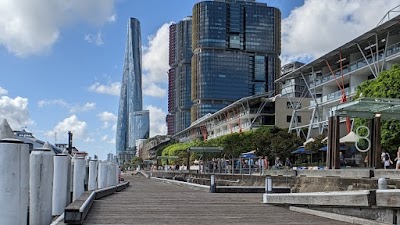
King Street Wharf, nestled along Sydney's iconic harbor, pulsates with a vibrant energy distinct from the city's bustling central business district. This revitalized precinct, once a series of finger wharves handling cargo, now boasts a sophisticated blend of award-winning restaurants, bars with glittering waterfront views, and upscale accommodations. The air hums with a unique blend of leisure and business, as tourists mingle with suited professionals against a backdrop of bobbing yachts and the occasional ferry churning past. Look closely, and you'll notice remnants of the area's industrial past - weathered sandstone foundations and repurposed iron fittings whispering tales of a bygone era. This intriguing juxtaposition of old and new, grit and glamour, makes King Street Wharf a captivating destination. A leisurely stroll along the timber boardwalk reveals hidden laneways teeming with artisan bakeries and independent boutiques, offering a glimpse into the city's evolving character. As the sun dips below the horizon, casting a warm glow on the cityscape, King Street Wharf transforms once again, its energy shifting to the rhythm of live music and the clinking of glasses, a testament to Sydney's infectious joie de vivre.Maritime Heritage
King Street Wharf whispers tales of Sydney's maritime past, hidden beneath its modern facade. Once a bustling hub for cargo ships and passenger liners, the wharf's very foundations hold echoes of a bygone era. The original wharves, constructed in the late 19th century, witnessed the arrival of immigrants seeking new beginnings and the export of Australian wool and wheat that fueled a growing nation. Look closely, and you'll find remnants of this industrious past – weathered bollards that once secured mighty vessels, rusted cranes that hoisted cargo, and sandstone blocks etched with the marks of time and tide. These silent witnesses stand in stark contrast to the sleek yachts and ferries that now grace the harbor, a tangible reminder of the wharf's evolution alongside Sydney's maritime narrative. Though the days of stevedores and sailing ships have faded, King Street Wharf continues to honor its heritage, offering glimpses into a time when the city's fortunes were inextricably linked to the sea.Sydney Opera House Views
King Street Wharf doesn't just offer a front-row seat to Sydney's bustling harbor life, it provides a uniquely framed perspective of the iconic Sydney Opera House. Imagine this: you're strolling along the wharf, the aroma of fresh seafood wafting from nearby restaurants, and there, nestled across the water, is the Opera House. Its white sails seem to rise from the harbor, perfectly framed by the modern cityscape behind it. This isn't the classic postcard view; it's a dynamic, modern perspective that captures the juxtaposition of Sydney's past and present. The setting sun casts a warm glow on the Opera House, its reflection shimmering in the harbor waters, creating a breathtaking spectacle best enjoyed from one of King Street Wharf's many waterfront restaurants or bars. As ferries glide across the harbor, leaving trails of sparkling water in their wake, you realize that King Street Wharf offers more than just a view – it offers a dynamic, ever-changing perspective of Sydney's most recognizable landmark.
10
SEA LIFE Sydney Aquarium
View on map
Audio Narrations
Introduction
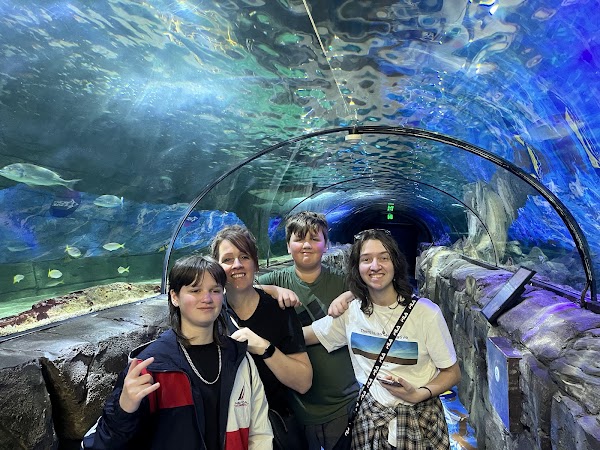
SEA LIFE Sydney Aquarium, located in the heart of Darling Harbour, is a captivating underwater journey showcasing Australia's diverse marine life. With over 700 species and 13,000 creatures, it's one of the world's largest aquariums, renowned for its extensive collection of sharks and rays. Visitors embark on a thematic exploration, traversing the Jurassic Seas, Sydney Harbour, and Dugong Island. The majestic Shark Valley, an underwater tunnel walk-through, offers close encounters with Grey Nurse Sharks and giant Stingrays. The Great Barrier Reef zone captivates with its vibrant coral reefs and marine turtles. The aquarium's commitment to conservation extends beyond its exhibits, with research partnerships and initiatives focused on endangered species breeding and environmental protection.Shark Valley Oceanarium
Shark Valley Oceanarium, a breathtaking realm within SEA LIFE Sydney Aquarium, transports visitors into the heart of a marine ecosystem teeming with apex predators and graceful rays. As you venture through the underwater tunnel, marvel at the sleek forms of lemon sharks, gray nurse sharks, zebra sharks, and eagle rays gliding effortlessly above. These magnificent creatures, some weighing over 300 kilograms and stretching over 3 meters in length, command respect and awe. The oceanarium's expansive design allows for an immersive experience, bringing you face-to-face with these marine giants. Witness the mesmerizing dance of eagle rays as they soar through the water, their wingspans reaching impressive widths. Observe the stealthy movements of gray nurse sharks, their formidable presence a testament to their ancient lineage. The oceanarium also houses a diverse array of other marine species, including shovelnose rays, creating a vibrant and dynamic underwater landscape. Beyond the thrilling encounters with sharks and rays, Shark Valley Oceanarium offers a unique glimpse into the skeletal remains of a colossal whale, a testament to the vastness and power of the ocean. The tumbled-down ruins of an ancient stone temple add an enigmatic touch, hinting at the hidden depths of the marine world. For the truly adventurous, the oceanarium offers an unforgettable shark dive experience, allowing visitors to interact with these apex predators in a controlled and safe environment.Dugong Island
Dugong Island at SEA LIFE Sydney Aquarium is a captivating sanctuary dedicated to the gentle and enigmatic dugong, Pig. Rescued from the shores of North Queensland, Pig's heartwarming story has endeared him to visitors and locals alike. Dugong Island offers a unique opportunity to observe this remarkable creature up close, along with a diverse array of other marine life. The island's underwater viewing tunnels provide an immersive experience, allowing visitors to witness Pig's graceful movements and feeding habits. Above-water viewing areas offer panoramic vistas of the dugong's habitat, where visitors can marvel at its distinctive features and learn about its conservation status. Dugong Island is not just home to Pig; it also houses a vibrant community of White Spotted Eagle Rays, Bamboo Sharks, and a myriad of tropical fish. These diverse species coexist harmoniously, creating a captivating underwater ecosystem. Visitors can engage with the marine life at the Discovery Rockpool, where they can touch and learn about sea stars, sea urchins, and other fascinating creatures. SEA LIFE Sydney Aquarium's commitment to research and conservation extends to Dugong Island. The aquarium collaborates with leading institutions to study dugongs and their habitats, contributing to the understanding and protection of these gentle giants. By visiting Dugong Island, visitors not only witness the beauty of marine life but also support vital conservation efforts.
11

WILD LIFE Sydney Zoo
View on map
12
Pyrmont Bridge
View on map
Audio Narrations
소개
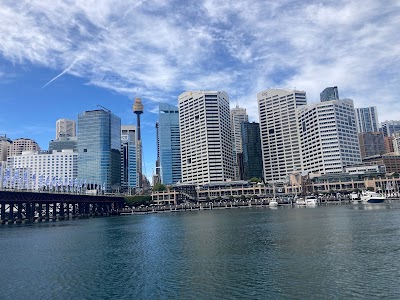
시드니, 호주에 있는 장엄한 강철 콘솔교인 파이르몬트 브릿지는 활기찬 달링 하버를 우아하게 가로지릅니다. 1902년에 완공된 이 다리는 한때 상품과 자재를 운반하는 중요한 연결로 사용되었던 이 도시의 산업 유산을 증명하는 증거입니다. 독특한 디자인은 두 개의 트러스 스팬으로 둘러싸인 중앙 콘솔 섹션을 특징으로 하여 시드니 스카이라인에 시각적으로 강렬한 실루엣을 만듭니다. 이 다리의 건설은 당시의 혁신적인 기술과 재료를 사용한 놀라운 공학적 업적이었습니다. 복잡한 격자 구조와 리벳이 박힌 강철 보는 그 시대의 장인 정신을 보여줍니다. 오늘날 파이르몬트 브릿지는 보행자 통로로 변모하여 항구와 그 너머의 도시의 멋진 전망을 제공합니다. 방문객들은 넓은 산책로를 따라 산책하며 활기찬 분위기와 부드러운 바닷바람을 즐길 수 있습니다. 해가 지면 다리는 만화경 같은 색상으로 빛나며 주변 물에 매혹적인 빛을 비춥니다. 산업의 워크호스에서 사랑받는 레저 명소로의 변화는 현대적인 대도시로서 시드니의 진화를 구현합니다. 파이르몬트 브릿지는 이 도시의 풍부한 역사와 진보에 대한 포용을 상징하며, 시드니 시민과 방문객 모두의 마음에 영원히 새겨졌습니다.유산적 중요성
피르몬트 다리: 시드니 도시 경관의 유산적 상징 시드니의 달링 하버 위로 우아하게 뻗어 있는 피르몬트 다리는 풍부한 유산적 중요성을 담고 있습니다. 이 다리의 이야기는 시드니 자체의 발전과 얽혀 있으며, 도시의 산업적 과거, 변화하는 교통 수요, 그리고 지속적인 건축적 유산을 반영합니다. 1902년에 완공된 피르몬트 다리는 그 시대의 독창성과 야심을 증명하는 증거입니다. 유명한 엔지니어 존 브래드필드가 설계한 이 다리는 당시의 경이로움이었으며, 세계에서 가장 긴 단일 스팬 콘크리트 아치를 자랑했습니다. 이 혁신적인 설계는 효율적인 교통을 용이하게 할 뿐만 아니라 아래의 번화한 항구에 대한 교란을 최소화했습니다. 공학적 능력을 넘어서 피르몬트 다리는 시드니의 산업적 유산을 상징하는 문화적 중요성을 지니고 있습니다. 이 다리의 건설은 도시가 주요 산업 중심지로 변모하는 시기에 맞물려, 번성하는 피르몬트 반도와 도심을 연결했습니다. 이 다리는 상품과 노동자를 운송하는 중요한 동맥 역할을 하여 시드니의 경제적 풍경을 형성하는 데 중추적인 역할을 했습니다. 오늘날 피르몬트 다리는 실용적인 기원을 넘어 소중한 랜드마크가 되었습니다. 우아한 실루엣과 정교한 디테일 덕분에 뉴사우스웨일스주 유산 등록부에 등재되었습니다. 이 다리는 시드니의 산업적 과거를 상기시키는 상징이며, 도시의 공학적 독창성을 증명하는 증거이자 진화하는 도시 경관의 매력적인 상징입니다. 시드니가 계속해서 성장하고 변화함에 따라 피르몬트 다리는 굳건한 보초로 남아 있으며, 그 유산적 중요성은 도시의 본질에 깊숙이 녹아 있습니다. 이 다리는 과거를 상기시키는 상징이며, 현재를 증명하는 증거이자 미래를 위한 등대 역할을 하여 시드니의 풍부한 역사가 계속해서 영감을 주고 끊임없이 진화하는 정체성을 형성하도록 합니다.공학적 경이로움
파이르몬트 브릿지는 공학적 독창성의 걸작으로, 인간의 혁신과 지리적 제약을 극복하는 능력을 증명하는 증거입니다. 1902년에 완공된 이 이중 층 캔틸레버 브릿지는 호주의 시드니에 있는 다링 하버의 번화한 물 위에 걸쳐 있으며, 당시의 획기적인 업적이었습니다. 거대한 화강암 타워로 지지되는 캔틸레버 트러스 시스템을 특징으로 하는 독특한 디자인 덕분에 아래의 번화한 항구에 최소한의 영향을 미치는 브릿지를 건설할 수 있었습니다. 브릿지 건설의 선구적인 개념인 캔틸레버 디자인은 중간 지지대 없이도 긴 스팬을 만들 수 있었습니다. 이 혁신적인 접근 방식은 항구를 통해 선박이 자유롭게 통과할 수 있게 해서 시드니의 해상 무역에 필수적인 동맥이 되었습니다. 브릿지 건설에는 5,000톤 이상의 강철과 3,000입방미터의 화강암이 사용되었는데, 이는 프로젝트의 규모와 복잡성을 증명합니다. 파이르몬트 브릿지의 공학적 경이는 구조적 설계를 넘어섭니다. 트램을 위한 하부 갑판과 보행자와 차량을 위한 상부 갑판이 있는 이중 층 구성은 브릿지의 기능과 용량을 극대화한 혁명적인 개념이었습니다. 아르누보 스타일에서 영감을 받은 브릿지의 복잡한 격자 구조와 장식 요소는 공학적 솜씨에 미적 차원을 더했습니다. 오늘날 파이르몬트 브릿지는 시드니의 산업 유산의 상징이자 도시의 개척 정신을 상기시켜 줍니다. 독특한 디자인과 공학적 업적은 전 세계의 엔지니어와 건축가들에게 계속해서 영감을 주며, 진정한 공학적 경이로서의 지위를 공고히 하고 있습니다.
13
Cockle Bay Wharf
View on map
14
Tumbalong Park
View on map
15
Darling Harbour
View on map
Audio Narrations
Introduction
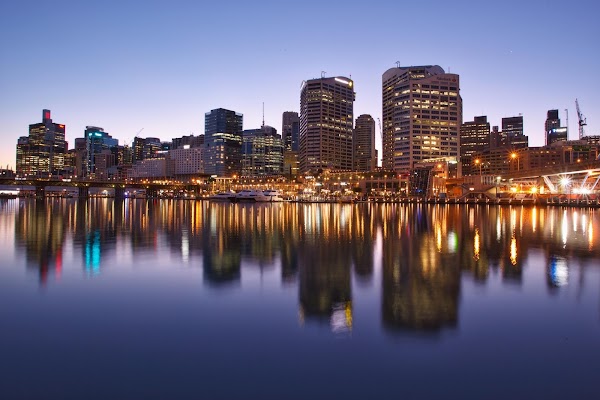
Darling Harbour, a vibrant waterfront precinct in Sydney, New South Wales, Australia, offers an array of attractions and experiences. Nestled on the western outskirts of the city's central business district, it boasts a rich maritime history, with Cockle Bay forming one of its many waterways. The area is home to the Sydney Convention & Exhibition Centre, a renowned venue for major events. Darling Harbour is a haven for entertainment, with attractions such as Madame Tussauds wax museum, SEA LIFE Sydney Aquarium, and WILD LIFE Sydney Zoo. Visitors can embark on a sightseeing cruise or explore the tall ships at the Australian National Maritime Museum. The Chinese Garden of Friendship provides a tranquil oasis amidst the bustling surroundings. Food and beverage experiences abound, with waterfront restaurants, alfresco cafes, and trendy bars lining the harbor's edge. Darling Square, a new food precinct, offers a diverse culinary scene, from Hungarian pastries to Japanese-inspired burgers. Darling Harbour's accessibility is enhanced by its proximity to Town Hall Station and light rail services. Ferries provide convenient connections to Circular Quay and other harborside destinations. The area's lively atmosphere and diverse attractions make it a captivating destination for both locals and tourists alike.Entertainment and Leisure Hub
Darling Harbour, a vibrant waterfront precinct in Sydney, Australia, is a haven for entertainment and leisure seekers. Its iconic attractions include the Sydney Aquarium, home to over 13,000 marine creatures, and WILD LIFE Sydney Zoo, showcasing native Australian wildlife. For an adrenaline rush, visitors can soar through the air on the Harbour Bridge Climb, offering breathtaking panoramic views of the city skyline. The precinct is also a cultural hub, with the Australian National Maritime Museum showcasing Australia's rich maritime history. Art enthusiasts can explore the Museum of Contemporary Art, while music lovers can catch live performances at the ICC Sydney Theatre. The Chinese Garden of Friendship provides a tranquil oasis, inviting visitors to immerse themselves in traditional Chinese architecture and landscaping. Darling Harbour's entertainment options extend beyond its attractions. The precinct boasts a lively dining scene, with waterfront restaurants offering delectable cuisines from around the world. After dinner, visitors can stroll along the picturesque promenade, enjoying the vibrant atmosphere and stunning harbor views. With its diverse offerings, Darling Harbour caters to every taste, making it an unforgettable destination for entertainment and leisure.Culinary Delights
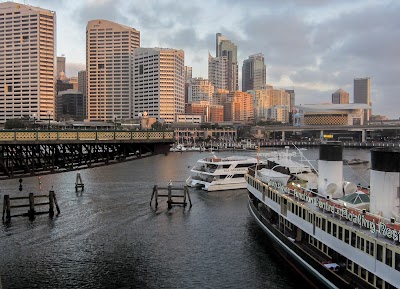
Darling Harbour, a vibrant waterfront precinct in Sydney, Australia, tantalizes taste buds with an array of culinary delights. Shipley Restaurant at Holiday Inn Darling Harbour offers exquisite dining, showcasing Australian and international cuisines with a focus on fresh, seasonal ingredients. The elegant ambience and attentive service create a memorable dining experience. For a more casual affair, explore the Exchange Building in Darling Square, a hub of culinary creativity. Toastie Smith serves mouthwatering sandos, while Spago delights with affordable and delicious pasta. As the sun sets, Cockle Bay Wharf transforms into a vibrant harbor-side precinct. Rouge Sydney, an enchanting jazz venue, and Home the Venue, Sydney's largest nightclub, offer entertainment alongside delectable dining options. Pumphouse Sydney Bar and Restaurant provides a relaxed ambiance to refuel after a day of exploration, offering craft beers and gourmet dishes. For a unique culinary adventure, head to WILD LIFE Sydney Zoo, where you can dine amidst Australian wildlife. Darling Harbour's culinary scene caters to diverse tastes, from fine dining to casual bites, ensuring an unforgettable gastronomic journey.
Experience the Full Tour
Download the DocentPro app to access all tour stops, complete audio narrations in multiple languages, offline maps, and interactive features.