
Sydney's Iconic Landmarks: A Family-Friendly Adventure

Walking Tour

9.2 km (5.7 miles)

2h 19min travel time

15 Stops

Sydney, Australia
Sydney's Iconic Landmarks: A Family-Friendly Adventure
Tour Stops
1
Mrs Macquarie's Chair
View on map
Audio Narrations
Introduction
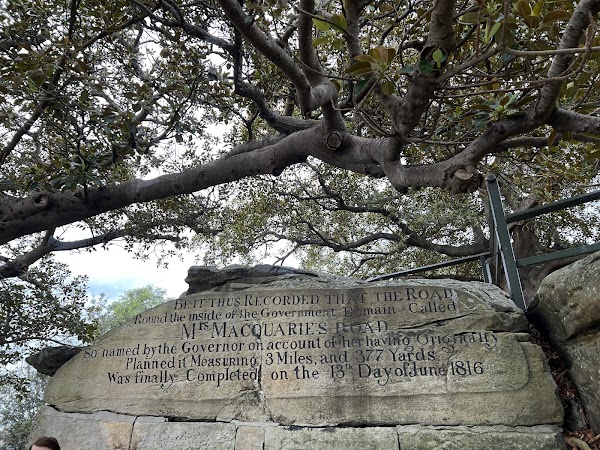
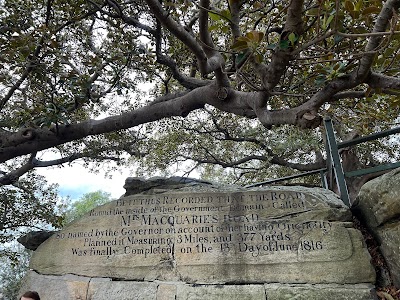
Carved from a sandstone ledge on a peninsula jutting into Sydney Harbour, Mrs Macquarie's Chair is more than just a scenic lookout. Commissioned in 1810 for Elizabeth Macquarie, the wife of Governor Lachlan Macquarie, the bench-like rock formation served as a vantage point from which she could observe ships arriving from England. Known for her keen interest in botany, Mrs. Macquarie also appreciated the spot for its panoramic views of the harbor and the burgeoning colony of Sydney. Today, the site is marked by an inscription on the sandstone and a carved plinth, added later to commemorate the chair's historical significance. The surrounding parkland, still bearing her name, is a popular destination for locals and tourists alike, offering unparalleled views of iconic landmarks like the Sydney Opera House and the Harbour Bridge, a vista that has evolved dramatically since Mrs. Macquarie's time. The enduring appeal of this simple landmark speaks to the enduring legacy of early colonial life in Australia and the woman whose name it bears.Aboriginal Significance
Before European arrival, the land now known as Mrs Macquarie's Point held deep significance for the Gadigal people, the traditional custodians of the land. Known as Yurong Point, it was a place of fishing, gathering, and cultural practice, intricately woven into their daily lives for millennia. While the arrival of Governor Macquarie and the carving of the sandstone bench forever altered the landscape's physical appearance, it could not erase the enduring Aboriginal connection to the site. Though overshadowed by the colonial narrative, evidence of this connection persists. Archaeological remnants, though fragmented by time and development, whisper of a vibrant Indigenous past. The presence of at least two recorded Aboriginal sites within the vicinity of Mrs Macquarie's Point stands as a testament to this enduring heritage. These sites, though their exact nature and details are often kept guarded to protect them from harm, serve as tangible links to the Gadigal people's deep connection to the land. Efforts to acknowledge and preserve this Aboriginal significance are ongoing. While the dominant narrative focuses on the colonial history of Mrs Macquarie's Chair, a growing awareness seeks to integrate and highlight the Aboriginal perspective, recognizing the site's layered past and ensuring the stories of the Gadigal people are not lost but woven into the fabric of the place's identity.Vice-Regal Life
Mrs Macquarie's Chair, a sandstone bench carved into a point with sweeping views of Sydney Harbour, offers a glimpse into the life of early vice-regal consorts. While not residing within the walls of Government House, it provides a tangible link to their experiences. Lady Elizabeth Macquarie, wife of Governor Lachlan Macquarie, is said to have frequented this spot. Removed from the formality of their official residence, Mrs Macquarie found solace in the natural beauty of the area, often spending hours reading and enjoying the panoramic vista. The Chair, therefore, becomes more than just a landmark; it transforms into a symbol of the respite sought by vice-regal consorts from the demands of their public roles. It reflects a time when they actively shaped the social fabric of the colony, their influence extending beyond the confines of Government House. The very existence of Mrs Macquarie's Chair speaks volumes about the role of women within the vice-regal sphere, highlighting their presence and impact on the development of early Sydney. It serves as a reminder of the individuals who, while not officially holding power, played a significant part in shaping the social and cultural landscape of colonial New South Wales.
2
Royal Botanic Garden Sydney
View on map
Audio Narrations
Introduction
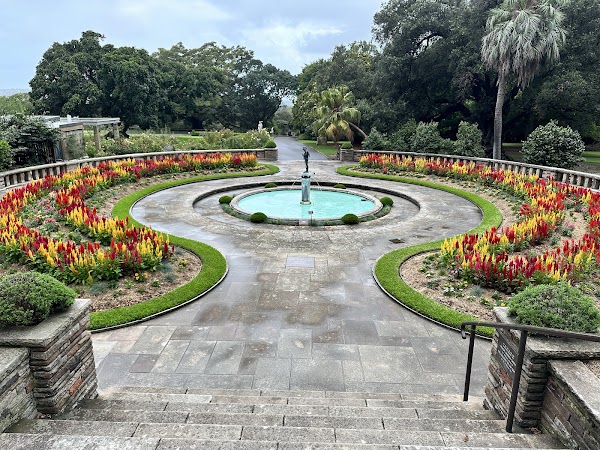
Established in 1816, the Royal Botanic Garden Sydney is Australia's oldest botanic garden and a globally renowned scientific institution. Nestled along the picturesque shores of Sydney Harbour, it encompasses 74 acres of meticulously cultivated land. The garden boasts an extraordinary collection of over 5,000 plant species, with an emphasis on native Australian flora. Its diverse gardens include the Lower Gardens, featuring ponds and exotic species; the Middle Gardens, showcasing the Palm Grove with its internationally significant palm and rainforest collection; the Palace Gardens, home to the Calyx, a contemporary horticultural exhibition space; and the Bennelong Precinct, with its Australian Native Rockery. The garden's National Herbarium houses over 1.2 million plant specimens, including those collected by renowned botanists Banks and Solander during Captain Cook's voyage.National Herbarium
The National Herbarium, a cornerstone of the Royal Botanic Garden Sydney, houses an unparalleled collection of over 1.43 million plant specimens, including 805 gathered by Joseph Banks and Daniel Solander during the historic voyage of HMS Endeavour in 1770. These specimens form the foundation of botanical research in Australia, providing invaluable insights into the diversity and evolution of plant life. The Herbarium's collection encompasses a vast array of plant groups, from flowering plants and conifers to ferns, bryophytes, and fungi, with a particular emphasis on the rich flora of New South Wales. Its state-of-the-art facilities, including specialized vaults and laboratories, ensure the preservation and accessibility of these irreplaceable specimens for generations to come. The Herbarium's digitization project has made over 7,000 specimens available online, allowing researchers and enthusiasts worldwide to access this wealth of botanical knowledge.Biomedical Research
The Royal Botanic Garden Sydney, nestled in the heart of Sydney, New South Wales, Australia, offers a unique perspective on biomedical research through its extensive collection of medicinal plants and ongoing scientific endeavors. The garden's Herbarium, housing over 1.4 million specimens, serves as a valuable resource for researchers studying the medicinal properties of plants. Scientists utilize these specimens to identify and characterize bioactive compounds with potential therapeutic applications. The garden's living collection, comprising over 30,000 plant species, provides a living laboratory for biomedical research. Scientists conduct field studies to investigate the ecological and evolutionary aspects of medicinal plants, contributing to our understanding of their adaptation and resilience. The garden's research facilities, including state-of-the-art laboratories and greenhouses, enable researchers to delve into the molecular mechanisms underlying plant-based therapies. The Royal Botanic Garden Sydney collaborates with leading universities and research institutions, fostering interdisciplinary research and innovation. Scientists explore the potential of medicinal plants in treating various diseases, including cancer, cardiovascular disorders, and neurodegenerative conditions. The garden's commitment to biomedical research extends beyond scientific discoveries; it also involves educating the public about the importance of plant-based medicine and inspiring future generations of scientists.
3
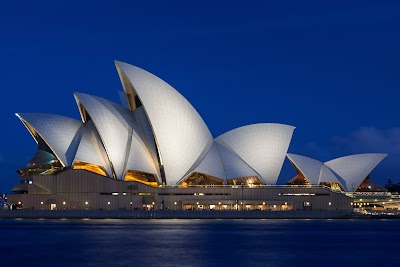
Sydney Opera House
View on map
Audio Narrations
Введение
Сиднейский оперный театр, шедевр архитектуры 20-го века, является многопрофильным центром исполнительских искусств, расположенным на берегу Сиднейской гавани. Его культовая крыша, спроектированная датским архитектором Йорном Утзоном, напоминает серию развевающихся парусов. Внешняя часть здания облицована панелями из розового гранита и имеет тонкий шевронный узор из более миллиона плиток двух оттенков белого. Внутри находится множество концертных площадок, включая концертный зал, театр Джоан Сазерленд и драматический театр, где ежегодно проводится более 1500 представлений. Оперный театр — не только известное архитектурное чудо, но и яркий культурный центр, привлекающий более восьми миллионов посетителей в год.Достопримечательность Сиднея
Сиднейский оперный театр, архитектурное чудо и всемирно известный символ, является свидетельством яркой художественной жизни Сиднея. Его необычный дизайн, напоминающий развевающиеся паруса или перекрывающиеся раковины, стал синонимом городского пейзажа. Оперный театр, детище датского архитектора Йорна Утзона, был завершен в 1973 году после десятилетия строительства и многочисленных споров. Помимо захватывающего внешнего вида, в Оперном театре находится комплекс концертных площадок, включая концертный зал, оперный театр, драматический театр и театр-студию. Каждая площадка спроектирована так, чтобы обеспечить оптимальное акустическое восприятие, отвечая потребностям различных художественных дисциплин. Концертный зал с высокими потолками и теплой деревянной обшивкой славится своей исключительной акустикой, что делает его фаворитом среди любителей классической музыки. Оперный театр, украшенный замысловатыми деталями из сусального золота, является сердцем Оперного театра. В нем было поставлено бесчисленное множество оперных постановок мирового класса, демонстрирующих таланты известных певцов и оркестров. Драматический театр и театр-студия предлагают интимную обстановку для небольших представлений, от современных пьес до экспериментальных танцевальных постановок. Оперный театр — это не просто место для выступлений, это яркий культурный центр, где проводятся выставки, лекции и семинары. Его открытая площадь с панорамным видом на гавань служит популярным местом сбора как для местных жителей, так и для туристов. Уникальный дизайн Оперного театра и его роль культурного маяка укрепили его статус любимой достопримечательности Сиднея, привлекающей миллионы посетителей каждый год.Экспрессионистская архитектура
Сиднейский оперный театр, шедевр экспрессионистской архитектуры, является свидетельством смелого видения датского архитектора Йорна Утзона. Его культовый дизайн бросает вызов общепринятым нормам, представляя собой серию больших сборных бетонных «раковин», напоминающих части сферы. Эти сверкающие белые парусообразные конструкции образуют крышу здания, создавая архитектурное чудо, которое воплощает отказ движения от традиционных форм и принятие эмоционального выражения. Сложная геометрия и органические формы раковин вызывают ощущение текучести и динамизма, улавливая суть экспрессионизма, сосредоточенного на внутреннем опыте и субъективной интерпретации. Взаимодействие света и тени на изогнутых поверхностях усиливает драматическое и эмоциональное присутствие здания, делая его захватывающим примером способности экспрессионистской архитектуры вызывать сильные эмоции и бросать вызов устоявшимся нормам.
4
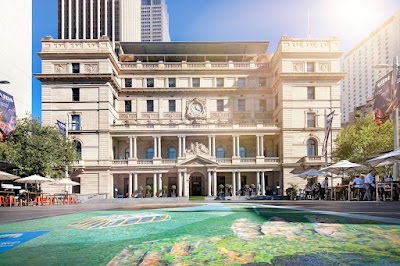
Customs House
View on map
Audio Narrations
Introduction
The Sydney Customs House, a grand sandstone edifice overlooking Circular Quay, stands as a testament to Australia's colonial past and evolving identity. Completed in 1887, its initial role as the nerve center for maritime trade saw fortunes made and empires built on the backs of wool, gold, and cedar. The building's iconic Long Room, once bustling with merchants and clerks, now echoes with a different kind of energy, housing the City of Sydney Library and its treasure trove of historical records. Look closely at the sandstone facade, and you'll discover a series of carvings depicting the exotic flora and fauna of the newly settled land, a subtle nod to the nation's burgeoning identity. Inside, climb the grand marble staircase to discover the intricately designed mosaic floor, a hidden gem often missed by hurried visitors. This fusion of Victorian grandeur and uniquely Australian motifs encapsulates the spirit of a nation coming into its own.Public Space
Customs House in Sydney, New South Wales, Australia, stands as a testament to the evolution of public space. Once the central hub for maritime trade and customs, the building has transformed into a dynamic space for community engagement and cultural exploration. Transferred to the City of Sydney Council in 1994, it gracefully shed its former role as the head office for the Department of Trade and Customs. Today, it welcomes visitors with open arms, inviting them to explore its diverse offerings. The grand atrium, with its helix staircase winding upwards, creates a sense of openness and grandeur, encouraging exploration and discovery. Within its walls, the City of Sydney Library offers a haven for knowledge seekers, while exhibition spaces showcase thought-provoking art and historical displays. The building's transformation extends beyond its walls. Its location at Circular Quay, a bustling public space, further amplifies its accessibility and connection to the city. Visitors can enjoy the seamless transition from the vibrant waterfront to the cultural richness within, highlighting the building's role as a bridge between Sydney's historical significance and its modern, dynamic identity. Customs House stands as a beacon of public access, embodying the spirit of community and shared experiences.Architectural Significance
The Customs House in Sydney, notable for its prominent location on Circular Quay, boasts a rich architectural history shaped by three significant figures in New South Wales architecture. While its initial design, a simple double-storey structure in the Greek Revival style, was conceived by Mortimer Lewis, later renovations and expansions saw the involvement of two other notable architects, Walter Liberty Vernon and James Barnet. Interestingly, despite the changes implemented by Vernon and Barnet, they maintained a sense of architectural coherence by utilizing similar materials and proportions to those used by Lewis, resulting in a unified architectural vocabulary that transcends individual styles. This blend of architectural contributions across different periods is further emphasized by the building's construction materials. The use of sandstone, a common material in Australian architecture, links the Customs House to the colonial history of the country. This material choice, coupled with the building's imposing scale and strategic location overlooking Sydney's bustling harbor, underscores its significance as a symbol of British imperial power and colonial commercial ambition. Today, the Customs House stands as a testament to the evolution of architectural styles and the enduring legacy of these three influential architects, making it a fascinating subject for those interested in Australian architectural history.
5
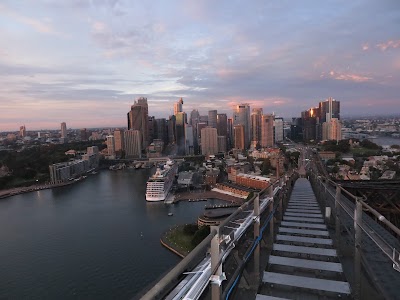
BridgeClimb Sydney
View on map
Audio Narrations
Introduction
Scaling the Sydney Harbour Bridge, affectionately dubbed the "Coathanger" by locals, is an experience unlike any other. Ascending the BridgeClimb Sydney, you're not just privy to breathtaking 360-degree views of the harbor city, but you're also traversing a piece of history. The structure itself, completed in 1932, is an engineering marvel, and the climb offers a unique perspective on its scale and intricate design. As you ascend, your guide will share captivating stories about the bridge's construction, peppered with lesser-known anecdotes and historical insights. Did you know, for instance, that during its construction, a worker actually rode a horse across the unfinished arch? Or that the paint used on the bridge could cover the surface area of 60 football fields? As you reach the summit, 134 meters above sea level, the panoramic vista unfolds before you, encompassing the iconic Opera House, the sprawling cityscape, and the sparkling blue expanse of the harbor.Sydney Harbour Icons
BridgeClimb Sydney offers a unique perspective on Sydney Harbour's icons, allowing you to scale the Sydney Harbour Bridge, a structure deeply intertwined with the city's identity. As you ascend this architectural marvel, you'll gain a new appreciation for its sheer size and its integral role in framing the harbor's beauty. The bridge itself, with its distinctive arch, becomes a central figure in the panoramic vista, connecting the historical Rocks area to the bustling CBD. From this vantage point, the Opera House transforms into a gleaming, sail-like sculpture across the water, while ferries seem to bob like toys below. You'll witness firsthand how the bridge, a symbol of Sydney's ambition and engineering prowess, acts as a uniting element for these iconic landmarks, solidifying their positions within the breathtaking panorama of Sydney Harbour.Panoramic City Views
Ascending the Sydney Harbour Bridge with BridgeClimb offers an unparalleled panorama of Sydney's iconic cityscape. From the summit, 134 meters above sea level, climbers are rewarded with breathtaking 360-degree views, encompassing the sprawling urban landscape, sparkling harbor waters, and verdant parklands. The vantage point provides a unique perspective on Sydney's layout, showcasing the juxtaposition of historic neighborhoods like The Rocks with the modern skyscrapers of the central business district. Gazing eastward, climbers can trace the curve of the coastline from the eastern suburbs to the heads of Sydney Harbour, while a westward glance reveals the expansive suburbs stretching towards the Blue Mountains. The panoramic vista also highlights the architectural marvels that dot the city, including the Sydney Opera House, which appears as a gleaming white sail against the backdrop of the harbor. Whether bathed in the golden hues of sunrise during a Dawn Climb or twinkling under the night sky, the panoramic city views from BridgeClimb Sydney offer an unforgettable perspective on this vibrant Australian metropolis.
6
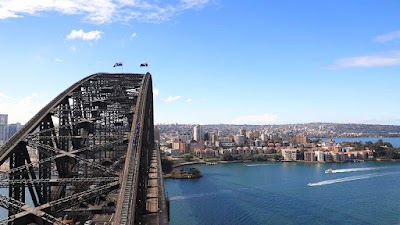
Pylon Lookout
View on map
7
Sydney Harbour Bridge
View on map
Audio Narrations
Introduction
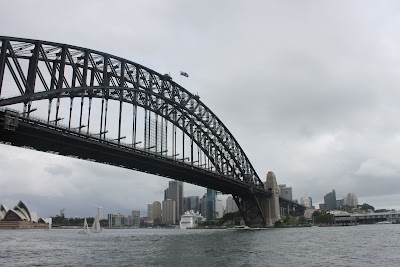
The Sydney Harbour Bridge, an iconic steel arch bridge in Sydney, Australia, spans the Sydney Harbour, connecting the central business district to the North Shore. Its arch, composed of two 28-panel arch trusses, stands 134 meters above mean sea level, making it the tallest steel arch bridge in the world. The bridge's total weight, including the arch and approach spans, is 52,800 tonnes, held together by six million Australian-made hand-driven rivets. At each end of the arch stand a pair of 89-meter-high concrete pylons faced with granite, designed by Scottish architect Thomas S. Tait. The bridge's roadway, known as the Bradfield Highway, is about 2.4 kilometers long, making it one of the shortest highways in Australia. The bridge is not only a vital transportation link but also a beloved landmark, offering breathtaking views of the harbor and the city skyline.Symbol of Australia
Sydney Harbour Bridge, an iconic landmark and a symbol of Australia, stands as a testament to the nation's engineering prowess and architectural grandeur. Its majestic arch, spanning the bustling Sydney Harbour, has become synonymous with the city and the country itself. The bridge's design, inspired by the Hell Gate Bridge in New York City, showcases the influence of global architectural trends while embodying a distinctly Australian spirit. As one of the world's longest steel arch bridges, it represents Australia's commitment to innovation and infrastructure development. The bridge's prominence in countless images and media portrayals has cemented its status as a symbol of Australian identity, recognized and admired worldwide.Infrastructure Masterpiece
Sydney Harbour Bridge, an iconic landmark and engineering marvel, stands as a testament to the city's architectural prowess. Its construction in the 1930s was a testament to the city's rapid growth and the need for efficient transportation. The bridge's design, with its graceful arch and intricate steelwork, has become synonymous with Sydney's skyline. The bridge's construction was a significant undertaking, requiring the collaboration of engineers, architects, and workers. The massive steel structure was fabricated in England and shipped to Australia, where it was assembled on-site. The bridge's design incorporated innovative techniques, including the use of prefabricated steel sections and electric welding, which allowed for faster and more efficient construction. Upon its completion in 1932, Sydney Harbour Bridge was the longest single-span steel arch bridge in the world. Its design has since been replicated in other major cities, including the Bay Bridge in San Francisco and the Tyne Bridge in Newcastle, England. The bridge's strength and durability have been tested over time, withstanding numerous storms and earthquakes. Today, Sydney Harbour Bridge remains a vital piece of infrastructure, carrying both road and rail traffic. It is also a popular tourist destination, with visitors marveling at its engineering prowess and stunning views of the city and harbor. The bridge's iconic status has been cemented through its appearance in countless films, television shows, and other media.
8
Observatory Hill Park
View on map
Audio Narrations
Introduction
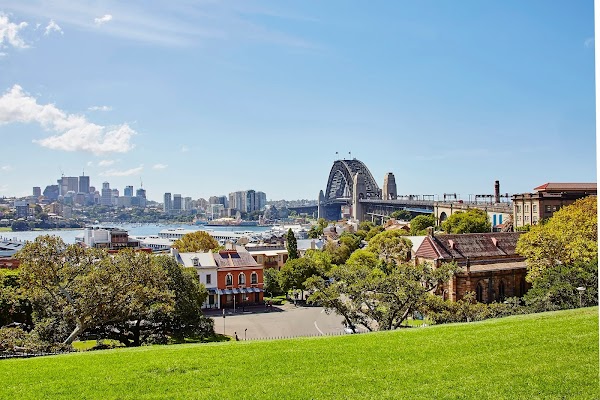
Perched atop one of Sydney Harbour's highest points, Observatory Hill Park offers unparalleled panoramic views of the iconic harbour bridge, the majestic Opera House, and the bustling cityscape beyond. More than just a scenic lookout, the park holds a special place in Sydney's history as the former site of Fort Phillip, a colonial-era defense point. Remnants of this military past, like the stone obelisk marking the original flagstaff position, are subtly woven into the park's landscape. Adding another layer of intrigue, the park takes its name from the Sydney Observatory, a working astronomical observatory established in 1858. Today, visitors can explore the observatory's fascinating exhibits and even participate in night sky viewings, connecting with the site's scientific legacy while under a canopy of stars mirrored in the harbor below. The park's layered history, combined with its breathtaking vistas, creates a uniquely captivating experience.Timekeeping
Observatory Hill Park in Millers Point, New South Wales, Australia, has been intrinsically linked with the precise measurement of time since the 19th century. The site's transformation from a windmill to a fort to, finally, an observatory marked a turning point in the city's relationship with timekeeping. The establishment of the Sydney Observatory in 1858 brought with it the iconic Time Ball Tower. Every day at precisely 1:00 PM, the time ball atop the tower would drop, providing a visual signal of the precise time to the bustling harbor and the city below. This public display of time, a novelty in its day, synchronized Sydney's activities with remarkable accuracy. The time ball's drop was further reinforced by the firing of a cannon, first at Dawes Point and later at Fort Denison, adding an auditory dimension to this public timekeeping ritual. While the cannon fire has ceased, the time ball, remarkably, still drops every day at 1:00 PM, using its original mechanism, though now aided by an electric motor. This enduring symbol of timekeeping, meticulously maintained for over a century and a half, offers a tangible link to Sydney's maritime past and the city's quest for accurate timekeeping in a rapidly developing world.Meteorological Science
Observatory Hill in Millers Point, New South Wales, holds a significant place in Australia's meteorological history. While known for its astronomical observatory, the site's meteorological significance predates even the observatory's construction. Initially known as "Windmill Hill," the area housed the colony's first windmill in the late 18th century. This structure, while short-lived, speaks to the early recognition of the hill's wind exposure, a crucial factor for early wind-powered technology and a foreshadowing of the site's future meteorological importance. The hill's transformation into a meteorological station marked a turning point in Sydney's weather observation capabilities. Though the exact date of the meteorological station's establishment remains unclear from the provided text, its existence highlights the site's continued importance in understanding local weather patterns. Today, while the remnants of the windmill and early meteorological instruments may be gone, Observatory Hill stands as a testament to the long history of meteorological science in Sydney. The site's elevated position, once ideal for windmills and semaphore signaling, provided, and continues to provide, a unique vantage point for observing and understanding Sydney's ever-changing weather patterns.
9
King Street Wharf
View on map
Audio Narrations
Introduction
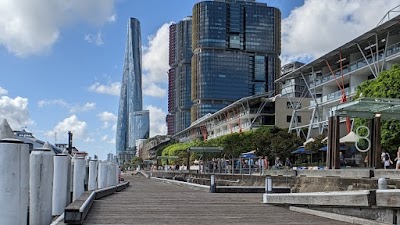
King Street Wharf, nestled along Sydney's iconic harbor, pulsates with a vibrant energy distinct from the city's bustling central business district. This revitalized precinct, once a series of finger wharves handling cargo, now boasts a sophisticated blend of award-winning restaurants, bars with glittering waterfront views, and upscale accommodations. The air hums with a unique blend of leisure and business, as tourists mingle with suited professionals against a backdrop of bobbing yachts and the occasional ferry churning past. Look closely, and you'll notice remnants of the area's industrial past - weathered sandstone foundations and repurposed iron fittings whispering tales of a bygone era. This intriguing juxtaposition of old and new, grit and glamour, makes King Street Wharf a captivating destination. A leisurely stroll along the timber boardwalk reveals hidden laneways teeming with artisan bakeries and independent boutiques, offering a glimpse into the city's evolving character. As the sun dips below the horizon, casting a warm glow on the cityscape, King Street Wharf transforms once again, its energy shifting to the rhythm of live music and the clinking of glasses, a testament to Sydney's infectious joie de vivre.Maritime Heritage
King Street Wharf whispers tales of Sydney's maritime past, hidden beneath its modern facade. Once a bustling hub for cargo ships and passenger liners, the wharf's very foundations hold echoes of a bygone era. The original wharves, constructed in the late 19th century, witnessed the arrival of immigrants seeking new beginnings and the export of Australian wool and wheat that fueled a growing nation. Look closely, and you'll find remnants of this industrious past – weathered bollards that once secured mighty vessels, rusted cranes that hoisted cargo, and sandstone blocks etched with the marks of time and tide. These silent witnesses stand in stark contrast to the sleek yachts and ferries that now grace the harbor, a tangible reminder of the wharf's evolution alongside Sydney's maritime narrative. Though the days of stevedores and sailing ships have faded, King Street Wharf continues to honor its heritage, offering glimpses into a time when the city's fortunes were inextricably linked to the sea.Sydney Opera House Views
King Street Wharf doesn't just offer a front-row seat to Sydney's bustling harbor life, it provides a uniquely framed perspective of the iconic Sydney Opera House. Imagine this: you're strolling along the wharf, the aroma of fresh seafood wafting from nearby restaurants, and there, nestled across the water, is the Opera House. Its white sails seem to rise from the harbor, perfectly framed by the modern cityscape behind it. This isn't the classic postcard view; it's a dynamic, modern perspective that captures the juxtaposition of Sydney's past and present. The setting sun casts a warm glow on the Opera House, its reflection shimmering in the harbor waters, creating a breathtaking spectacle best enjoyed from one of King Street Wharf's many waterfront restaurants or bars. As ferries glide across the harbor, leaving trails of sparkling water in their wake, you realize that King Street Wharf offers more than just a view – it offers a dynamic, ever-changing perspective of Sydney's most recognizable landmark.
10
SEA LIFE Sydney Aquarium
View on map
Audio Narrations
Introduction
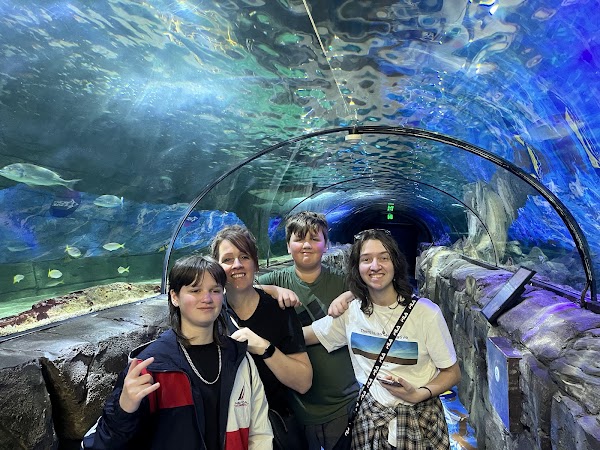
SEA LIFE Sydney Aquarium, located in the heart of Darling Harbour, is a captivating underwater journey showcasing Australia's diverse marine life. With over 700 species and 13,000 creatures, it's one of the world's largest aquariums, renowned for its extensive collection of sharks and rays. Visitors embark on a thematic exploration, traversing the Jurassic Seas, Sydney Harbour, and Dugong Island. The majestic Shark Valley, an underwater tunnel walk-through, offers close encounters with Grey Nurse Sharks and giant Stingrays. The Great Barrier Reef zone captivates with its vibrant coral reefs and marine turtles. The aquarium's commitment to conservation extends beyond its exhibits, with research partnerships and initiatives focused on endangered species breeding and environmental protection.Shark Valley Oceanarium
Shark Valley Oceanarium, a breathtaking realm within SEA LIFE Sydney Aquarium, transports visitors into the heart of a marine ecosystem teeming with apex predators and graceful rays. As you venture through the underwater tunnel, marvel at the sleek forms of lemon sharks, gray nurse sharks, zebra sharks, and eagle rays gliding effortlessly above. These magnificent creatures, some weighing over 300 kilograms and stretching over 3 meters in length, command respect and awe. The oceanarium's expansive design allows for an immersive experience, bringing you face-to-face with these marine giants. Witness the mesmerizing dance of eagle rays as they soar through the water, their wingspans reaching impressive widths. Observe the stealthy movements of gray nurse sharks, their formidable presence a testament to their ancient lineage. The oceanarium also houses a diverse array of other marine species, including shovelnose rays, creating a vibrant and dynamic underwater landscape. Beyond the thrilling encounters with sharks and rays, Shark Valley Oceanarium offers a unique glimpse into the skeletal remains of a colossal whale, a testament to the vastness and power of the ocean. The tumbled-down ruins of an ancient stone temple add an enigmatic touch, hinting at the hidden depths of the marine world. For the truly adventurous, the oceanarium offers an unforgettable shark dive experience, allowing visitors to interact with these apex predators in a controlled and safe environment.Dugong Island
Dugong Island at SEA LIFE Sydney Aquarium is a captivating sanctuary dedicated to the gentle and enigmatic dugong, Pig. Rescued from the shores of North Queensland, Pig's heartwarming story has endeared him to visitors and locals alike. Dugong Island offers a unique opportunity to observe this remarkable creature up close, along with a diverse array of other marine life. The island's underwater viewing tunnels provide an immersive experience, allowing visitors to witness Pig's graceful movements and feeding habits. Above-water viewing areas offer panoramic vistas of the dugong's habitat, where visitors can marvel at its distinctive features and learn about its conservation status. Dugong Island is not just home to Pig; it also houses a vibrant community of White Spotted Eagle Rays, Bamboo Sharks, and a myriad of tropical fish. These diverse species coexist harmoniously, creating a captivating underwater ecosystem. Visitors can engage with the marine life at the Discovery Rockpool, where they can touch and learn about sea stars, sea urchins, and other fascinating creatures. SEA LIFE Sydney Aquarium's commitment to research and conservation extends to Dugong Island. The aquarium collaborates with leading institutions to study dugongs and their habitats, contributing to the understanding and protection of these gentle giants. By visiting Dugong Island, visitors not only witness the beauty of marine life but also support vital conservation efforts.
11

WILD LIFE Sydney Zoo
View on map
12
Pyrmont Bridge
View on map
Audio Narrations
Introduction
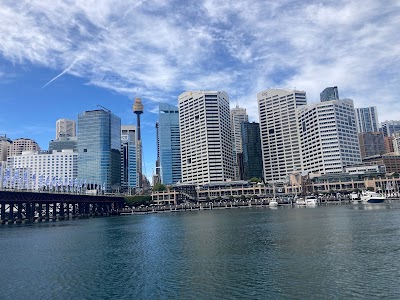
The Pyrmont Bridge, a majestic steel cantilever bridge in Sydney, Australia, gracefully spans the bustling Darling Harbour. Completed in 1902, it stands as a testament to the city's industrial heritage, once serving as a vital link for transporting goods and materials. Its unique design features a central cantilever section flanked by two truss spans, creating a visually striking silhouette against the Sydney skyline. The bridge's construction was a remarkable feat of engineering, employing innovative techniques and materials for its time. Its intricate latticework and riveted steel beams showcase the craftsmanship of the era. Today, the Pyrmont Bridge has been transformed into a pedestrian walkway, offering stunning views of the harbour and the city beyond. Visitors can stroll along its wide promenade, enjoying the vibrant atmosphere and the gentle sea breeze. As the sun sets, the bridge illuminates with a kaleidoscope of colours, casting a mesmerizing glow on the surrounding waters. Its transformation from a workhorse of industry to a beloved leisure destination embodies Sydney's evolution as a modern metropolis. The Pyrmont Bridge stands as a symbol of the city's rich history and its embrace of progress, forever etched in the hearts of Sydneysiders and visitors alike.Heritage Significance
Pyrmont Bridge: A Heritage Icon in Sydney's Urban Landscape Pyrmont Bridge, gracefully arching over Darling Harbour in Sydney, embodies a rich tapestry of heritage significance. Its story intertwines with the evolution of Sydney itself, reflecting the city's industrial past, changing transportation needs, and enduring architectural legacy. Completed in 1902, Pyrmont Bridge stands as a testament to the ingenuity and ambition of its era. Designed by renowned engineer John Bradfield, the bridge was a marvel of its time, boasting the longest single-span concrete arch in the world. This innovative design not only facilitated efficient transportation but also minimized disruption to the bustling harbor below. Beyond its engineering prowess, Pyrmont Bridge holds cultural significance as a symbol of Sydney's industrial heritage. Its construction coincided with the city's transformation into a major industrial hub, connecting the burgeoning Pyrmont peninsula with the city center. The bridge served as a vital artery for transporting goods and workers, playing a pivotal role in shaping Sydney's economic landscape. Today, Pyrmont Bridge has transcended its utilitarian origins to become a cherished landmark. Its elegant silhouette and intricate detailing have earned it a listing on the New South Wales State Heritage Register. The bridge stands as a reminder of Sydney's industrial past, a testament to the city's engineering ingenuity, and a captivating symbol of its evolving urban landscape. As Sydney continues to grow and transform, Pyrmont Bridge remains a steadfast sentinel, its heritage significance woven into the very fabric of the city. It serves as a reminder of the past, a testament to the present, and a beacon for the future, ensuring that Sydney's rich history continues to inspire and shape its ever-evolving identity.Engineering Marvel
The Pyrmont Bridge, a marvel of engineering ingenuity, stands as a testament to human innovation and the ability to conquer geographical constraints. Completed in 1902, this double-decked cantilever bridge, spanning the bustling waters of Darling Harbour in Sydney, Australia, was a groundbreaking feat of its time. Its unique design, featuring a cantilever truss system supported by massive granite towers, allowed for the construction of a bridge with minimal impact on the busy harbour below. The bridge's cantilever design, a pioneering concept in bridge construction, enabled the creation of a long span without the need for intermediate supports. This innovative approach allowed for the unobstructed passage of ships through the harbour, making it a vital artery for Sydney's maritime trade. The bridge's construction involved the use of over 5,000 tons of steel and 3,000 cubic meters of granite, a testament to the scale and complexity of the project. The Pyrmont Bridge's engineering marvel extends beyond its structural design. Its double-decked configuration, with a lower deck for trams and a higher deck for pedestrians and vehicles, was a revolutionary concept that maximized the bridge's functionality and capacity. The bridge's intricate latticework and decorative elements, inspired by the Art Nouveau style, added an aesthetic dimension to its engineering prowess. Today, the Pyrmont Bridge stands as a symbol of Sydney's industrial heritage and a reminder of the city's pioneering spirit. Its unique design and engineering achievements continue to inspire engineers and architects worldwide, solidifying its place as a true engineering marvel.
13
Cockle Bay Wharf
View on map
14
Tumbalong Park
View on map
15
Darling Harbour
View on map
Audio Narrations
Introduction
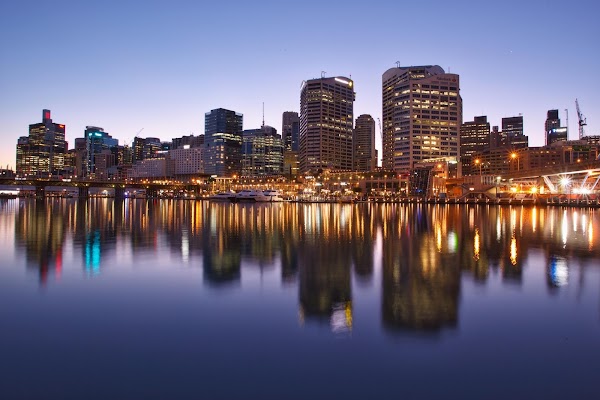
Darling Harbour, a vibrant waterfront precinct in Sydney, New South Wales, Australia, offers an array of attractions and experiences. Nestled on the western outskirts of the city's central business district, it boasts a rich maritime history, with Cockle Bay forming one of its many waterways. The area is home to the Sydney Convention & Exhibition Centre, a renowned venue for major events. Darling Harbour is a haven for entertainment, with attractions such as Madame Tussauds wax museum, SEA LIFE Sydney Aquarium, and WILD LIFE Sydney Zoo. Visitors can embark on a sightseeing cruise or explore the tall ships at the Australian National Maritime Museum. The Chinese Garden of Friendship provides a tranquil oasis amidst the bustling surroundings. Food and beverage experiences abound, with waterfront restaurants, alfresco cafes, and trendy bars lining the harbor's edge. Darling Square, a new food precinct, offers a diverse culinary scene, from Hungarian pastries to Japanese-inspired burgers. Darling Harbour's accessibility is enhanced by its proximity to Town Hall Station and light rail services. Ferries provide convenient connections to Circular Quay and other harborside destinations. The area's lively atmosphere and diverse attractions make it a captivating destination for both locals and tourists alike.Entertainment and Leisure Hub
Darling Harbour, a vibrant waterfront precinct in Sydney, Australia, is a haven for entertainment and leisure seekers. Its iconic attractions include the Sydney Aquarium, home to over 13,000 marine creatures, and WILD LIFE Sydney Zoo, showcasing native Australian wildlife. For an adrenaline rush, visitors can soar through the air on the Harbour Bridge Climb, offering breathtaking panoramic views of the city skyline. The precinct is also a cultural hub, with the Australian National Maritime Museum showcasing Australia's rich maritime history. Art enthusiasts can explore the Museum of Contemporary Art, while music lovers can catch live performances at the ICC Sydney Theatre. The Chinese Garden of Friendship provides a tranquil oasis, inviting visitors to immerse themselves in traditional Chinese architecture and landscaping. Darling Harbour's entertainment options extend beyond its attractions. The precinct boasts a lively dining scene, with waterfront restaurants offering delectable cuisines from around the world. After dinner, visitors can stroll along the picturesque promenade, enjoying the vibrant atmosphere and stunning harbor views. With its diverse offerings, Darling Harbour caters to every taste, making it an unforgettable destination for entertainment and leisure.Culinary Delights
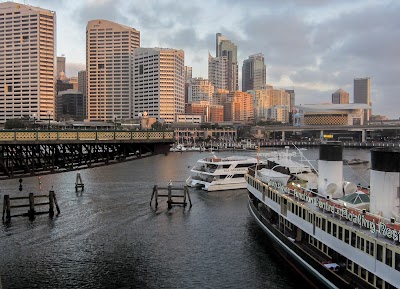
Darling Harbour, a vibrant waterfront precinct in Sydney, Australia, tantalizes taste buds with an array of culinary delights. Shipley Restaurant at Holiday Inn Darling Harbour offers exquisite dining, showcasing Australian and international cuisines with a focus on fresh, seasonal ingredients. The elegant ambience and attentive service create a memorable dining experience. For a more casual affair, explore the Exchange Building in Darling Square, a hub of culinary creativity. Toastie Smith serves mouthwatering sandos, while Spago delights with affordable and delicious pasta. As the sun sets, Cockle Bay Wharf transforms into a vibrant harbor-side precinct. Rouge Sydney, an enchanting jazz venue, and Home the Venue, Sydney's largest nightclub, offer entertainment alongside delectable dining options. Pumphouse Sydney Bar and Restaurant provides a relaxed ambiance to refuel after a day of exploration, offering craft beers and gourmet dishes. For a unique culinary adventure, head to WILD LIFE Sydney Zoo, where you can dine amidst Australian wildlife. Darling Harbour's culinary scene caters to diverse tastes, from fine dining to casual bites, ensuring an unforgettable gastronomic journey.
Experience the Full Tour
Download the DocentPro app to access all tour stops, complete audio narrations in multiple languages, offline maps, and interactive features.