Busan's Historical & Cultural Gems
Source:
@胃公子 | 胃酸人生活


13 places on the map
Explore the map in the DocentPro app13 places in Busan: Gwangbok-ro Fashion Street, Gukje Market, Busan Modern and Contemporary History Museum, and 10 more. Every place is verified on Google Maps, featured in a YouTube post by 胃公子 | 胃酸人生活.
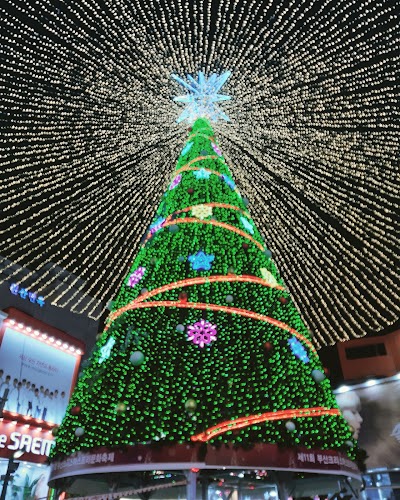
Gwangbok-ro Fashion Street

Landmark

4.2
This is Busan's busiest shopping street, filled with numerous shops and boutiques, making it an ideal spot for fashion enthusiasts and shoppers. It's a vibrant area perfect for exploring the latest trends and finding unique items. The street is particularly lively, especially in the evenings.
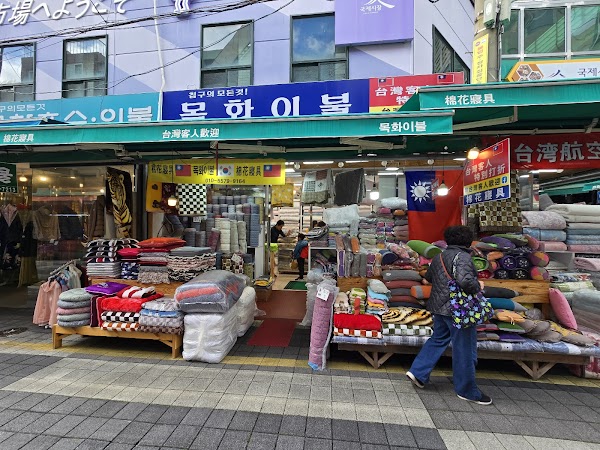
Gukje Market

Market
4.1
Gukje Market, also known as International Market, was formed after the Korean War as a hub for goods traded by refugees and US military personnel. While it has become quieter over time, it still offers a diverse range of products from clothing and accessories to household items, reflecting its historical role as a melting pot of international goods. It's a place to explore and find unique items or bargains.
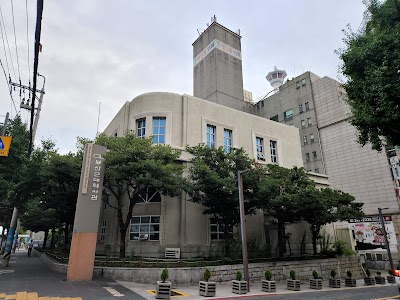
Busan Modern and Contemporary History Museum
History museum
4.2
Originally built in 1929 as the Busan branch of the Oriental Development Company during the Japanese colonial period, this building later served as the American Cultural Center. After the Gwangju Democratization Movement, the building was set on fire by protesting students, reflecting anti-American sentiment. Rebuilt by the Korean government, it now functions as a modern history museum, offering insights into Busan's past. Visitors can explore the well-preserved architecture and historical exhibits.
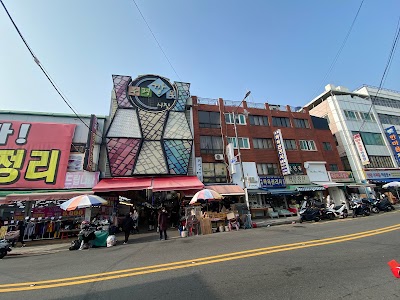
Bupyeong Kkangtong Market
Market
4.1
Established during the Korean War, this market gets its name from selling canned goods supplied by the US military. Today, it's a bustling night market known for its street food, particularly spicy stir-fried rice cakes (Tteokbokki) and fried pork ribs. It's often compared to Taiwan's Shilin Night Market due to its lively atmosphere and variety of small eats, making it a great spot for an evening meal.
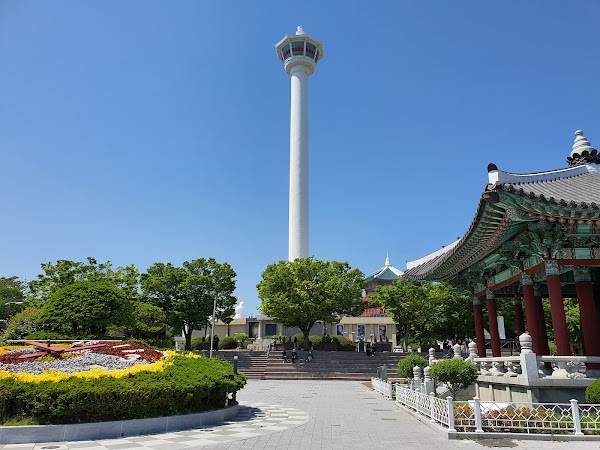
Yongdusan Park
Park
4.3
This scenic park offers panoramic views of Busan, including the harbor and the cityscape from the top of the mountain. It's home to the Busan Tower, various statues including Admiral Yi Sun-sin, and the traditional Palgakjeong pavilion. The park is a popular spot for both relaxation and cultural exploration, especially for its historical significance related to the Japanese presence in the region. The park is accessible via a long escalator from Gwangbok-ro.
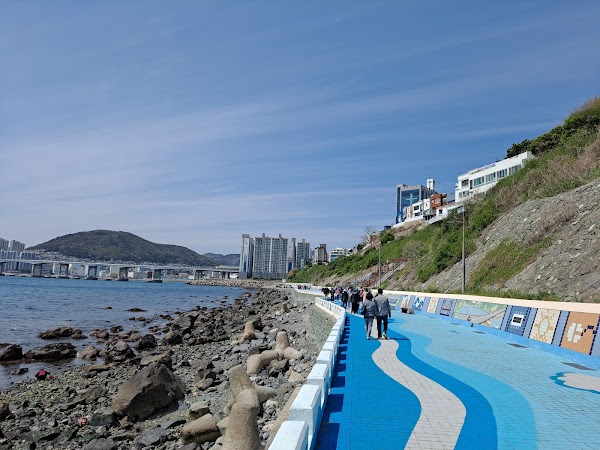
Huinnyeoul Culture Village
Landmark
4.4
This unique village is characterized by houses built around old tombstones, reflecting its origins as a settlement for Korean War refugees. Many houses are constructed with materials from dismantled Japanese graves, and the village has a distinct, maze-like layout. It's a quiet, residential area with a strong sense of history, offering a glimpse into the resilient spirit of Busan's past residents. Visitors are encouraged to explore respectfully and be mindful of the local community.
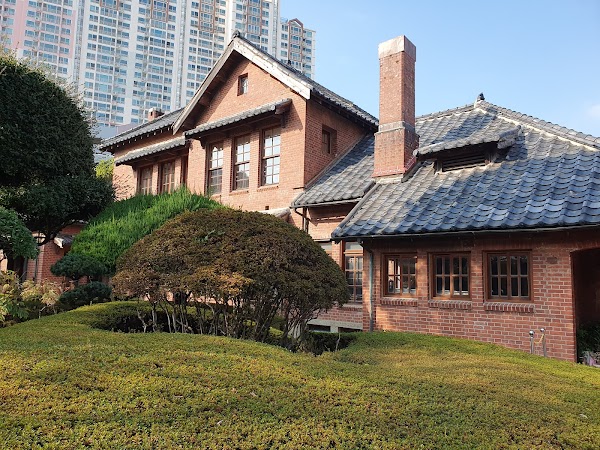
Provisional Capital Memorial Hall
Museum
4.4
This memorial hall served as the official residence for former Korean president Syngman Rhee during the Korean War when Busan was the temporary capital. The architecture blends Japanese and Western styles from the Japanese colonial era. Visitors can explore the preserved interiors and a small exhibition center that showcases the lives of refugees in Busan during the war.
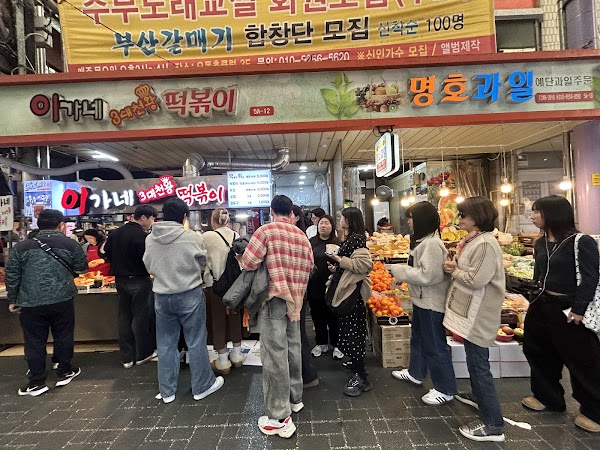
Leegane Tteokbokki

Korean restaurant
3.8
A well-known vendor within the Bupyeong Kkangtong Market, specializing in spicy stir-fried rice cakes (Tteokbokki) and other Korean street foods. This stall offers affordable and authentic local flavors, popular with both residents and tourists seeking a hearty, simple meal.
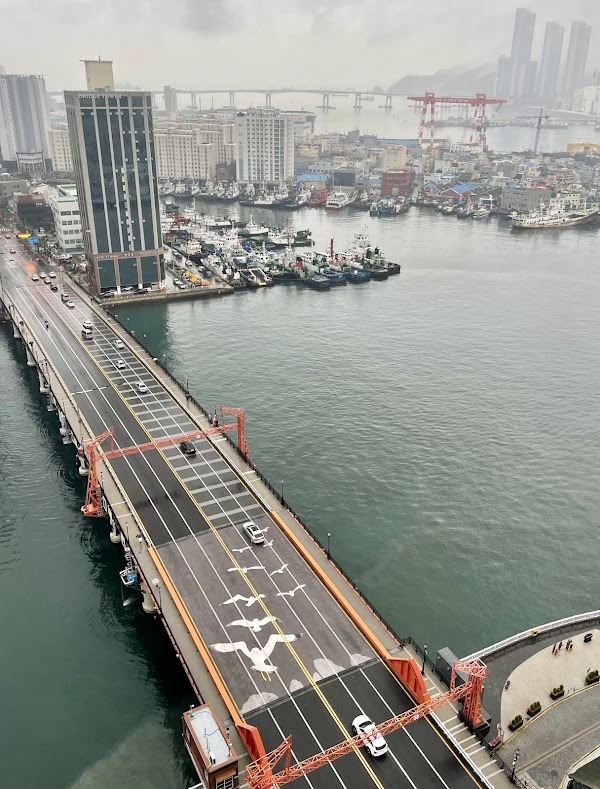
Yeongdo Bridge
Bridge
4.4
The Yeongdodaegyo Bridge is a historical bascule bridge connecting Yeongdo Island to the mainland in Busan, famously opening its central span once a day. Built during the Japanese colonial period, it's an iconic landmark and a popular spot for locals and tourists to witness the bridge opening, typically on Saturdays at 2:00 PM. It offers scenic views of the surrounding harbor and is often a lively area.
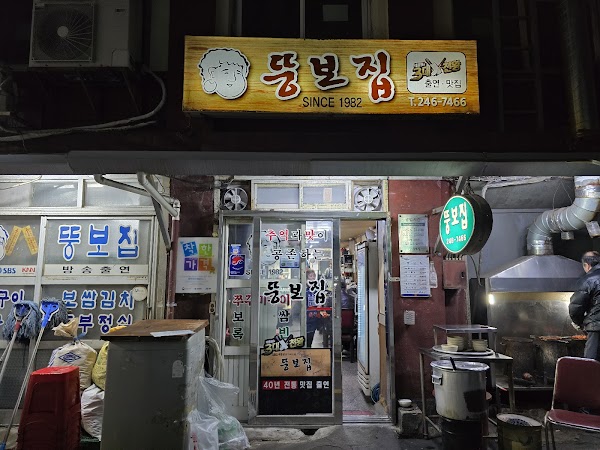
Fatty's House
Korean restaurant
3.9
Established in 1982, this popular restaurant in Busan is known for its authentic local cuisine, including grilled baby octopus (Jukkumi), boiled pork belly (Bossam), and mung bean pancakes (Bindae-tteok). The Jukkumi is praised for its rich, smoky flavor and spicy kick, while the Bossam offers tender pork with a fresh, clean taste when paired with kimchi. It's a long-standing establishment that attracts both locals and visitors, perfect for an evening meal.
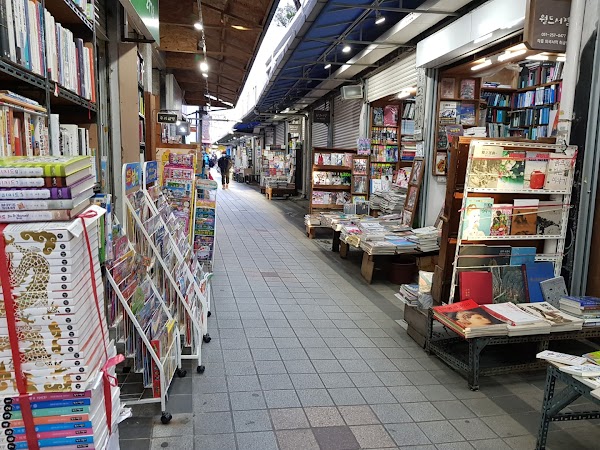
Bosu Book Street
Landmark
4.1
This unique alley in Busan is famous for its concentration of secondhand bookstores, a tradition that began during the Korean War when refugees sold personal books. While the number of shops has decreased over the years, it remains a charming and historic area for book lovers to browse old books and magazines. Look for the
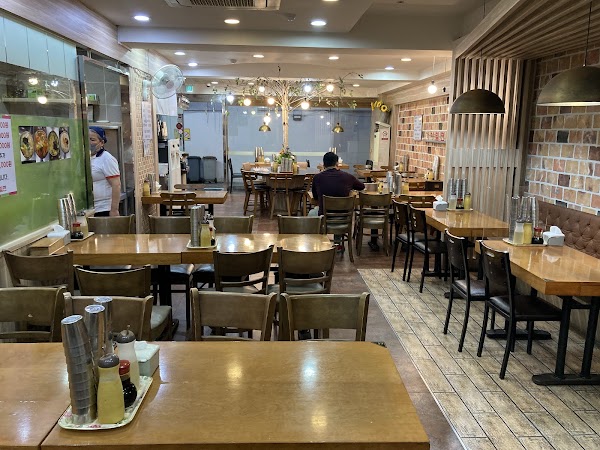
Halmae Gaya Milmyeon
Korean restaurant
3.9
This long-standing restaurant in Busan is renowned for its Milmyeon (wheat noodles), a local specialty that originated from North Korean refugees using wheat flour provided by the US military during the Korean War. The restaurant offers both water-based (Mul Milmyeon) and spicy mixed (Bibim Milmyeon) versions. It's praised for its refreshing and clean flavors, making it a popular spot for both locals and tourists looking for a taste of Busan's culinary history.
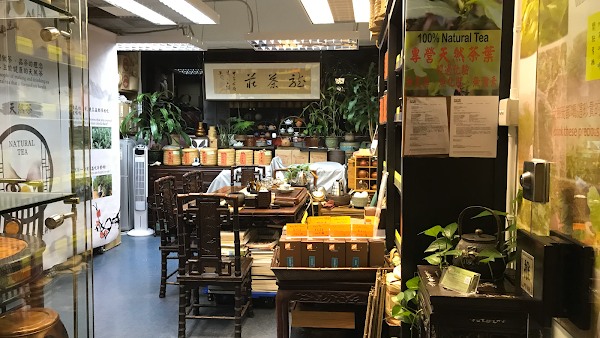
Dragon Tea House
Tea store
5.0
Located within Yongdusan Park, this traditional Korean tea house offers stunning views of Busan, including the harbor and the surrounding cityscape. It's a tranquil spot to enjoy traditional Korean tea and local desserts while taking in the beautiful scenery from its elevated position.
Save these 13 places to your map
Keep every place on your own map in DocentPro, and add more as you browse.
More featured places in Busan

Yeongdo Island's Cafes, Culture, and Coastal Charm
Taejongdae Resort Park, Busan, Huinnyeoul Culture Village, Yengdo Jonaegi Sweet Potato History Museum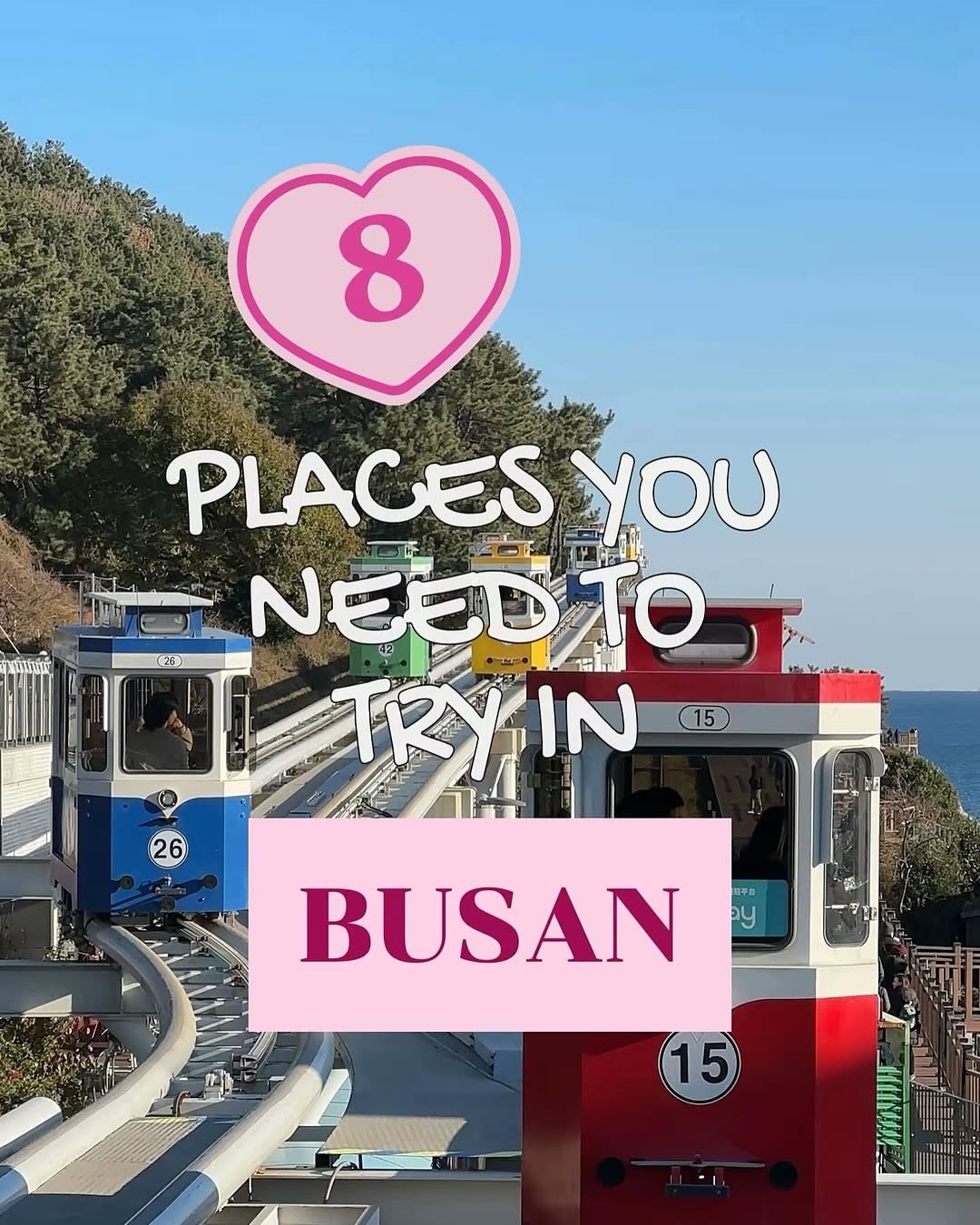
Busan's Markets and Coffee Shops
Jagalchi Market, Haeundae Traditional Market, TIDE Coffee Roasters
Busan's Beaches, Markets, and Shopping Hubs
Gwangalli Beach, Busan Modern and Contemporary History Museum, BIFF Square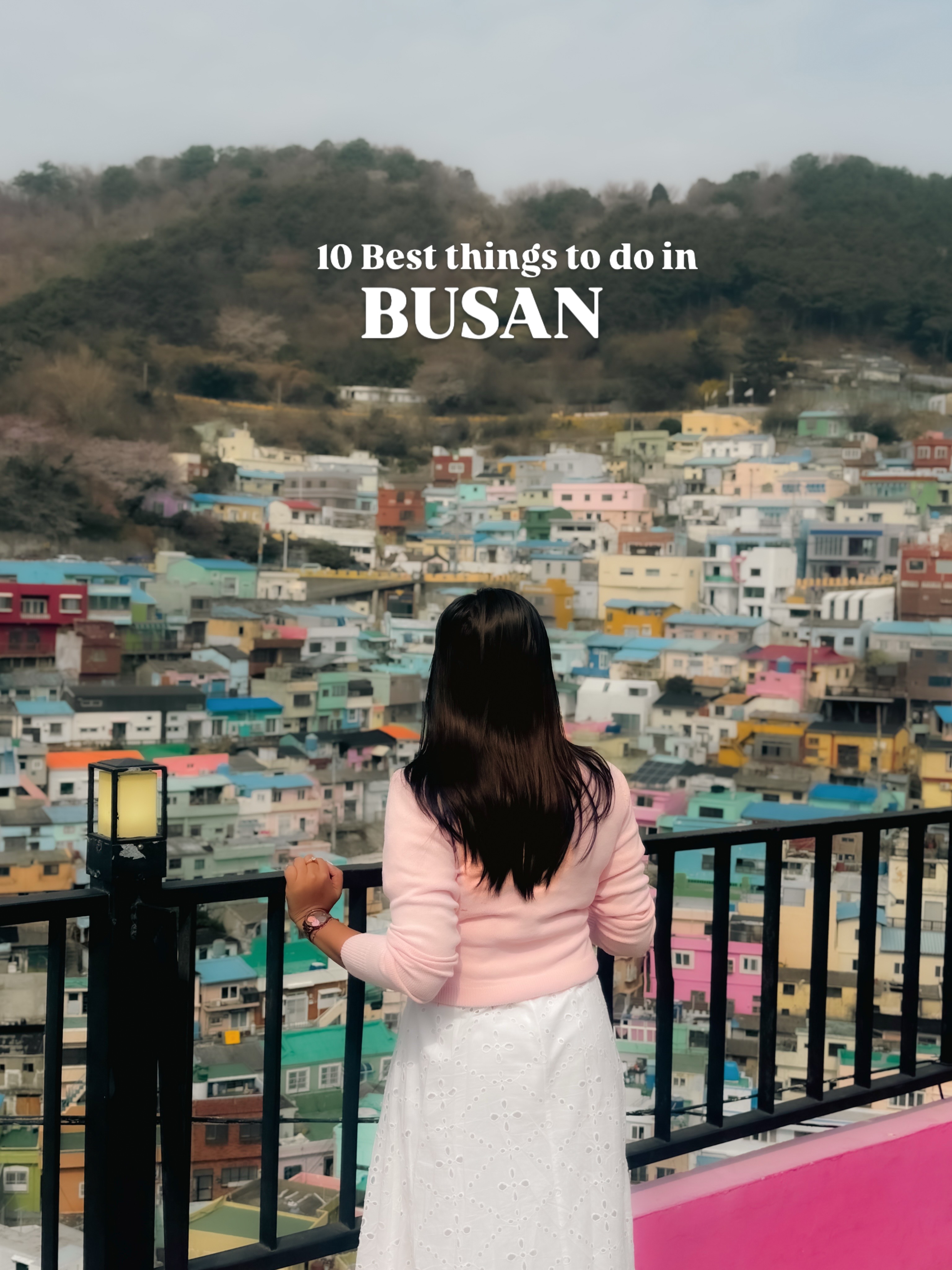
Busan: Coastal City Charm and Colorful Neighborhoods
Gwangalli Beach, Gamcheon Culture Village, Busan, Haedong Yonggungsa Temple, Busan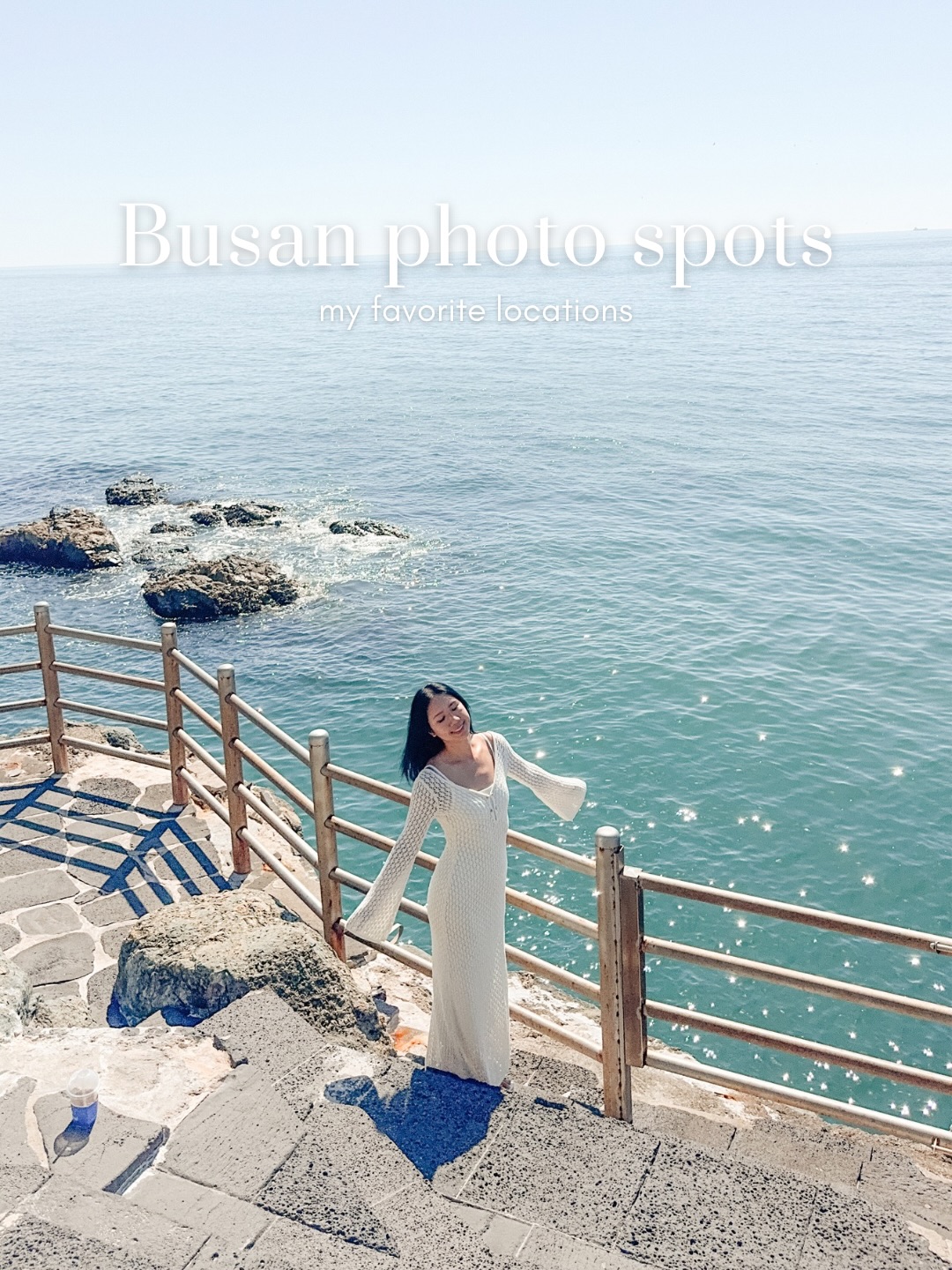
Busan's Scenic Spots and Cultural Gems
Gwangalli Beach, Gamcheon Culture Village, Busan, Oryukdo Skywalk