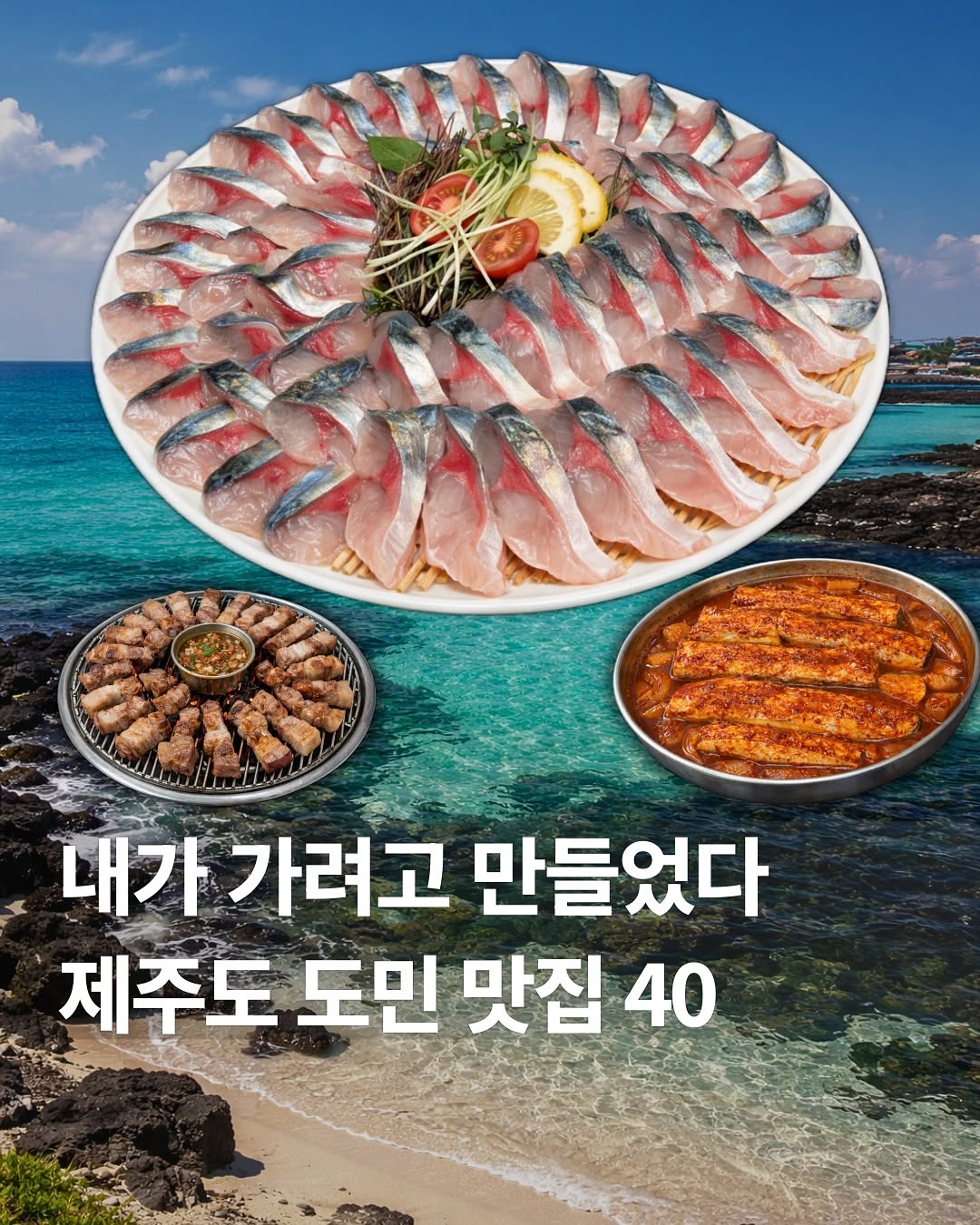
Jeju Island's Top Natural Wonders And Attractions
Source:
@visitkorea.us


Save places straight from any post.
Share an Instagram, TikTok, YouTube, Facebook, Google Maps or web link to DocentPro and every place in it lands on your map. This post became these 8.

8 places on the map
Explore the map in the DocentPro app8 attractions in Jeju-do: Jeju Stone Park, Seopjikoji, Udo, and 5 more. Every place is verified on Google Maps, featured in an Instagram post by Korea Tourism Org. USA.
Jeju Stone Park

Park

4.4
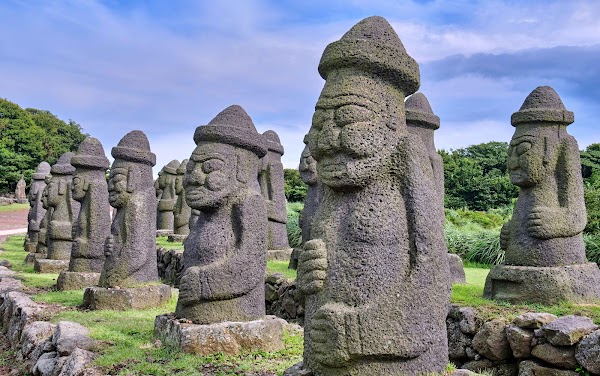
Wander through this open-air park north of Hallasan, dedicated to Jeju's volcanic stone and the creation myth of Seolmundae. Experience the unique landscape of basalt fields and stone figures, especially captivating after a rare snowfall.
Seopjikoji
Place
4.4
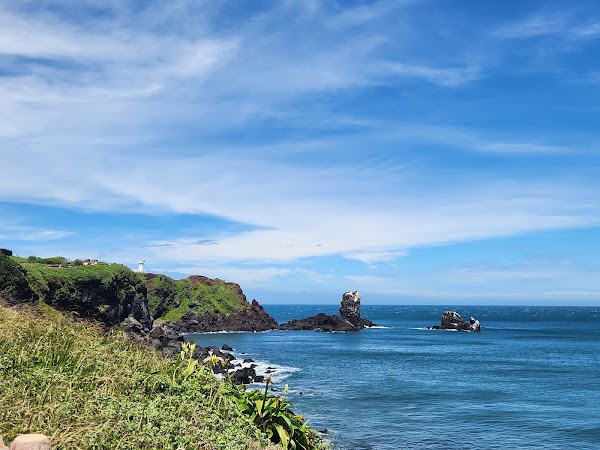
Discover this rocky cape on Jeju's east coast, featuring a lighthouse and open pastures. In early spring, the headland transforms with vibrant canola blossoms, painting the landscape gold against the sea.
Udo
Natural feature
4.4
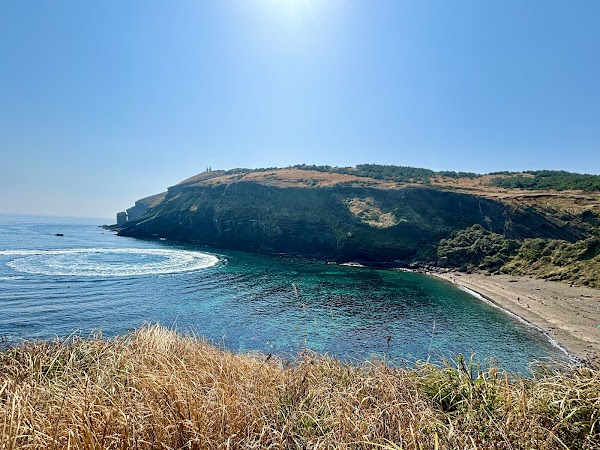
Explore Udo, a small island off Jeju's east coast, named for its resemblance to a reclining cow. Take a quick ferry from Seongsan to discover Geommeolle Beach, where black volcanic sand meets clear water beneath coastal cliffs.
Hallasan
Natural feature
4.7
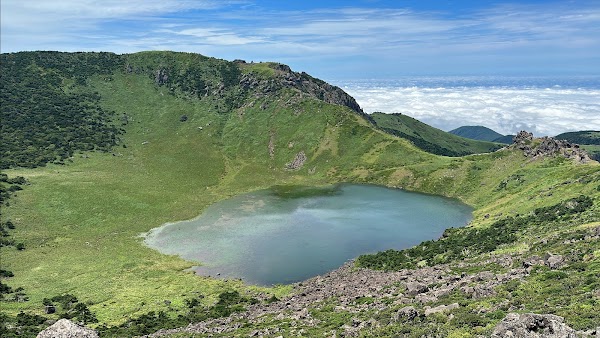
Conquer South Korea's highest peak, a UNESCO World Heritage site at the heart of Jeju. The summit crater lake, Baengnokdam, crowns a full-day climb, offering rare snow views above the island's palm-lined lower slopes.
Seogwi Dawon

Cafe
4.5
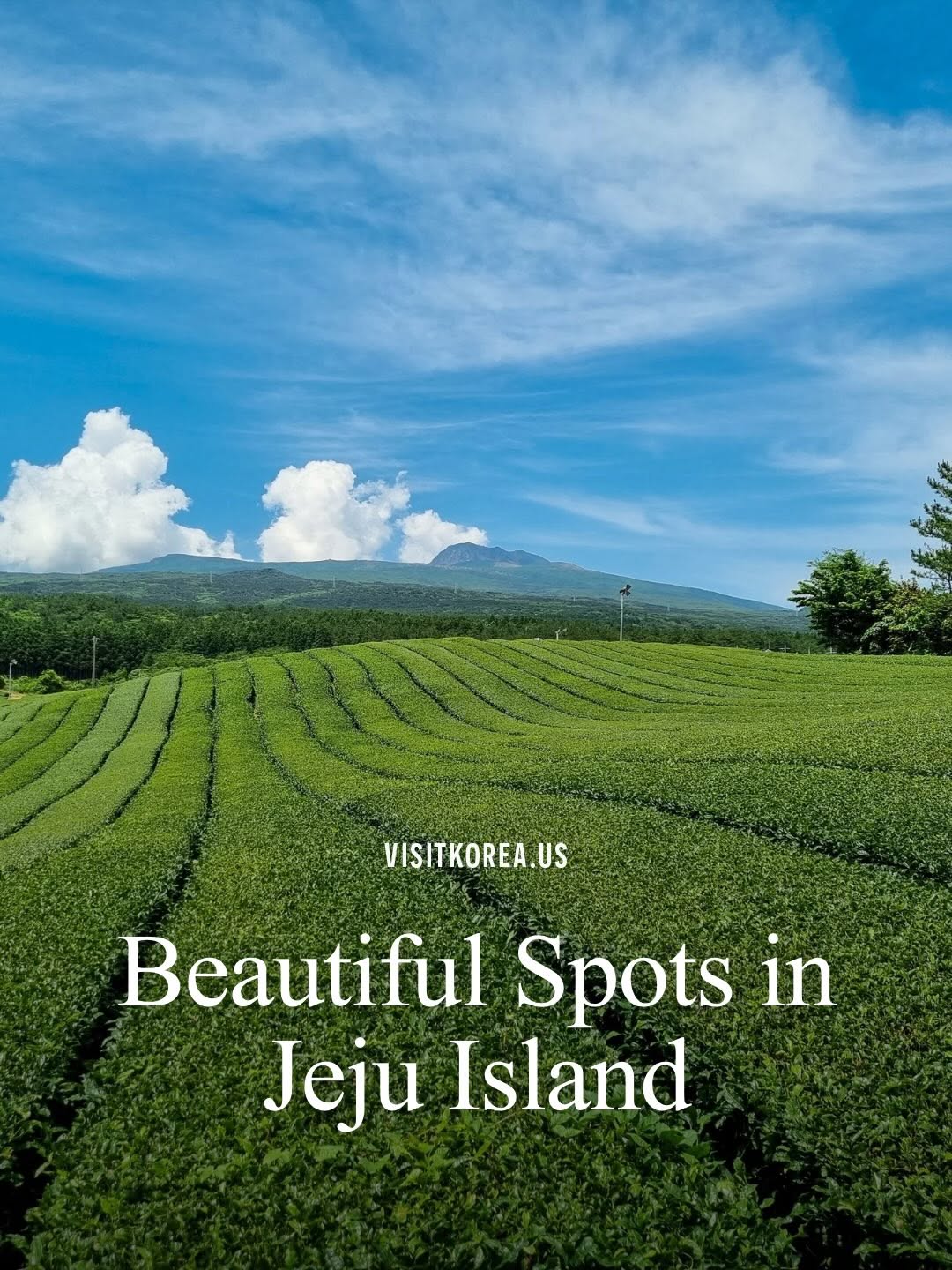
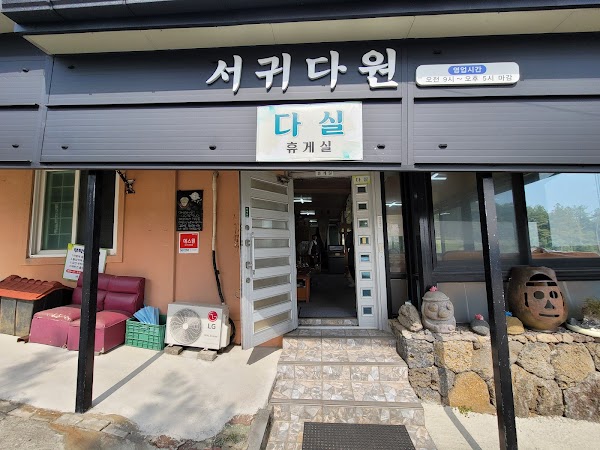
Explore the lush green tea plantations on Hallasan's southern slopes. The volcanic soil and mild climate create an ideal environment for tea cultivation, offering picturesque rows of tea curving across the hillside.
Camellia Forest

Landmark
4.0
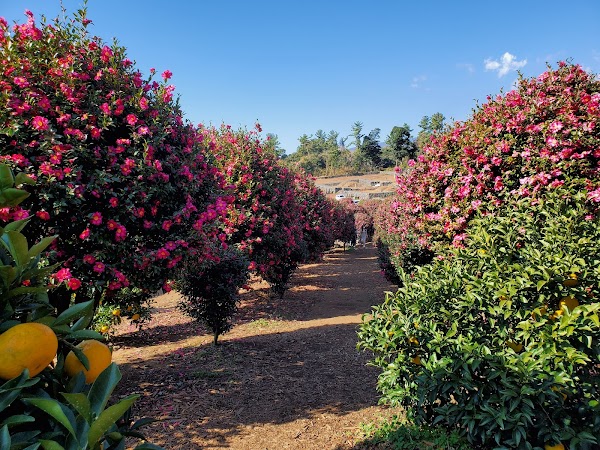
Immerse yourself in this camellia garden in southeast Jeju, where hundreds of trees are meticulously clipped into rounded domes. From late winter, the domes burst with deep pink blossoms, best viewed from the elevated viewing deck.
Gapado
Natural feature
4.5
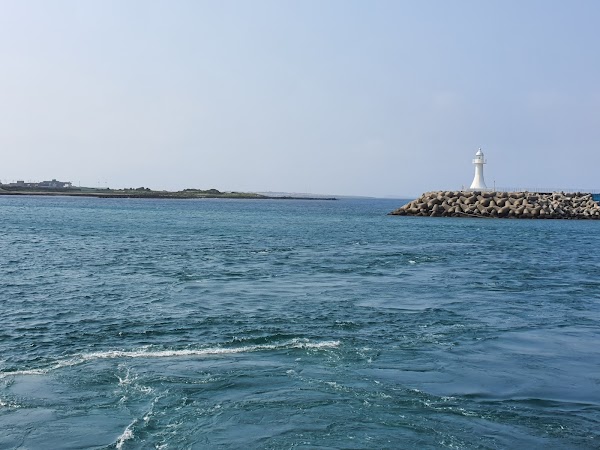
Visit this low, flat islet between Jeju and Marado, accessible by a short ferry from Unjin Port. Spring is the ideal season to witness fields of barley and canola rippling across the island with Sanbangsan in the background.
메밀밭에가시리 동광점

Korean restaurant
3.8
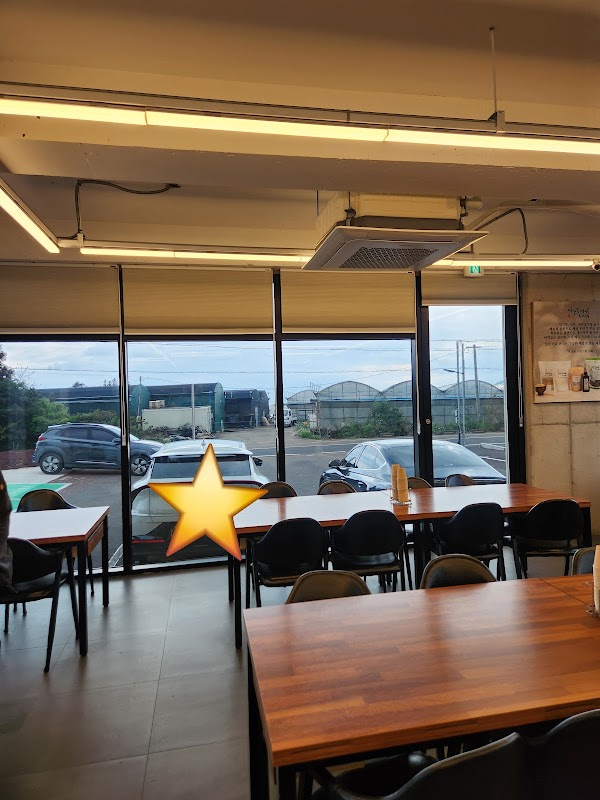
Witness the expansive buckwheat fields around Donggwang-ri, a region known for growing more buckwheat than anywhere else in Korea. The fields turn a stunning white when in bloom, peaking twice a year in late spring and autumn.
Save these 8 places to your map
Keep every place on your own map in DocentPro, and add more as you browse.
More featured places in Jeju-do
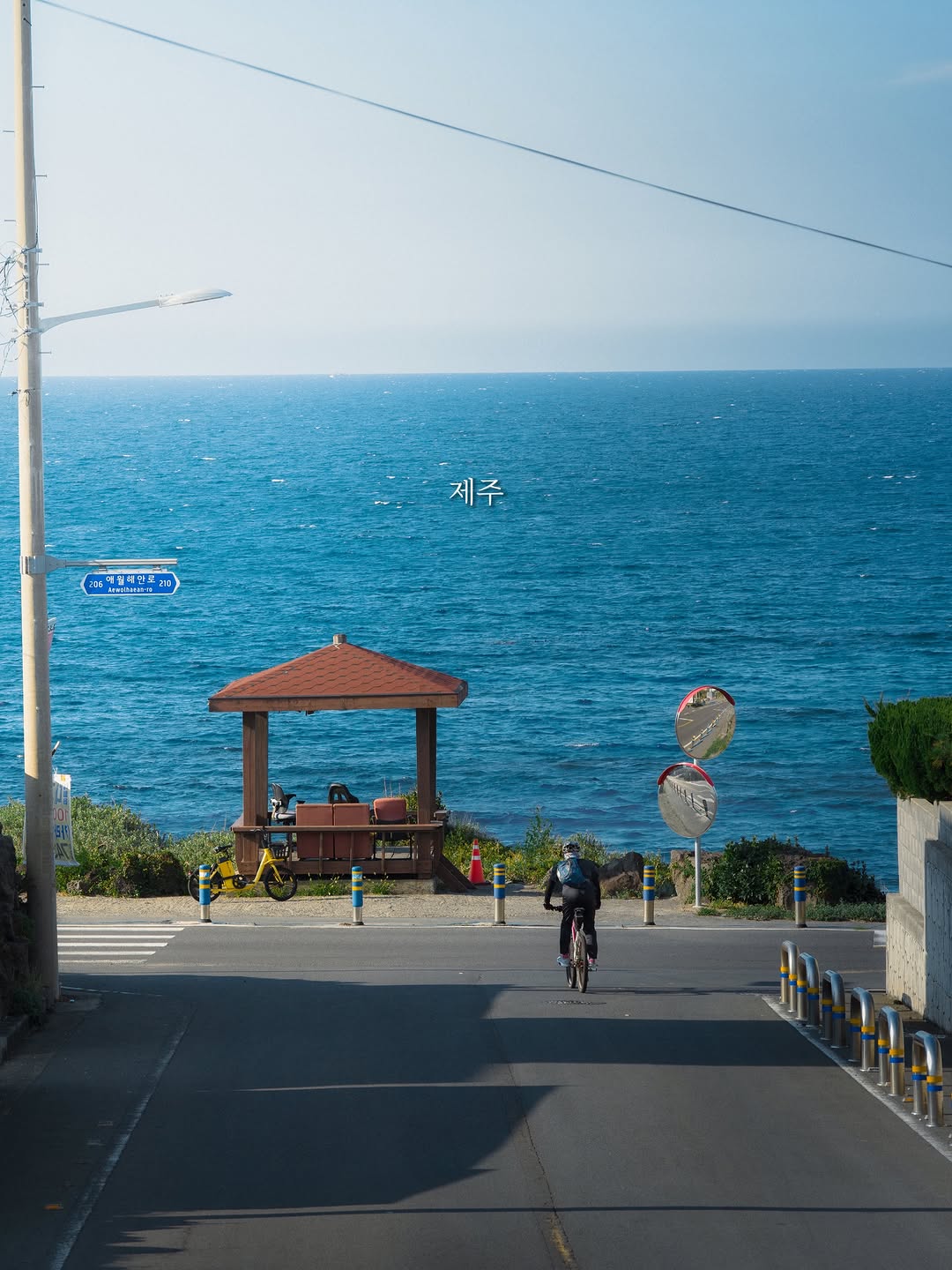
Favorite Jeju Island Summer Travel Spots
사계해변, Green Tea Cave, Secret Forest
Jeju Island: A Four-Day Exploration of Nature
Jusangjeollidae, Cheonjiyeon Waterfall, Jeongbang Waterfall
Jeju Island's Top Cafés With Ocean Views
Gyeongbokgung Palace, Namdaemun Market, Cafe Del Moondo
Jeju Island's Diverse Dining Delights
Galchiwang, willala[WORLD CLASS FISH&CHIPS], Unidam
Jeju Island Cafes and Local Food Recommendations
Seogwipo Olle Market, Udo, Ujin Haejangguk