Kyoto and Nara: Autumn Travel Guide
Source:
@Нежный Travel


Save places straight from any post.
Share an Instagram, TikTok, YouTube, Facebook, Google Maps or web link to DocentPro and every place in it lands on your map. This post became these 24.


24 places on the map
Explore the map in the DocentPro app24 places in Kyoto: Hokan-ji, Yasaka Jinja, Kiyomizu-dera, and 21 more. Every place is verified on Google Maps, featured in a YouTube post by Нежный Travel.
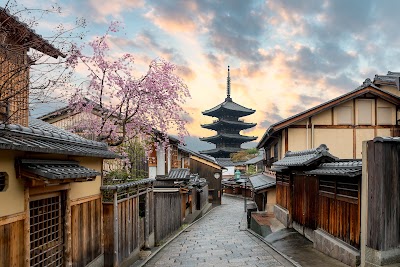
Hokan-ji

Place of worship

4.5
A historic five-story pagoda located in a charming residential area of Kyoto, offering beautiful photo opportunities. The surrounding area features traditional Japanese houses, cafes, and shops, making it a pleasant spot for a stroll and to soak in the local atmosphere.
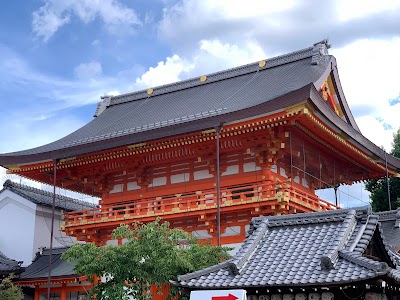
Yasaka Jinja
Place of worship
4.4
Yasaka Shrine is one of Kyoto's most famous Shinto shrines, located in the Gion district. It is a symbol of the Gion Matsuri, Kyoto's largest annual festival. The shrine is a popular spot for tourists and is particularly vibrant with food stalls and souvenir shops, giving it a market-like atmosphere where visitors can experience traditional Japanese treats and culture.
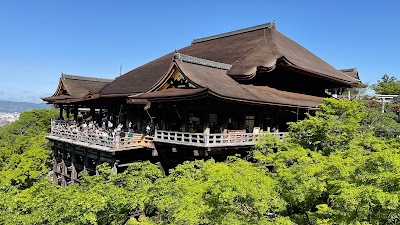
Kiyomizu-dera
Place of worship
4.5
Kiyomizu-dera is a historic Buddhist temple in Kyoto, celebrated for its wooden stage that juts out from the main hall, offering panoramic views of the city and the surrounding nature. The temple is especially stunning during autumn and spring, when the cherry blossoms and maple leaves create a colorful spectacle. It's an essential visit for those seeking cultural immersion and breathtaking scenery in Kyoto.
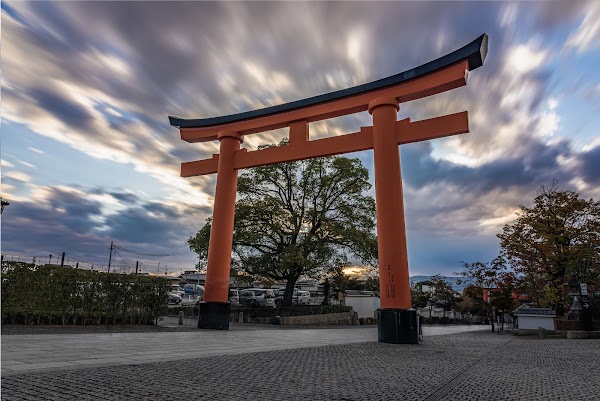
Fushimi Inari Taisha
Place of worship
4.6
Fushimi Inari-taisha is a famous Shinto shrine in Kyoto, renowned for its thousands of vermilion torii gates that wind through the hills behind the main buildings. It's dedicated to Inari, the Shinto god of rice, and visitors can walk the trails through the torii gates, which are donations from individuals and companies. Expect crowds, especially in the mornings, making it challenging to capture photos without people.
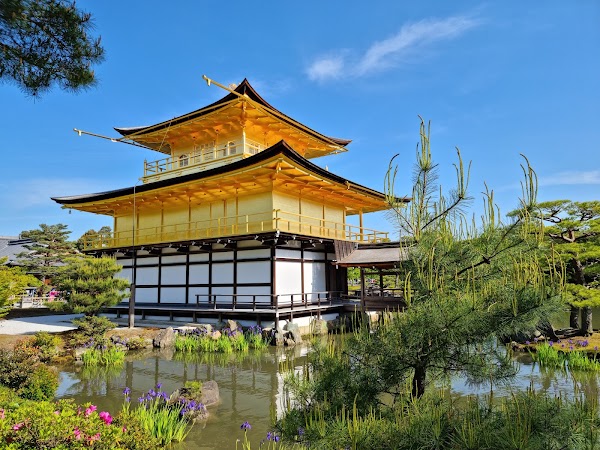
Kinkaku-ji
Place of worship
4.5
Also known as the Golden Pavilion, this is a stunning Buddhist temple covered in gold leaf, set against a picturesque pond and lush gardens. It is one of Kyoto's most iconic landmarks, offering breathtaking photo opportunities, especially when the sun reflects off its golden exterior. While you can't enter the pavilion itself, the surrounding gardens provide a beautiful walking experience.
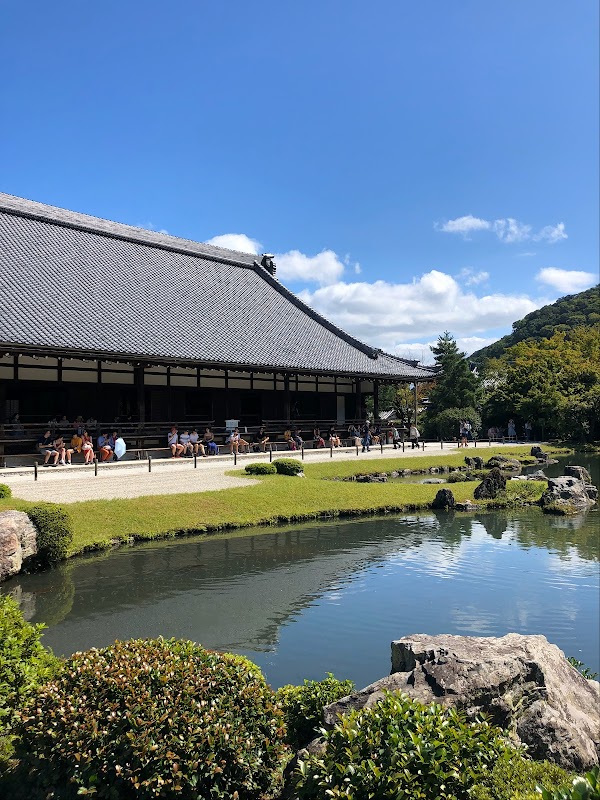
Tenryu-ji
Place of worship
4.4
A temple featuring incredible gardens, a lake, and a stunning view of the city. While the gardens and lake are picturesque, they can get very crowded, so consider visiting at less popular times to avoid the rush.
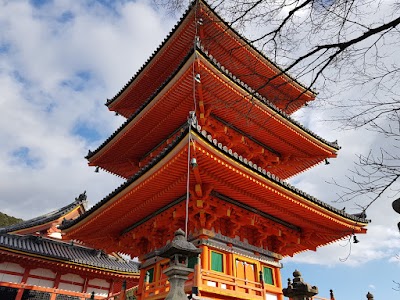
Kiyomizu-dera Niomon Gate
Buddhist temple
4.3
The Nio-mon Gate is the entrance to Kiyomizu-dera Temple, built without a single nail. It is known for its beautiful architecture and vibrant red colors, which have been freshly restored, making it a striking sight against the blue sky. The temple offers panoramic views of Kyoto, especially during cherry blossom season and autumn.
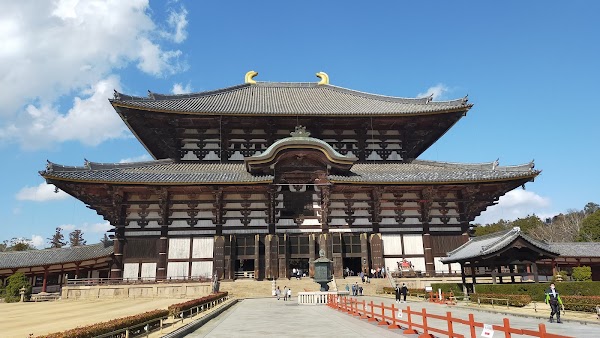
Nara Park
Park
4.5
Nara Park is a vast public park in Nara, famous for its large population of freely roaming wild deer. These deer are considered sacred messengers in Shinto mythology and are a major tourist attraction. Visitors can interact with the deer, feed them special crackers available for purchase, and explore the park's ancient temples and shrines.
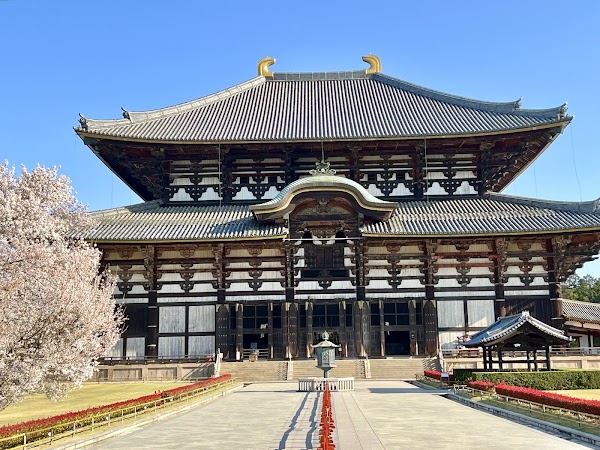
Tōdai-ji
Place of worship
4.6
Todai-ji Temple in Nara is a UNESCO World Heritage site and a magnificent example of ancient Japanese Buddhist architecture. The temple's Daibutsuden (Great Buddha Hall) houses a colossal bronze statue of Buddha, which is one of Japan's largest and most significant. Its immense scale and historical importance make it a must-visit, offering a glimpse into Japan's rich cultural and religious heritage.
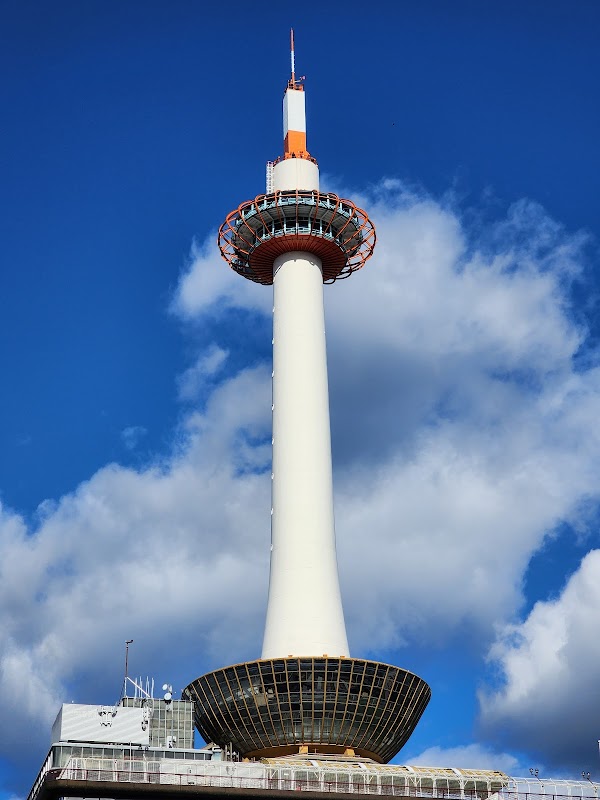
Kyoto Station
Transit station
4.3
Kyoto's main train station, a central hub for transportation including the Shinkansen bullet train to Tokyo. It's a busy station where you can purchase tickets both online and offline; buying in advance is recommended, especially during peak seasons, as tickets can sell out.
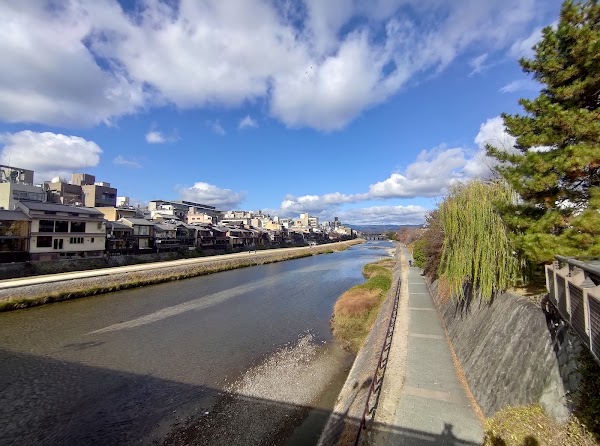
Kamo River
Place
4.6
The Kamo River in Kyoto is a scenic spot where locals and tourists alike gather to relax, picnic, read, or play music, especially during the Momiji (autumn leaf-peeping) season when the trees display vibrant red and yellow colors. The riverbanks offer a peaceful atmosphere away from the city's hustle, with many charming restaurants and bars located along the Pontocho alley, providing verandahs with riverside views perfect for evening dining and enjoying the moment.
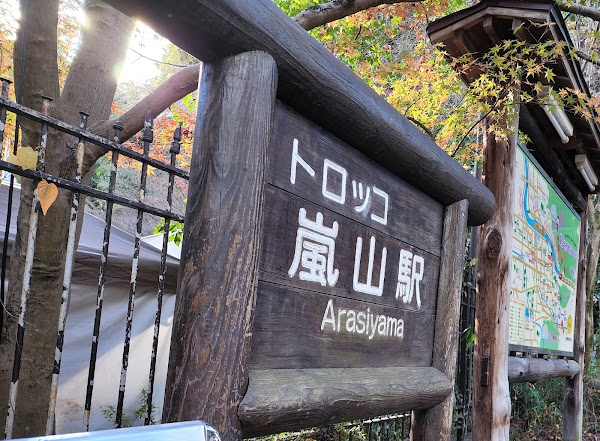
Torokko Arashiyama Sta.
Train station
4.1
The station for the Romantic Train, a popular tourist attraction offering scenic rides through picturesque landscapes. Tickets can sell out quickly, especially for popular times, so it's advisable to book them in advance, possibly a few days to a week ahead.
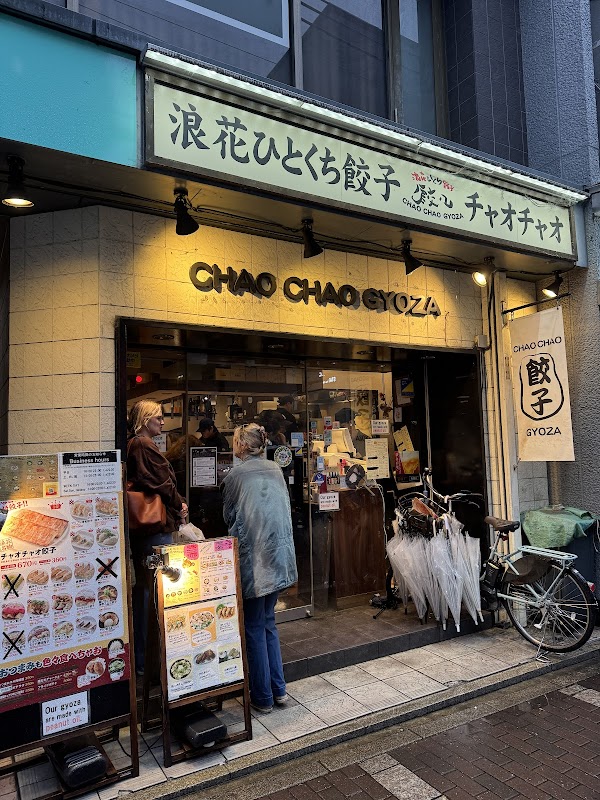
Chao Chao Gyoza - Shijo Kawaramachi

Dumpling restaurant
4.5
Chao Chao Gyoza - Shijo Kawaramachi is a highly popular gyoza restaurant in Kyoto, often featuring long queues due to its reputation for delicious and diverse gyoza offerings. The menu includes various fillings like pork, shrimp, and chicken, as well as unique sweet options such as chocolate and vanilla ice cream gyozas. The restaurant efficiently manages crowds by providing menus to customers waiting outside, allowing them to pre-order and expedite the dining process once seated.
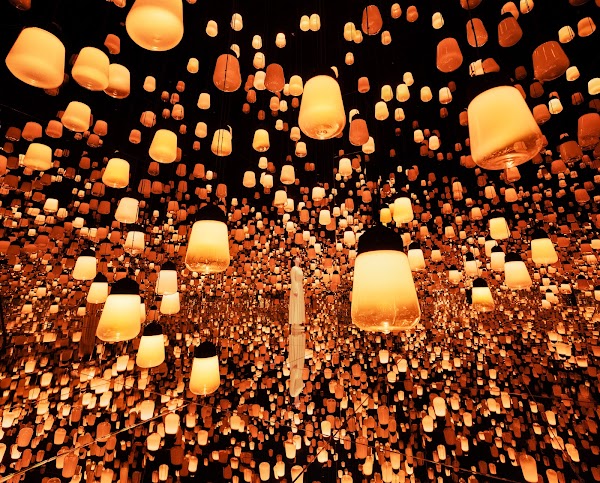
チームラボ バイオヴォルテックス京都(TeamLab⭐︎Biovortex Kyoto, 2025 Autumn open)

Art museum
4.0
An immersive digital art museum known for its unique and beautiful virtual environments. Tickets are often sold out, especially for same-day and next-day visits, so it's highly recommended to book your tickets at least a week in advance. The museum offers an unforgettable experience for those interested in modern art and digital installations.
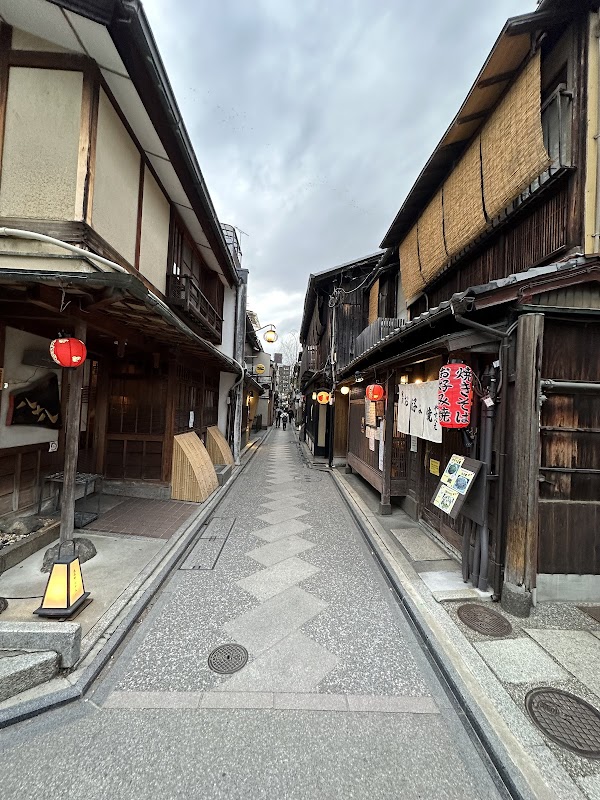
先斗町の石碑と駒札
Historical landmark
4.4
Pontocho Alley in Kyoto is a narrow, atmospheric street running parallel to the Kamo River, famous for its traditional wooden machiya houses that host numerous restaurants, bars, and teahouses. In the evenings, the alley comes alive with glowing lanterns, offering a unique opportunity to experience Kyoto's historic nightlife and perhaps spot a geisha. Many establishments feature balconies overlooking the river, providing a picturesque setting for dining.

Rinn Horikawa Gojo
Trip Stay
A 4-star hotel in Kyoto with spacious rooms, a rarity in Japan, and clean, modern facilities. The hotel offers comfortable accommodations with amenities like air purifiers, and the ability to customize window views by removing privacy screens. It is a great option for travelers seeking comfort and convenience.
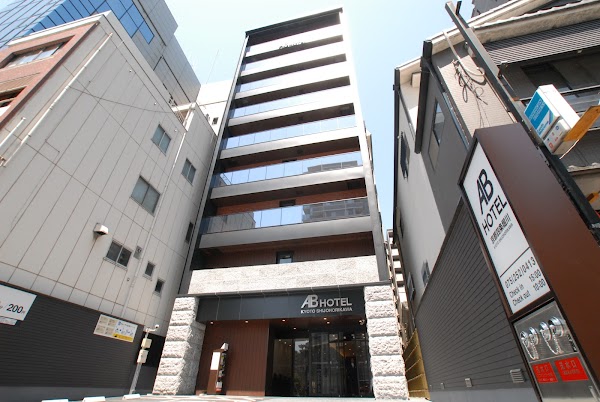
AB Hotel Kyoto Shijo Horikawa

Hotel
4.1
AB Hotel Kyoto Shijohorikawa is a conveniently located hotel in Kyoto, praised for its proximity to public transport and major tourist areas. It offers comfortable accommodation at reasonable prices compared to hotels in the bustling Gion district. A significant advantage is the inclusion of breakfast, and the hotel offers luggage transfer services for travelers exploring multiple cities in Japan.
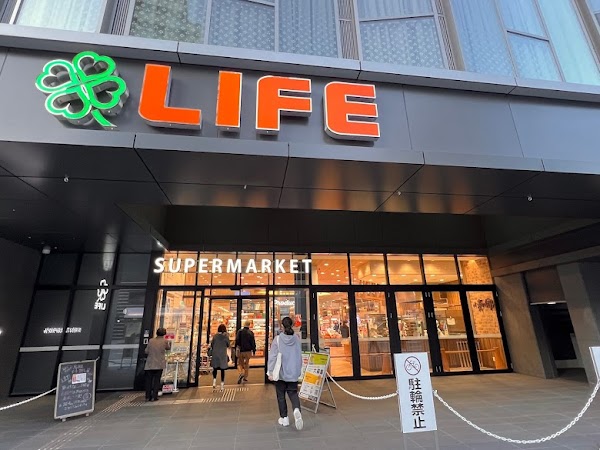
Life - Shijo Karasuma
Grocery store
4.2
LIFE Supermarket is a Japanese supermarket chain where savvy travelers can find discounted seafood, sushi, and sashimi, especially after 8 PM. These late-night deals offer a budget-friendly way to enjoy fresh and high-quality Japanese cuisine. It's a great option for those looking to save on dining expenses while still experiencing authentic flavors.
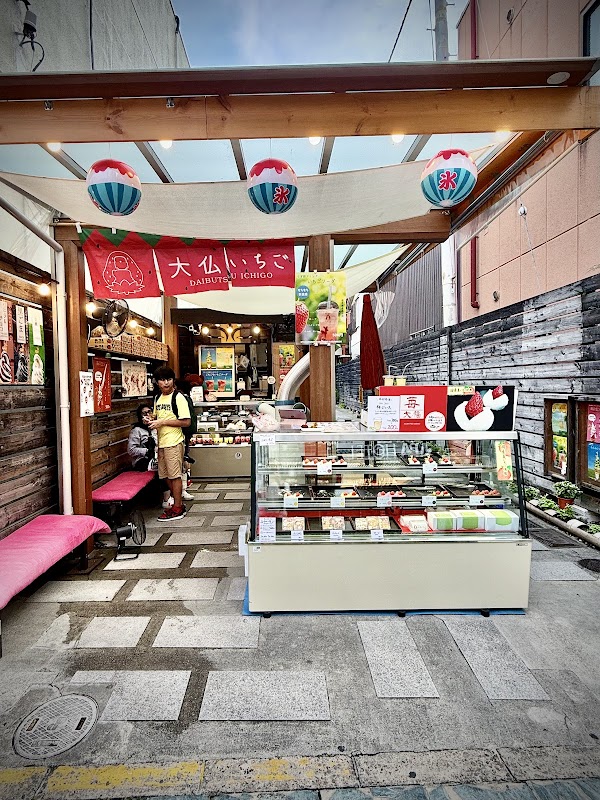
Daibutsu Ichigo

Dessert restaurant
4.6
Daibutsu Ichigo is a confectionery in Nara specializing in ichigo daifuku, a popular Japanese sweet consisting of a whole strawberry wrapped in mochi and sweet bean paste. They offer various flavors, including green tea, chocolate, and custard, all featuring a fresh strawberry at their core. It's a must-try for visitors looking to experience a classic Japanese dessert with a fruity twist.
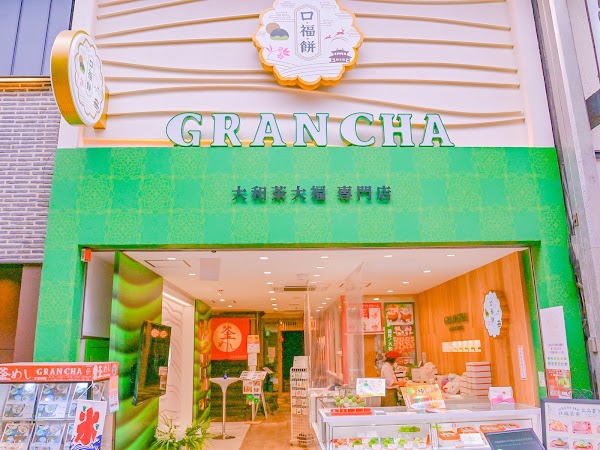
GRAN CHA Yamato Matcha Daifuku Specialty Store
Cafe
4.3
GRAN CHA Yamato Matcha Daifuku Specialty Store in Nara specializes in matcha-infused sweets and drinks. They offer a variety of daifuku (mochi filled with sweet bean paste) with different matcha strengths, from mild to very strong, alongside matcha cheesecakes, ice cream, and other desserts. It's a popular spot for matcha lovers to explore various green tea flavors in a dessert format.
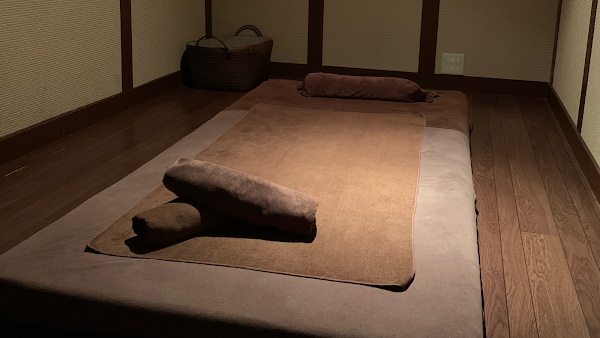
Lapis
Massage service
4.8
Lapis Relaxation Salon is a massage establishment in Kyoto offering traditional Japanese massage techniques like Shiatsu, which focuses on finger and palm pressure on specific points. While many salons offer express 30-minute sessions, longer sessions of 60 minutes or more are typically recommended for a full experience. Massages are popular in Japan, with various options including head spa treatments for relaxation.
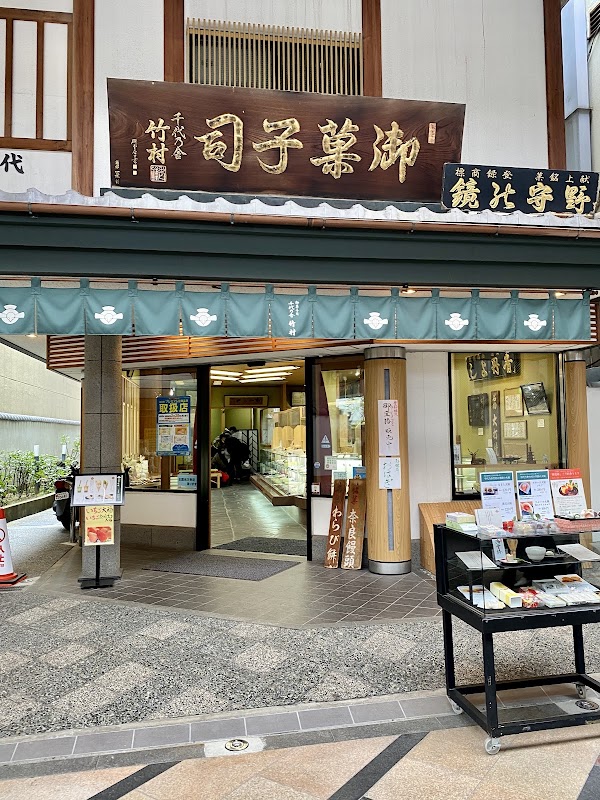
Chiyonoya Takemura
Confectionery store
4.6
Chiyonoya Takemura is a long-standing confectionery in Nara, famous for its mochi, a traditional Japanese rice cake. They offer various mochi flavors, including sweet red bean paste, and unique seasonal options like persimmon and green tea. The shop is known for its traditional preparation, with artisans pounding the rice dough with large mallets to achieve the perfect consistency, a process that can be observed by visitors.
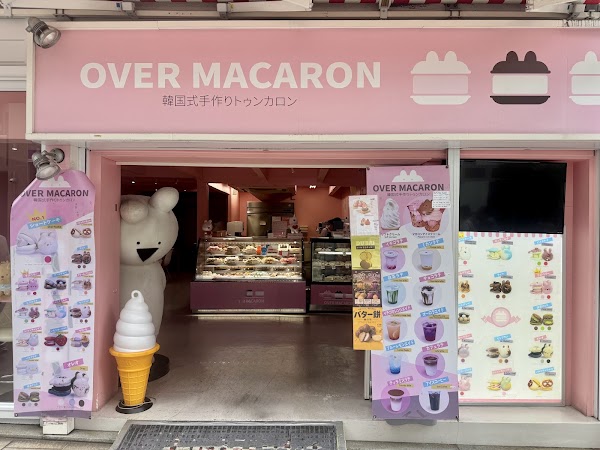
Over Macaron
Dessert restaurant
4.4
Over Macaron in Nara is a delightful macaron shop with a charming pink interior and a wide array of creatively decorated macarons. They offer various flavors, including classic options like chocolate and raspberry, as well as unique Japanese-inspired flavors. The shop's whimsical atmosphere and visually appealing treats make it a popular spot for dessert lovers and those looking for cute photo opportunities.
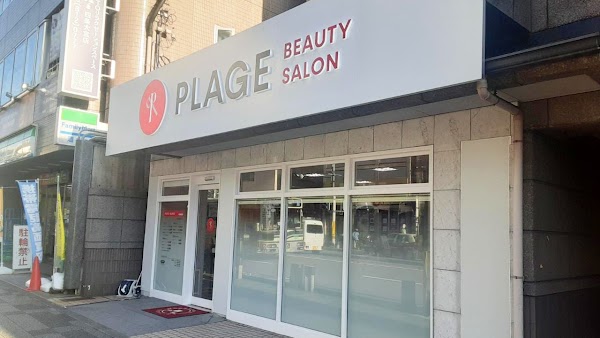
Plage Shijoomiya
Hair salon
3.5
A beauty salon spotted while cycling through a city street. It is located in a bustling area with various shops and residential buildings.
Save these 24 places to your map
Keep every place on your own map in DocentPro, and add more as you browse.
More featured places in Kyoto
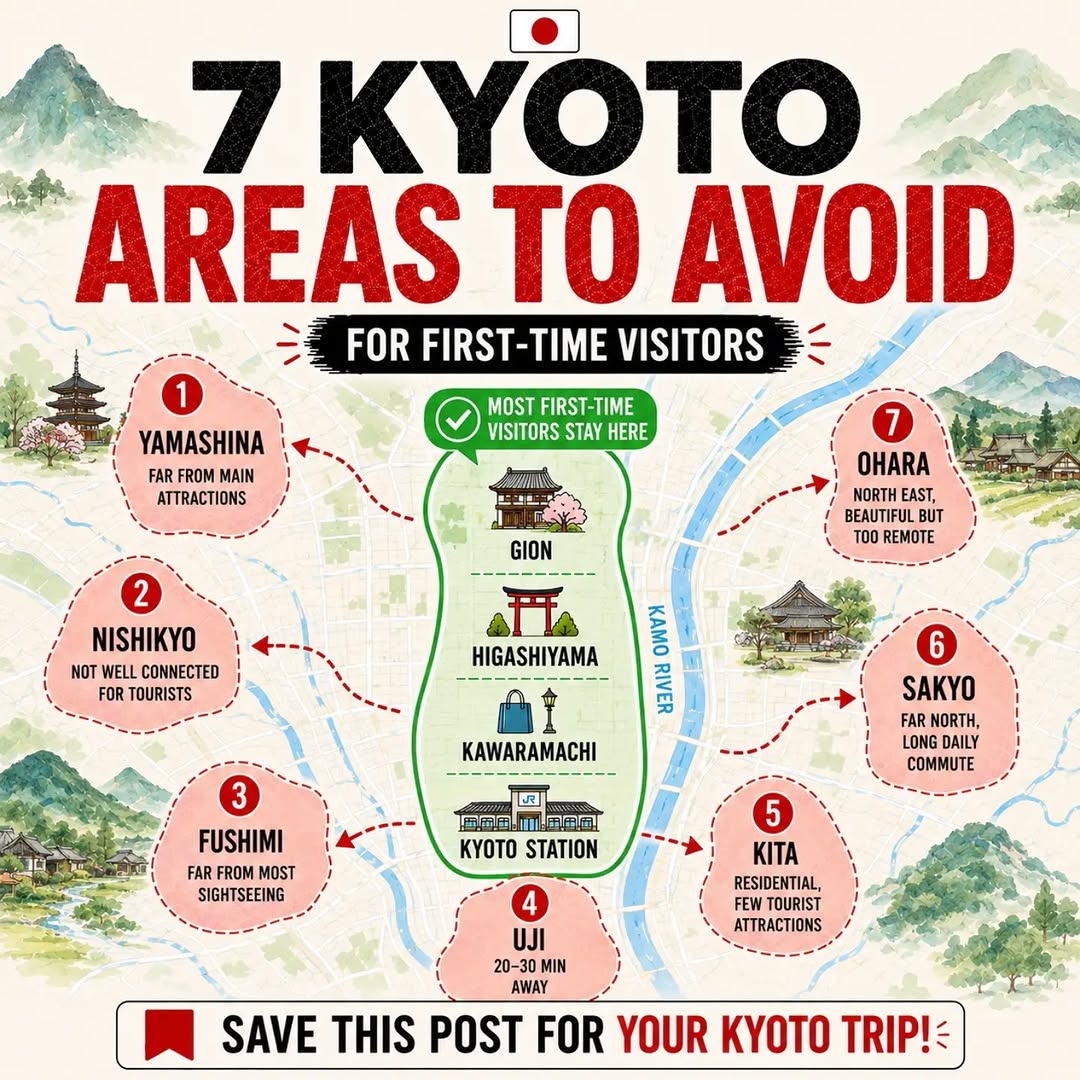
Kyoto's Best Neighborhoods for First-Time Visitors
Gion, Fushimi Inari Taisha, Kyoto Station
Kyoto Favorites For A Less Overwhelming Visit
Gion, % ARABICA Kyoto Arashiyama, cafe planet(All vegan and glutenfree)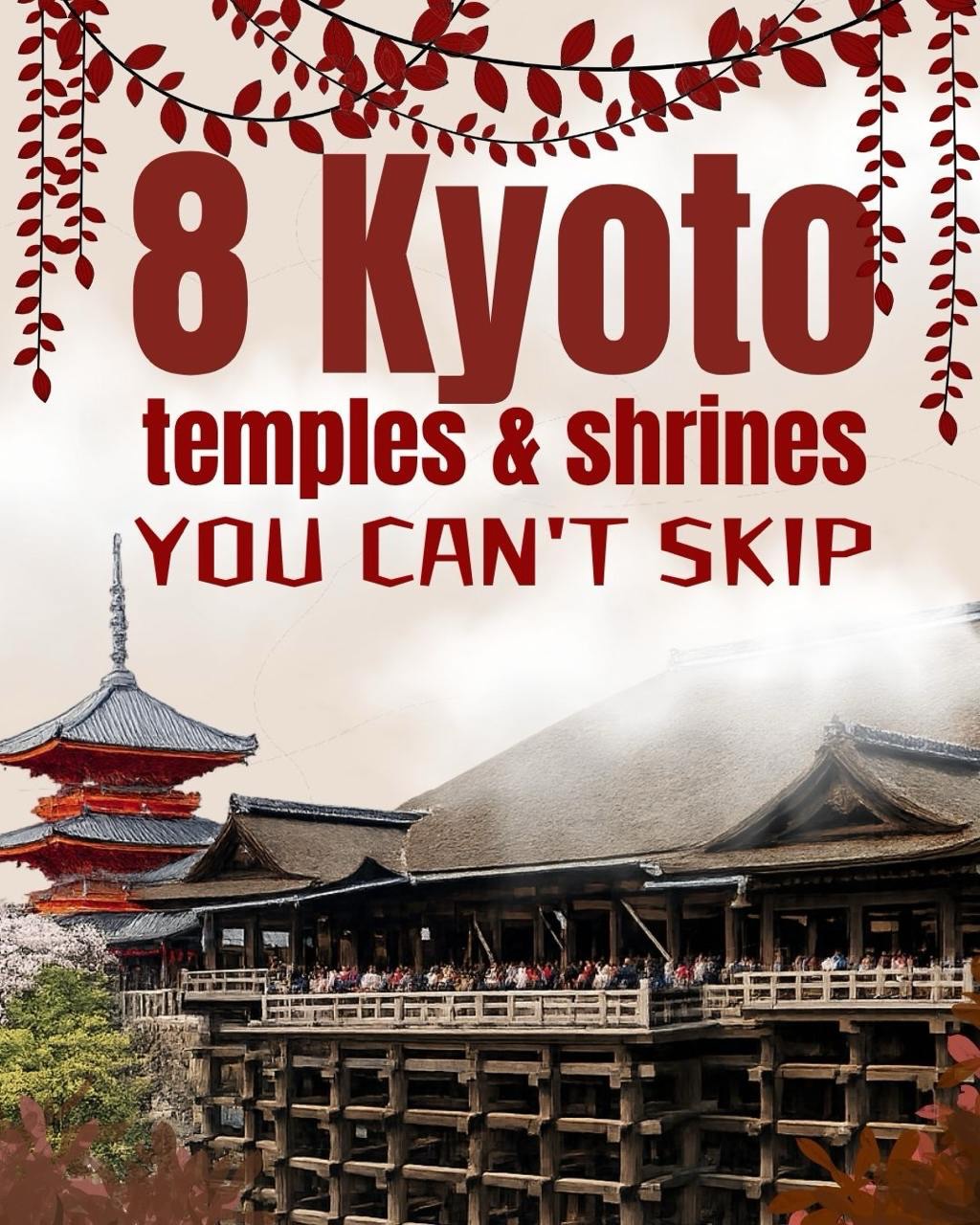
Top 8 Kyoto Temples and Shrines For First-Time Visitors
Yasaka Jinja, Fushimi Inari Taisha, Kinkaku-ji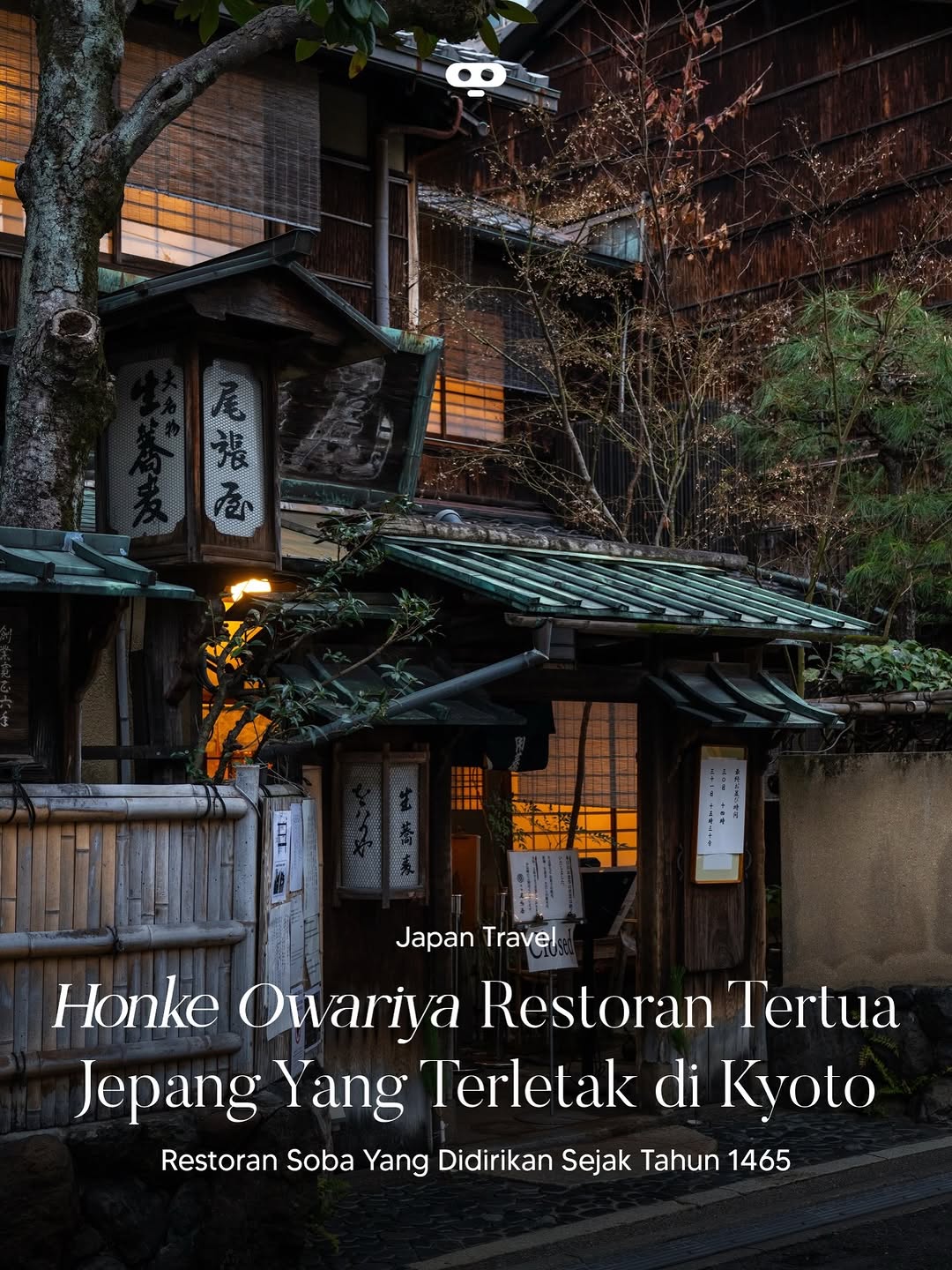
Honke Owariya: A Centuries-Old Japanese Culinary Heritage
Honke Owariya Main Branch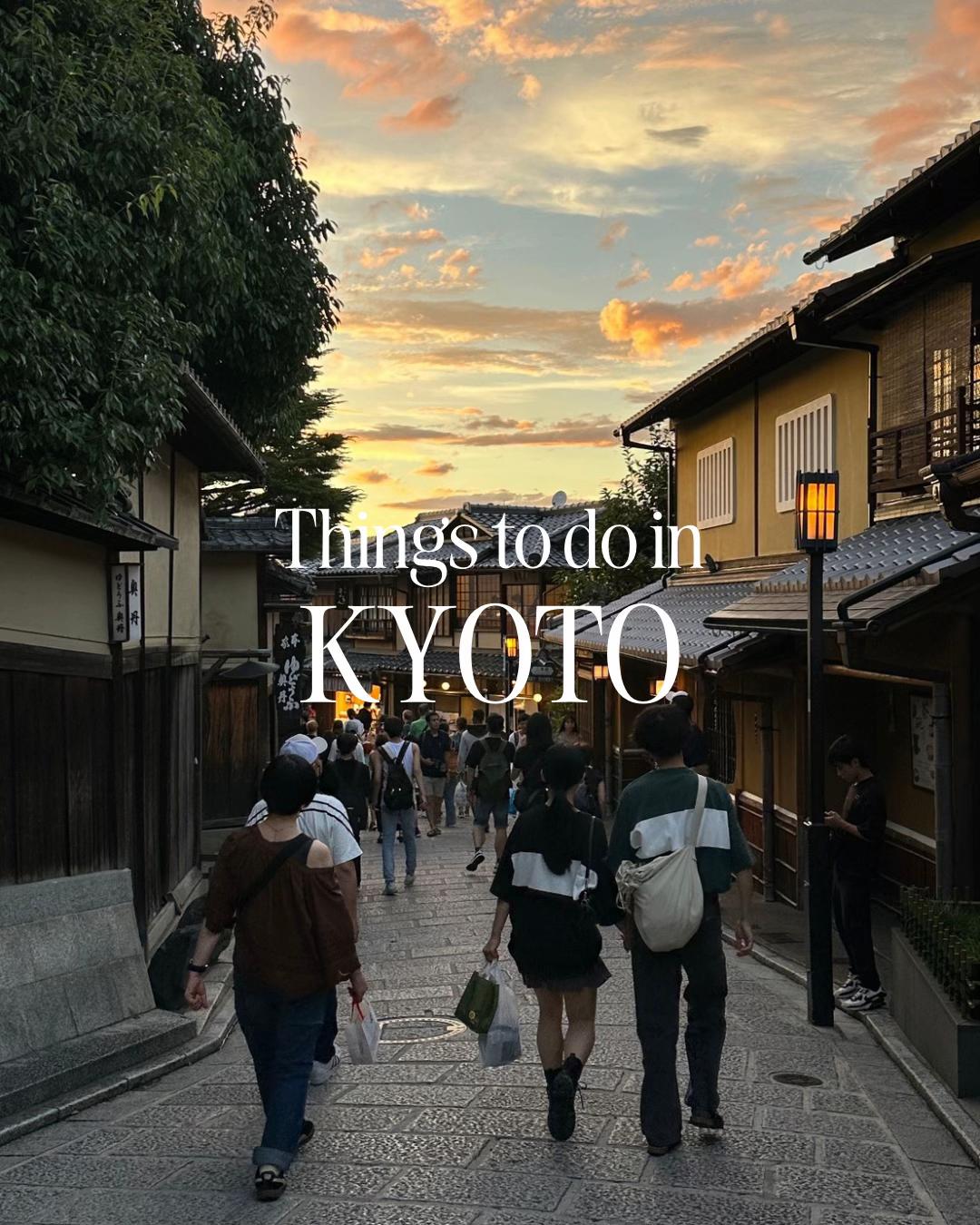
Kyoto Temples, Gardens, and Rooftop Bar Guide
Hokan-ji, Kiyomizu-dera, Gion