Oaxaca's Ancient Ruins, Natural Wonders, and Cultural Gems
Source:
@VoyagersTV


Save places straight from any post.
Share an Instagram, TikTok, YouTube, Facebook, Google Maps or web link to DocentPro and every place in it lands on your map. This post became these 15.


15 places on the map
Explore the map in the DocentPro app15 places in Oaxaca: San Pablo Villa de Mitla, Templo de Santo Domingo de Guzmán, Oaxaca, and 12 more. Every place is verified on Google Maps, featured in a YouTube post by VoyagersTV.
San Pablo Villa de Mitla

Place
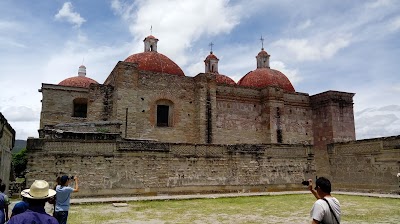
Mitla is an ancient Zapotec ceremonial center known for its unique geometric mosaic fretwork covering its walls. Unlike other Mesoamerican sites, the intricate patterns are assembled without mortar, showcasing remarkable precision that has withstood centuries. The site also features a colonial-era Catholic church built directly on top of Zapotec platforms, creating a striking blend of cultures.
Templo de Santo Domingo de Guzmán
Church

4.8
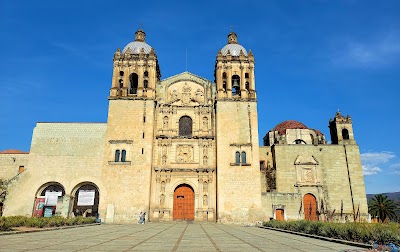
This grand 16th-century Baroque church is the cultural heart of Oaxaca City. Its ornate interior is covered in elaborate gold leaf, and the adjoining Museo de las Culturas houses a significant collection of artifacts from Monte Albán's Tomb 7, including the famous turquoise-covered skull. The church and museum are a must-visit for understanding Oaxaca's rich history and art.
Oaxaca
Place
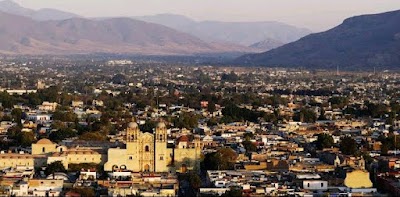
Oaxaca is a vibrant state in Mexico known for its rich indigenous culture, delicious cuisine, and mezcal production. Visitors can explore ancient archaeological sites, bustling markets, and colorful colonial cities. The region is particularly famous for its Mole dishes and various traditional crafts.
Mazunte
Place
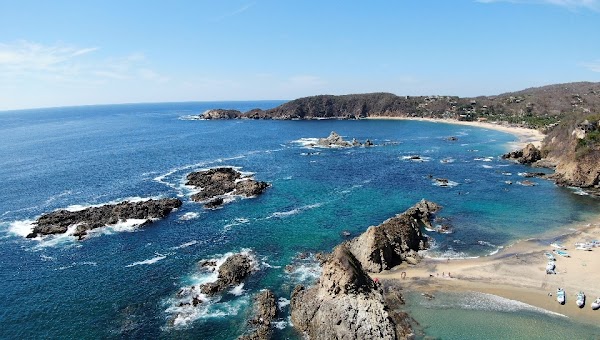
Mazunte is a designated 'Pueblo Mágico' (Magic Town) with black volcanic sand beaches, a laid-back bohemian vibe, and a commitment to sustainable tourism. It's renowned for its yoga studios and opportunities to spot dolphins and humpback whales. The town is also home to the National Mexican Turtle Center, dedicated to protecting sea turtle populations.
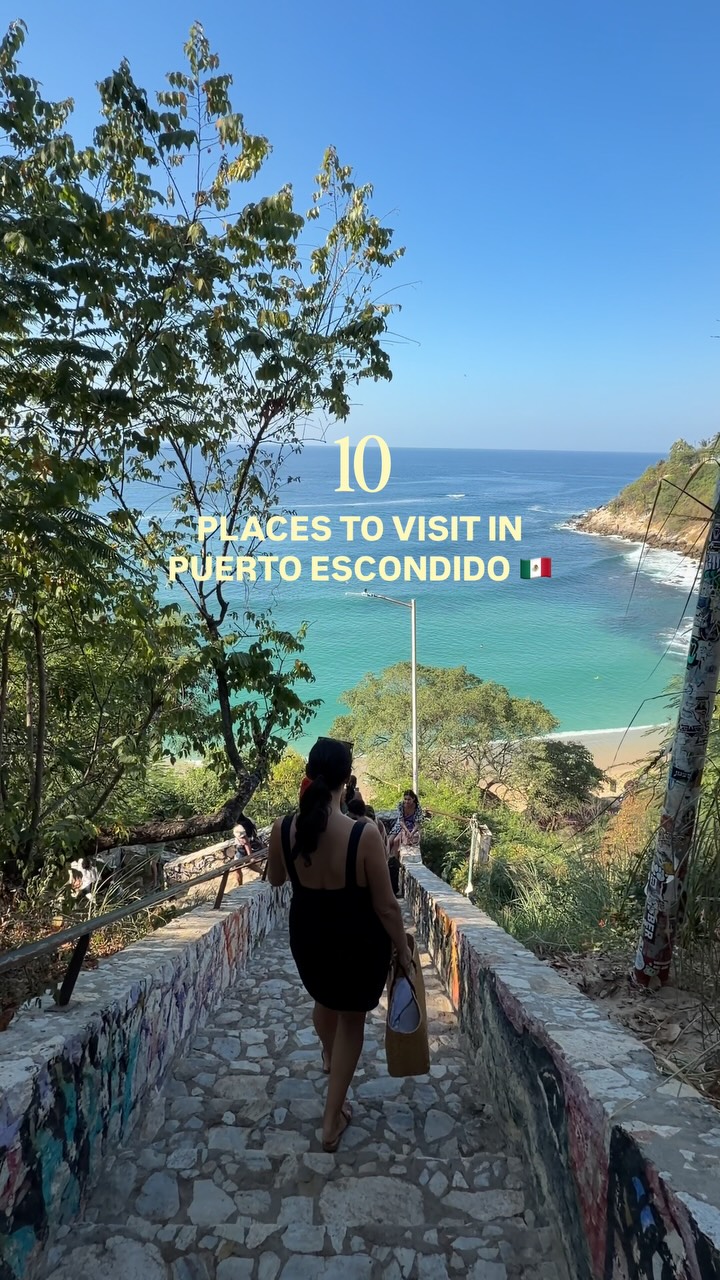
Puerto Escondido
Place
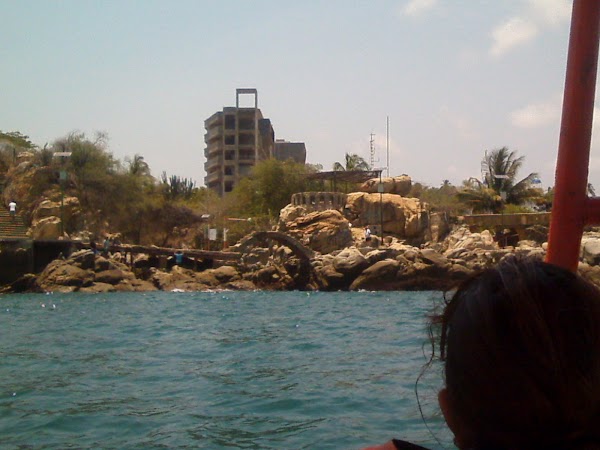
Known as 'The Hidden Port,' Puerto Escondido is a vibrant coastal town famous for its powerful beach breaks, attracting surfers from around the world to its legendary Playa Zicatela. Beyond surfing, the area offers a relaxed atmosphere with accessible beaches and a growing reputation for its natural beauty.
Santiago Matatlan
Place
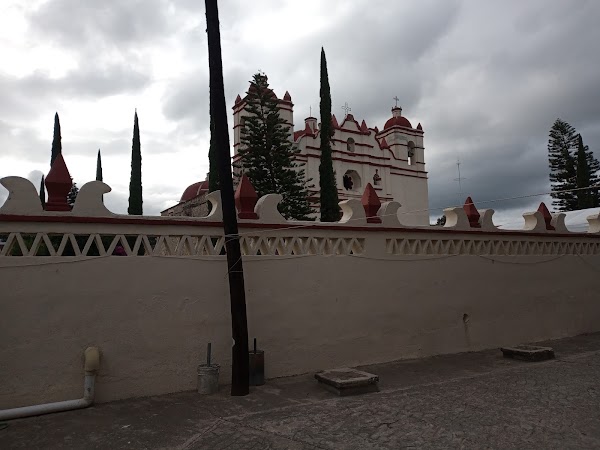
Known as the "World Capital of Mezcal," this town is the heart of mezcal production in Oaxaca. It accounts for roughly 40% of Mexico's total mezcal output, showcasing a tradition of distillation that dates back centuries. Visitors can explore palenques (small, rustic distilleries) to witness the ancient process of roasting agave hearts in underground pits and crushing them with tahonas.
Monte Albán
Place
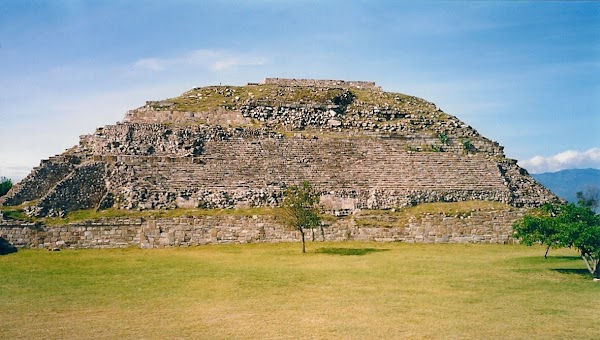
This ancient Zapotec city is a UNESCO World Heritage site, built atop a flattened mountain. It features pyramids, temples, and plazas, connected by staircases and underground passages. Highlights include a ball court for the ritual game of Ullaliztli and over 170 tombs, some with elaborate carvings and hieroglyphic inscriptions, making it a significant archaeological site.
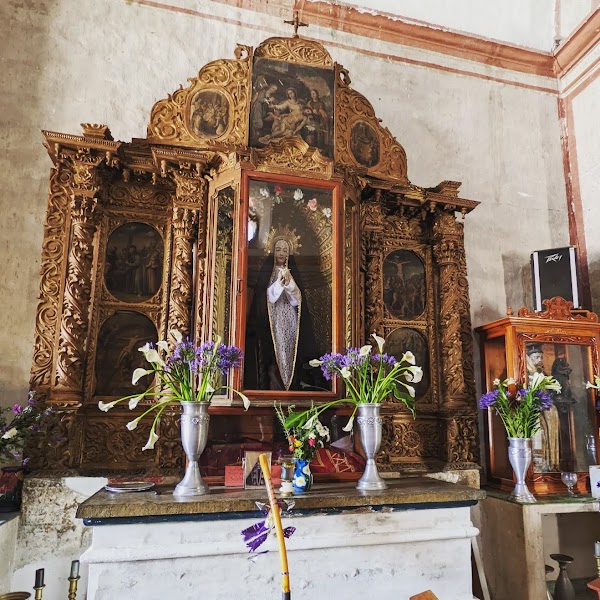
Teotitlán del Valle
Place
This village is famous for its families who weave intricate textiles on large wooden looms, using techniques passed down through generations. The natural dyes come from the land itself, including indigo from plants, yellow from marigolds, and red from cochineal insects. Visitors can witness the creation of these vibrant textiles and learn about the deep-rooted artisan traditions.
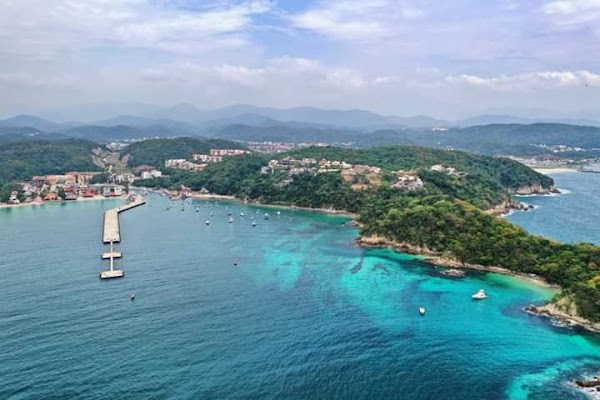
Santa María Huatulco
Place
Huatulco is a coastal region known for its 9 bays and 36 beaches, offering a mix of secluded coves and vibrant shores. The area is protected as Huatulco National Park, preserving its diverse marine life and lush jungle. Visitors can enjoy snorkeling in clear waters, spotting dolphins and humpback whales, or simply relaxing on the pristine sands.
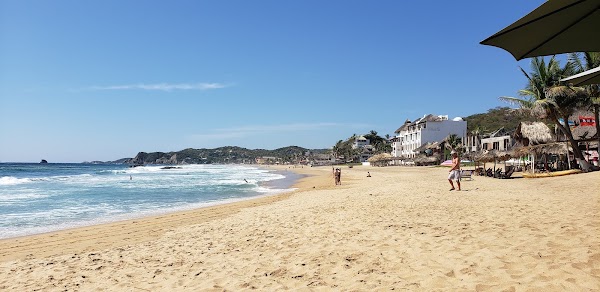
Playa Zipolite
Place
Zipolite holds the unique distinction of being Mexico's only legally recognized clothing-optional beach. Its rugged coves and cliffs attract a bohemian community that has resisted commercial development for decades. The laid-back atmosphere and natural beauty make it a distinctive destination on the Oaxacan coast.
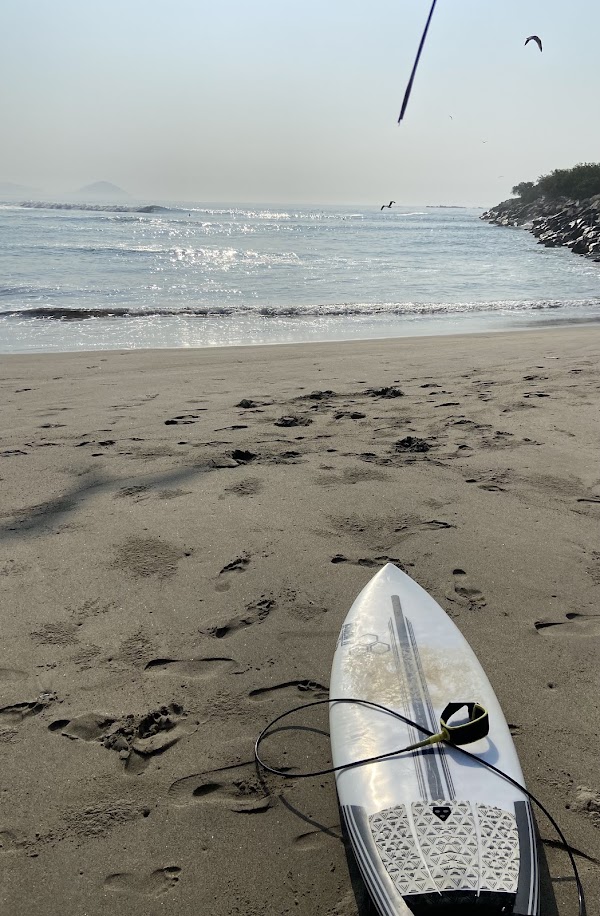
Chacahua
Place
This village is nestled within a national park, situated between the Pacific Ocean and a vast lagoon system threaded with mangroves. Accessible only by boat, it offers a tranquil escape with no paved roads, ATMs, or reliable cell phone service. Chacahua is also home to one of the largest Afro-Mexican communities in the country, maintaining a unique cultural heritage.
San Bartolo Coyotepec
Place
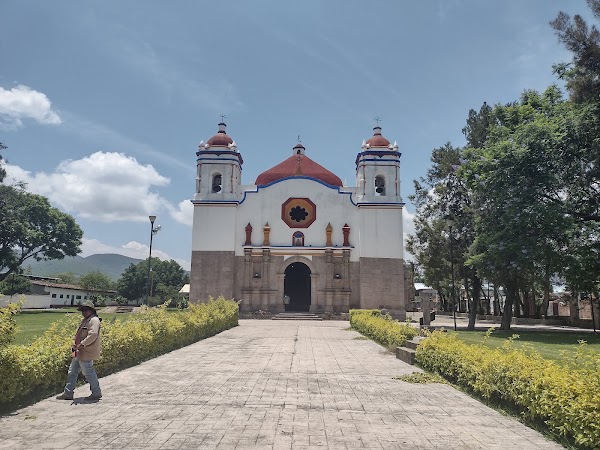
This village is renowned for its barro negro (black pottery), a distinctive dark, polished pottery made from local clay. Artisans shape and burnish the clay to a metallic sheen without glaze or paint, a technique refined in the 20th century by potter Doña Rosa. The luminous surface has made it an iconic Oaxacan craft.
San Martín Tilcajete
Place
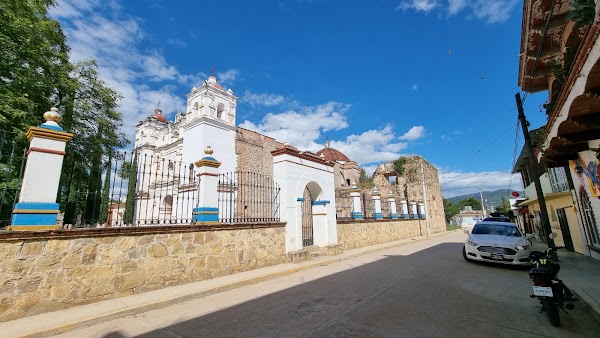
This artisan village is famous for its alebrijes, fantastical creatures hand-carved from copal wood and painted in an explosion of colors. Dragons, jaguars, winged serpents, and other mythological beasts are meticulously crafted, with each intricate piece taking weeks to complete. Visitors can explore workshops and witness the creation of these unique and vibrant folk art pieces.
Hierve el Agua
Place
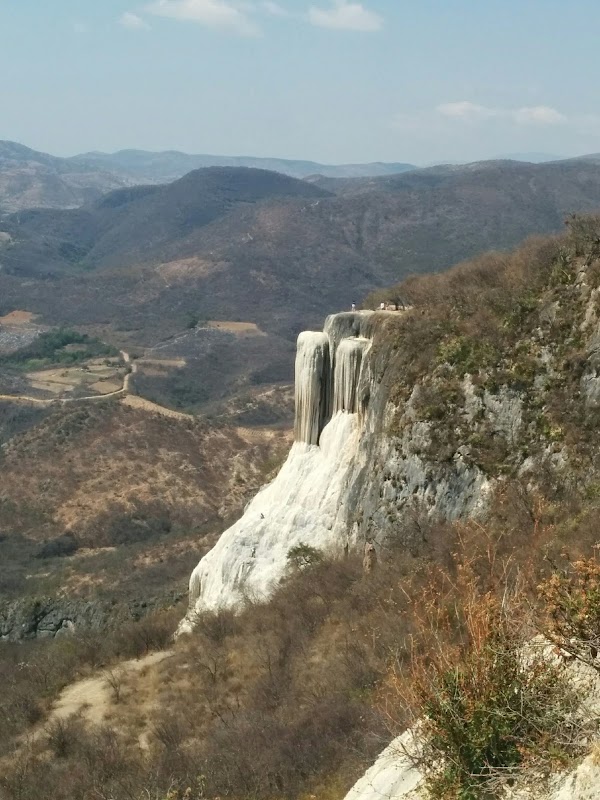
These stunning petrified waterfalls are a natural wonder formed by mineral-rich springs. Visitors can swim in natural pools at the cliff's edge while enjoying vast green valley views. The area also features ancient Zapotec irrigation channels, showcasing early engineering feats.
Bioluminiscencia Laguna Manialtepec
Travel agency
4.5
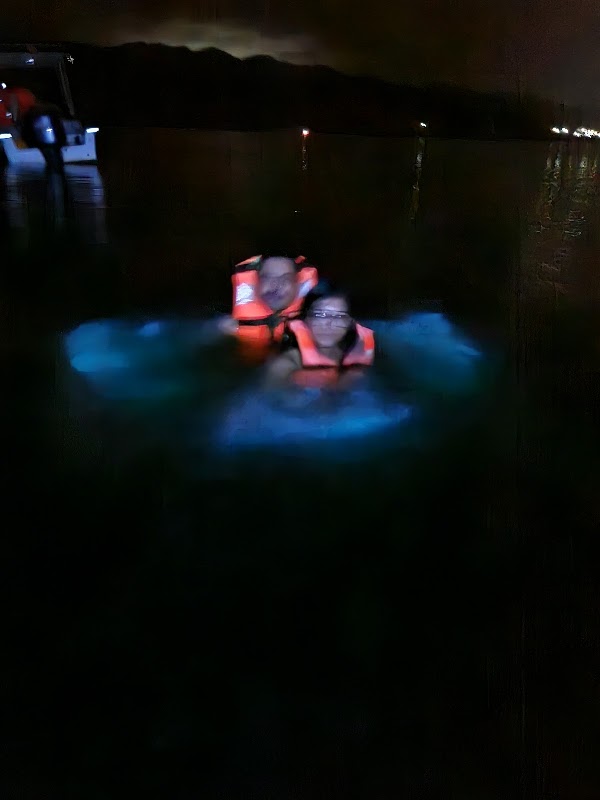
This bioluminescent lagoon offers a magical night-time experience where the water glows electric blue when disturbed. It's one of the few places in the world where you can swim in what feels like starlight. The lagoon is home to millions of bioluminescent dinoflagellates, microscopic plankton that light up when agitated.
Save these 15 places to your map
Keep every place on your own map in DocentPro, and add more as you browse.
More featured places in Oaxaca

Oaxaca Day of the Dead Local Experiences
Oaxaca, Central de Abasto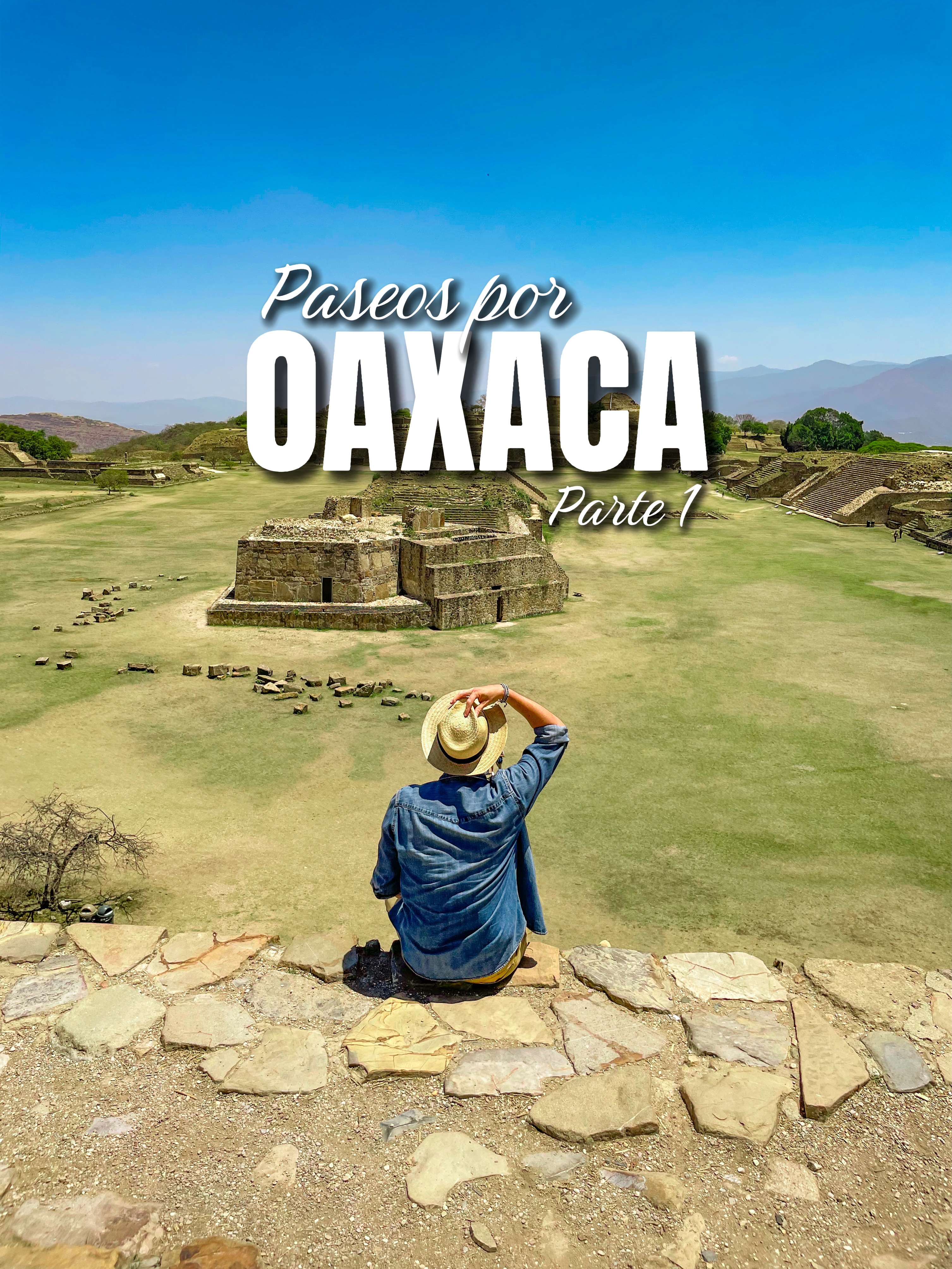
Oaxaca's Cultural Heritage And Natural Wonders
Hierve el Agua, San Pablo Villa de Mitla, Zona Arqueológica de Atzompa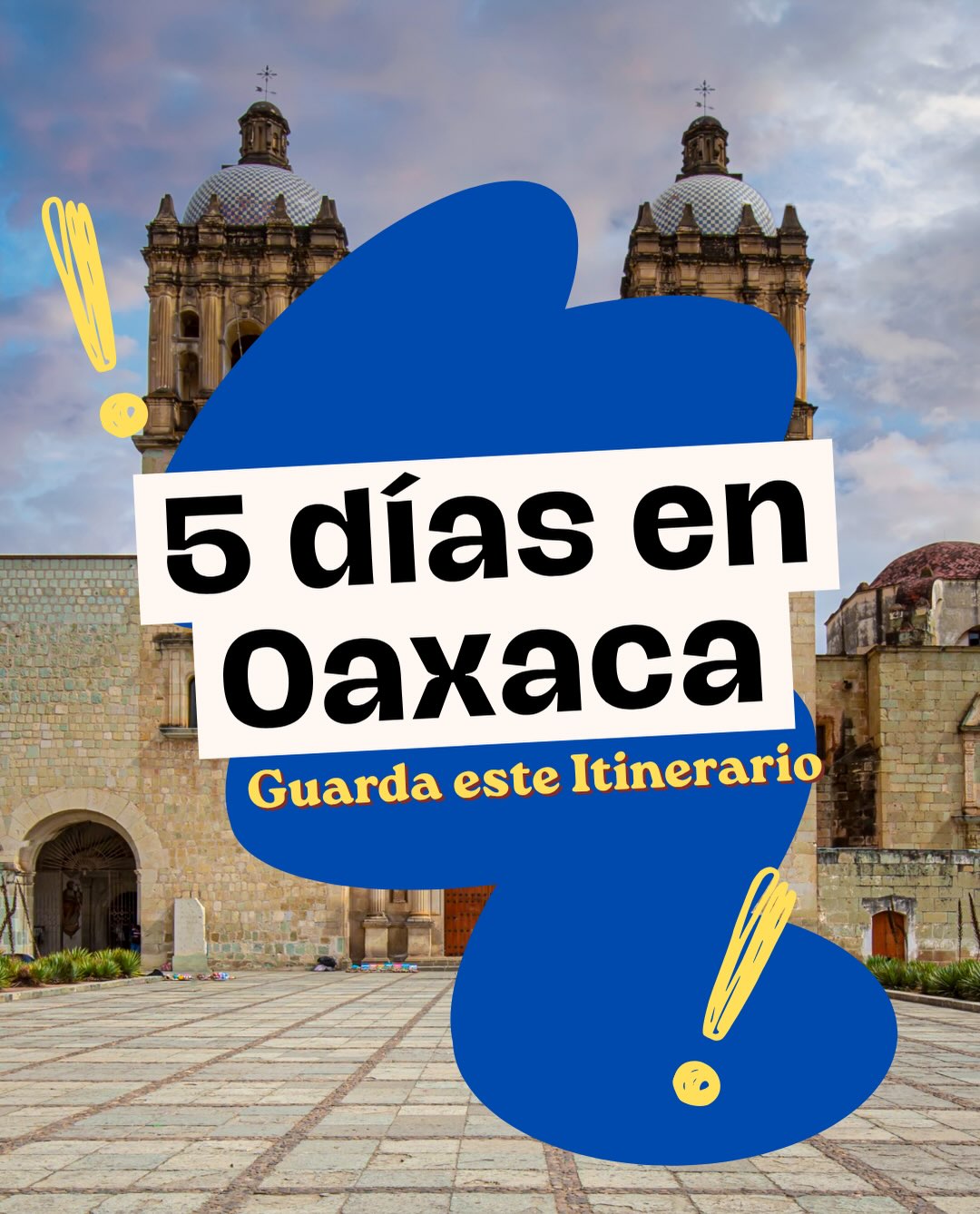
7 Places in Oaxaca
San Pablo Villa de Mitla, Tree of Tule, Oaxaca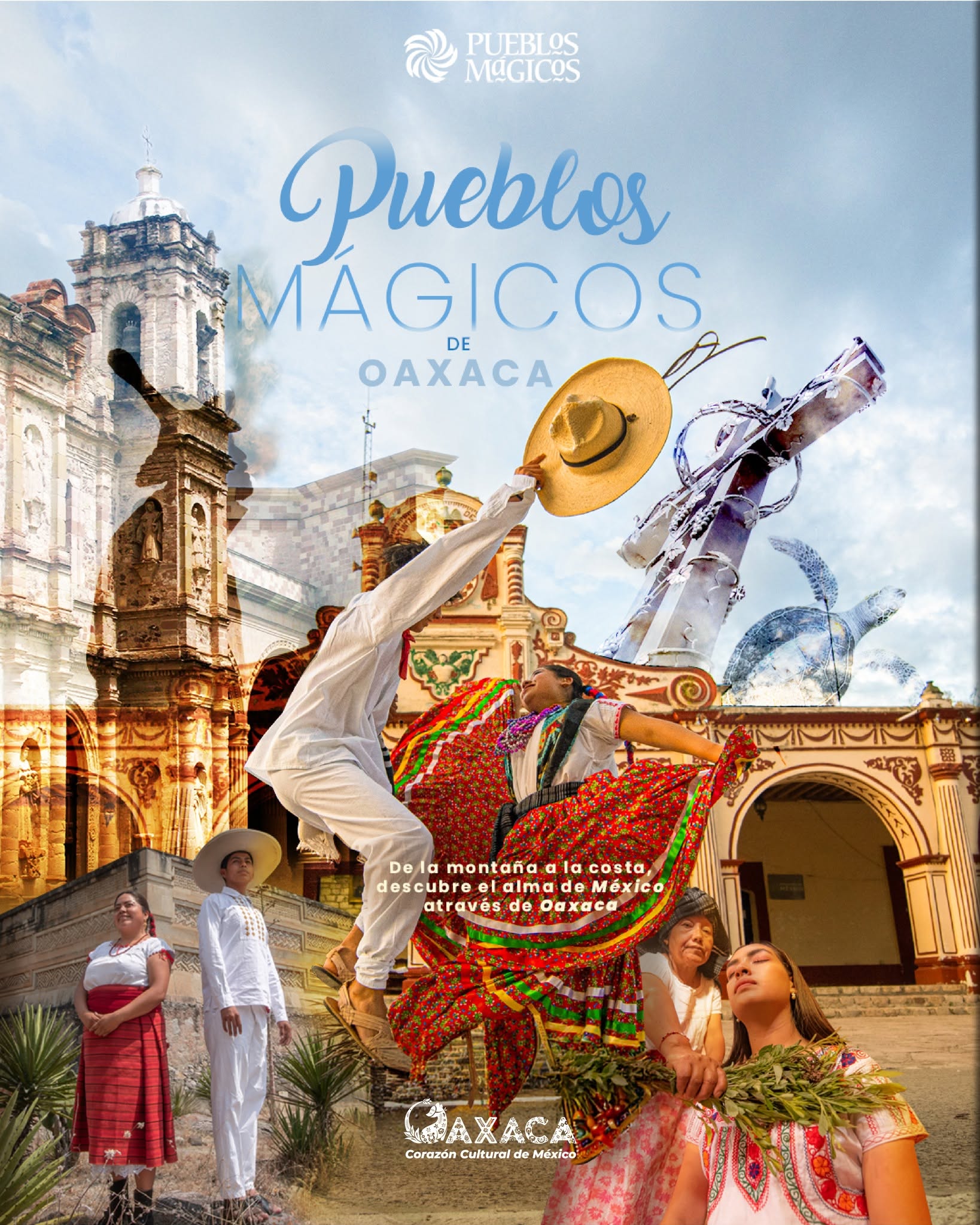
Oaxaca's Seven Magical Towns Offer Rich Culture
San Pablo Villa de Mitla, Mazunte, Punta Cometa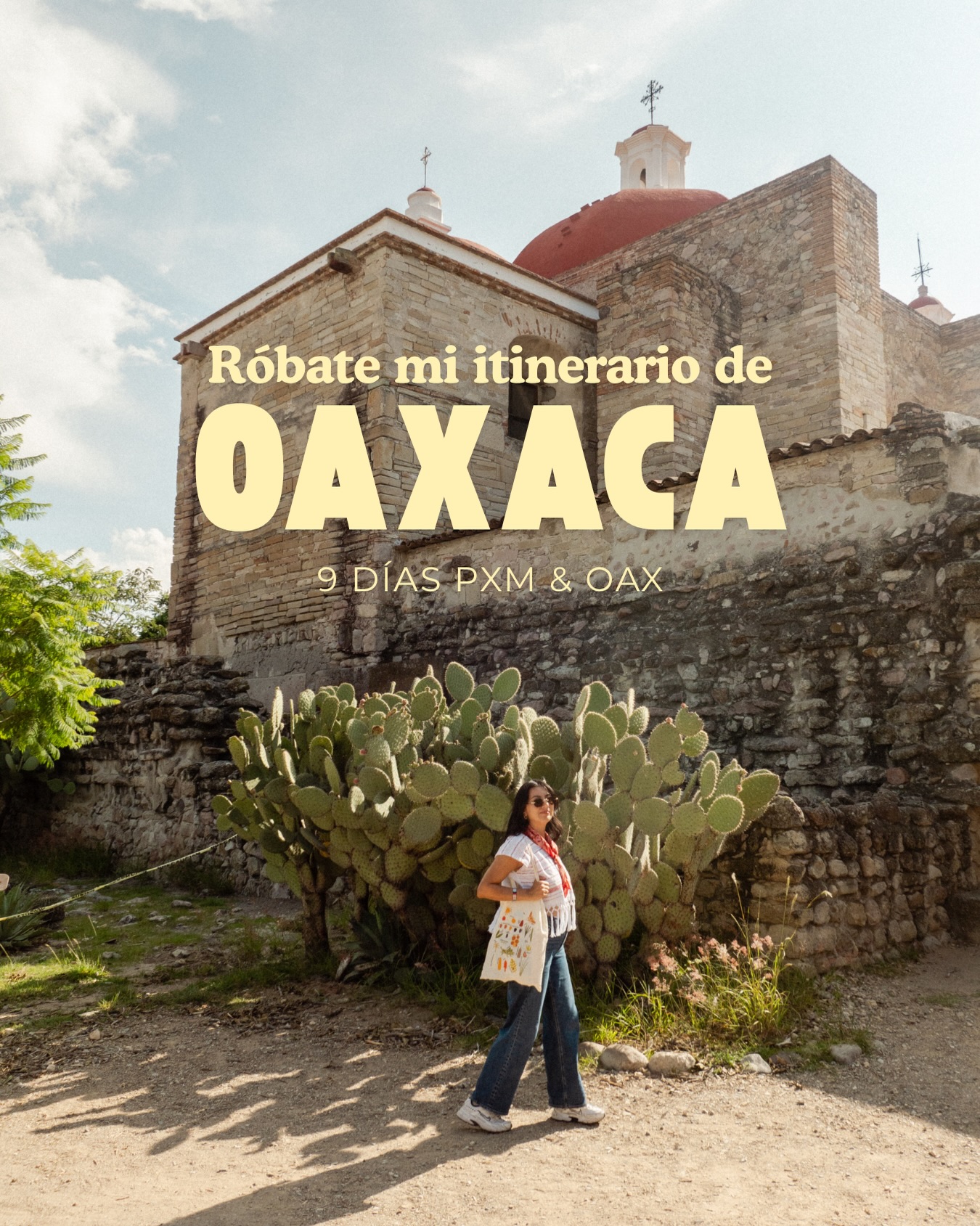
Oaxaca And Puerto Escondido: A Solo Birthday Trip
San Pablo Villa de Mitla, Tree of Tule, Templo de Santo Domingo de Guzmán