
South Korea Travel Guide: Seoul, Gyeongju, Busan, Jeju
Source:
@Manel Moreno

29 attractions in South Korea featured in a youtube post by Manel Moreno, verified on Google Maps: Gyeongbokgung Palace, Bukchon Hanok Village, Myeong-dong, and 26 more.
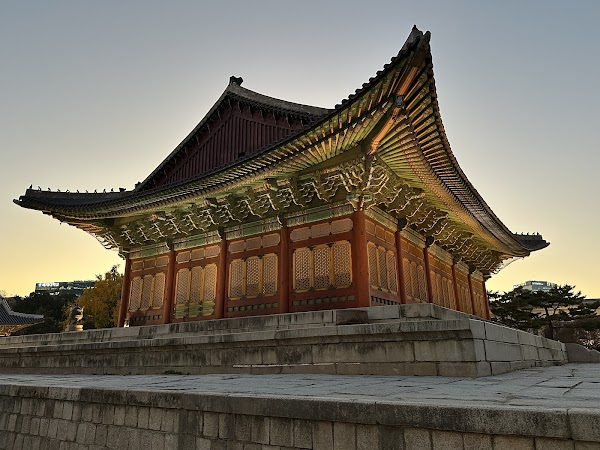
Gyeongbokgung Palace

Cultural landmark

4.6
Gyeongbokgung Palace is the largest and most iconic of the Five Grand Palaces built during the Joseon Dynasty in Seoul. It's a magnificent historical site offering a glimpse into Korea's royal past with its grand gates, courtyards, and intricate buildings. Don't miss the impressive changing of the guard ceremony, a highlight for many visitors.
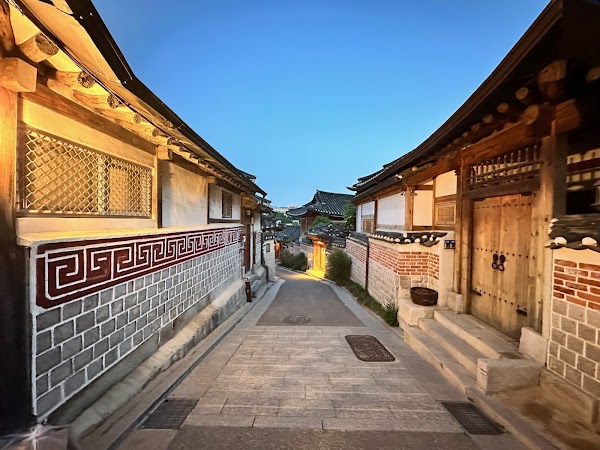
Bukchon Hanok Village
Landmark
4.4
Bukchon Hanok Village is a traditional Korean village nestled between Gyeongbokgung and Changdeokgung Palaces in Seoul. It's home to hundreds of traditional Korean houses (hanok) that date back to the Joseon Dynasty. Visitors can wander through its charming alleyways, admire the unique architecture, and experience a sense of old-world Korea.
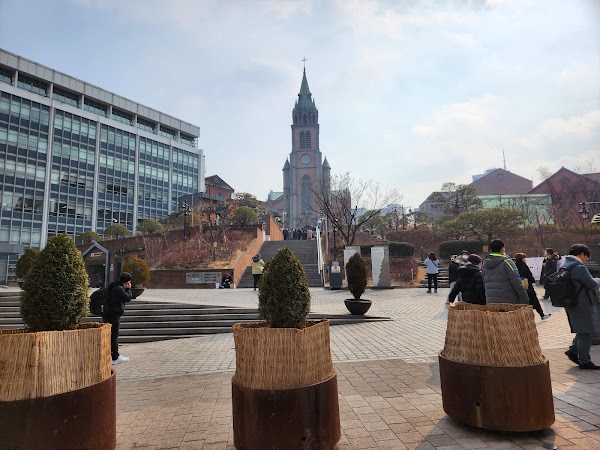
Myeong-dong

Place
Myeongdong is a vibrant and bustling district in Seoul, known for its lively atmosphere, street food, shopping, and entertainment. It's a popular spot for both tourists and locals, offering a wide array of Korean cosmetics, fashion, and delicious street eats. The area is particularly animated in the evenings with neon lights and street performers.
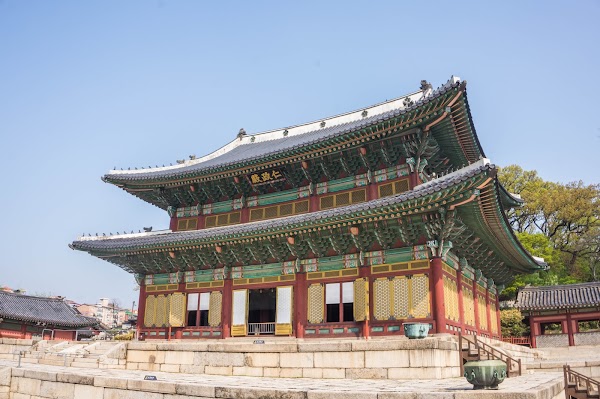
Changdeokgung
Cultural landmark
4.6
Changdeokgung Palace is a UNESCO World Heritage site in Seoul, renowned for its harmonious integration with the natural landscape. It served as a royal residence for centuries and features beautiful gardens, traditional Korean architecture, and a serene atmosphere. Visitors can explore its various halls, pavilions, and the secret garden, Huwon.
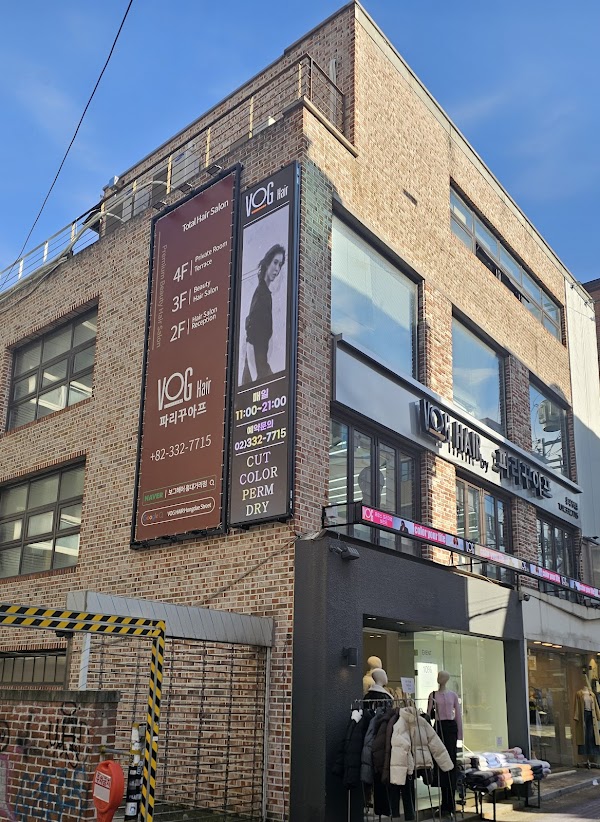
Hongdae Street
Landmark
4.5
Hongdae is a youthful and energetic neighborhood in Seoul, famous for its vibrant arts scene, indie music culture, and trendy shops. It's a hub for street performances, live music, and unique cafes, making it a popular destination for young people and those seeking a lively atmosphere. The area also offers a diverse range of dining options, from street food to international cuisine.
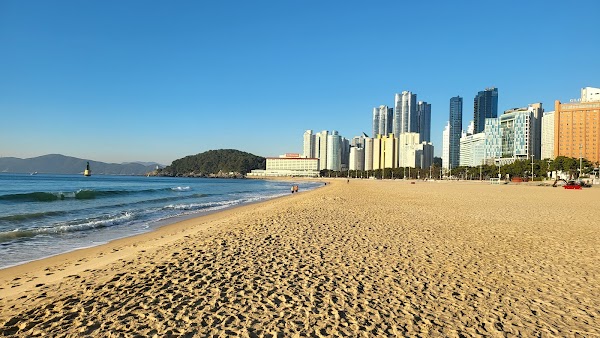
Haeundae Beach
Beach
4.6
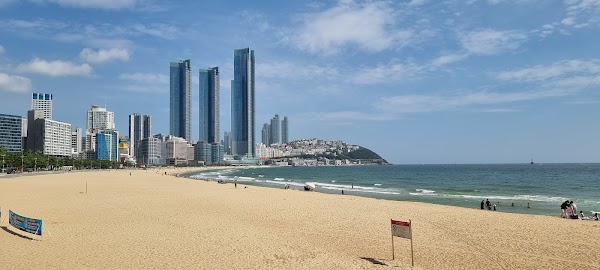
Haeundae Beach is one of Busan's most famous and popular beaches, known for its wide sandy shores and vibrant atmosphere. It's a perfect spot for relaxation, swimming, and enjoying the coastal views, with numerous cafes and restaurants nearby. The beach is particularly lively during the summer months and hosts various festivals.
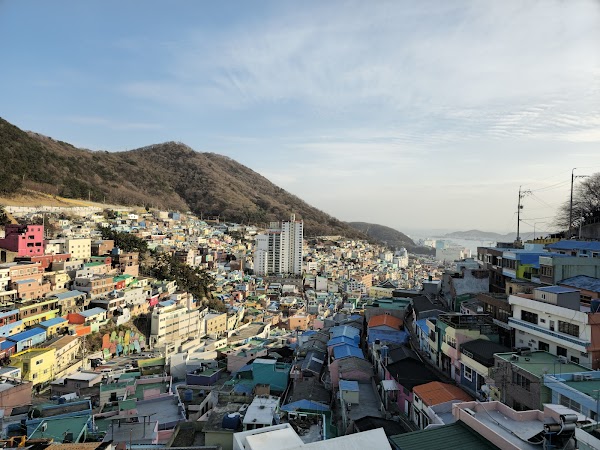
Gamcheon Culture Village, Busan
Landmark
4.4
Gamcheon Culture Village in Busan is a colorful and artistic hillside village, often referred to as the 'Machu Picchu of Busan.' It's famous for its brightly painted houses, narrow alleyways, and numerous art installations. Visitors can explore its charming streets, discover hidden cafes, and enjoy panoramic views of the city and the sea.
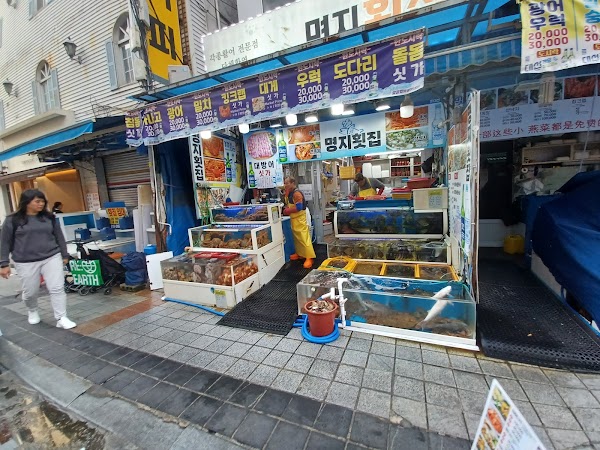
Jagalchi Market
Market
4.0
Jagalchi Market in Busan is South Korea's largest seafood market, a bustling and vibrant hub for fresh and dried seafood. Visitors can explore the lively stalls, choose their desired seafood, and have it prepared on-site at one of the many restaurants. It's an immersive culinary experience and a great place to sample local delicacies.
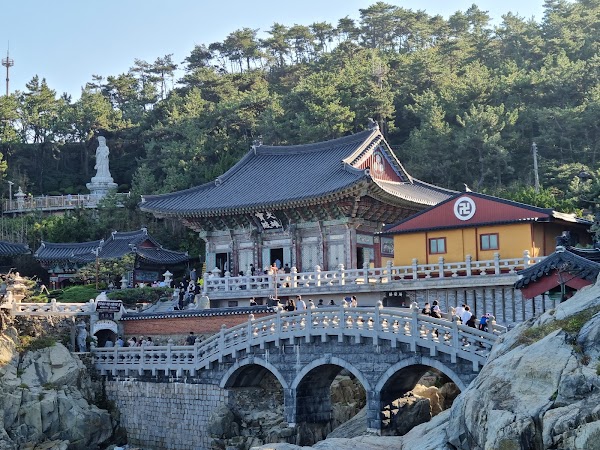
Haedong Yonggungsa Temple, Busan
Place of worship
4.4
Haedong Yonggungsa Temple is a rare and beautiful Buddhist temple located directly on the coastline of Busan, offering stunning ocean views. Unlike most temples nestled in mountains, this one provides a unique spiritual experience with the sound of waves in the background. It's a picturesque and serene place to visit, especially at sunrise.
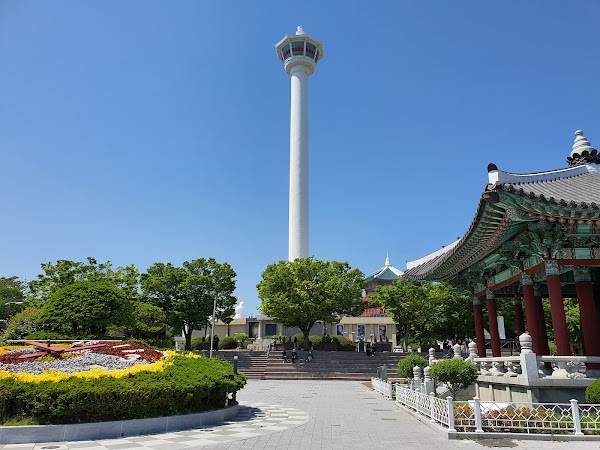
Yongdusan Park
Park
4.3
Yongdusan Park in Busan is a scenic park located on a hill, offering panoramic views of the city and its harbor. The park is home to the iconic Busan Tower, which provides even more expansive vistas. It's a great place to relax, enjoy nature, and take in the urban landscape.
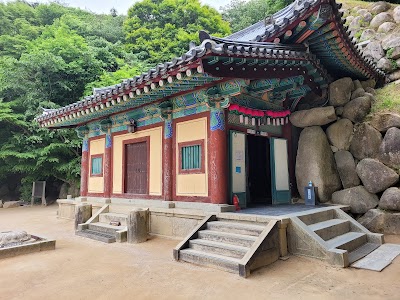
Seokguram Grotto
Buddhist temple
4.4
Seokguram Grotto, a UNESCO World Heritage site near Bulguksa Temple in Gyeongju, houses a monumental Buddha statue looking out to sea. This artificial grotto is a prime example of Silla Buddhist art and architecture, known for its intricate carvings and serene ambiance. It offers a spiritual and culturally enriching experience.
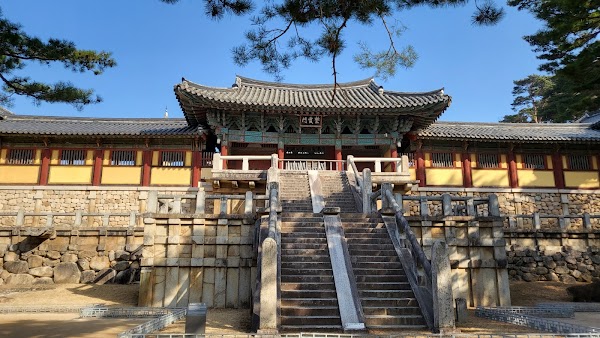
Bulguksa
Place of worship
4.6
Bulguksa Temple is a UNESCO World Heritage site in Gyeongju, considered a masterpiece of Silla Buddhist art. It features stunning stone pagodas, bridges, and halls, all set amidst beautiful natural surroundings. The temple is a significant spiritual and historical landmark, offering a peaceful atmosphere for contemplation and exploration.
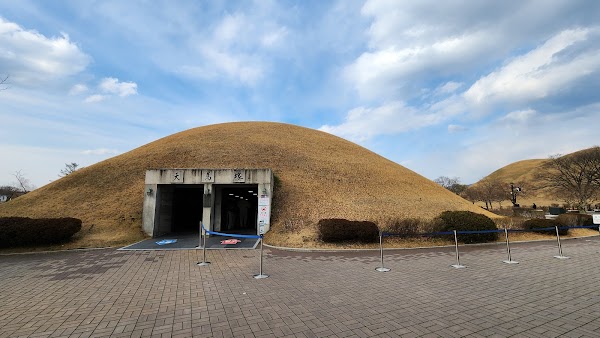
Daereungwon Tomb Complex
Place
4.5
Daereungwon Park in Gyeongju is home to numerous large, grass-covered burial mounds of Silla kings and nobles. Visitors can wander through the park, marvel at the unique tumuli, and even enter Cheonmachong Tomb to see excavated artifacts. It's a fascinating historical site that provides insight into the ancient Silla dynasty.
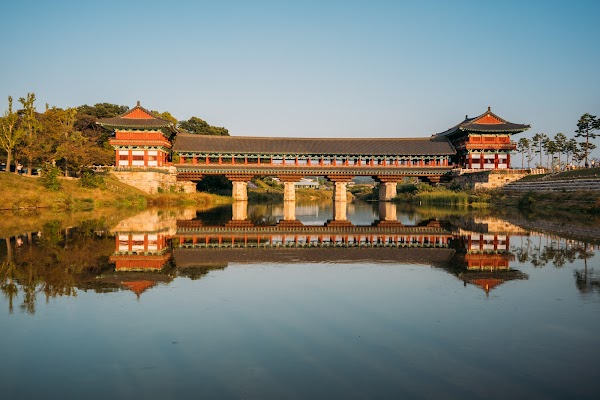
Woljeong Bridge
Landmark
4.6
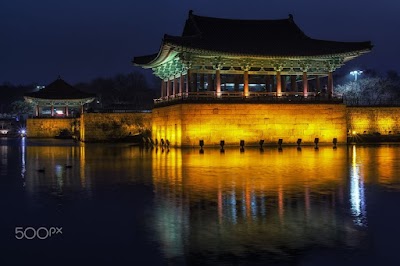
Woljeonggyo Bridge in Gyeongju is a beautifully reconstructed wooden bridge that once connected two royal palaces during the Silla Dynasty. It's particularly stunning at sunset and illuminated at night, offering picturesque views. The bridge is a testament to ancient Korean engineering and provides a romantic setting for a stroll.
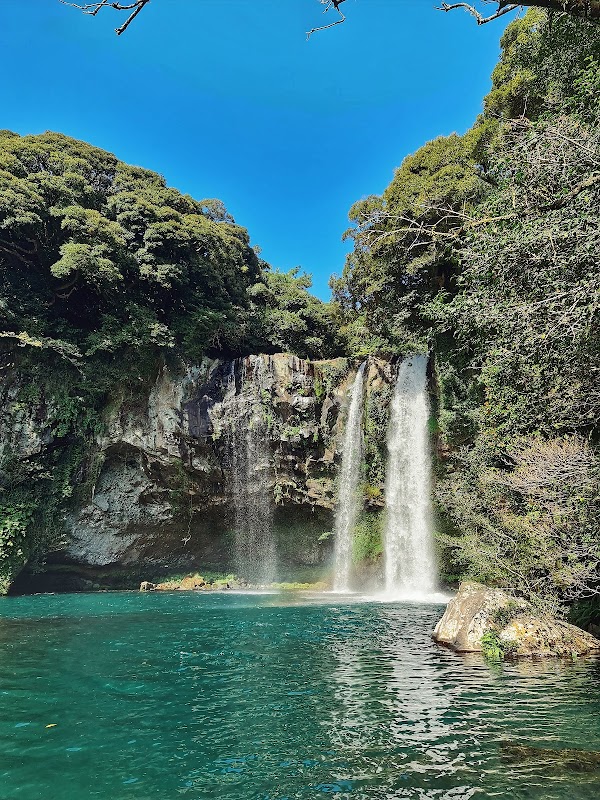
Cheonjiyeon Waterfall
Natural feature
4.3
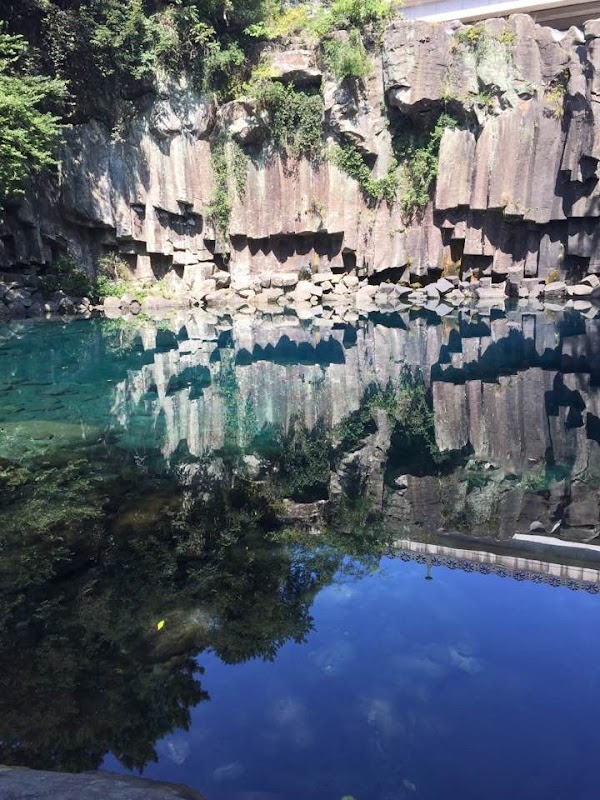
Cheonjiyeon Waterfall on Jeju Island is a picturesque waterfall cascading into a clear, emerald-green pool. Surrounded by lush vegetation, it offers a tranquil and refreshing escape. The waterfall is easily accessible and provides a beautiful natural setting for visitors to enjoy.
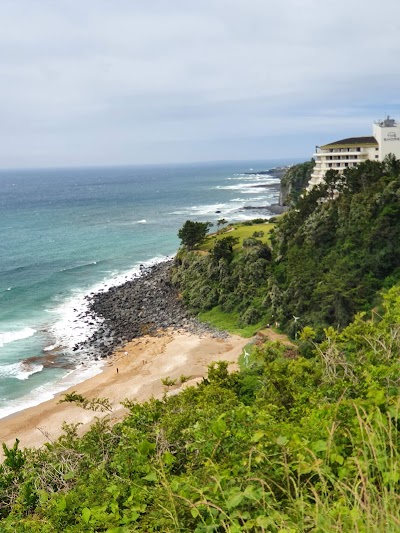
Jungmun Saekdal Beach
Beach
4.3
Jungmun Saekdal Beach on Jeju Island is a beautiful and popular beach known for its unique black, white, and red sand, as well as its excellent surfing conditions. It's a great spot for sunbathing, swimming, and various water sports. The beach is surrounded by stunning cliffs and offers a vibrant atmosphere.
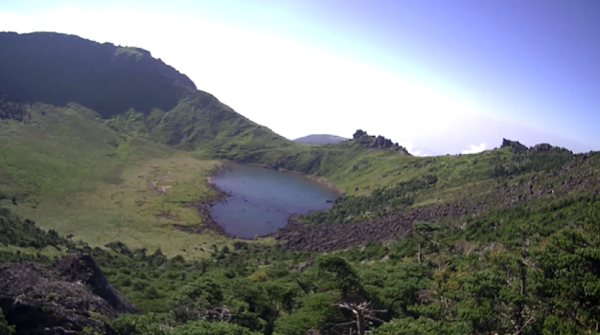
Hallasan National Park
National park
4.7
Hallasan National Park on Jeju Island is home to Hallasan Mountain, South Korea's highest peak and a dormant volcano. The park offers diverse hiking trails through stunning landscapes, including volcanic craters, alpine lakes, and lush forests. It's a paradise for hikers and nature enthusiasts, with breathtaking views from the summit.
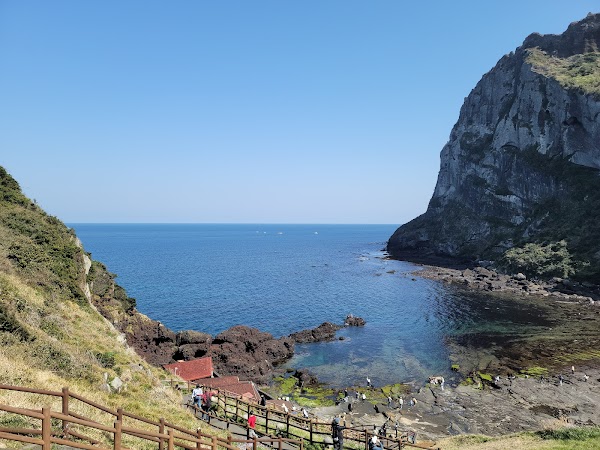
Seongsan Ilchulbong
Natural feature
4.7
Seongsan Ilchulbong, also known as 'Sunrise Peak,' is a UNESCO World Heritage site on Jeju Island, a spectacular volcanic crater rising from the sea. It's famous for its breathtaking sunrises and offers a rewarding hike to the crater rim with panoramic views of the ocean and the surrounding landscape. It's a must-visit for nature lovers and photographers.
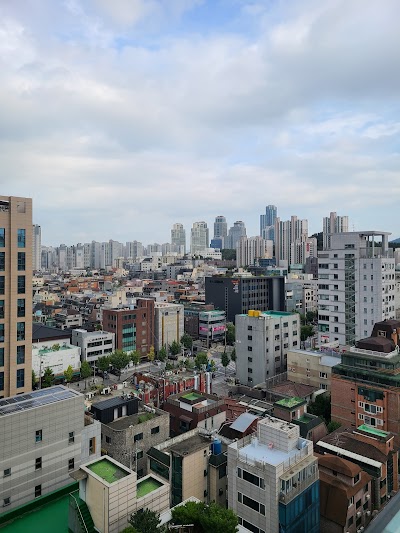
Gangnam-gu
Place
Gangnam is an upscale district in Seoul, known for its modern skyscrapers, luxury shopping, and vibrant nightlife. It's a symbol of South Korea's economic prosperity and is often associated with trendy fashion, high-end restaurants, and entertainment. The area also features a blend of modern and traditional elements, with temples and historical sites nestled among contemporary buildings.
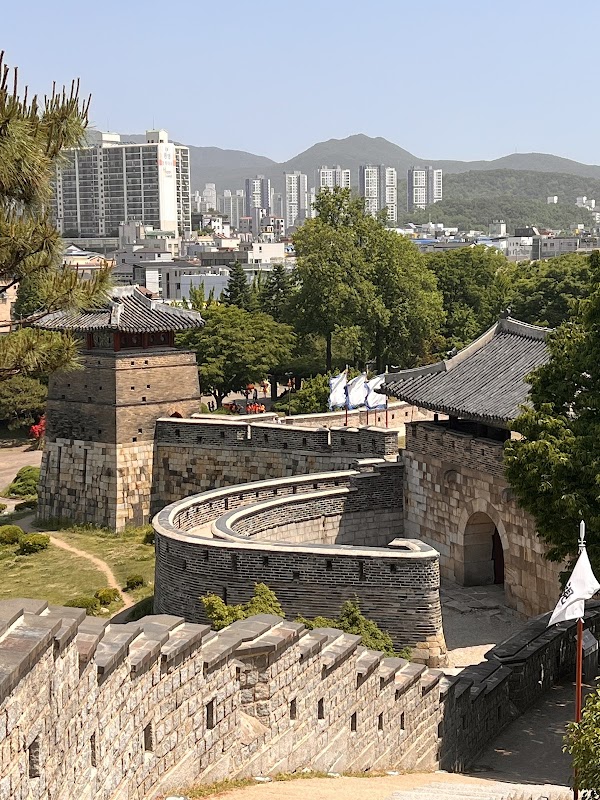
Suwon Hwaseong Fortress
Historical place
4.6
Hwaseong Fortress in Suwon is a UNESCO World Heritage site, an impressive example of 18th-century Korean military architecture. The fortress walls stretch for over 5 kilometers, offering scenic walks and panoramic views of the city. Visitors can explore its various gates, bastions, and command posts, and even try traditional archery.
Hwaseong Haenggung
Historical landmark
4.5
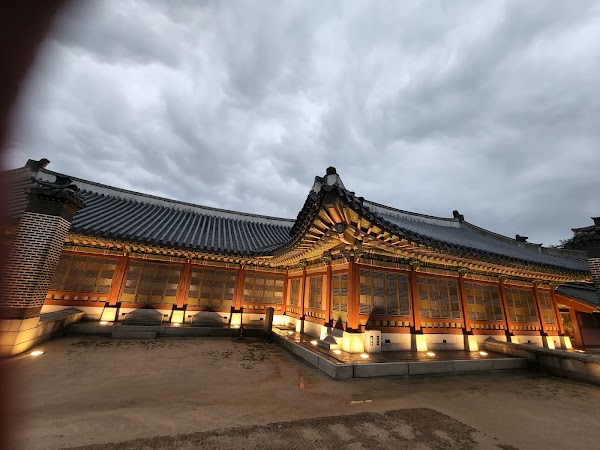
Haenggung Palace, located within Hwaseong Fortress in Suwon, served as a temporary palace for the king during his visits to the fortress. It's a beautiful example of traditional Korean palace architecture, offering a glimpse into royal life. The palace grounds are well-preserved and provide a peaceful setting for visitors to explore.
Jeju Island
Natural feature
4.3
Jeju Island is a volcanic island and a UNESCO World Heritage site, known for its stunning natural beauty, unique geological formations, and mild climate. It offers a diverse range of attractions, from pristine beaches and waterfalls to volcanic craters and lush forests. Jeju is a popular destination for nature lovers and those seeking outdoor adventures.
Busan
Place
Busan is South Korea's second-largest city, a vibrant port city known for its beautiful beaches, bustling markets, and stunning coastal scenery. It offers a dynamic blend of urban attractions and natural beauty, with mountains, temples, and hot springs. The city is a great destination for seafood lovers and those seeking a lively atmosphere.
Gyeongju-si
Place
Gyeongju is often referred to as the 'museum without walls' due to its rich historical and cultural heritage as the ancient capital of the Silla Kingdom. The city is dotted with numerous UNESCO World Heritage sites, including temples, royal tombs, and historical villages. It offers a serene and educational experience for those interested in Korean history and traditional culture.
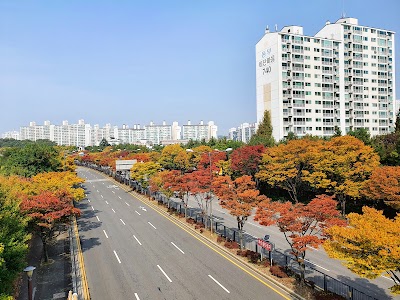
Suwon-si
Place
Suwon is a city south of Seoul, best known for its magnificent Hwaseong Fortress, a UNESCO World Heritage site. This impressive fortress wall encircles the city center and offers a fantastic opportunity for walking and exploring historical gates, pavilions, and watchtowers. Suwon is also famous for its delicious fried chicken, a local specialty.
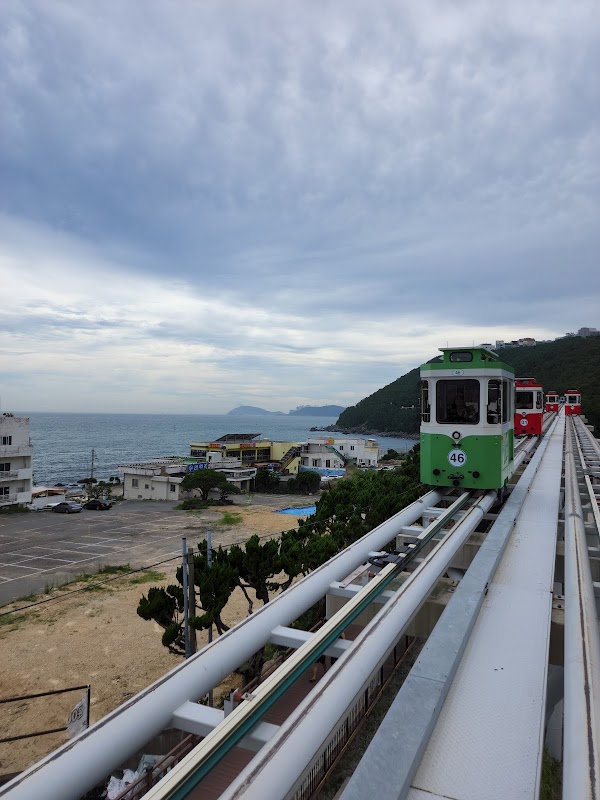
Haeundae Blueline Park
Landmark
4.4
Haeundae Blueline Park in Busan offers a unique coastal experience with its Sky Capsule and Coastal Train. The Sky Capsule provides a charming, private ride along the coastline with stunning ocean views, while the Coastal Train offers a more traditional and affordable way to enjoy the scenic route. It's a fantastic way to explore the beautiful Haeundae area.
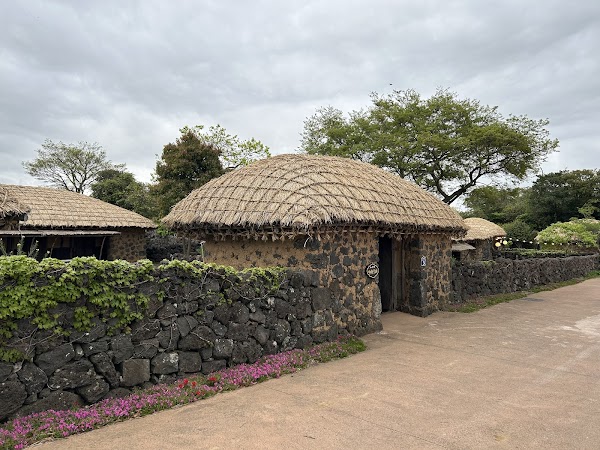
Seongeup Folk Village
Landmark
3.8
Seongeup Folk Village on Jeju Island is a well-preserved traditional village that offers a glimpse into the island's past. Visitors can explore traditional thatched-roof houses, stone walls, and ancient trees, learning about the local culture and customs. It's a living museum that provides an authentic cultural experience.
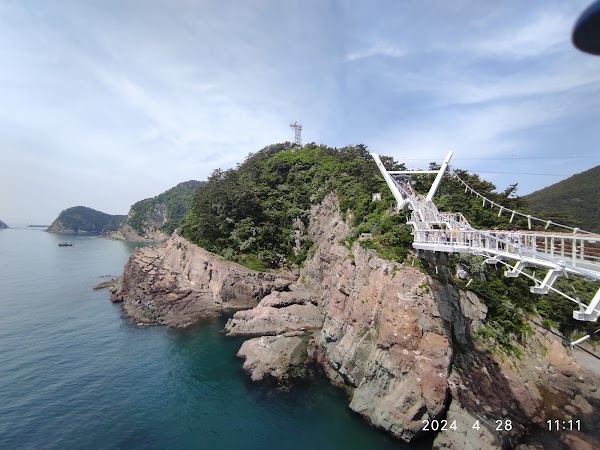
Songdo Yonggung Suspension Bridge
Landmark
4.3
The Songdo Yonggung Suspension Bridge in Busan offers breathtaking views of the coastline and connects to a small island. It's a thrilling experience to walk across the bridge, with the ocean stretching out below. The area also features a cable car that provides panoramic vistas of the city and the sea.

DMZ
School
2.5
The Demilitarized Zone (DMZ) is a heavily fortified border separating North and South Korea, offering a unique and poignant historical experience. Visitors can explore various sites, including observation posts, tunnels, and museums, to learn about the Korean War and the ongoing division of the peninsula. It's a powerful reminder of a complex geopolitical situation.