Uji, Japan: Temples, Tea Houses, and Ancient Bridges
Source:
@PiQtour Japan


7 places on the map
Explore the map in the DocentPro app7 attractions in Kyoto: Uji Bridge, Byodo-in Temple, Kinkaku-ji, and 4 more. Every place is verified on Google Maps, featured in a YouTube post by PiQtour Japan.

Uji Bridge

Bridge

4.2
One of the oldest bridges in Japan, built in 646 over the Uji River. • The current bridge was rebuilt in 1996 in a traditional design. • A statue of a court lady, Murasaki Shikibu, author of "The Tale of Genji", is next to the bridge. • Water is drawn from here for the annual Ujicha Tea Festival every October.

Byodo-in Temple
Place of worship
4.5
A UNESCO World Heritage site and one of the most famous places in Uji. • Original construction was in 1053 as a villa for a politician. • The Phoenix Hall resembles a phoenix with outstretched wings and a tail. • Admission is 700 yen for adults; payment is cash only.
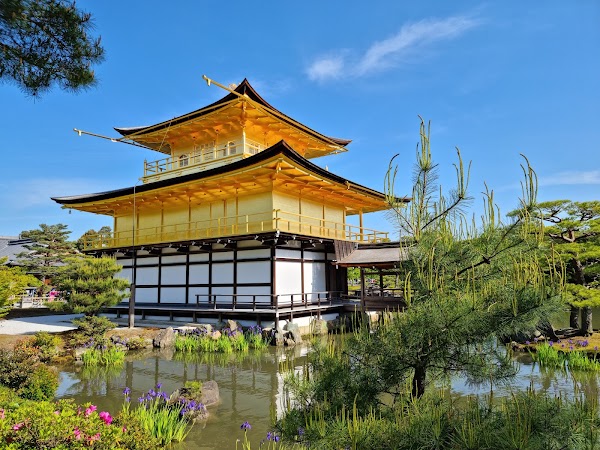
Kinkaku-ji
Place of worship
4.5
A Zen Buddhist temple in northern Kyoto whose top two floors are covered in gold leaf. • Also known as the Golden Pavilion, it is a UNESCO World Heritage Site.

Nakamura Tokichi Honten 中村藤吉本店

Cafe
4.4
A traditional tea house that has been perfecting the art of tea for over 160 years. • Get a matcha parfait for an authentic matcha experience. • The cafe offers scenic views of the Uji River. ✓ To guarantee a seat in the cafe, arrive early as there is no line.

Fukujuen Uji (Uji Tea Factory)
Tea store
4.2
This place has been making tea since 1790, offering a variety of tea workshops. • Make a reservation online in advance. • You can contact them and ask your hotel to reach out for you. • Making your own matcha is a unique experience.

Uji Shrine
Shinto shrine
4.1
This shrine has a funny connection with rabbits. • Rabbits led an imperial prince to safety when he was lost. • Students pray for success on academic exams here. • Features a Chozuya purification fountain with a rabbit statue.

Ujikami Shrine
Place of worship
4.2
Probably the oldest standing Shinto shrine in Japan, built around 1060. • Dedicated to the sons of the 15th Emperor, Emperor Ojin. • One of the sons committed suicide to clear questions about imperial succession. • It was originally one shrine with Uji Shrine, separated during the Meiji period.
Save these 7 places to your map
Keep every place on your own map in DocentPro, and add more as you browse.
More featured places in Kyoto
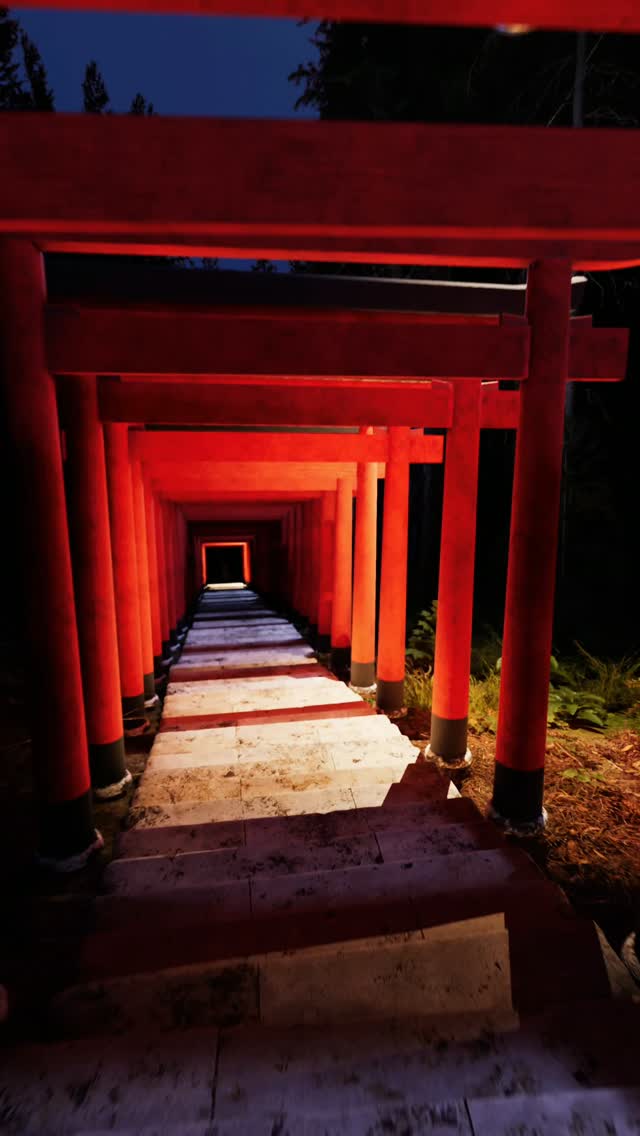
Fushimi Inari Shrine's Mysterious Torii Gate Path
Fushimi Inari Taisha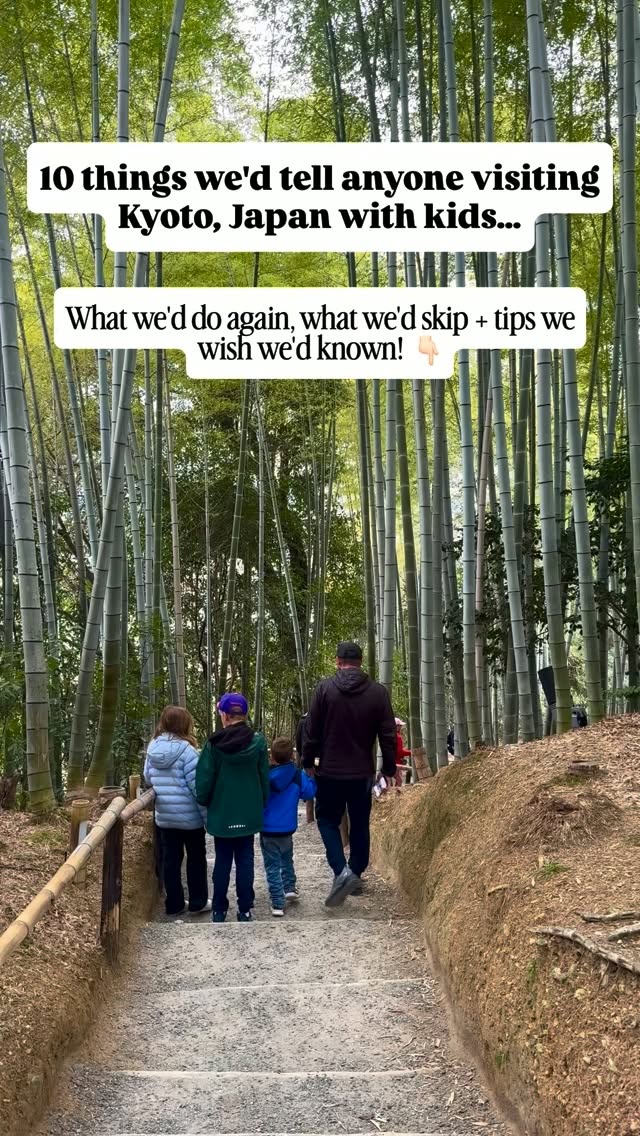
Kyoto Family Adventures: Temples, Markets, and Nature
Kōdaiji Temple, Arashiyama Bamboo Forest, Nishiki Market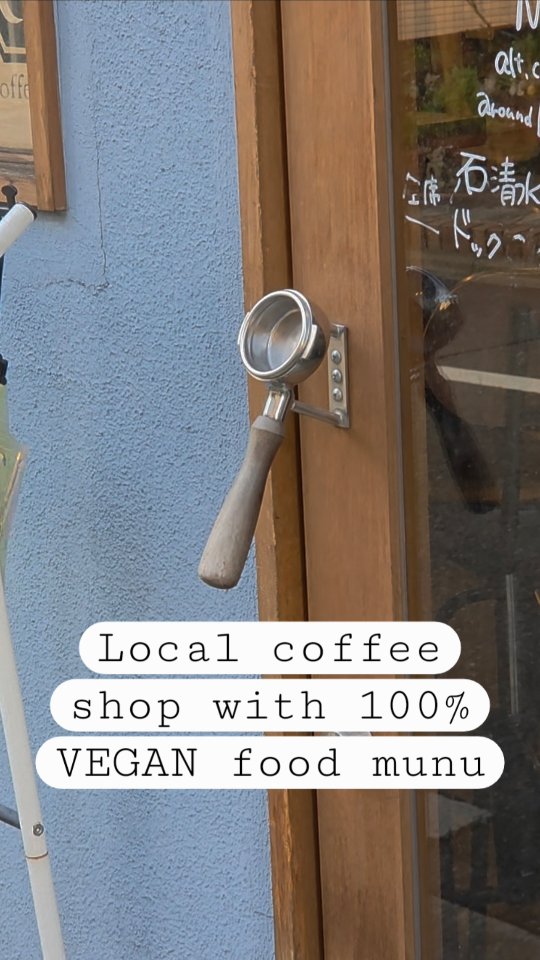
Kyoto Vegan Cafe Near Historic Landmarks
Nijō Castle, Iwashimizu Hachiman-gu Shrine, Alt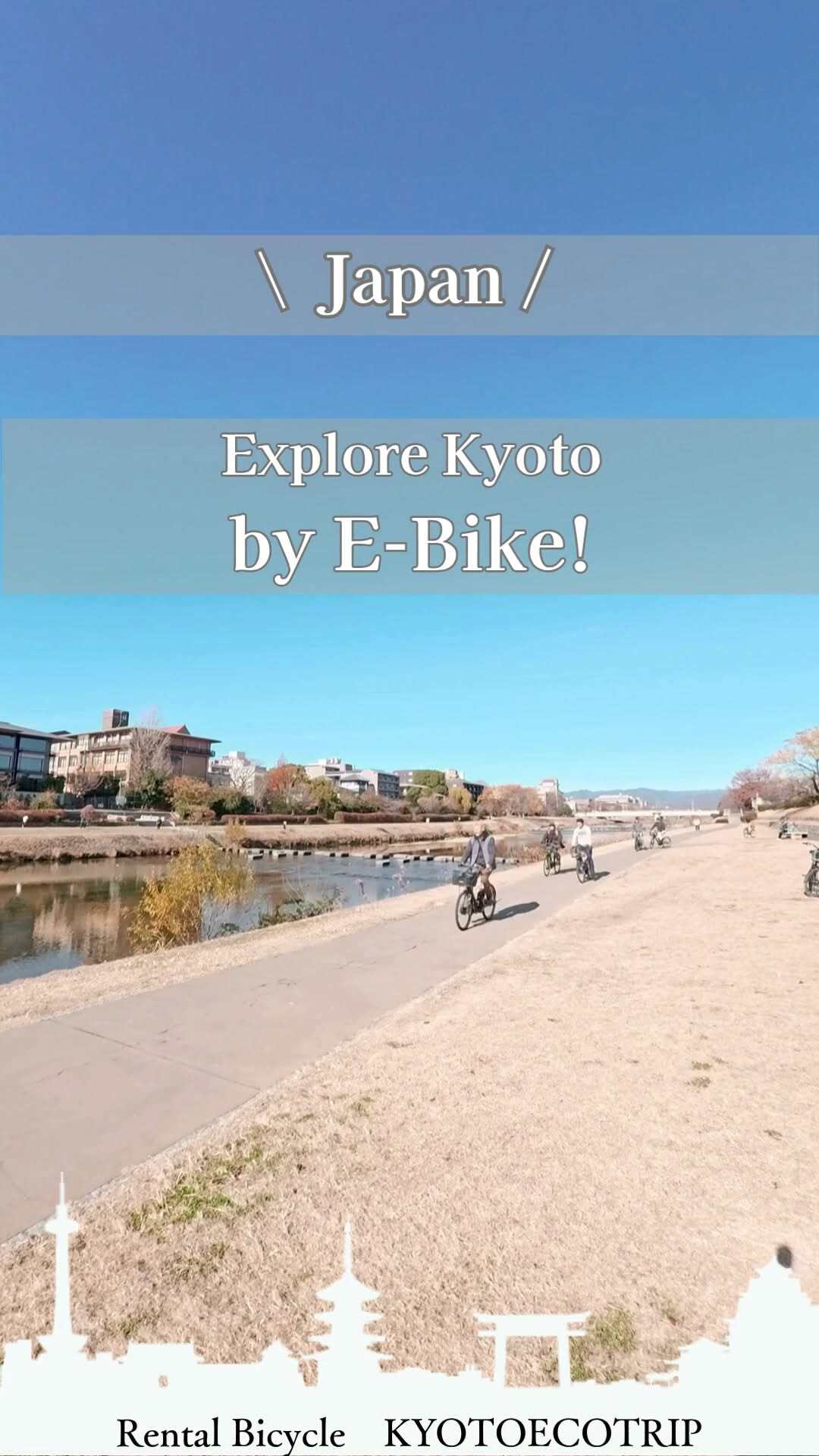
Kyoto E-Bike Tour of Shrines and Imperial Sites
Fushimi Inari Taisha, Heian Shrine, Kyoto Imperial Palace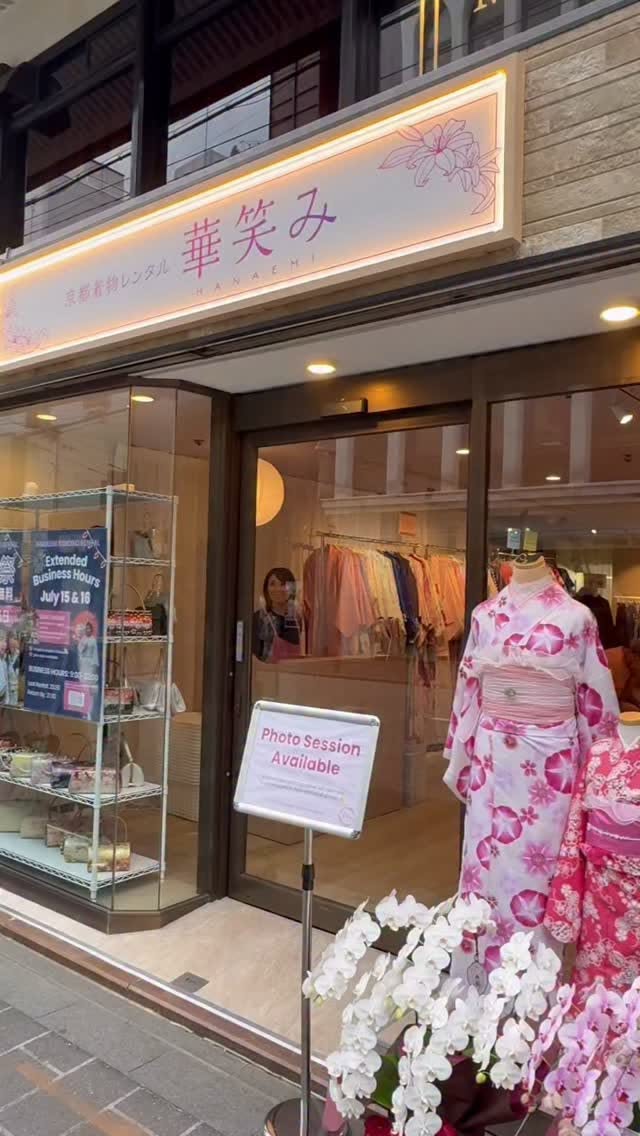
Kyoto Kimono Rental HANAEMI Near Yasaka Shrine
Yasaka Jinja, Kyoto Kimono Rental HANAEMI