Save places from Instagram, TikTok, YouTube and more
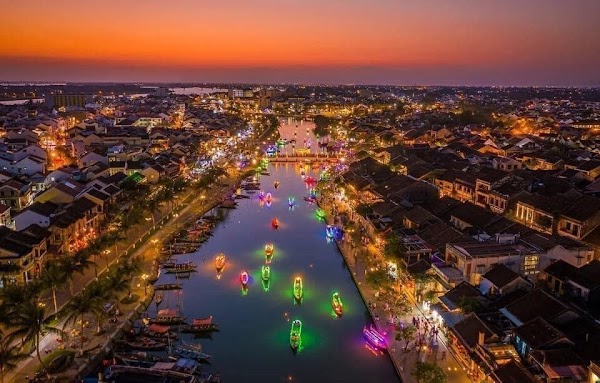
Chùa Cầu

Attraction

4.2 (19878 reviews)
Landmark 18th-century wooden bridge featuring elaborate carvings & a pedestrian passageway.
186 Trần Phú, Phường Minh An, Hội An, Quảng Nam, Vietnam
Did You Know?
Century of Construction
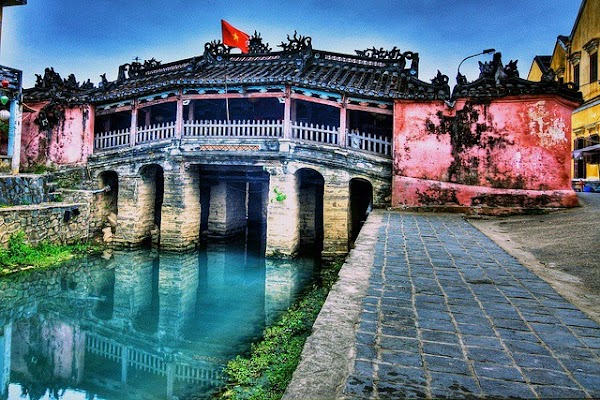
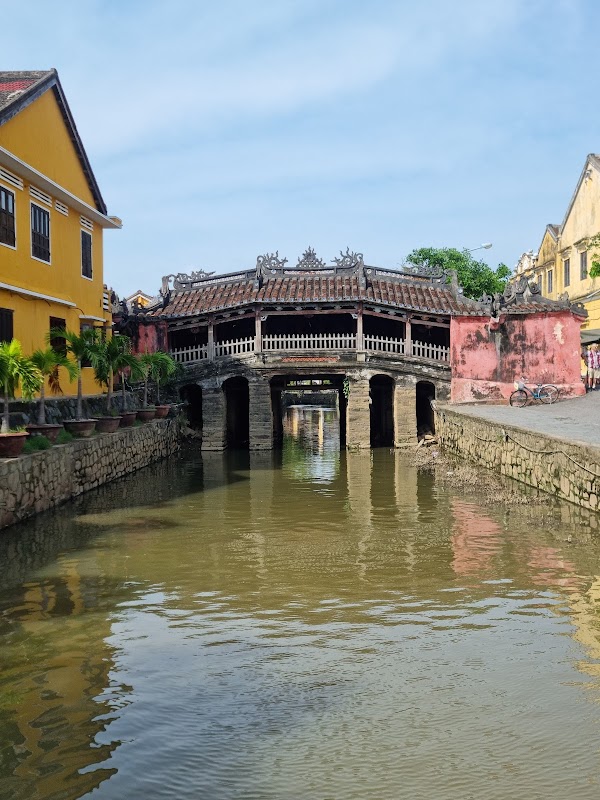
Chùa Cầu, also known as the Japanese Covered Bridge, was built in the 17th century, showcasing a unique blend of Japanese and Vietnamese architectural styles.
Architectural Style
The bridge features a distinctive pagoda-like structure at its center, housing a small shrine dedicated to the deity Tran Vo, who is believed to protect the city from floods and storms.
Color Symbolism
The bridge is painted in vibrant red, a color associated with good luck and prosperity in Vietnamese culture.
Popular Attraction
Chùa Cầu is a popular tourist destination in Hoi An, offering stunning views of the Thu Bon River and the surrounding historic district.
Highlights from Reviews
• architectural beauty
The bridge showcases a unique and beautifully preserved blend of Japanese, Chinese, and Vietnamese architectural styles with intricate carvings.
• historical significance
As a 17th-century landmark built by Japanese merchants, it holds deep historical value and is a symbol of cultural fusion.
• iconic symbol
It's an iconic symbol of Hoi An, famously featured on the 20,000 VND banknote, making it a must-see for visitors.
• evening atmosphere
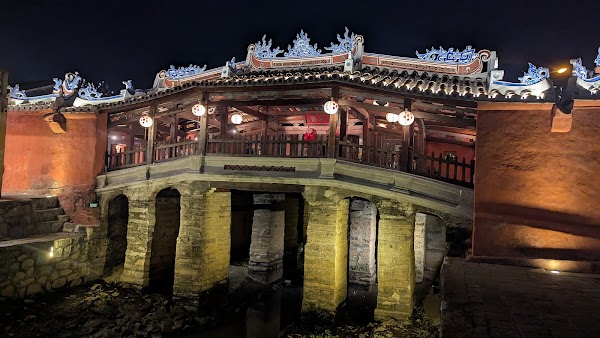
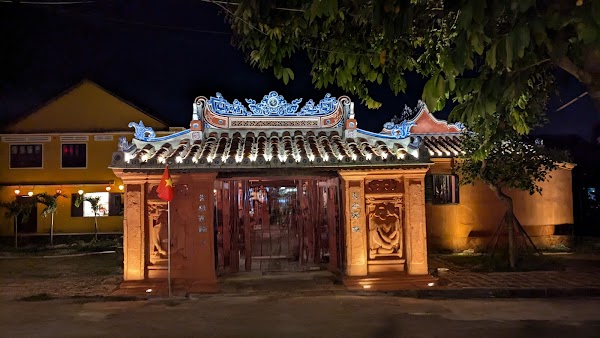
In the evening, the bridge and surrounding Old Town come alive with colorful lanterns, creating a magical and vibrant atmosphere.
• free exterior access
Visitors can freely walk across the bridge and admire its exterior architecture without needing to purchase a ticket.
Featured in
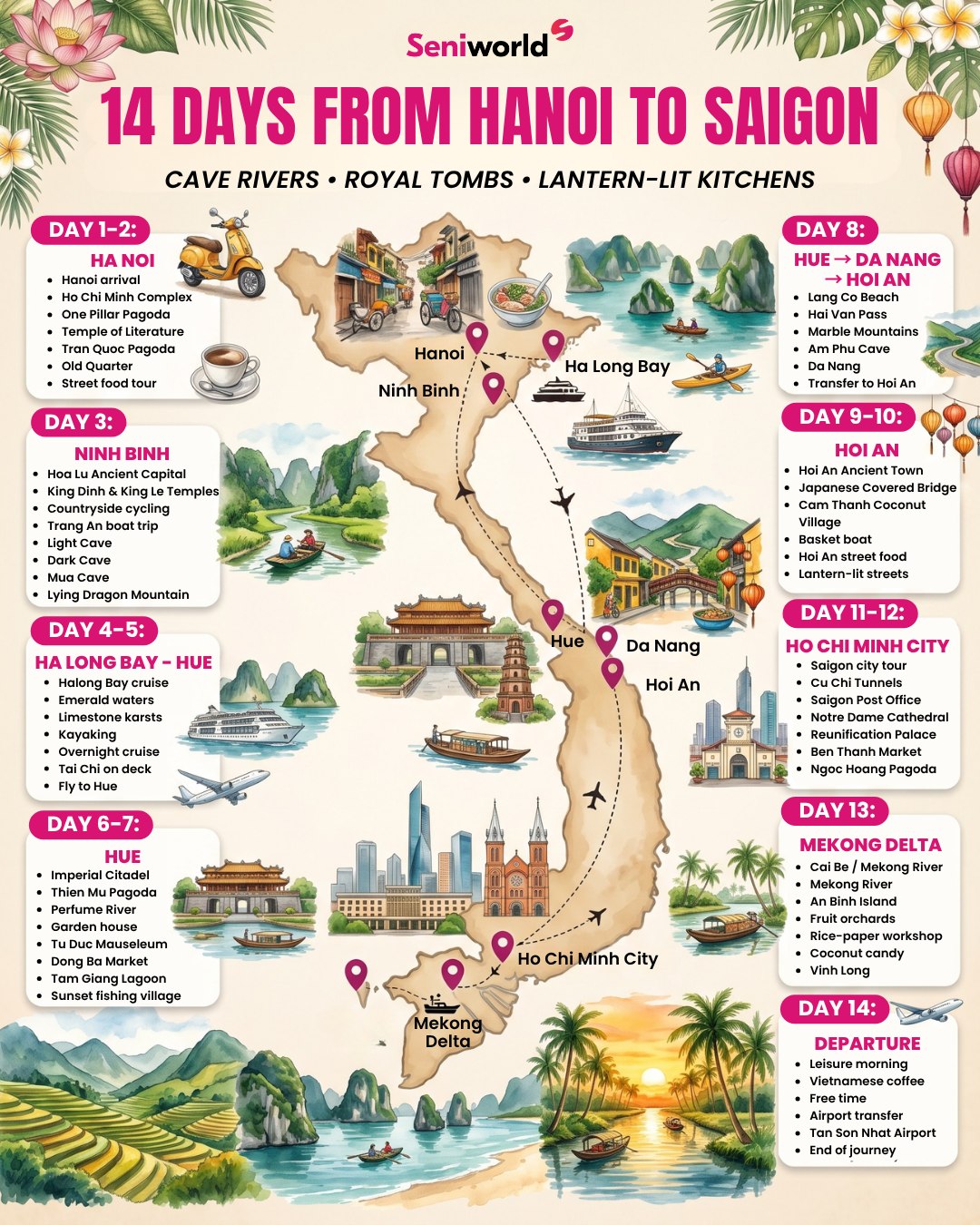
Vietnam North To South Exploration Itinerary
One Pillar Pagoda, Ho Chi Minh's Mausoleum, Temple Of Literature
Vietnamese North to South Cultural and Natural Highlights
Ho Chi Minh's Mausoleum, Temple Of Literature, Hoàn Kiếm Lake
Hoi An's Top Attractions and Travel Tips
An Bang Beach, Hội An Night Market, Old Town
Da Nang and Hoi An Vietnam Travel Itinerary
The Marble Mountains, Dragon Bridge, Ba Na Hills
Vietnam Itinerary: Hanoi to Ho Chi Minh City
Tran Quoc Pagoda, Dragon Bridge, Ba Na Hills
Vietnam's Cities: Attractions And Experiences
Hoàn Kiếm Lake, Old Quarter, Xuan Huong Lake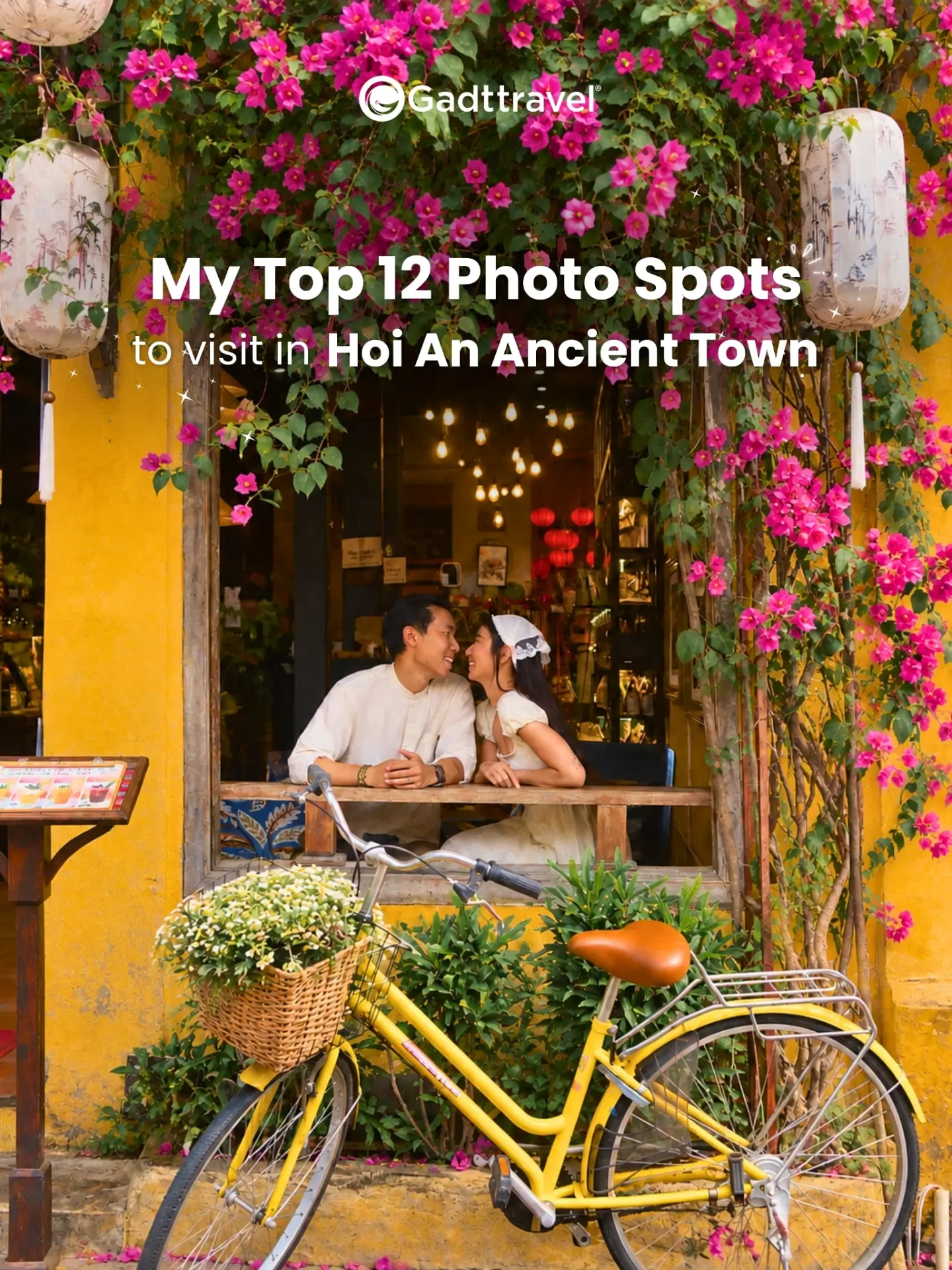
Hoi An's Most Picture-Perfect Locations
Hội An Night Market, Hoi Quan Phuoc Kien, Mót Hội An - Nước Thảo Mộc Sả Chanh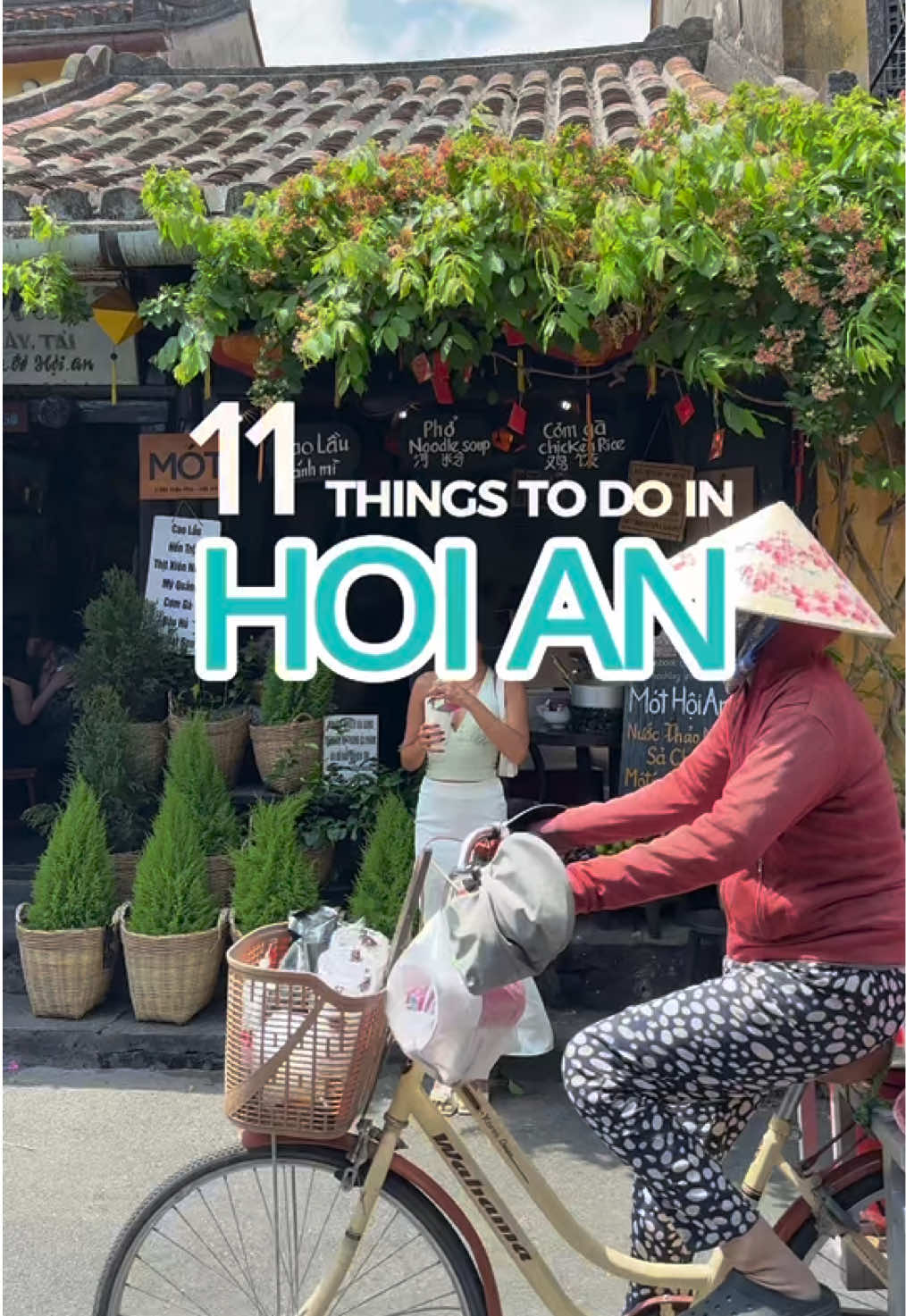
Hoi An: Historic Sites, Markets, and Culinary Delights
Hội An Night Market, Old House of Tan Ky, Bánh Mì Phượng
Hoi An: Ancient Town Charm and Coconut Forests
Hội An Night Market, Bay Mau Coconut Forest, 41 Tailor In Hoi An Cloth Market - The Only 41 Tailor in Hoi An
Vietnam's Top Destinations: Cities, Mountains, and Beaches
Temple Of Literature, Hoàn Kiếm Lake, Old Quarter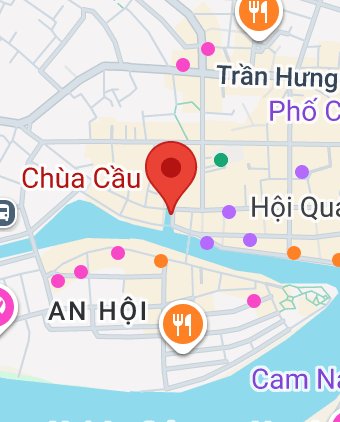
Hoi An's Historic Japanese Covered Bridge
Old Town