Save places from Instagram, TikTok, YouTube and more
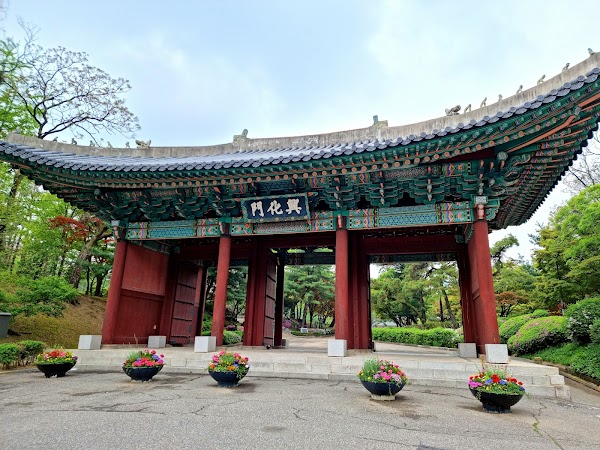
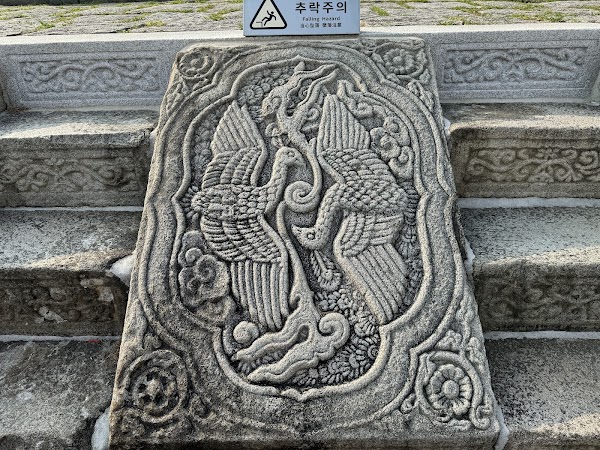
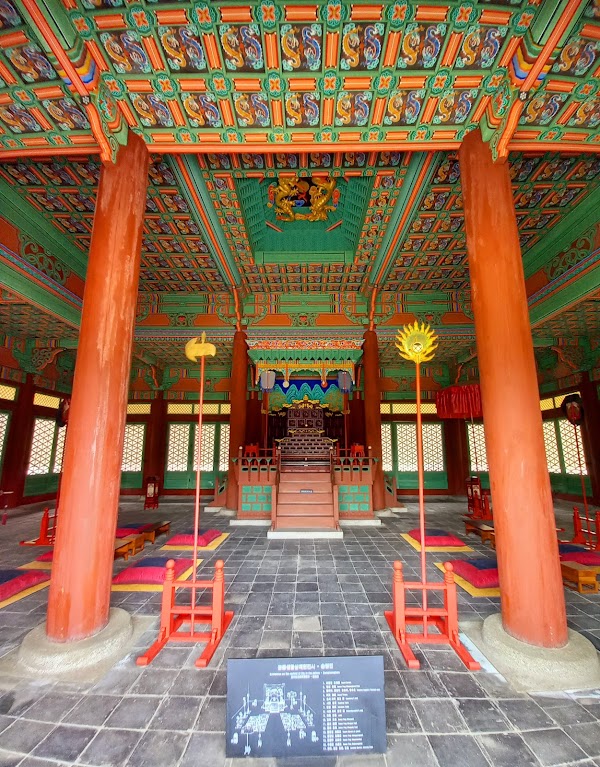
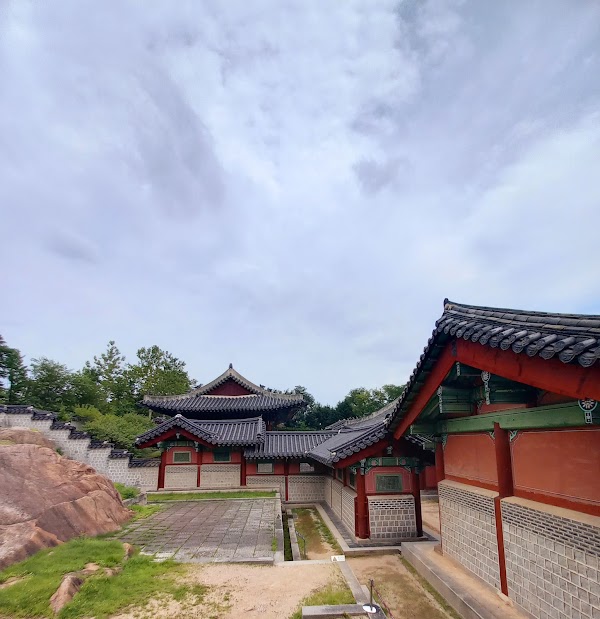
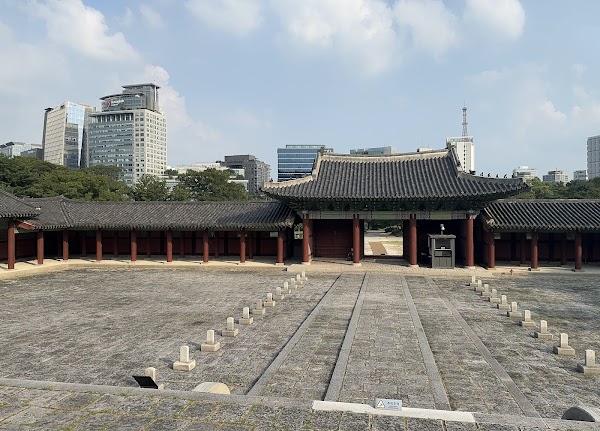
Gyeonghuigung Palace

Attraction

4.4 (1176 reviews)
Palace originally built in the 17th century by the Joseon dynasty, with an adjacent history museum.
45 Saemunan-ro, Jongno District, Seoul, South Korea
+82 2-724-0274
Highlights from Reviews
• free entry
Admission is free, making it an accessible and budget-friendly option for visitors.
• less crowded
The palace is generally less crowded than other major palaces, offering a more peaceful and relaxed visit.
• quiet atmosphere
Provides a serene escape from the city's hustle and bustle, allowing for quiet contemplation and enjoyment of the surroundings.
• historical significance
Served as a secondary palace with a rich history, offering insights into Joseon dynasty's strategic retreats and royal life.
• beautiful gardens
The outer gardens are particularly beautiful, especially in autumn, providing scenic views and a pleasant walking environment.
Featured in
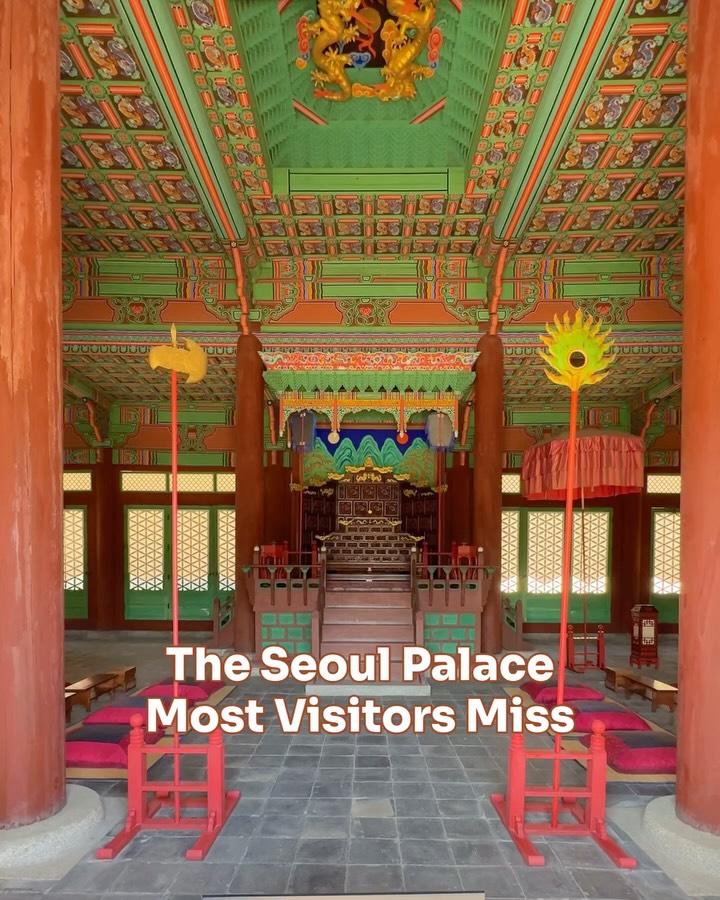
Explore Seoul's Palaces and Historic Sites
Geunjeongjeon, Seoul Museum of History, Gwanghwamun Gate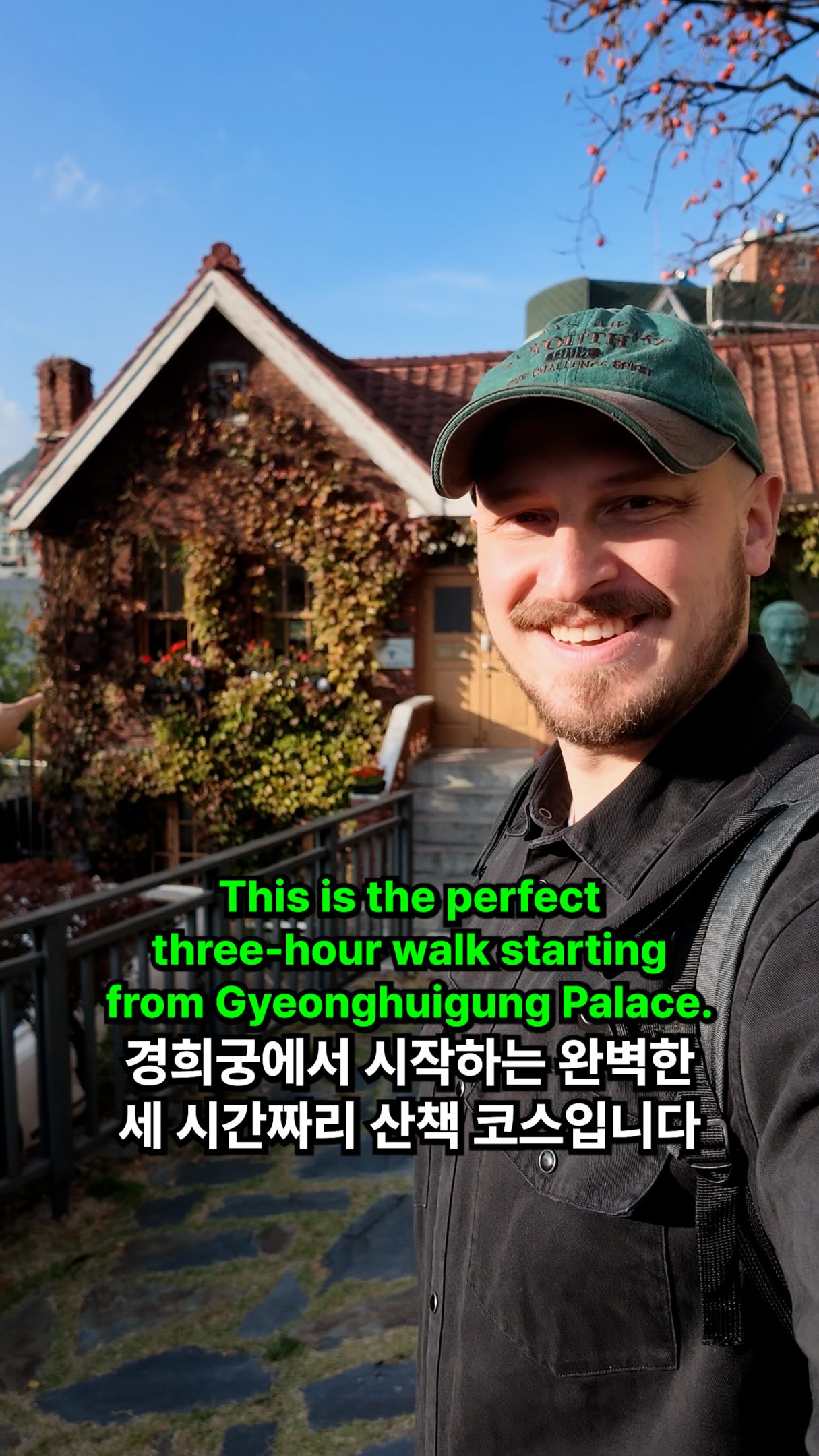
Seoul Walking Tour Features Historic Homes and Palaces
Dilkusha (Albert W. Taylor House), Site of General Gwon Yul's House, 7-Eleven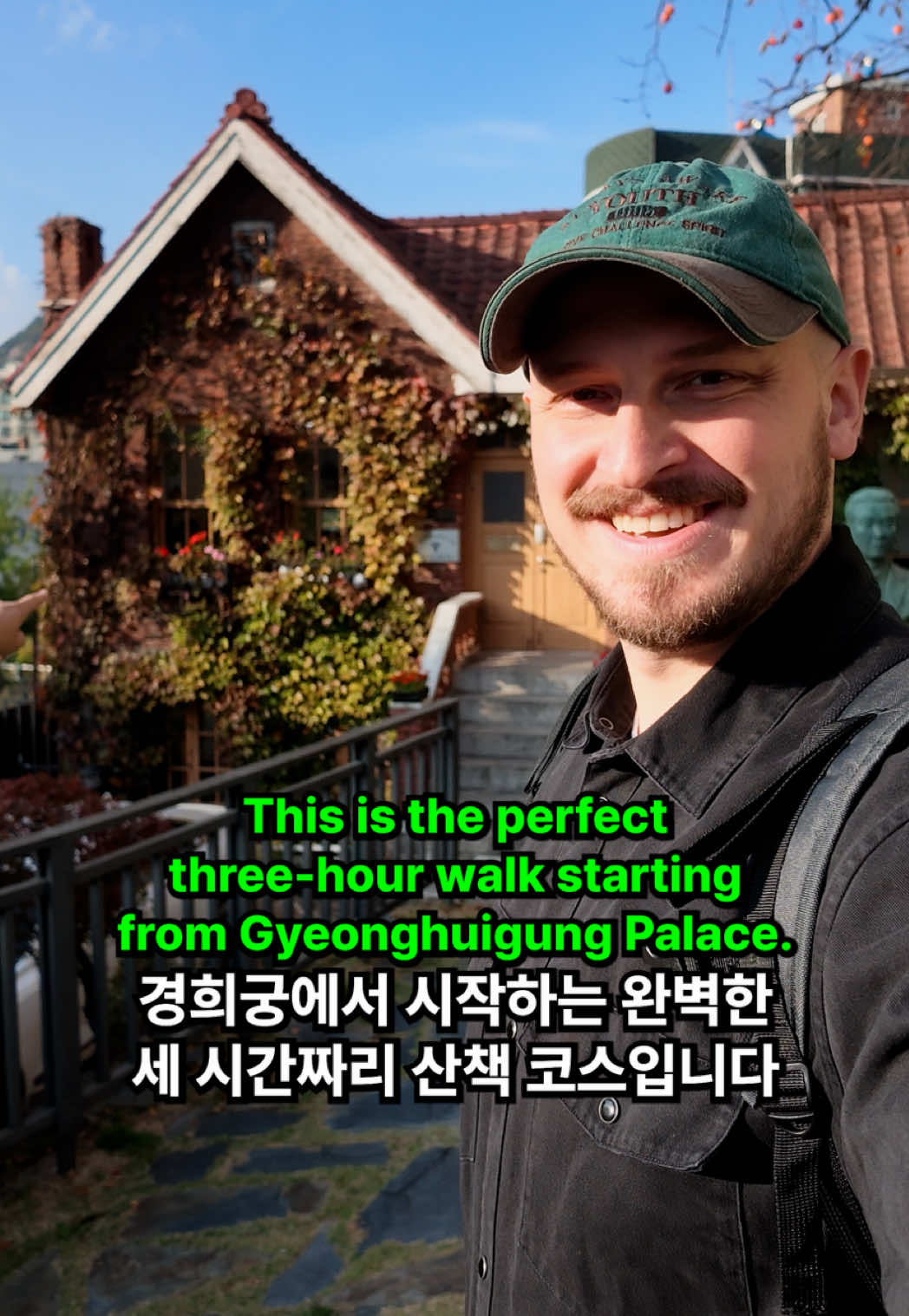
Seoul Walking Tour: Palace, Museums, and Historic Homes
Dilkusha (Albert W. Taylor House), 7-Eleven, Neungra Bapsang (North Korean Restaurant)
Free Attractions To Explore In Seoul
Bukchon Hanok Village, Cheonggyecheon, National Museum of Korea
Seoul's October 2026 Festivals Across Parks and Palaces
Gyeongbokgung Palace, Changdeokgung, Yeouido Hangang Park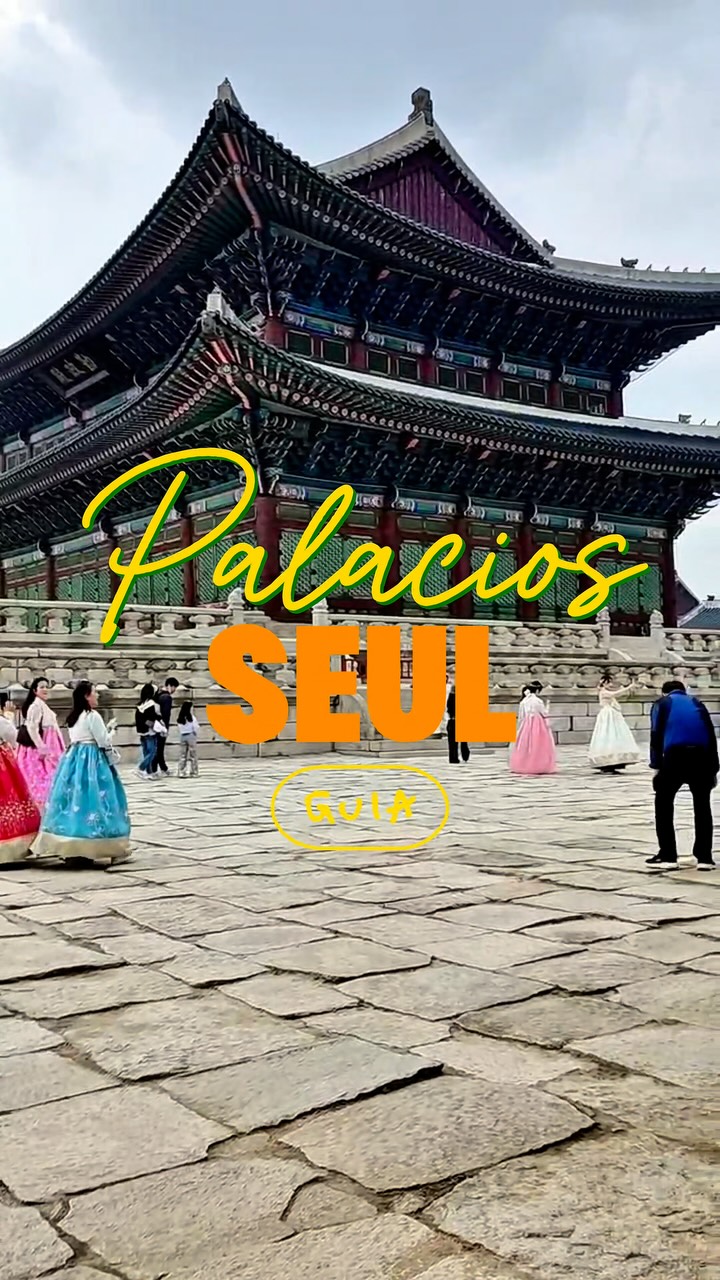
Seoul's Six Historic Royal Palaces
Gyeongbokgung Palace, Changdeokgung, Changgyeonggung Palace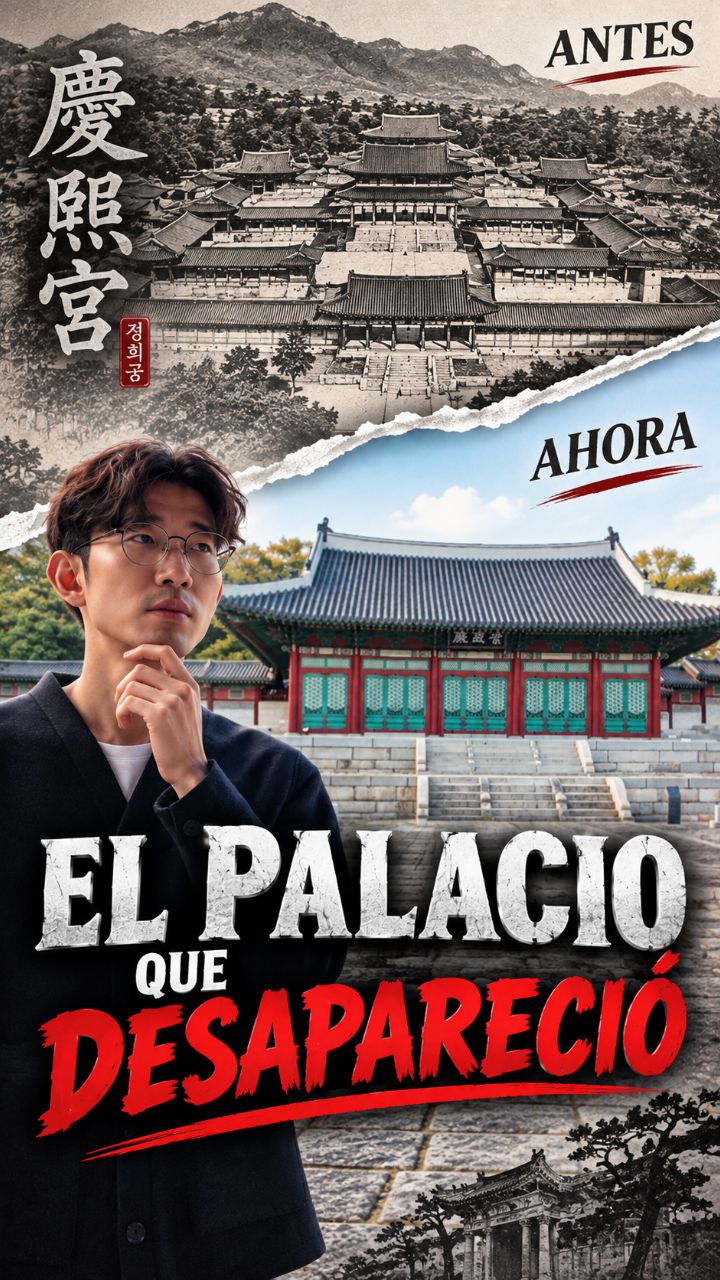
Seoul's Great Palaces: Gyeongbokgung and Gyeonghuigung
Gyeongbokgung Palace
Twenty Must-Visit Spots For Your South Korea Trip
Cheonggyecheon, Gwangjang Market, Namsangol Hanok Village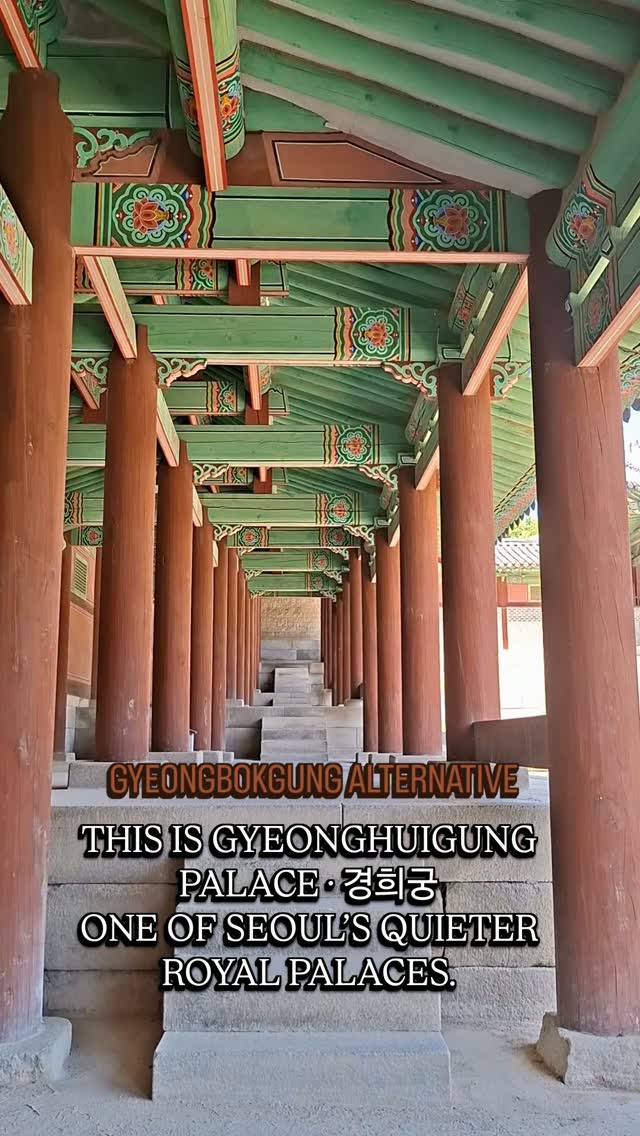
Seoul's Hidden Gyeonghuigung Palace
Seoul Museum of History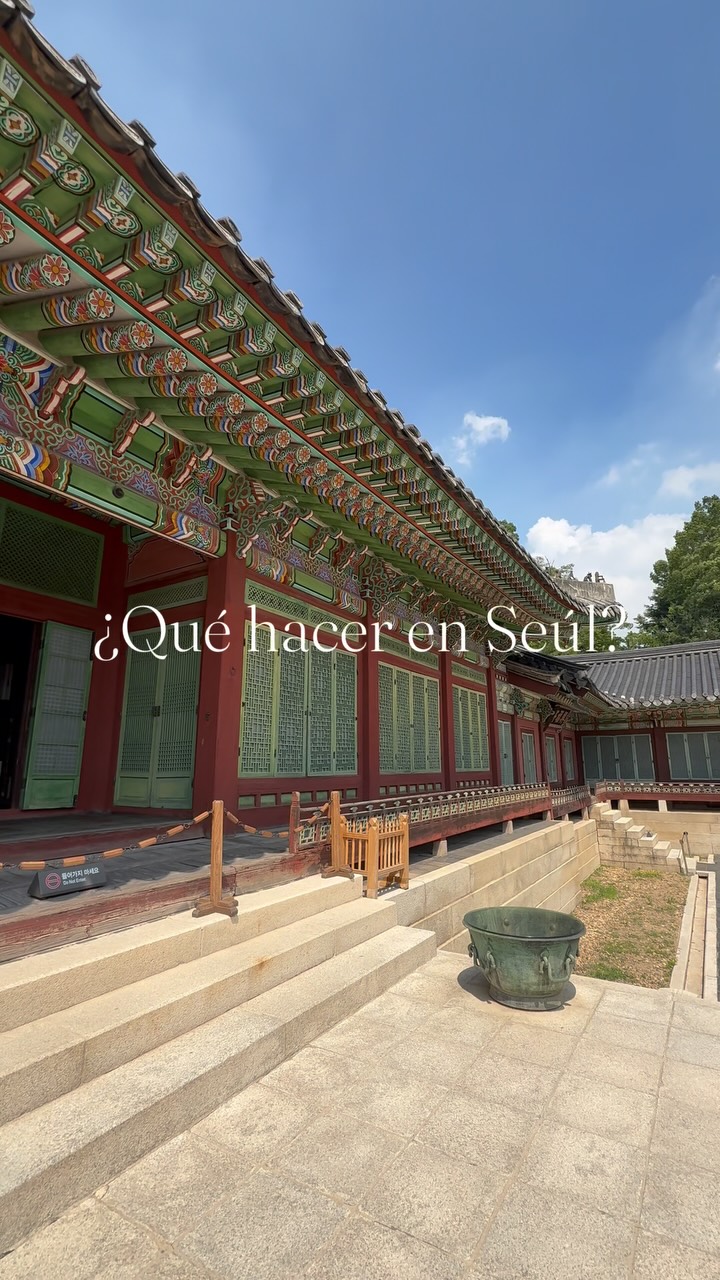
Seoul Attractions and Landmarks
Gyeongbokgung Palace, Bukchon Hanok Village, N Seoul Tower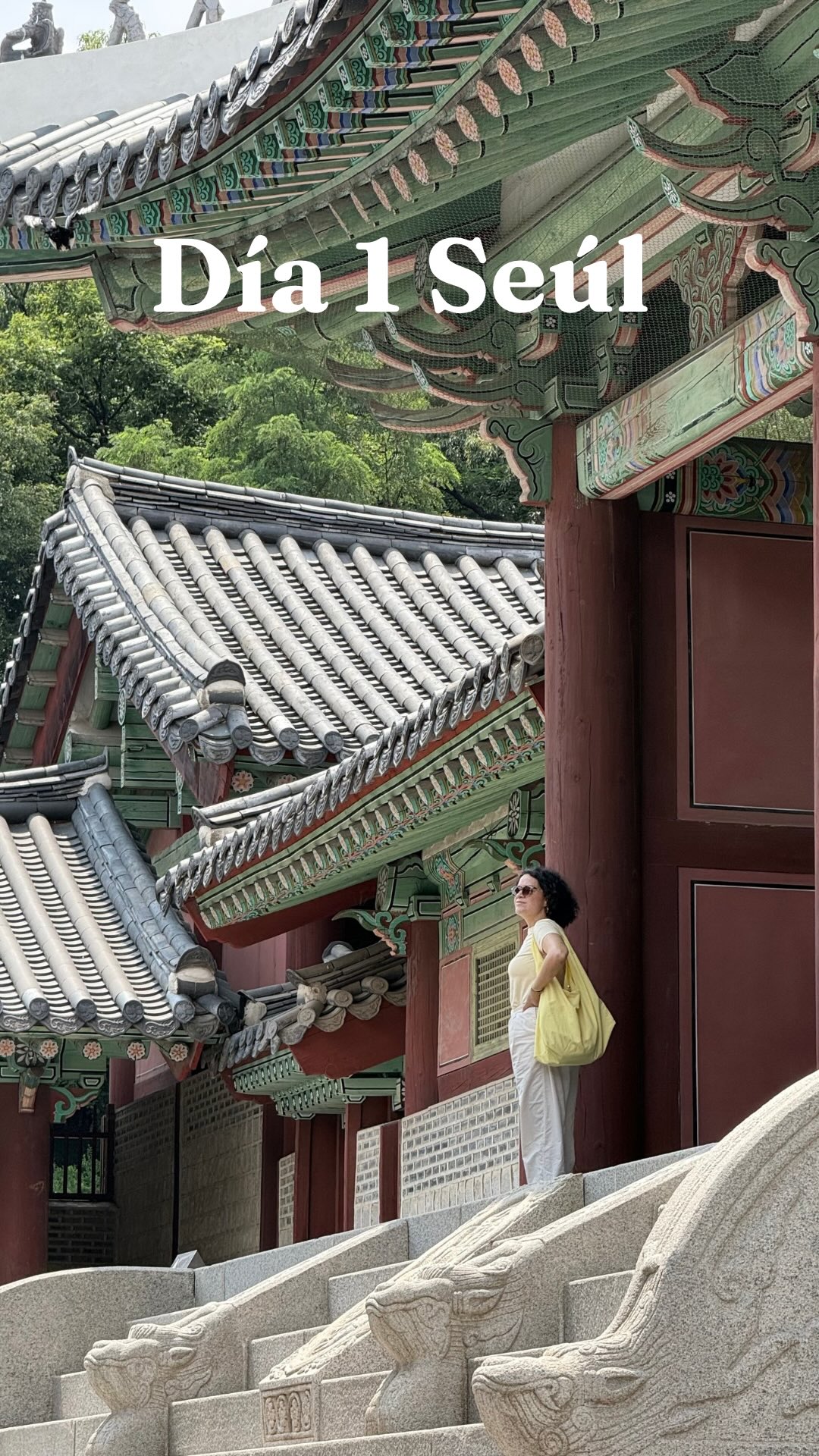
Seoul's Cultural Heart: Palaces, Temples, and Streets
Insadong Street, Sajikdan Altar, Seoul Museum of History