Save places from Instagram, TikTok, YouTube and more
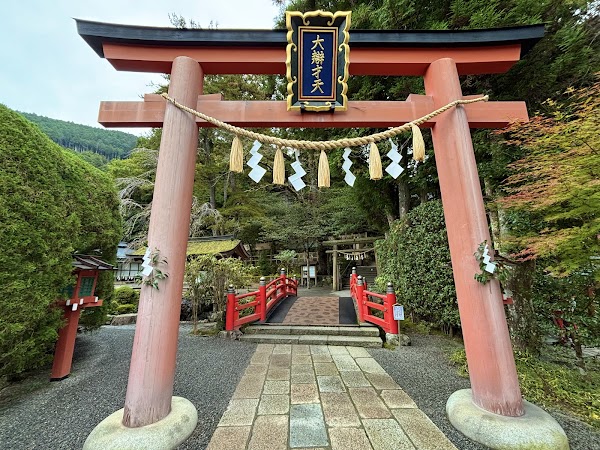
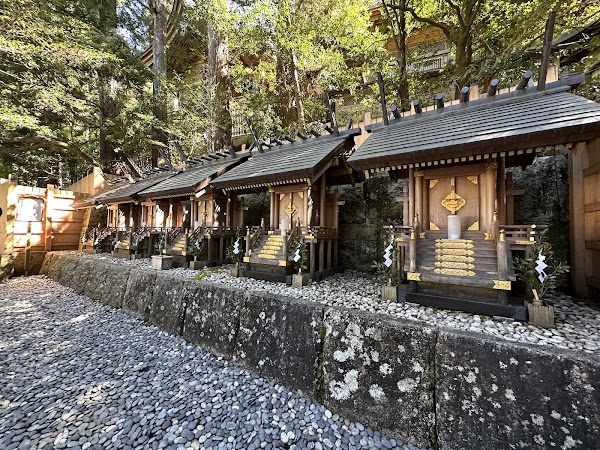
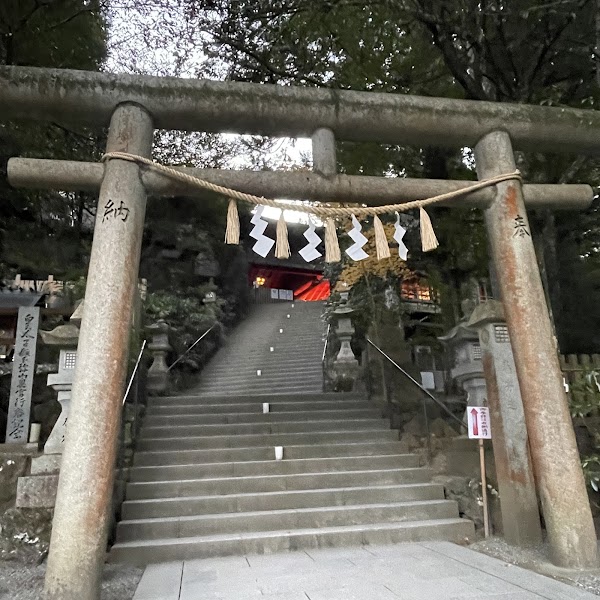
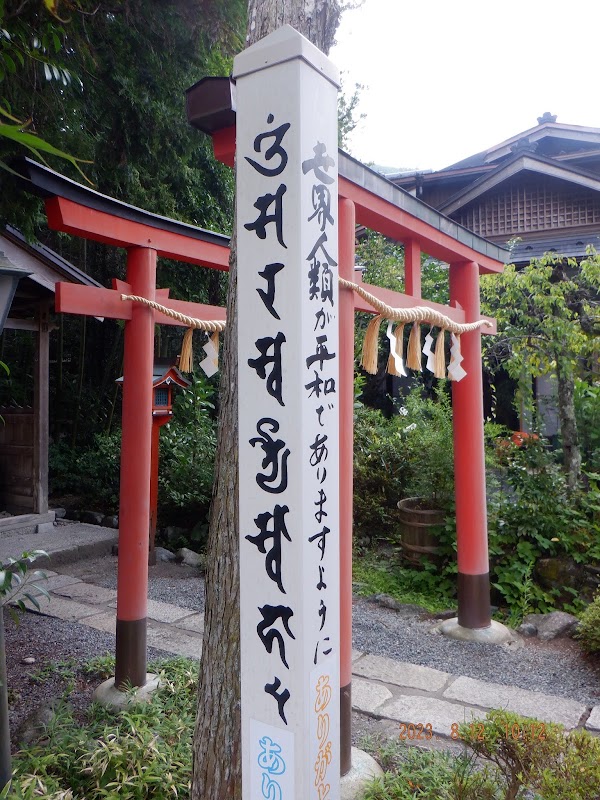
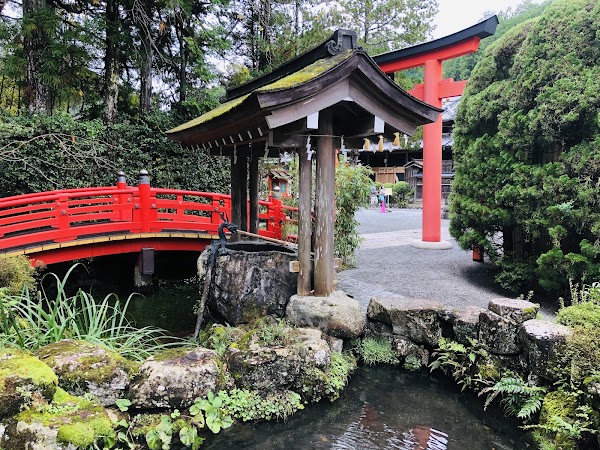
Tenkawa Benzaiten-sha

Attraction

4.6 (3912 reviews)

Saved by 23 travelers
Popular, tranquil shrine in the Ominesan foothills, built around 700 & associated the deity of arts.
107 Tsubonouchi, Tenkawa, Yoshino District, Nara 638-0321, Japan
+81 747-63-0334
Did You Know?
Japan's Three Great Benzaiten Shrines
Tenkawa Benzaiten-sha is revered as one of Japan's three most important shrines dedicated to Benzaiten, the goddess of music, arts, wisdom, and flowing water. The other two are Itsukushima Shrine and Enoshima Shrine.
Sacred Location
The shrine is nestled deep within the sacred Tenkawa village in Nara Prefecture, surrounded by the stunning and spiritual Ōmine mountain range, a significant site for Shugendō, a syncretic religion combining Shinto and Buddhist practices.
Goddess of Music
Benzaiten is often depicted holding a biwa (a Japanese lute), and Tenkawa Benzaiten-sha is particularly associated with her role as the patron of music and performing arts. Many musicians and artists visit to pray for success and inspiration.
Flowing Water Connection
The name 'Tenkawa' literally means 'Heavenly River,' highlighting the shrine's deep connection to water. Benzaiten is also a goddess associated with water, and the shrine's location near rivers and waterfalls reinforces this spiritual link.
Highlights from Reviews
• spiritual atmosphere
Many visitors feel a strong, sacred, and purifying spiritual energy at the shrine, often describing it as a powerful spiritual site.
• unique architecture
The shrine features a rare and unique architectural style, particularly the main hall and the presence of a Noh stage within the precinct.
• refreshing tranquility
The natural surroundings and quiet atmosphere provide a serene and calming experience, allowing visitors to feel refreshed and at peace.
• unique bells
The distinctive '五十鈴' (isuzu) bells, associated with ancient myths, offer a unique sound and interactive experience for visitors.
• historical significance
As one of Japan's three major Benzaiten shrines and a focal point connecting other spiritual sites, it boasts a rich history with ties to Noh theater and various spiritual traditions.
Featured in
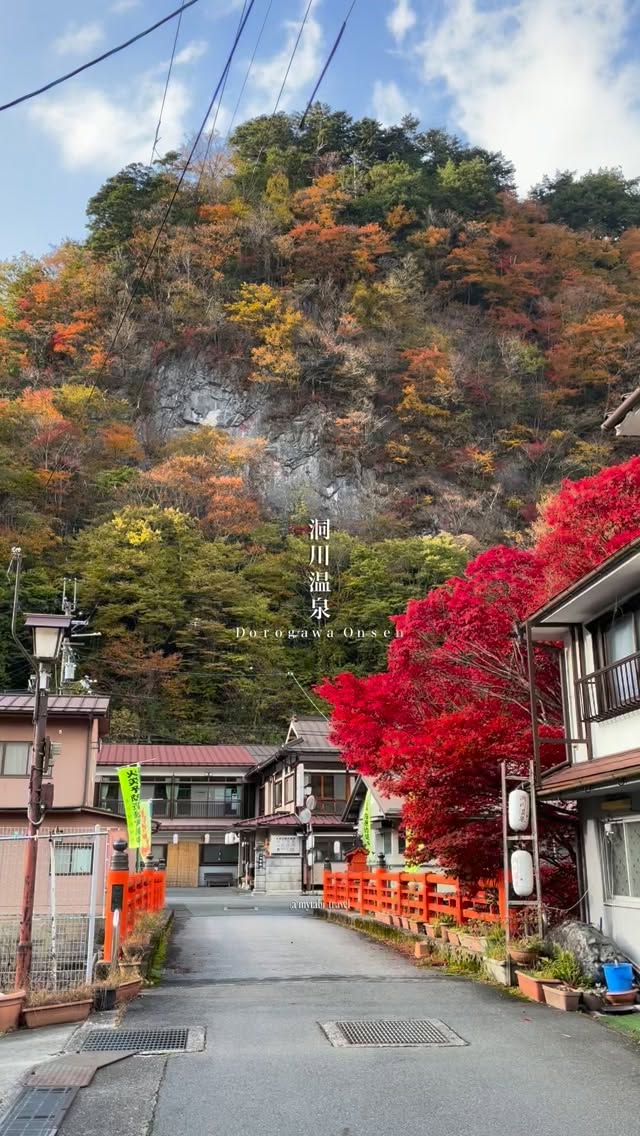
Autumn Hot Springs in Japan's Mountain Villages
Dorogawa Onsen, Hanaya Tokubei
Mountain Hot Springs And Caves In Nara
Dorogawa Onsen, Goyomatsu Cave, Menfudo Shonyudo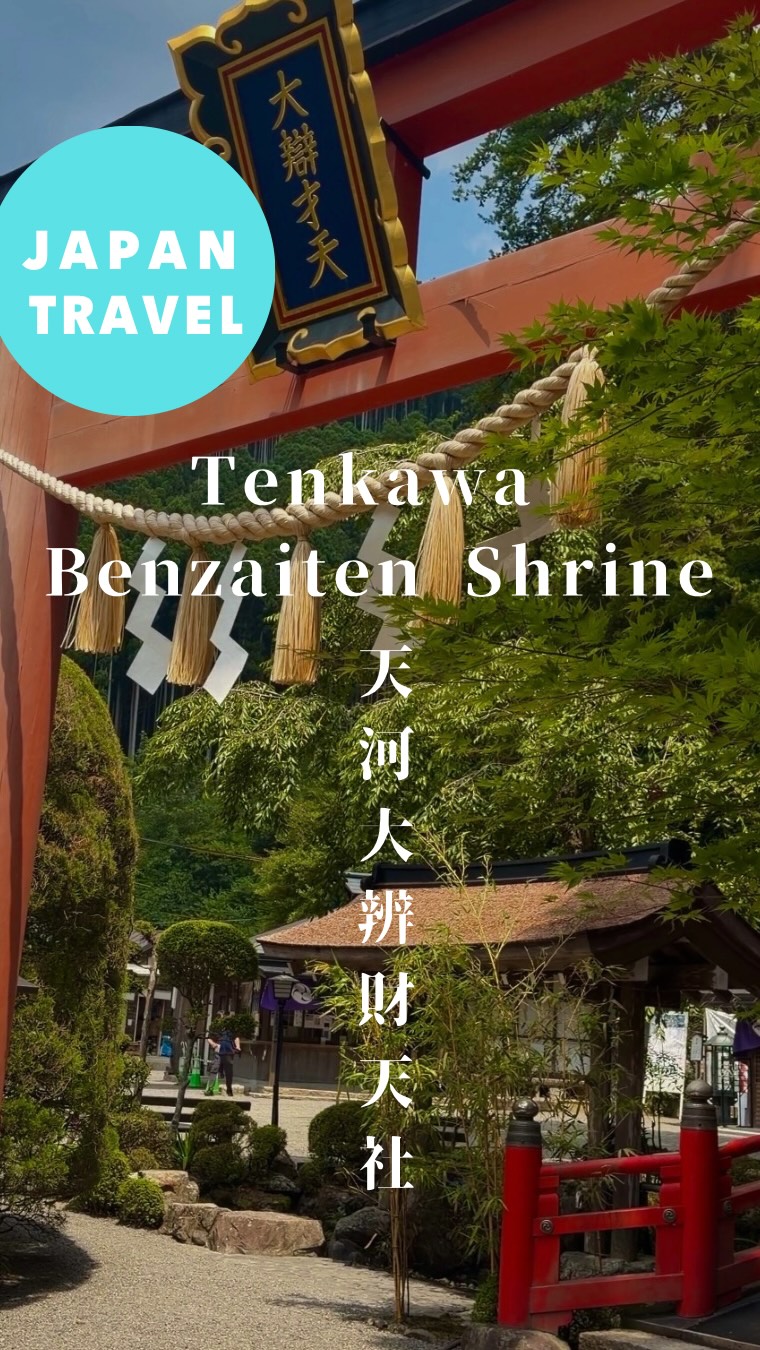
Nara's Hidden Mountain Shrine Offers Spiritual Escape
Explore Nara's Temples, Shrines, and Natural Beauty
Nara Park, Tōdai-ji, Kasuga Taisha