rcee_xandrahrain — Sai Kung

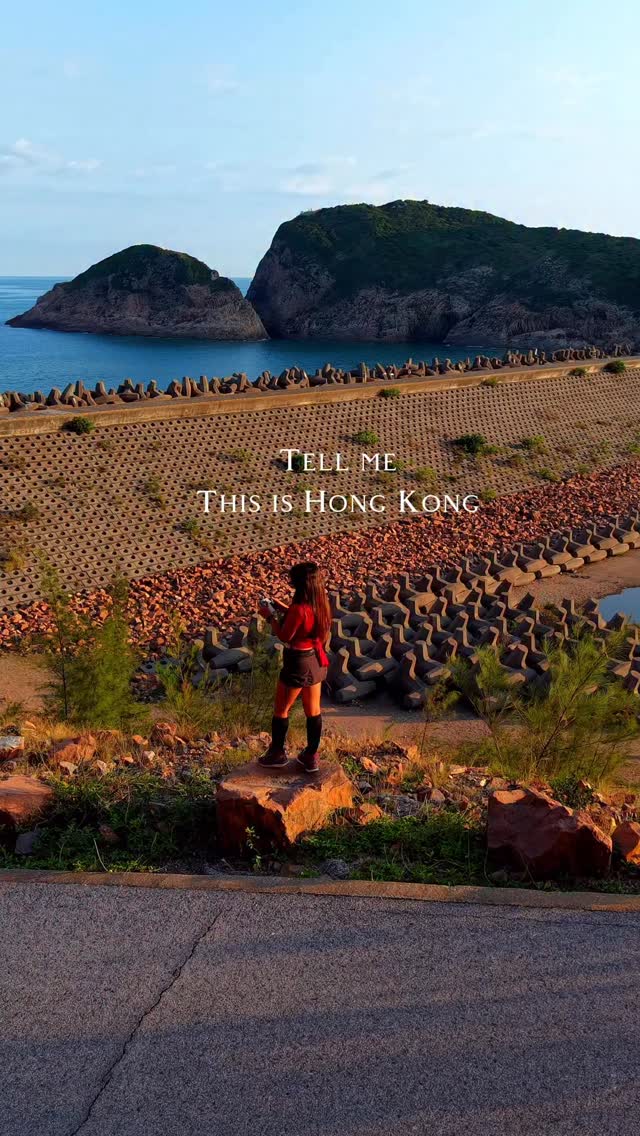

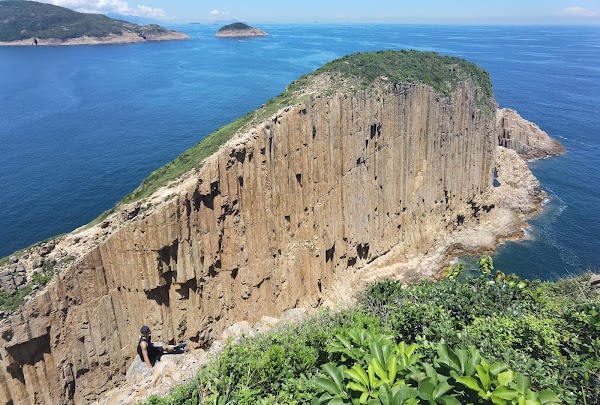
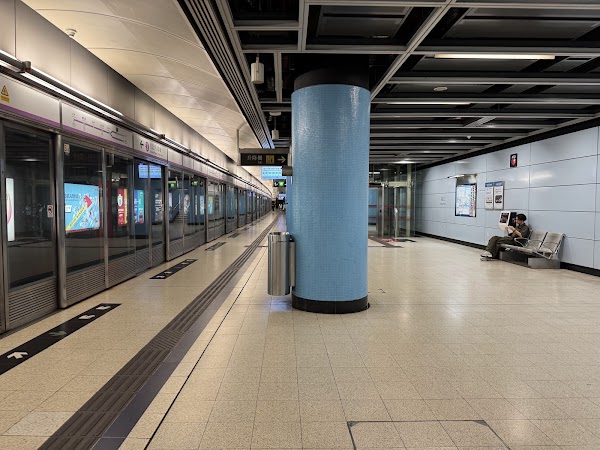
📌 SAVE THIS for your next Hong Kong adventure! 🇭🇰👇 If you think Hong Kong is just skyscrapers and shopping malls, you haven’t been to the High Island Reservoir East Dam. Located in the Sai Kung UNESCO Global Geopark, it feels like an entirely different planet. Here is exactly how to get there and what to see: 🚶♂️ WHAT TO SEE: • Hexagonal Rock Columns: 140-million-year-old volcanic rock formations that look like giant nature-made pipe organs. • The Dolos Blocks: Over 7,000 massive concrete H-blocks lining the coast to break the ocean waves. • Sea Sea Cave: Walk along the wooden boardwalk to view a stunning, naturally formed sea cave. 🚕 HOW TO GET THERE: 1. Take the MTR to Choi Hung (Exit C2) or Hang Hau. 2. Catch a green minibus or taxi to Sai Kung Town. 3. From Sai Kung Town: Option 1. The easiest way is to take a Green Taxi straight to the East Dam (around $130–$150 HKD each way). Option 2: • KMB Bus 94: (Highly recommended, double-decker bus, runs daily every 15–30 minutes). • Green Minibus 7 or 9: (Runs daily). • Get off at the Pak Tam Chung stop (it takes about 15–20 minutes). Once you get off at Pak Tam Chung, transfer to the specialized geopark shuttle: • **Green Minibus 9A: This is a dedicated minibus that takes you straight over the winding roads to the East Dam Terminus. Pro-tip: Phone reception can be spotty out there, so try to book a return taxi in advance or head to the taxi stand by the dam early! #HighIslandReservoir #EastDam #SaiKung #HongKongGeopark #DiscoverHongKong ExploreHongKong, HongKongHiking, SaiKungHongKong MacLehoseTrail
Other


Landmark
Landmark

4.6
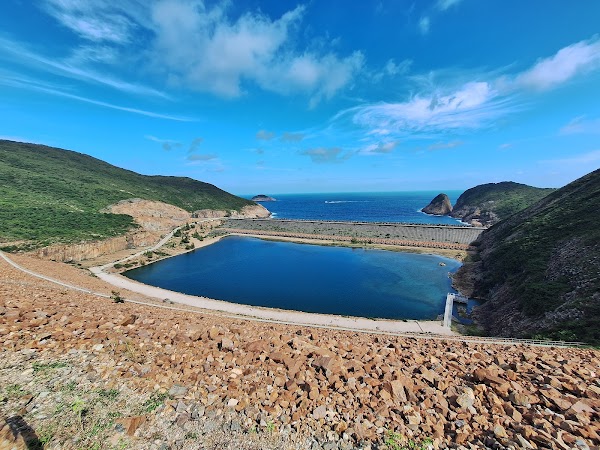
Dam & scenic reservoir formed in 1978, known for UNESCO-listed volcanic rock columns.