
Kyushu: A Week of Nature, Culture, and Crafts
Source:
@The World Hiker


Save places straight from any post.
Share an Instagram, TikTok, YouTube, Facebook, Google Maps or web link to DocentPro and every place in it lands on your map. This post became these 25.


25 places on the map
Explore the map in the DocentPro app25 attractions in Japan: Kirishima Jingu, Udo Jingu, Sun Messe Nichinan, and 22 more. Every place is verified on Google Maps, featured in a YouTube post by The World Hiker.
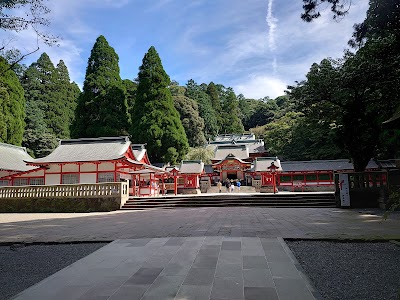
Kirishima Jingu

Shinto shrine

4.5
Kirishima Shrine is an ancient and revered Shinto shrine located in the Kirishima mountain range, known for its beautiful architecture and tranquil forest setting. The shrine is dedicated to Ninigi-no-Mikoto, a deity from Japanese mythology, and offers a peaceful atmosphere for visitors to explore its grounds.
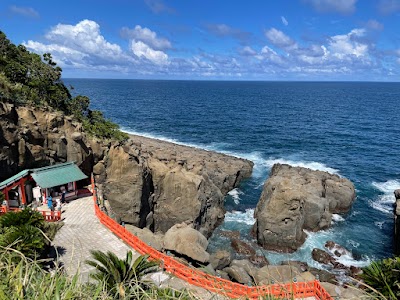
Udo Jingu
Shinto shrine
4.5
Udo Shrine is a famous Shinto shrine built into a seaside cave, offering a perfect backdrop of ocean views and stunning torii gates along the path. Visitors can walk along the path, admire the intricate gates, and listen to the waves crash as they explore the shrine and its unique cave setting.
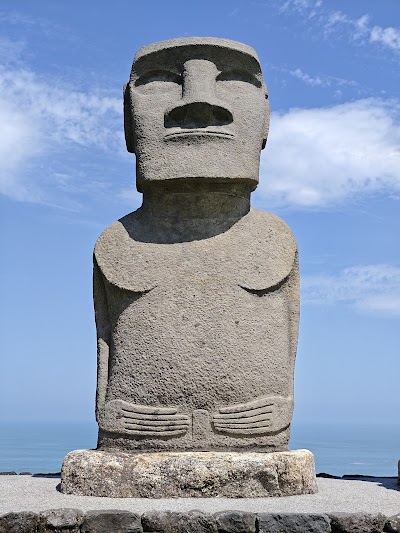
Sun Messe Nichinan
Amusement center
4.0
Sun Messe Nichinan is a coastal park famous for its full-scale replicas of the Moai statues found on Easter Island. The park sits on a hillside overlooking the Pacific Ocean, offering spectacular views and photo opportunities, alongside gardens, observation areas, and cultural exhibits.
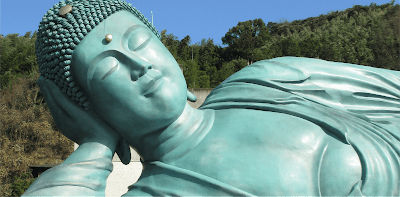
Nanzoin
Buddhist temple
4.4
Nanzoin Temple is famous for its enormous reclining bronze Buddha statue, one of the largest in the world at 41 meters long and 11 meters high. Surrounded by forested hills and peaceful walking paths, the temple offers a calm atmosphere that attracts pilgrims and travelers seeking a spiritual experience.

Beppu Onsen
Place
Beppu Onsen is one of Japan's most famous geothermal regions, renowned for its abundance of hot springs powered by underground volcanic activity. It features a variety of thermal attractions, including steaming vents, bubbling pools, mud baths, and colorful hot springs known as the 'Hells of Beppu'.
Umi Jigoku

Landmark
4.2
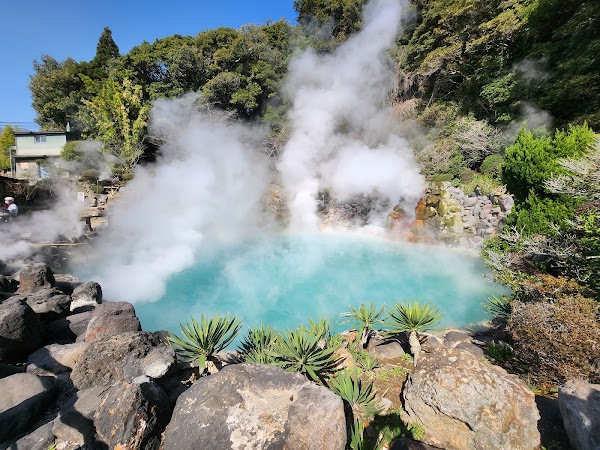
Umi Jigoku, or 'Sea Hell,' is one of the 'Hells of Beppu' famous for its vivid blue water, reminiscent of the sea, heated by geothermal activity. The steamy, almost turquoise, pond offers a striking visual experience, and visitors can also enjoy local specialties like steamed eggs cooked in the hot spring water.
Takachiho Gorge
Scenic spot
4.5
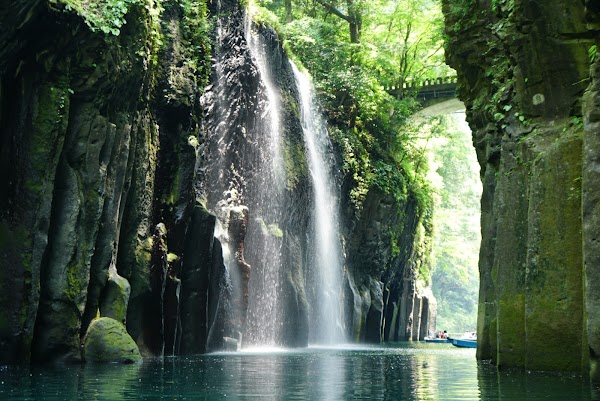
Takachiho Gorge is a spectacular river gorge formed by volcanic activity and erosion, with its most famous feature being the Manai Falls, which plunges into the emerald green river below. It's a popular destination for scenic walking paths and boat rides through the gorge, offering breathtaking natural beauty.
Sogi Waterfall.
Scenic spot
4.4
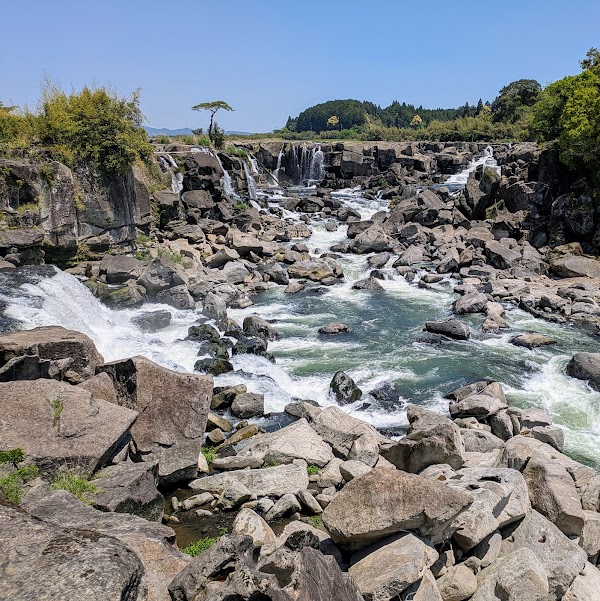
Sogi Falls, often called the 'Niagara of the East', is a wide and dramatic waterfall on the Sendai River, surrounded by beautiful forests. It offers stunning views and photo opportunities from various viewpoints, making it a popular spot for nature lovers.
Chinoike Jigoku
Landmark
4.0
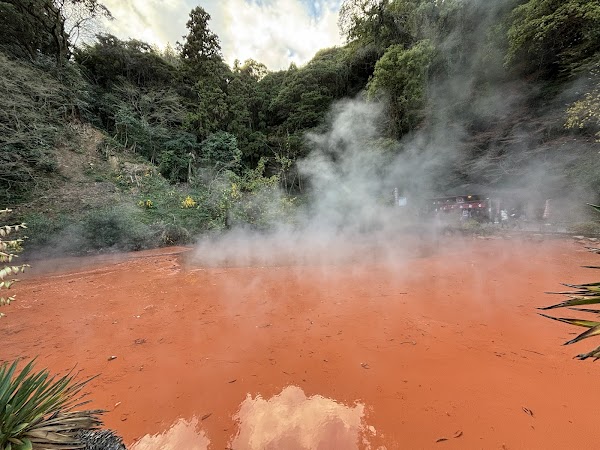
Chinoike Jigoku, or 'Blood Pond Hell,' is famous for its striking red-colored water, due to the high iron oxide content, making it one of the most visually dramatic of Beppu's 'Hells.' This unique natural phenomenon creates a captivating and memorable experience for visitors.
Oniyama Jigoku
Landmark
3.6
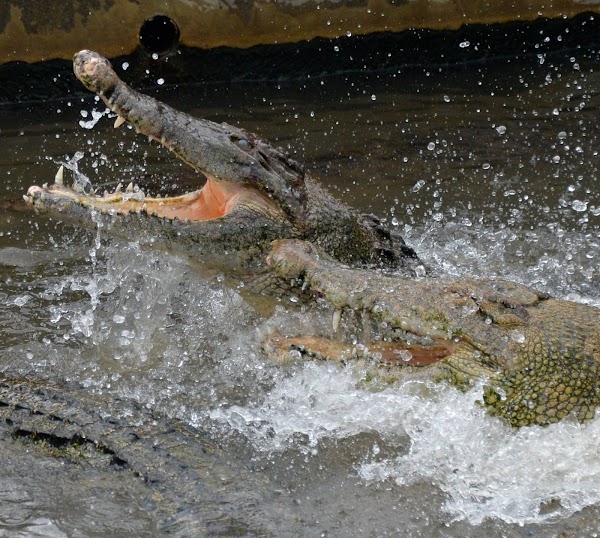
Oni Yama Jigoku, sometimes called the 'Crocodile Hell,' is known for housing numerous crocodiles that thrive in the hot spring waters. Visitors can observe these reptiles in a unique geothermal environment, making it a thrilling stop among Beppu's 'Hells.'
Kamado Jigoku
Landmark
4.1
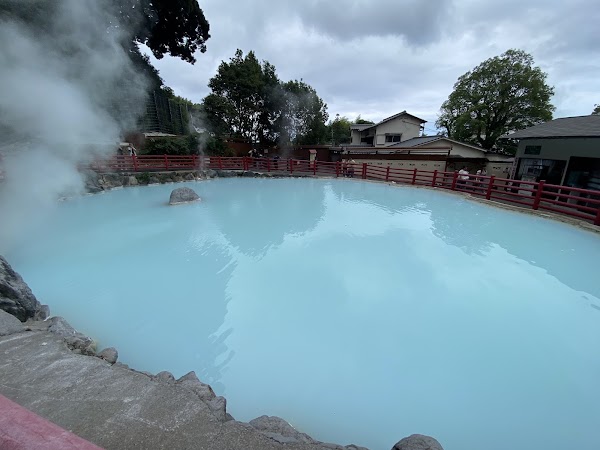
Kamado Jigoku, or 'Cooking Pot Hell,' features several different types of hot springs and steaming vents, known for its diverse thermal attractions and vibrant red demon statues. Visitors can enjoy steam applied to the skin and throat for health benefits, and observe various colorful pools.
Nyoirinji Frog Temple
Buddhist temple
4.4
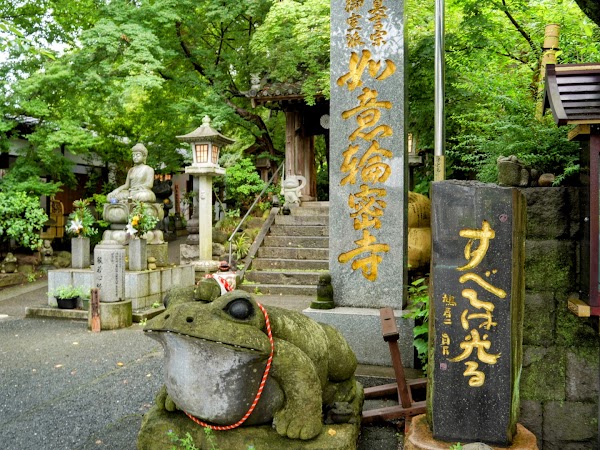
Nyorinji Frog Temple is known for its thousands of frog statues and decorations collected from around the world, blending spiritual tradition with playful charm. In Japanese culture, frogs are associated with good fortune and safe returns, making this temple a fun and unique destination.
TOTO Museum
Museum
4.5
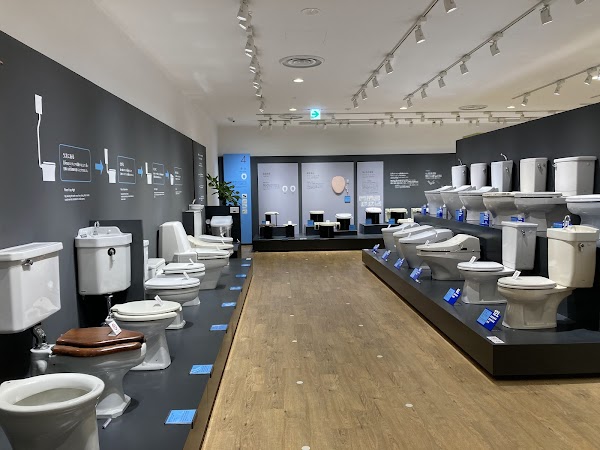
The TOTO Museum showcases the evolution of toilets and household plumbing through interactive exhibits, vintage products, and displays. Visitors can learn about Japan's high-tech toilets, including the unique toilet motorbike that road-tripped around Japan, and even try out sumo-sized toilets.
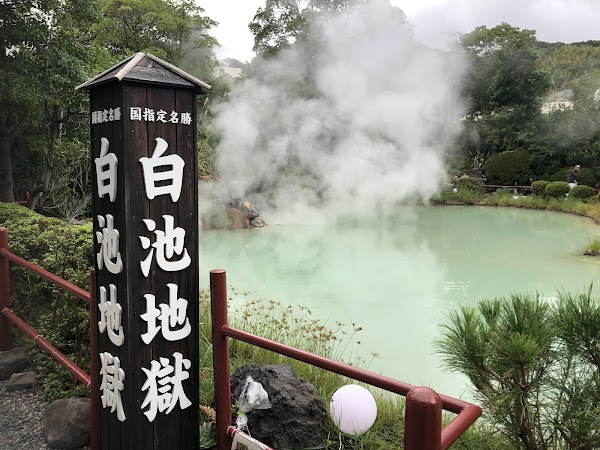
Shiraike Jigoku
Landmark
3.7
Shira-ike Jigoku, or 'White Pond Hell,' is a milky blue hot spring surrounded by landscaped gardens, offering a tranquil and picturesque setting. The pond's serene white-blue color, caused by its mineral content, creates a beautiful contrast with the surrounding greenery.
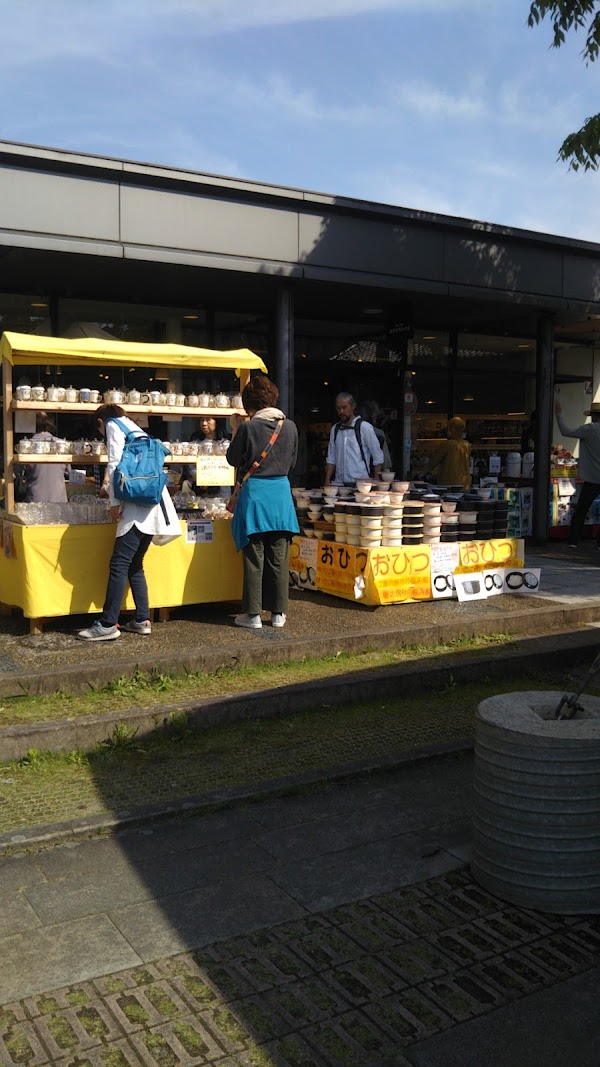
Arita Sera Porcelain Shops
Shopping mall
4.0
Arita, in Saga Prefecture, is a famous historic center for Japanese porcelain, known for its finely crafted ceramics decorated with intricate blue and white or colorful designs. Visitors can explore various shops displaying beautiful porcelain, which gained worldwide recognition after being exported to Europe.
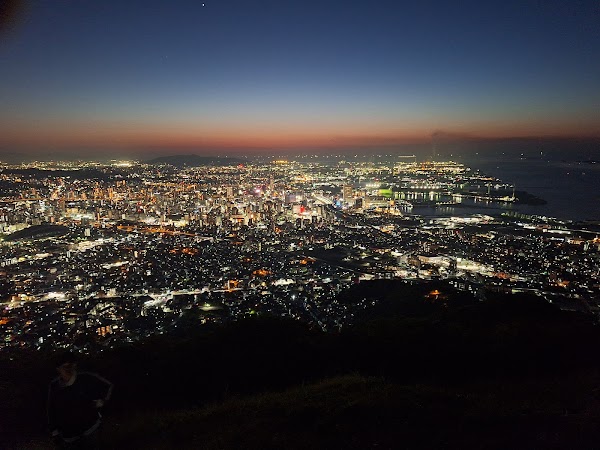
Mt. Komonji
Hiking area
4.5
Mount Komonji offers scenic hiking trails leading to panoramic views of Kitakyushu and the surrounding coastline. It's a great spot for nature enthusiasts and those seeking stunning city and ocean vistas.
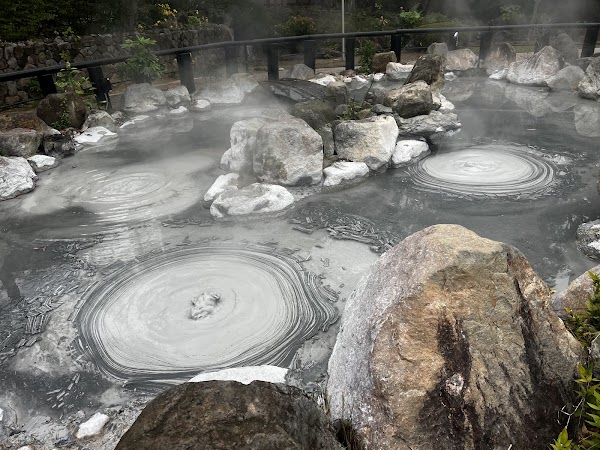
Oniishi Bozu Jigoku
Landmark
4.1
Onishibozu Jigoku, or 'Monk's Head Hell,' is characterized by bubbling gray mud pools that resemble the shaven heads of monks, known for their unique texture and constant activity. This hot spring offers a distinctive and mesmerizing sight as the mud slowly boils and bubbles.
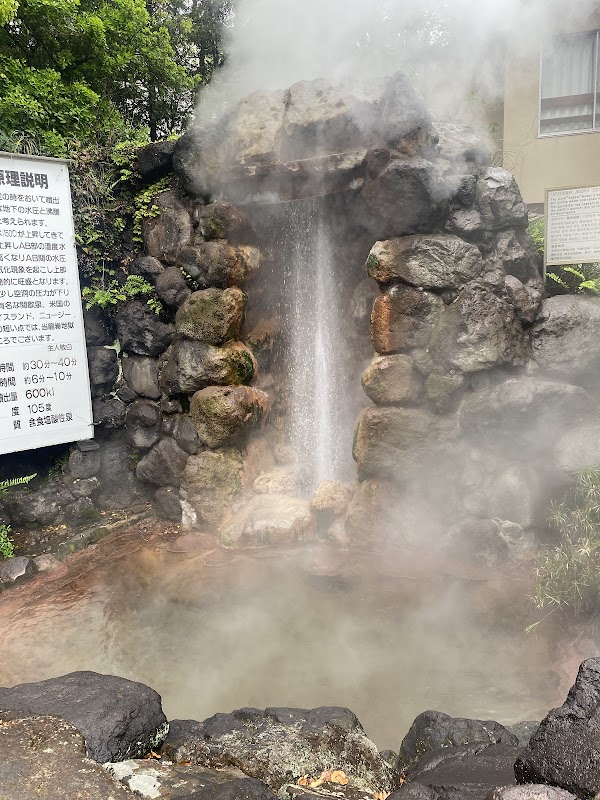
Tatsumaki Jigoku
Landmark
3.9
Tatsumaki Jigoku, or 'Spout Hell,' is a geyser that erupts at regular intervals, shooting hot water and steam high into the air. Visitors can witness this powerful natural spectacle, which occurs approximately every 30-40 minutes, making it an exciting highlight of the Beppu Hells.
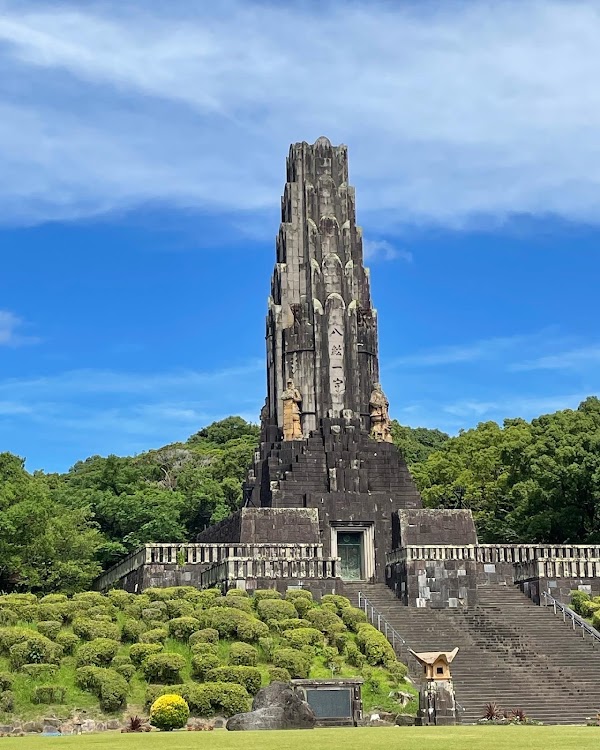
Miyazaki Heiwadai Park
Park
4.1
Miyazaki Heiwa-dai Park is known for its collection of over 400 small terracotta figures called Haniwa, which are replicas of ancient clay sculptures placed on Japanese burial mounds. This unusual park offers a unique glimpse into ancient Japanese culture and art amidst a serene natural setting.
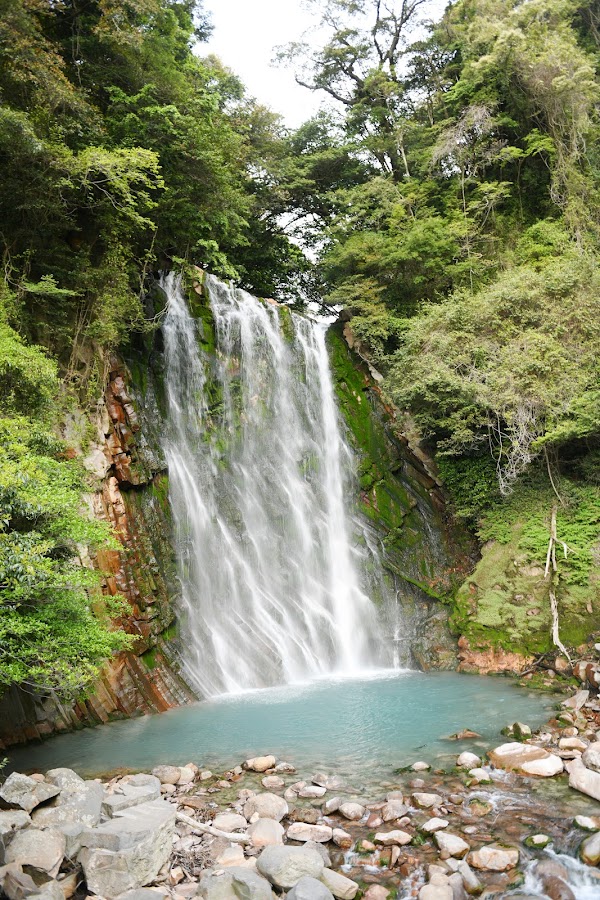
Maruo Falls
Scenic spot
4.1
Maruo Falls cascades down into a pretty blue pool amidst lush greenery, offering a serene natural spectacle. The waterfall is easily accessible and provides a refreshing stop for travelers exploring the region.
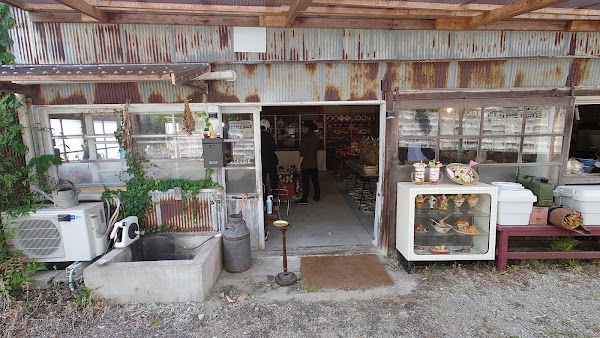
Fake Food Hasami - Nihon Bijutsu
Store
4.4
Fake Food Hasami is a fun art store displaying many of Japan's popular dishes crafted as incredibly realistic food replicas. These detailed models are often used by restaurants to showcase their menu items, offering a unique and visually engaging experience for visitors.
Saga Balloon Museum
Museum
4.0
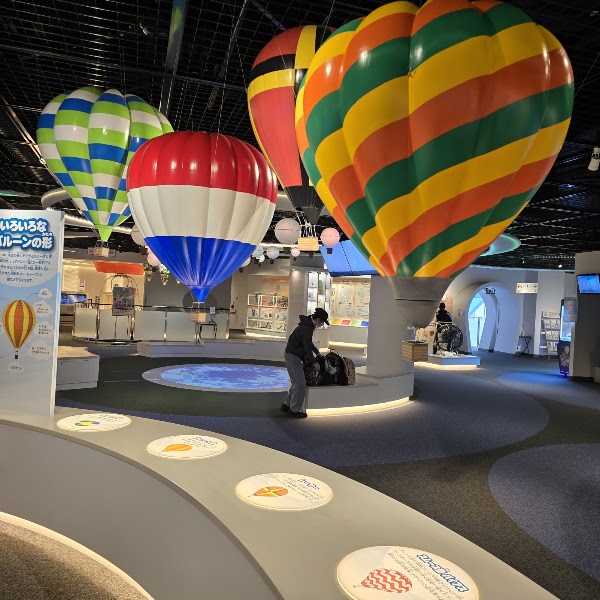
Dedicated to the history and culture of hot air ballooning in Japan, the Saga Balloon Museum celebrates the famous Saga International Balloon Festival. Through interactive exhibits and flight simulators, visitors can learn about balloon technology and enjoy colorful displays.
Sekinoo Falls
Scenic spot
4.2
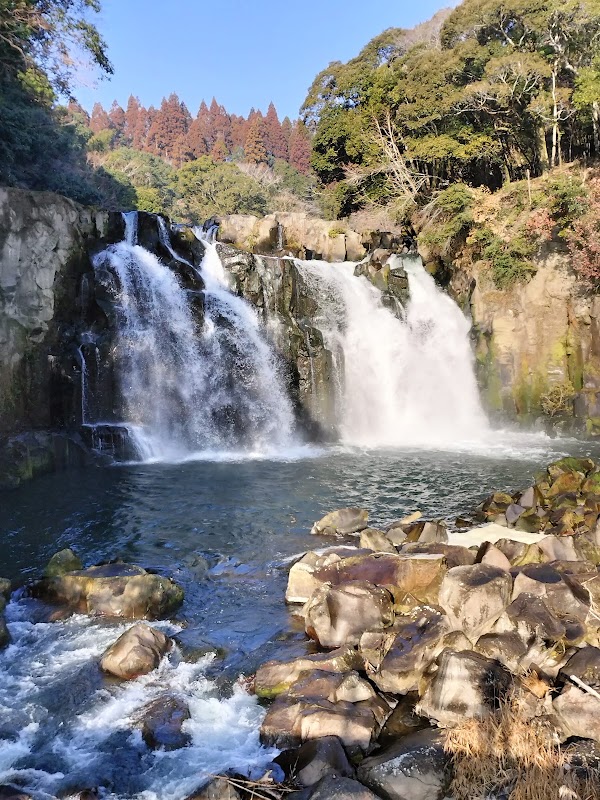
Sekinoo Falls is a scenic waterfall known for its wide cascade and beautiful natural surroundings, making it a popular destination for visitors seeking picturesque landscapes. A suspension bridge provides an excellent vantage point to admire the powerful flow of water and the rocky riverbed below.
Toho Village
Place
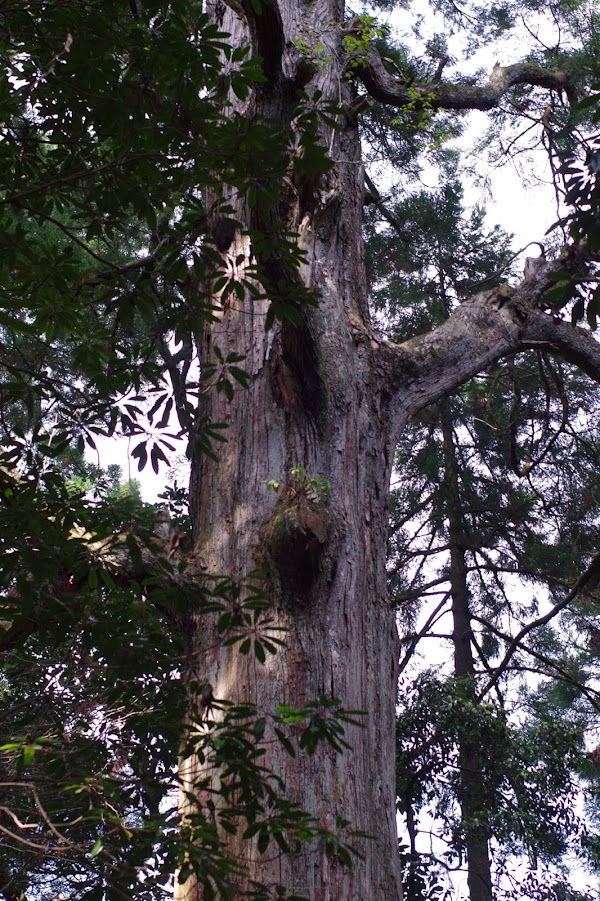
Toho Village is known for its traditional pottery and ceramics, which are crafted using techniques passed down through generations. Visitors can explore shops showcasing a variety of unique and beautifully designed ceramic pieces, reflecting the rich artistic heritage of the region.
Kyushu Ceramics Museum
Intersection group
The Kyushu Ceramic Museum showcases the rich history and artistry of ceramics from the Kyushu region and Okinawa, with exhibits on various styles including Arita ware and Imari ware. It highlights how Kyushu porcelain became internationally famous, exported through the Dutch East India Company.
Save these 25 places to your map
Keep every place on your own map in DocentPro, and add more as you browse.
More featured places in Japan

Campervan Road Trip: Scenery, Food, and Tips
Lake Towada, Kitayamazaki Cape
Kyushu Road Trip: Fukuoka, Mount Aso, and Scenic Spots
Ohori Park, Fukuoka Art Museum, Itoshima
Kyushu Road Trip: Cities, Nature, and Cultural Sites
Canal City Hakata, Dazaifu Tenmangu太宰府天満宮, Mount Aso
Rural Japan RV Road Trip Through Scenic Towns
Oishi Park, Lake Kawaguchi, Fugaku Wind Cave
Hokkaido Autumn Road Trip Family Adventure
Shirogane Blue Pond (Aoiike), Noboribetsu Jigokudani Valley, Miyama