Barcelona's Top Attractions: Gaudí, History, and Coast
Source:
@The Traveler’s Atlas

41 places in Barcelona: La Sagrada Familia, Park Güell, Casa Batlló, and 38 more. Every place is verified on Google Maps, featured in a YouTube post by The Traveler’s Atlas.
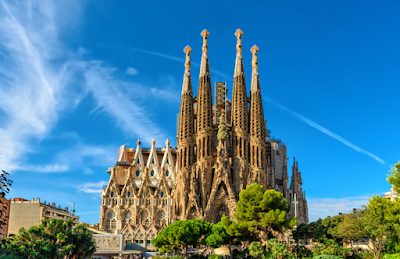
La Sagrada Familia

Church

4.7
This towering masterpiece by Antoni Gaudí is a basilica under construction for over 140 years, shaped like a living organism with spiraling towers and facades telling biblical stories. Inside, stained glass windows bathe the interior in a kaleidoscope of color, especially magical between 9 and 11 a.m. Tickets are best booked well in advance, and an audio guide is recommended to understand Gaudi's intricate symbolism and mathematical perfection. The Nativity Tower overlooks Old Barcelona with rich detail and color, while the Passion Tower faces the sea, offering a quieter view. You can reach it via the L2 (purple) or L5 (blue) Metro line to Sagrada Familia station. For the best photos, cross the street to Plaça de Gaudí Park, where the basilica perfectly reflects in the pond, and return at night to see it softly glowing under the Catalan sky.
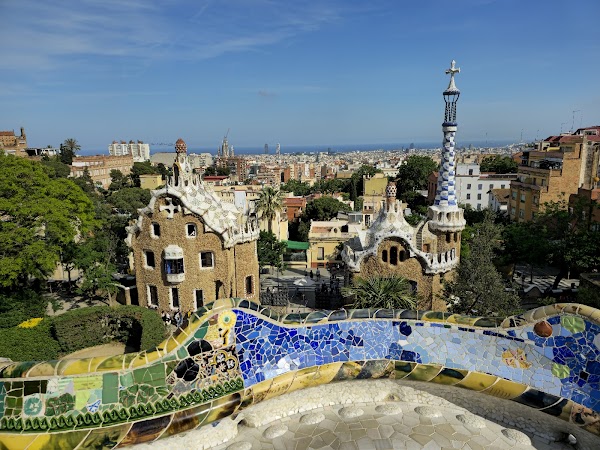
Park Güell
Park
4.4
Perched high on Carmel Hill, Park Güell is a whimsical wonderland designed by Antoni Gaudí, where color, nature, and architecture blend into pure magic. Originally conceived as a luxury housing development, it became a public park in 1926 and has been a UNESCO World Heritage Site since 1984. Don't miss the mosaic salamander 'El Drac' guarding the stairway, and make your way to the Plaça de la Natura, home to the world's longest ceramic bench, offering panoramic views of Barcelona and the shimmering sea. To avoid long lines and enjoy Gaudi's designs stress-free, it's essential to book tickets online in advance. You can get there by taking the L3 (green) Metro line to Lesseps or Vallcarca, followed by a 15-20 minute uphill walk, or by taking bus 24 from Plaça Catalunya, which drops you near the main entrance.
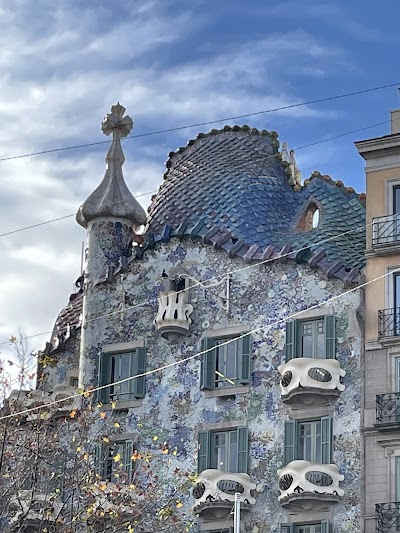
Casa Batlló

Historical landmark
4.6
If Gaudí's architecture could dream, that dream would be Casa Batlló, standing proudly at number 43 on Passeig de Gràcia. This isn't just a building; it's a living, breathing work of art, a masterpiece of imagination, nature, and light, where architecture becomes poetry and every corner tells a story. From the moment you lay eyes on its shimmering façade, covered in 'trencadís' (broken ceramic mosaic) glowing in shades of sea-blue and coral-pink, you realize you're looking at something extraordinary. Balconies shaped like masks, a roof that ripples like the scales of a dragon, and colors that seem to move with the light. Inside, the dream deepens: the staircase curls like the spine of a mythical creature, the walls flow like water, and sunlight pours down from a central lightwell lined with blue tiles that fade from dark to light as they descend, a clever trick by Gaudí to balance light naturally on every floor. The rooftop evokes Saint George's legendary battle with the dragon, the patron saint of Catalonia. Locals sometimes call it 'Casa dels Ossos' or 'House of Bones' because of the skeletal forms in its balconies and columns. Since 2005, Casa Batlló has been a UNESCO World Heritage Site, and in 2021, it was named World's Best Monument at the World Travel Awards. It feels less like visiting a museum and more like walking through a dream sculpted in glass and light. Every detail feels alive, crafted not just to be seen, but to be felt. Because entry is limited and tickets often sell out days in advance, be sure to book ahead online to guarantee your spot. The included augmented reality device lets you see how the rooms looked when the Batlló family lived here. You can get there by taking the L2, L3, or L4 Metro to Passeig de Gràcia station. From the middle promenade across the street, you'll get the perfect symmetrical photo of the façade. Don't miss the SmartGuide, the included augmented reality device that lets you see how the rooms looked when the Batlló family lived here.
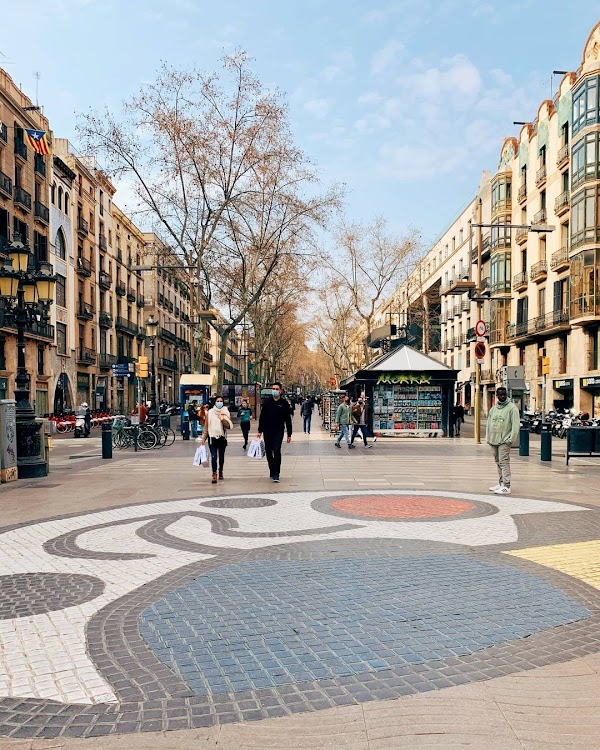
La Rambla
Place
4.4
Stretching from Plaça de Catalunya all the way to the port, La Rambla is Barcelona's most famous boulevard, a 0.75-mile promenade lined with plane trees, flower stalls, and open-air cafes. It's a street that never sleeps, a stage where locals and travelers share the same rhythm. In the early morning, locals sip coffee at sidewalk cafes and read their newspapers; by midday, the avenue comes alive with artists, musicians, and human statues. As night falls, the lights glow, the crowd thickens, and the air fills with laughter and music. You can reach it via the L3 (green) Metro line, with stops at Catalunya, Liceu, and Drassanes, or simply stroll from Plaça Catalunya down to the sea breeze of Port Vell. Go early morning or late afternoon for a more relaxed experience; midday and weekends are the busiest. Locals call it 'Las Ramblas' due to its five sections, each with its own charm, but be alert for pickpockets, especially at night or near crowded squares.
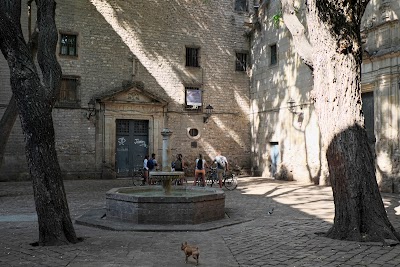
Gothic Quarter
Place
The Gothic Quarter, also known as Barri Gòtic, is the beating heart of old Barcelona, where narrow alleyways, hidden courtyards, and stone arches whisper stories from the Roman Empire and the Middle Ages. This historic area, built upon the Roman settlement of Barcino, became the city's political and spiritual center, filled with palaces, churches, and cobblestone squares. Today, the Gothic Quarter feels like a living museum, where real history and carefully rebuilt beauty blend seamlessly. Come early morning when sunlight filters softly through the alleys, or return at sunset when lanterns glow and the sound of a distant guitar fills the air. December is especially magical, with twinkling lights and Christmas markets decorating the squares. You can reach the Gothic Quarter by taking the L3 (green) Metro line to Liceu or Drassanes, or by walking five minutes from Plaça Catalunya.
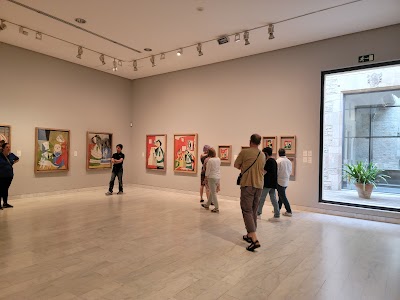
Picasso Museum
Museum
4.4
Tucked away in the winding streets of El Born, the Picasso Museum feels like stepping into another century, hidden behind stone walls and Gothic arches. This museum offers a unique journey through the making of a genius, holding over 4,000 works tracing his evolution from child prodigy to daring artist, from precise academic sketches to the bold colors and abstract forms that would later define his style. It's an intimate and experimental collection, showcasing his famous 'Las Meninas' series from 1957. The museum was founded in 1963 through the vision of Jaume Sabartés, Picasso's lifelong friend and secretary, and was built with Picasso's direct involvement. Despite living in exile, he personally helped shape the collection, determined that it should be in Barcelona, the city where his artistic journey began. At first it was known as 'The Sabartés Collection,' since Franco's dictatorship made Picasso's name politically sensitive in Spain. Only later did it become what it is today: a sanctuary for his most personal work. Expect to spend about 1.5 to 2 hours exploring the galleries. The museum is one of Barcelona's busiest and often sells out by midday, so book tickets online ahead of time. Photography is only allowed in the courtyard, so take your time to enjoy the art itself. You can get there by taking the L4 (yellow) Metro line to Jaume I station, followed by a short 5-minute walk through the El Born district. Don't miss the Blue Period gallery, with its melancholic and deeply moving works that capture the exact moment when Picasso began to paint not what he saw, but what he felt.
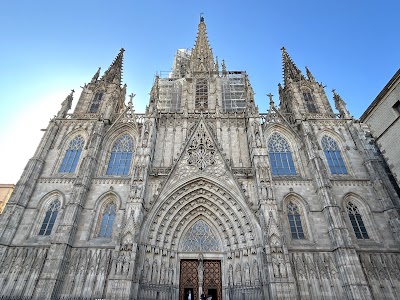
Cathedral of Barcelona
Church
4.6
This stunning example of Catalan Gothic architecture features spires reaching high above the rooftops. Inside its cloisters, you'll find 13 white geese, one for each year of Saint Eulalia's short but legendary life. The Cathedral is located in the Gothic Quarter, behind which you can still see sections of the Roman wall. It's a key landmark that encapsulates Barcelona's history from the Roman Empire to the Middle Ages. The building's intricate design and historical significance make it a must-visit. Wander slowly, and allow yourself to immerse in the calm and historical depth of the place. To make the most out of your visit and understand the details, consider a guided tour.
Barcelona History Museum MUHBA
Museum
4.6
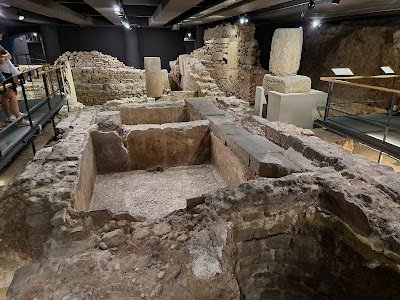
Beneath the Museo d'Història de Barcelona (MUHBA), you can walk through ancient Roman ruins, wine cellars, baths, and streets preserved for nearly 2,000 years. This underground archaeological site offers a fascinating journey through Barcelona's foundational history. The museum provides an immersive experience into the daily life of ancient Barcino. It is a place where history and modern life intersect. To make the most out of your visit and understand the details, consider a guided tour. The best way to reach this place is by walking, as it allows you to enjoy the narrow alleyways and old buildings that make up the Gothic Quarter.
Gran Teatre del Liceu
Performing arts theater
4.7
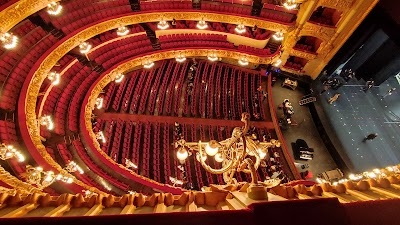
As you stroll along La Rambla, you'll pass the Gran Teatre del Liceu, Barcelona's historic opera house. This elegant building is a cultural landmark, renowned for its rich history and stunning interior. It's a must-see for anyone interested in performing arts or beautiful architecture, with a grand auditorium that has hosted world-class performances for centuries. The opera house offers a glimpse into Barcelona's vibrant artistic scene. You can reach it by taking the L3 (green) Metro line to Liceu station, or by simply strolling along La Rambla. Consider booking tickets for a performance in advance to experience its full grandeur.
Mosaic de Joan Miró
Landmark
4.4
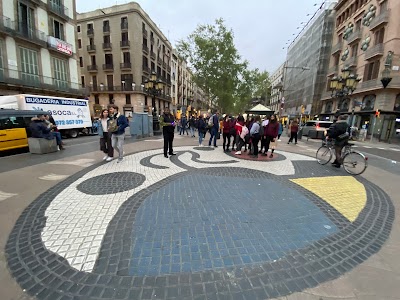
As you stroll along La Rambla, you'll discover the famous Joan Miró mosaic, embedded in the pavement. This colorful and abstract artwork is a subtle yet significant piece of public art by the renowned Catalan artist. It is a piece thousands walk over daily without realizing it. It's a great spot for a photo opportunity and a moment to appreciate unexpected art in the urban landscape. You can reach it by taking the L3 (green) Metro line, or by simply strolling along La Rambla. Look down carefully, as it can be easy to miss amidst the bustling crowds.
La Pedrera-Casa Milà
Place
4.6
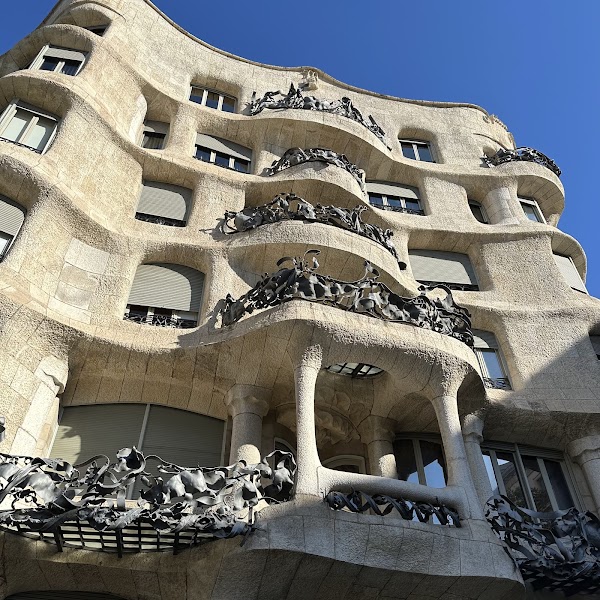
At the elegant upper end of Passeig de Gràcia, a great wave of stone rises from the street, Casa Milà, better known as La Pedrera, the Stone Quarry. Where Casa Batlló dazzles with color and fantasy, La Pedrera impresses with movement and strength. Its façade seems alive, rippling like wind-swept dunes, crowned by surreal chimneys that stand guard like watchful stone soldiers. Step inside, and the feeling deepens: sunlight pours through vast courtyards, flowing freely between open rooms; Gaudí's ingenious design eliminated the need for load-bearing walls. Up above, the rooftop feels like another universe, with undulating forms, sculptural vents, and panoramic views of Barcelona's skyline that look like something from another world. Built between 1906 and 1912 for businessman Pere Milà and his wife Roser Segimon, this was once the most luxurious apartment building in the city. Locals found it strange, too wild, too modern, and mockingly nicknamed it 'La Pedrera.' But Gaudí didn't mind; he had created something revolutionary, a building that was both structurally daring and spiritually alive. His iron framework made every apartment unique; no two floors or walls are the same. The rainwater collected from the roof was ingeniously reused, an early example of sustainable architecture. Over time, the city learned to love what it once misunderstood. Today, La Pedrera is a UNESCO World Heritage Site and one of the purest expressions of Gaudí's genius, where art, architecture, and nature become one. Tickets start around $30 and should always be booked online in advance, as same-day tickets often sell out quickly. Expect to spend 1 to 1.5 hours exploring. To get there, take the L3 (green) Metro to Diagonal station. The building's flowing silhouette is impossible to miss at number 92 Passeig de Gràcia. For the best photos, stand diagonally across the street at the corner of Passeig de Gràcia and Carrer de Provença. The included audio guide adds rich soundscapes and context that make the visit even more immersive. After your visit, enjoy a coffee at Cafè de La Pedrera on the ground floor; few visitors know it's open to the public.
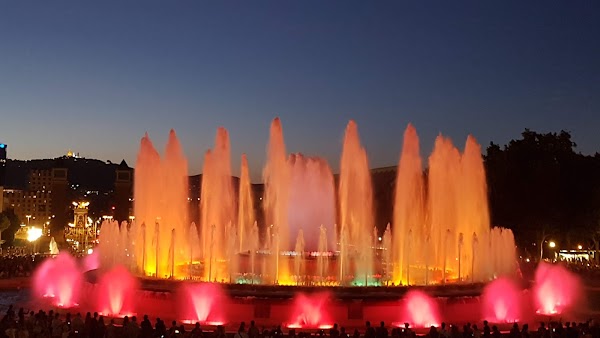
Magic Fountain of Montjuïc
Park
4.6
As daylight fades on Montjuïc, the Font Màgica de Montjuïc (Magic Fountain) awakens, a dazzling light show of water, color, and music that fuses into one hypnotic performance. The fountains dance in rhythm to everything from classical scores to Freddie Mercury's Barcelona, a pure theater, free for all, that has been captivating visitors since 1929. Each show lasts about 20 minutes, and the schedule changes with the seasons. Before the show, grab a drink on the rooftop of Las Arenas, a former bullring turned shopping center with one of the best panoramic terraces in Barcelona, or simply sit on the steps, watch the lights begin to glow, and feel the heartbeat of the city beneath you. The Magic Fountain is where Barcelona shows its soul: artistic, proud, and endlessly alive.
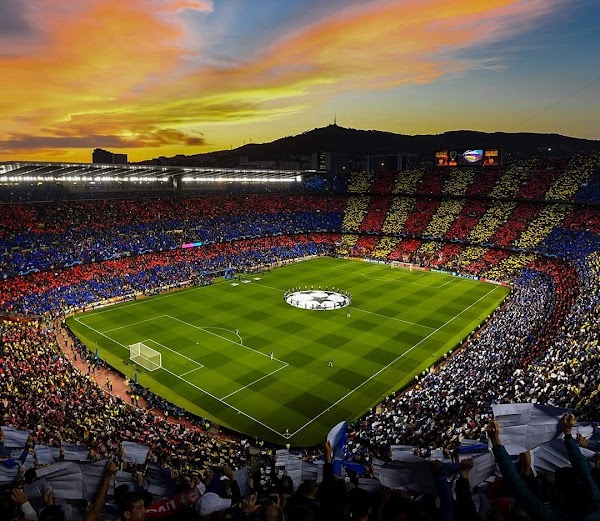
Spotify Camp Nou
Stadium
4.6
Even if you're not a football fan, Camp Nou, home of FC Barcelona, is something you simply have to experience. More than a stadium, it's a monument to pride, passion, and identity. Locals call it 'The Temple of Football,' but for Catalans, it's something deeper: a living symbol of who they are. The name Camp Nou means 'new field' in Catalan, and it has long since become one of Europe's most iconic sporting arenas. When you step inside, the scale takes your breath away, with steep stands rising toward the sky, the vast pitch glowing in sunlight, and the distant echo of fans chanting 'Mes que un club' (More than a club)—those words define Barça, not just a team, but a movement. The stadium opened on September 24, 1957, replacing the smaller Les Corts stadium as FC Barcelona's popularity soared in the post-war years. Over the decades, Camp Nou expanded to nearly 100,000 seats, making it the largest football stadium in Europe and a true pilgrimage site for fans around the world. Every seat holds a piece of history: this is where Lionel Messi scored both his first and last goals for Barcelona, where El Clásico roars like thunder, and where millions have cheered, cried, and celebrated together. Beneath the stands, there's even a small chapel dedicated to the Virgin of Montserrat, where players pause for a quiet prayer before walking onto the field. A visit to Camp Nou is not just a tour; it's a journey through the soul of the city, from the museum filled with trophies and memorabilia to the player's tunnel leading to the pitch. Every step connects you to the legends who made football history here. Because entry is limited and tickets are required to be booked online, don't wait until you arrive; secure your visit ahead of time. You can get there by taking the L3 (green) Metro line to Diagonal station. The building's flowing silhouette is impossible to miss at number 92 Passeig de Gràcia. For the best photos, stand diagonally across the street at the corner of Passeig de Gràcia and Carrer de Provença. The included audio guide adds rich soundscapes and context that make the visit even more immersive. After your visit, enjoy a coffee at Cafè de La Pedrera on the ground floor; few visitors know it's open to the public.
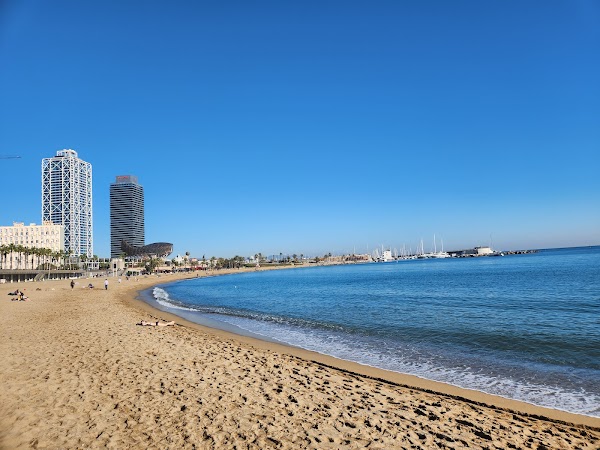
Barceloneta Beach
Beach
4.4
Barceloneta Beach, right in the center of La Barceloneta, is the most popular, a hub of volleyball, sunbathers, and street performers. It's a long stretch of golden sand, perfect for relaxing or enjoying various beach activities. The lively atmosphere and proximity to numerous restaurants and bars make it a favorite among visitors. You can reach it by taking the L4 (yellow) Metro line to Barceloneta station and walking 10 minutes, or by renting a bike and following the smooth coastal path. It connects easily to nearby highlights like Port Vell Marina, the W Hotel, the Barcelona Aquarium, and the Museu d'Història de Catalunya.
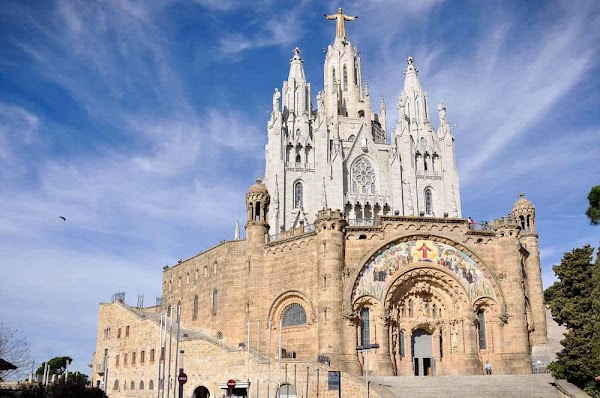
Tibidabo
Natural feature
4.5
Rising high above Barcelona, Tibidabo feels like a world apart, a mountain where the city fades away below and the Mediterranean stretches endlessly beyond. At 1,680 feet, it's the highest point in Barcelona, offering sweeping views that seem to capture every heartbeat of the city. Up here, you'll find a unique blend of spirituality, nostalgia, and pure joy: a place where a church, an amusement park, and the sky coexist in perfect harmony. At the summit stands the Sagrat Cor Church (Temple of the Sacred Heart), a twin to Paris's Sacré-Cœur, crowned by an 8-meter bronze statue of Christ with arms wide open over the city. Just below it spins one of Europe's oldest amusement parks, opened in 1901, where wooden rides and vintage attractions still clatter and whirl as they did more than a century ago. You can even board El Aviò, a 1928 airplane that really flies in circles, suspended on an arm above the mountain's edge. Then there's the Collserola Tower, a futuristic spire built for the 1992 Olympics; from its observation deck, Barcelona unfurls beneath you, from the Gothic Quarter to the sea, all the way to the distant peaks of Montserrat. The name 'Tibidabo' comes from Latin: 'Tibi Dabo,' meaning 'I will give to you,' taken from the biblical story where the Devil tempts Jesus by showing him all the kingdoms of the world from a high mountain. Standing here at sunset, watching the golden light wash over the skyline, you can almost feel that mythical echo. Plan about 2-3 hours if you're coming for the view and the church, or 4-5 hours if you want to enjoy the rides. Late afternoon to sunset is magical: soft light, long shadows, and the city bathed in gold. On clear evenings, you'll see the sea glowing like glass and the city lights flickering like constellations. Spring and fall weekends offer the perfect mix of good weather and manageable crowds. To get there, take the S1 or S2 train to Peu del Funicular, then the funicular to the top. Tibidabo is a place to breathe, to look back at the city's beauty, and to remember why Barcelona is unlike anywhere else.
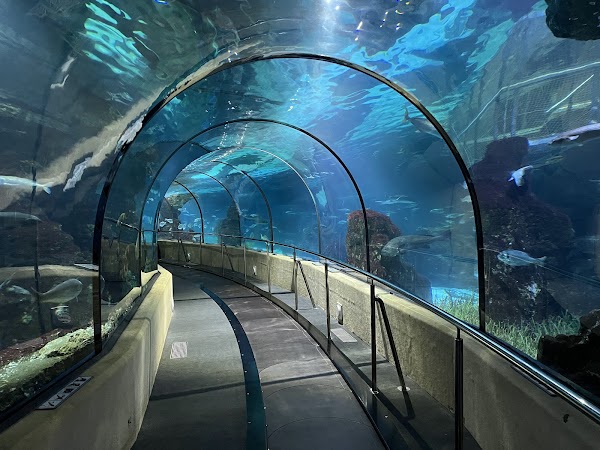
Aquàrium Barcelona
Aquarium
4.1
The Barcelona Aquarium is a popular attraction located near the Port Vell Marina, offering a fascinating glimpse into marine life. It's a great place for families and marine enthusiasts, featuring a large oceanarium and various themed aquariums. It's easily accessible and provides an educational and entertaining experience. You can reach it by taking the L4 (yellow) Metro line to Barceloneta station and walking 10 minutes, or by renting a bike and following the smooth coastal path. La Barceloneta connects easily to nearby highlights like Port Vell Marina, the W Hotel, and the Museu d'Història de Catalunya.
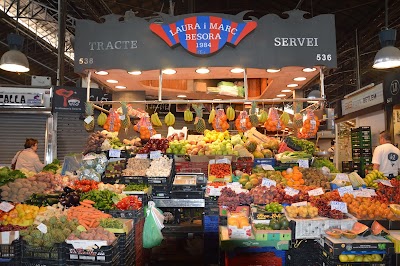
Mercado de La Boqueria
Market
4.5
Behind the iron gates at number 91 La Rambla lies a feast for the senses at La Boqueria Market, with over 300 stalls overflowing with fresh fruit, jamón, seafood, cheeses, smoothies, and sizzling tapas. The market is open from Monday to Saturday, 8 a.m. to 8:30 p.m., and closed on Sundays. The best hours to visit are early in the morning, between 8 and 10 a.m., when the local atmosphere is most authentic. Try to avoid the late morning rush from 11 a.m. to 1:30 p.m. when the aisles get crowded with tourists. Bring cash, as not all vendors accept cards, and keep an eye on your belongings when walking along La Rambla. An anti-theft backpack or wearing your bag in front is highly recommended. The market has been part of Barcelona's life since 1217, when farmers sold meat and produce outside the city walls. The iron roof and stained-glass entrance were added in 1840, and today, it remains a gathering place for chefs, locals, and travelers alike.
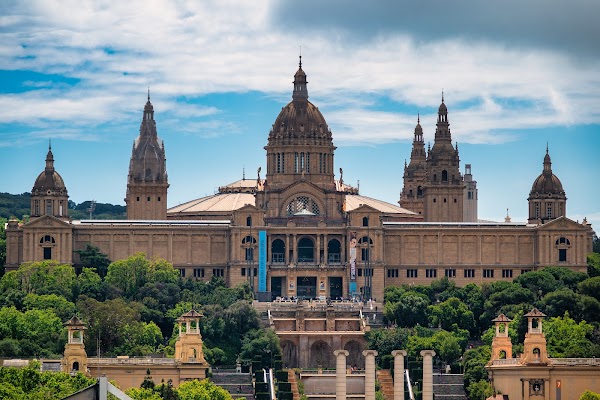
Museu Nacional d'Art de Catalunya
Museum
4.7
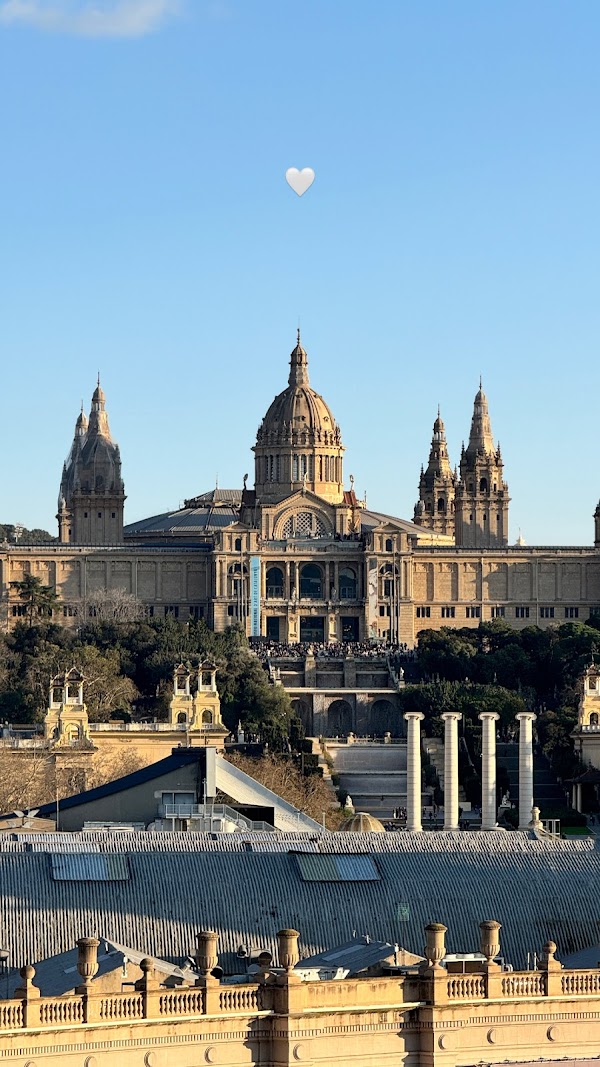
Down the slope of Montjuïc lies the majestic Museu Nacional d'Art de Catalunya (MNAC), a palatial building that looks like it belongs in a royal capital. Inside, it holds centuries of Catalan art, from medieval frescoes to modernist masterpieces. Broad staircases cascade down towards the city, lined with fountains and sculptures. You can reach it by taking the L1 or L3 Metro to Espanya, then walk uphill or catch the funicular and cable car to the summit. Go early morning for soft light or late afternoon to catch the sunset and stay for the Magic Fountain show. This museum is a place to breathe, to look back at the city's beauty, and to remember why Barcelona is unlike anywhere else.
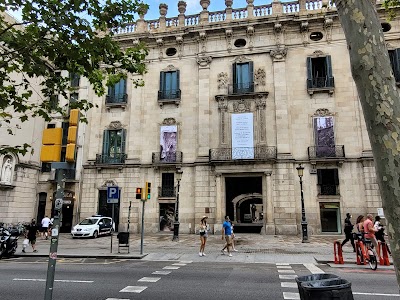
Virreina Palace
Museum
4.4
As you stroll along La Rambla, you'll pass the elegant Palau de la Virreina, an 18th-century Baroque palace that now hosts art exhibitions and cultural events. This beautiful building stands as a testament to Barcelona's rich architectural heritage. It's a great place to experience art and cultural events. You can reach it by taking the L3 (green) Metro line to Liceu station, or by simply strolling along La Rambla. Check their website for current exhibitions and opening hours.
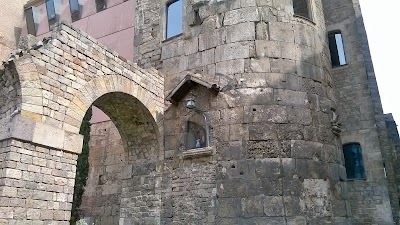
Roman city wall in Barcelona
Historical landmark
4.4
Hidden behind the Cathedral of Barcelona, you'll still see sections of the Roman wall, standing quietly after two millennia. These ancient fragments offer a tangible connection to Barcino, the Roman settlement founded around 15 BC that predates modern Barcelona. They are a profound reminder of the city's layered history. To make the most out of your visit and understand the details, consider a guided tour. The best way to reach this place is by walking, as it allows you to enjoy the narrow alleyways and old buildings that make up the Gothic Quarter.
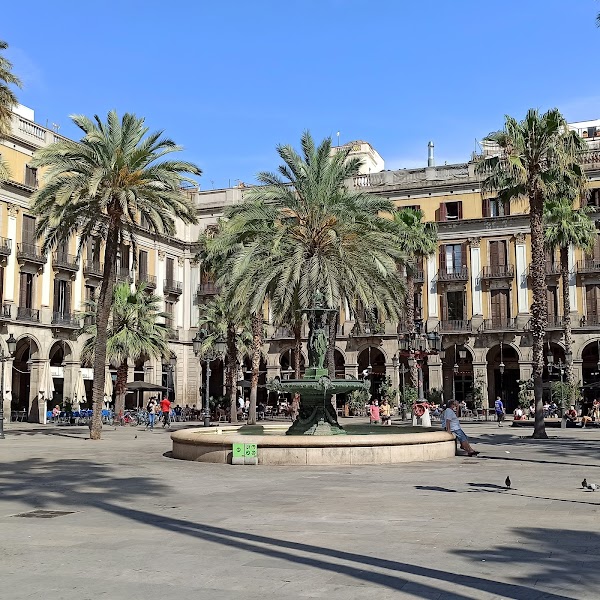
Plaça Reial
Place
Plaça Reial is a charming square lined with palm trees and elegant street lamps designed by a young Antoni Gaudí, featuring arcaded walkways and a central fountain. It's a popular spot for both locals and tourists, offering a lively atmosphere with outdoor cafes and restaurants. It is a place where history and modern life intersect. Wander slowly, and allow yourself to immerse in the calm and historical depth of the place. To make the most out of your visit and understand the details, consider a guided tour. The best way to reach this place is by walking, as it allows you to enjoy the narrow alleyways and old buildings that make up the Gothic Quarter.
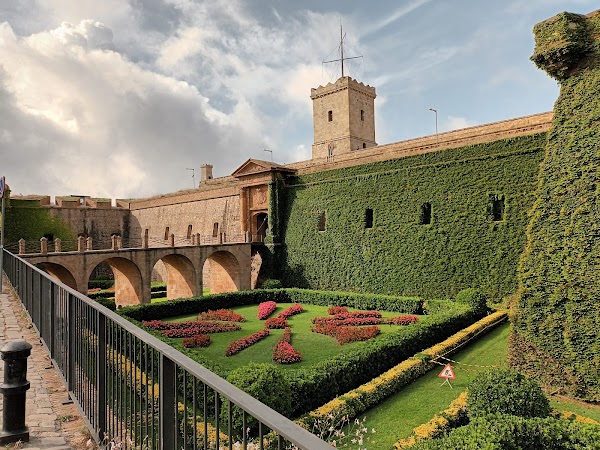
Montjuïc Castle
Historical place
4.4
The Castell de Montjuïc is a star-shaped fortress overlooking the harbor, offering miles of views in every direction. From its ramparts, the sea breeze feels like freedom itself. It was built as a military stronghold in the 17th century and offers a rich history to explore. You can reach it by taking the L1 or L3 Metro to Espanya, then walk uphill or catch the funicular and cable car to the summit. Go early morning for soft light or late afternoon to catch the sunset and stay for the Magic Fountain show. The castle is a place to breathe, to look back at the city's beauty, and to remember why Barcelona is unlike anywhere else.
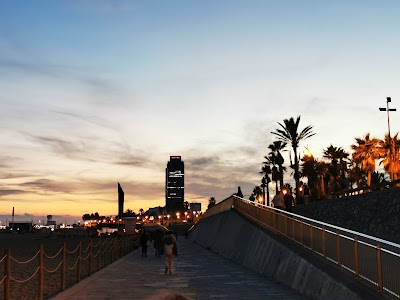
La Barceloneta
Place
Few places capture the spirit of Barcelona like La Barceloneta, the city's sun-soaked shoreline where sand, sea, and urban energy collide. Just south of the old town, this lively neighborhood began as a humble fishing village, and today it's the beating heart of coastal life. Stroll along the Passeig Marítim, the palm-lined promenade stretching nearly 3 miles from Port Vell to the Olympic Marina. By day, the beaches buzz with volleyball games, cyclists, and families enjoying the Mediterranean sun; by night, the same stretch transforms into a golden ribbon of lights, with beach bars glowing and music floating on the breeze. La Barceloneta was built in the 18th century for fishermen and sailors displaced from the Ribera district, and its narrow grid of streets still echoes that past. The neighborhood remained working-class for centuries, with simple homes, tiny balconies, and community life spilling into the streets. Today, it has one of the highest concentrations of tapas bars in the city, where between the sound of seagulls and chatter, you'll find tiny seafood taverns serving plates of grilled squid, anchovies, and paella that rival the city's finest restaurants. You can reach it by taking the L4 (yellow) Metro line to Barceloneta station and walking 10 minutes, or by renting a bike and following the smooth coastal path.
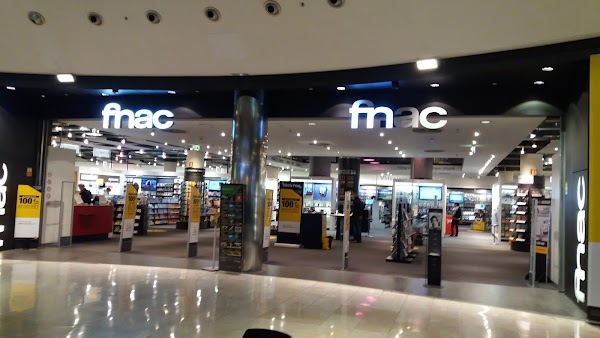
Arenas de Barcelona
Shopping mall
4.2
Before the Magic Fountain show, grab a drink on the rooftop of Las Arenas, a former bullring turned shopping center with one of the best panoramic terraces in Barcelona. This unique venue offers stunning views of the city, especially during sunset. It's a great place to relax and enjoy the vibrant atmosphere before or after the fountain show. The historic architecture blended with modern amenities provides a memorable experience. You can reach Las Arenas by taking the L1 or L3 Metro to Espanya station, from where it's just a short walk.
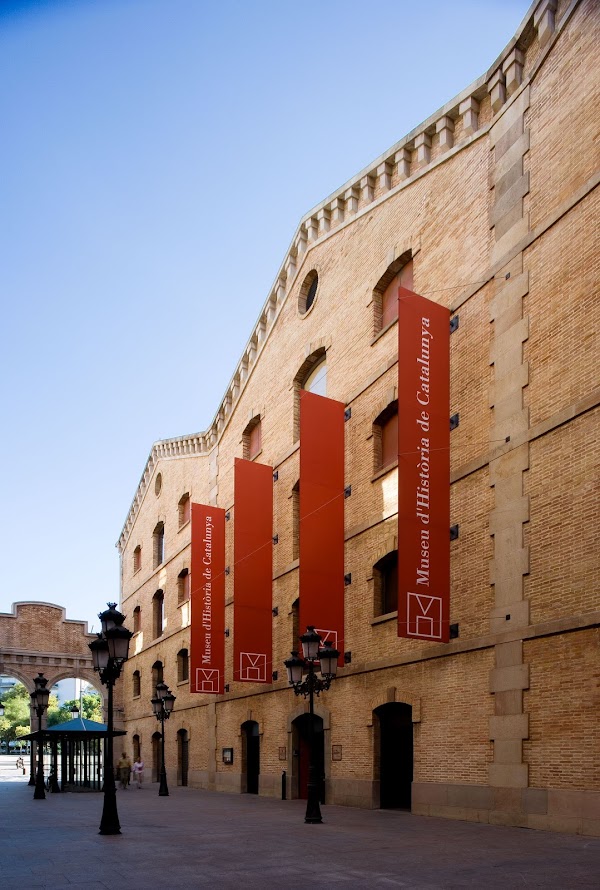
Museum of the History of Catalonia
History museum
4.5
The Museu d'Història de Catalunya offers a journey through Catalonia's rich past, with its rooftop terrace providing one of the best harbor views in town. This museum is an excellent place to understand the region's historical and cultural development. The rooftop offers stunning panoramic views. It's easily accessible and provides an educational and entertaining experience. You can reach it by taking the L4 (yellow) Metro line to Barceloneta station and walking 10 minutes, or by renting a bike and following the smooth coastal path. La Barceloneta connects easily to nearby highlights like Port Vell Marina, the W Hotel, and the Barcelona Aquarium.
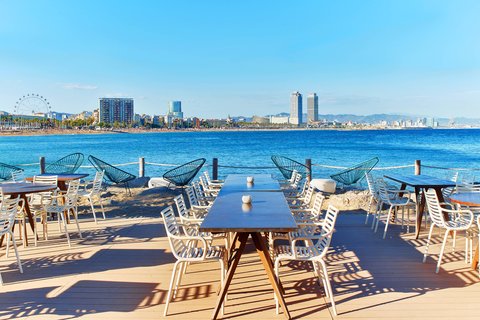
W Barcelona

Hotel
4.4
The glass-sailed W Hotel is an iconic landmark on the Barcelona coastline, offering luxurious accommodation and stunning sea views. Its unique design resembles a sailboat and has become a symbol of the city's modern architecture. From its rooftop, you can enjoy panoramic views of the Mediterranean and the city. It's located near Somorrostro Beach, which draws a younger, trendier crowd with its beach clubs and chiringuitos. You can reach it by taking the L4 (yellow) Metro line to Barceloneta station and walking 10 minutes, or by renting a bike and following the smooth coastal path. Walk out to the pier near the W Hotel at sunset, as the skyline lights up behind you and the sea glows ahead, for a final view to remember. It's pure Mediterranean magic, the perfect meeting point of city and sea.
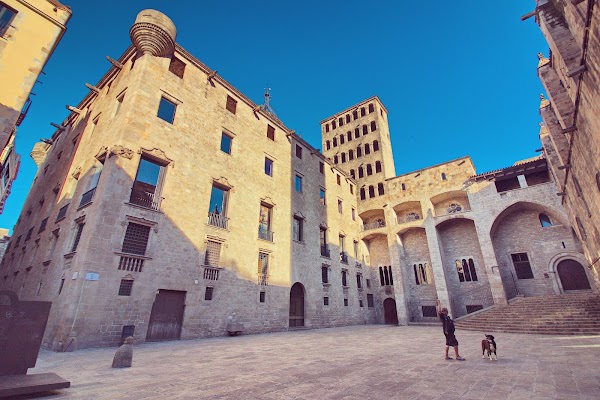
Plaça del Rei
Place
4.7
Plaça Del Rei is a medieval courtyard, once home to Catalan royalty, surrounded by impressive Gothic and Renaissance buildings. This square offers a glimpse into Barcelona's royal past, with structures like the Palau Reial Major and the Saló del Tinell. It is a place where history and modern life intersect. Wander slowly, and allow yourself to immerse in the calm and historical depth of the place. To make the most out of your visit and understand the details, consider a guided tour. The best way to reach this place is by walking, as it allows you to enjoy the narrow alleyways and old buildings that make up the Gothic Quarter.
Somorrostro beach
Beach
4.3
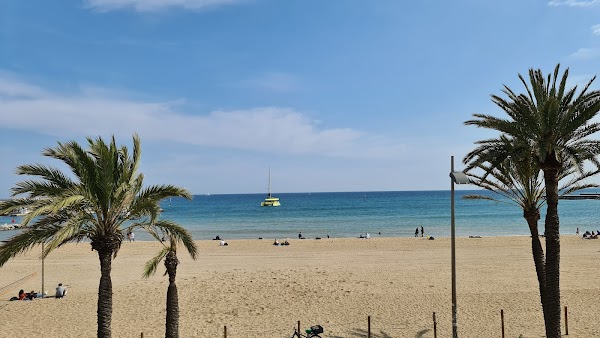
Somorrostro Beach, near the W Hotel, draws a younger, trendier crowd with its beach clubs and chiringuitos. It's one of Barcelona's lively urban beaches, perfect for sunbathing, swimming, and enjoying the vibrant atmosphere. The beach is known for its energetic ambiance. You can reach it by taking the L4 (yellow) Metro line to Barceloneta station and walking 10 minutes, or by renting a bike and following the smooth coastal path. It connects easily to nearby highlights like Port Vell Marina, the W Hotel, the Barcelona Aquarium, and the Museu d'Història de Catalunya.
Temple of the Sacred Heart of Jesus
Church
4.7
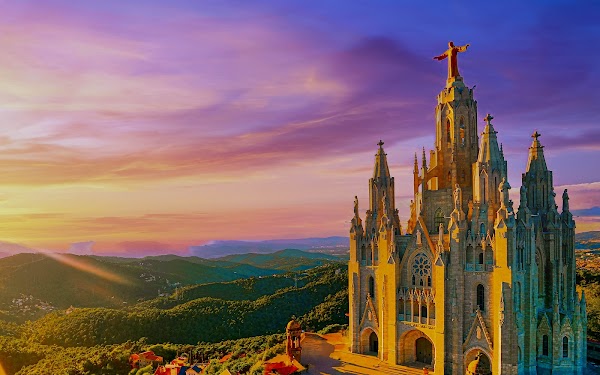
At the summit of Tibidabo stands the Sagrat Cor Church (Temple of the Sacred Heart), a twin to Paris's Sacré-Cœur, crowned by an 8-meter bronze statue of Christ with arms wide open over the city. This stunning church is a symbol of spirituality and offers breathtaking panoramic views of Barcelona. Its intricate architecture and commanding presence make it a focal point of the Tibidabo mountain. Plan about 2-3 hours if you're coming for the view and the church, or 4-5 hours if you want to enjoy the rides. Late afternoon to sunset is magical: soft light, long shadows, and the city bathed in gold. Spring and fall weekends offer the perfect mix of good weather and manageable crowds. To get there, take the S1 or S2 train to Peu del Funicular, then the funicular to the top. Tibidabo is a place to breathe, to look back at the city's beauty, and to remember why Barcelona is unlike anywhere else.
Montjuïc
Natural feature
4.7
Rising above the city's southern edge, Montjuïc Hill offers sweeping views where Barcelona stretches out before you, from the rooftops of the Gothic Quarter to the endless shimmer of the Mediterranean Sea. The name 'Montjuïc' means 'Jewish Mountain,' a nod to the medieval Jewish cemetery once located here. It became a military stronghold in the 17th century, with the Castell de Montjuïc, a star-shaped fortress overlooking the harbor. Today, it's a world of its own, where you can wander through peaceful gardens like the Jardins de Mossèn Costa i Llobera (one of Europe's most unique cactus gardens), explore museums (like the MNAC), visit the centurys-old castle, or ride the Teleferic de Montjuïc cable car for panoramic views. To get there, take the L1 or L3 Metro to Espanya, then walk uphill or catch the funicular and cable car to the summit. Go early morning for soft light or late afternoon to catch the sunset and stay for the Magic Fountain show. It's a place to breathe, to look back at the city's beauty, and to remember why Barcelona is unlike anywhere else.
Jardins de Mossèn Costa i Llobera
Garden
4.5
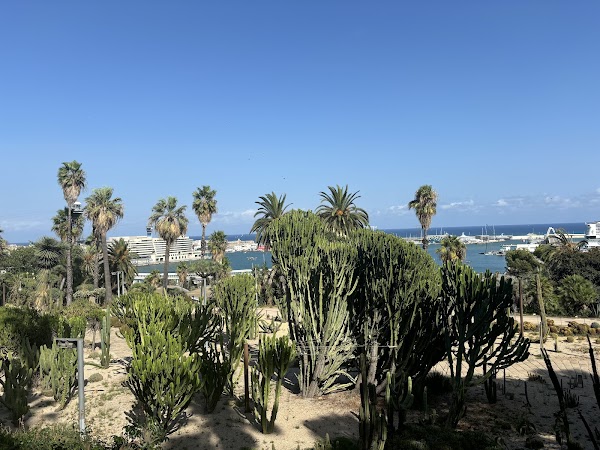
Between the monuments of Montjuïc lie peaceful gardens and winding paths, including the Jardins de Mossèn Costa i Llobera, one of Europe's most unique cactus gardens. It's home to over 800 species of cacti and succulents, each sculpted by the sea breeze. You can reach it by taking the L1 or L3 Metro to Espanya, then walk uphill or catch the funicular and cable car to the summit. Go early morning for soft light or late afternoon to catch the sunset and stay for the Magic Fountain show. These gardens are a place to breathe, to look back at the city's beauty, and to remember why Barcelona is unlike anywhere else.
Marina Port Vell
Marina
4.5
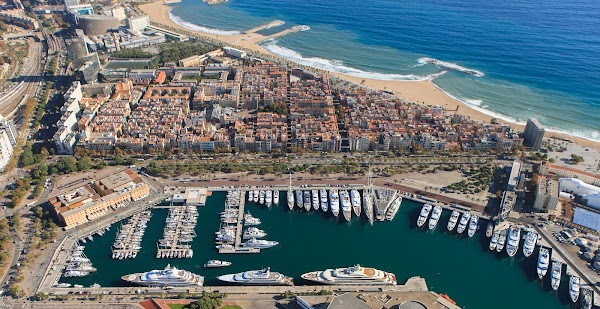
Port Vell Marina is a modern harbor and a vibrant waterfront area, offering a beautiful setting for a stroll, with many yachts and boats docked. It connects La Barceloneta to other city highlights and is a hub of activity. The marina is surrounded by various restaurants and entertainment options. It's easily accessible and provides an educational and entertaining experience. You can reach it by taking the L4 (yellow) Metro line to Barceloneta station and walking 10 minutes, or by renting a bike and following the smooth coastal path. La Barceloneta connects easily to nearby highlights like the W Hotel, the Barcelona Aquarium, and the Museu d'Història de Catalunya.
Telefèric de Montjuïc (Montjuïc Cable Car)
Place
4.4
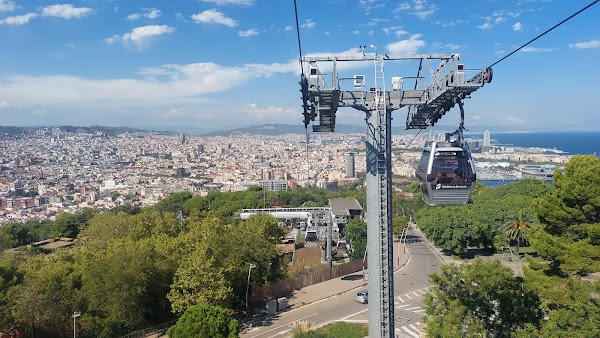
If you'd rather glide than walk, take the Telefèric de Montjuïc, the hill's cable car. This 0.47-mile ride floats you above pine trees and terracotta rooftops, with views stretching all the way to the distant mountains. It's a scenic and effortless way to experience the beauty of Montjuïc. You can reach it by taking the L1 or L3 Metro to Espanya, then walk uphill or catch the funicular and cable car to the summit. For the best experience, go early morning when the light is soft or late afternoon to catch the sunset and stay for the Magic Fountain show.
Nova Icaria beach
Beach
4.4
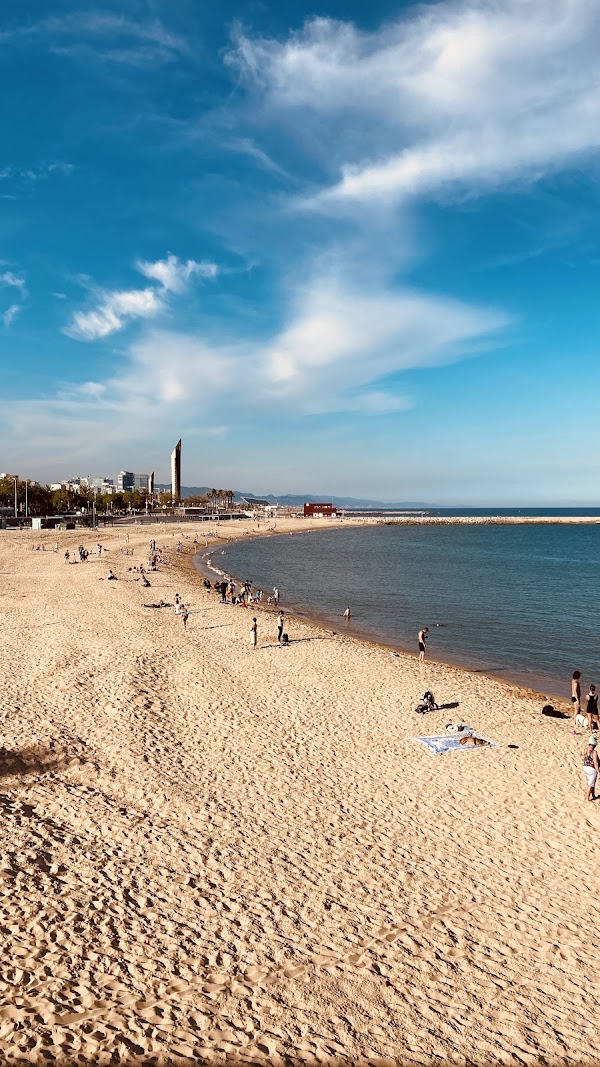
Further north along the Barcelona coastline, Nova Icària and Bogatell beaches offer wider sand and calmer waters, perfect for families or a relaxed swim. These beaches are known for their tranquil environment and excellent facilities, making them ideal for a peaceful day out. They are great for families with children due to their calm waters and spacious sandy areas. You can reach them by taking the L4 (yellow) Metro line to Nova Icària or Bogatell station, or by renting a bike and following the smooth coastal path.
Sant Miquel Beach
Beach
4.4
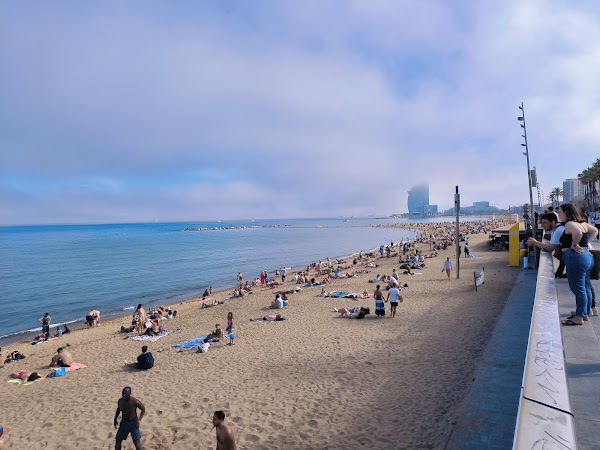
Sant Miquel and Sant Sebastià Beaches are quieter than Barceloneta Beach, with more locals and fishermen, offering a more tranquil seaside experience. These beaches are perfect for those seeking a peaceful swim or a relaxed day by the sea. They offer a great opportunity to observe local life and enjoy the Mediterranean ambiance away from the busiest crowds. You can reach them by taking the L4 (yellow) Metro line to Barceloneta station and walking 10 minutes, or by renting a bike and following the smooth coastal path. They connect easily to nearby highlights like Port Vell Marina, the W Hotel, the Barcelona Aquarium, and the Museu d'Història de Catalunya.
Plaça de Sant Jaume
Place
4.6
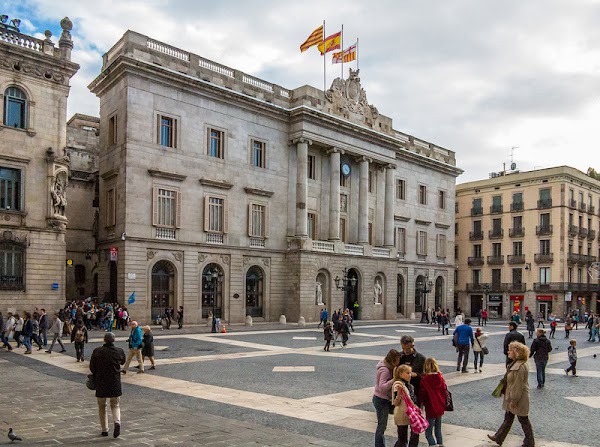
Plaça Sant Jaume is the political center of Barcelona, where City Hall still stands, and is home to the Generalitat de Catalunya, the seat of the Catalan government. This historic square is a vibrant hub that hosts various events and celebrations throughout the year. Its grand architecture and central location make it a significant landmark in the Gothic Quarter. It is a place where history and modern life intersect. Wander slowly, and allow yourself to immerse in the calm and historical depth of the place. To make the most out of your visit and understand the details, consider a guided tour. The best way to reach this place is by walking, as it allows you to enjoy the narrow alleyways and old buildings that make up the Gothic Quarter.
Plaça de Sant Felip Neri
Place
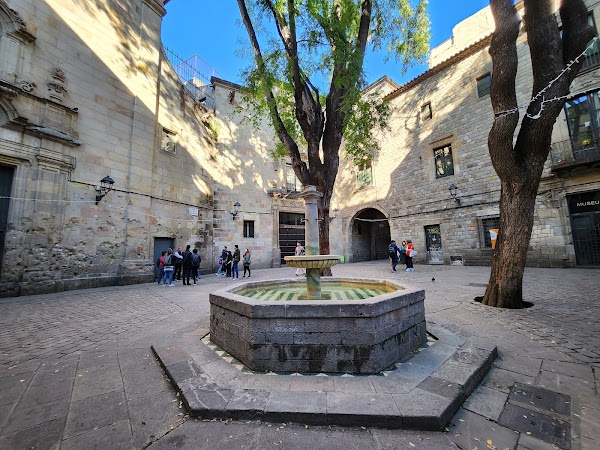
At Plaça Sant Felip Neri, if you look closely at the church walls, you'll see bullet holes, remnants of the Spanish Civil War. This quiet, tucked-away square offers a poignant glimpse into a turbulent period of Barcelona's past. The bullet holes serve as a powerful historical marker. It is a place where history and modern life intersect. Wander slowly, and allow yourself to immerse in the calm and historical depth of the place. To make the most out of your visit and understand the details, consider a guided tour. The best way to reach this place is by walking, as it allows you to enjoy the narrow alleyways and old buildings that make up the Gothic Quarter.
Carrer del Regomir
Place
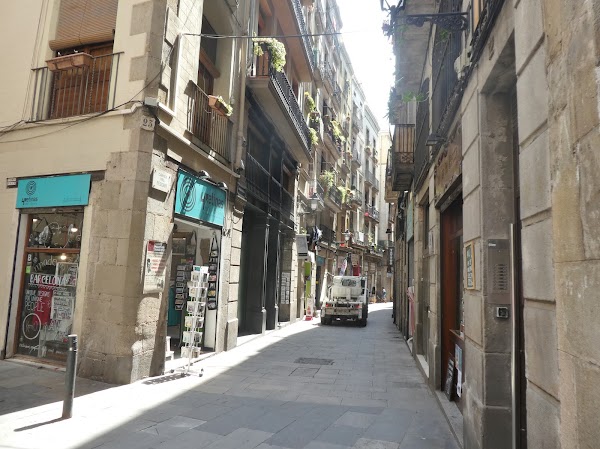
For authentic tapas in the Gothic Quarter, slip into side streets like Carrer del Regomir, away from the overpriced restaurants on La Rambla. This street offers a more local dining experience, where you can savor traditional Spanish small plates. It is a place where history and modern life intersect. Wander slowly, and allow yourself to immerse in the calm and historical depth of the place. To make the most out of your visit and understand the details, consider a guided tour. The best way to reach this place is by walking, as it allows you to enjoy the narrow alleyways and old buildings that make up the Gothic Quarter.
Passeig Marítim de la Barceloneta
Place
4.6
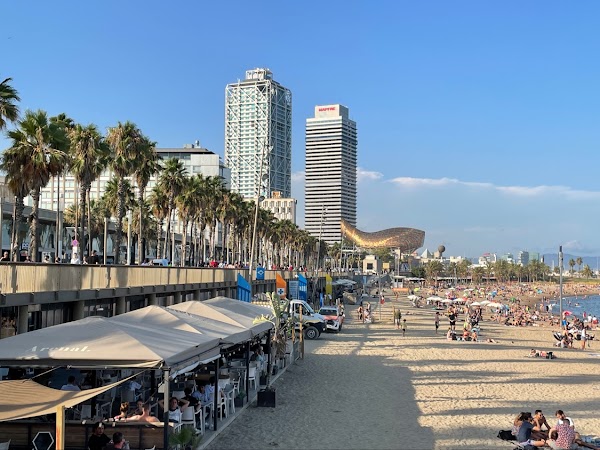
The Passeig Marítim is the palm-lined promenade stretching nearly 3 miles from Port Vell to the Olympic Marina, offering stunning views of the Mediterranean Sea and the city skyline. By day, the beaches buzz with volleyball games, cyclists, and families enjoying the Mediterranean sun; by night, the same stretch transforms into a golden ribbon of lights, with beach bars glowing and music floating on the breeze. It's a great place for a leisurely walk, a bike ride, or simply to relax and enjoy the vibrant atmosphere. You can reach it by taking the L4 (yellow) Metro line to Barceloneta station and walking 10 minutes, or by renting a bike and following the smooth coastal path. La Barceloneta connects easily to nearby highlights like Port Vell Marina, the W Hotel, the Barcelona Aquarium, and the Museu d'Història de Catalunya.
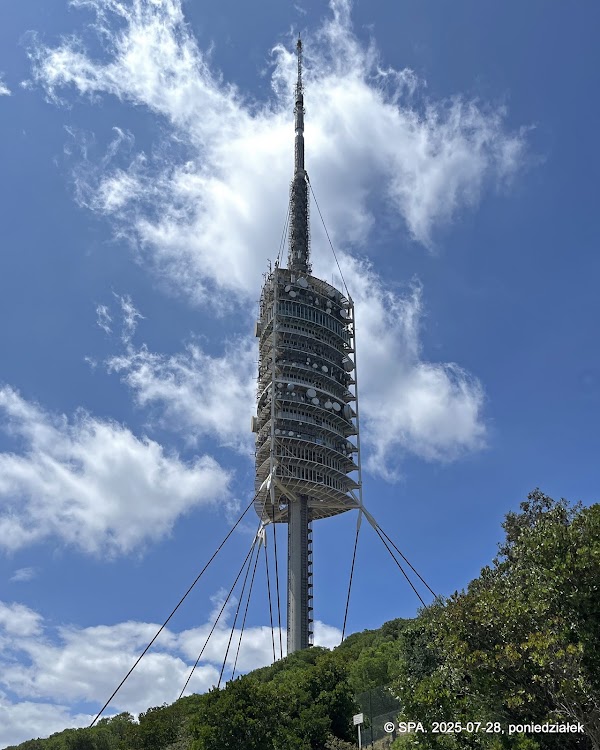
Torre de Collserola
Place
4.5
The Collserola Tower is a futuristic spire built for the 1992 Olympics, offering an observation deck from which Barcelona unfurls beneath you, from the Gothic Quarter to the sea, all the way to the distant peaks of Montserrat. This iconic telecommunications tower provides unparalleled 360-degree views of the city and its surroundings. It's a great spot for photography and experiencing the vastness of Barcelona. Plan about 2-3 hours if you're coming for the view and the church, or 4-5 hours if you want to enjoy the rides. Late afternoon to sunset is magical: soft light, long shadows, and the city bathed in gold. Spring and fall weekends offer the perfect mix of good weather and manageable crowds. To get there, take the S1 or S2 train to Peu del Funicular, then the funicular to the top. Tibidabo is a place to breathe, to look back at the city's beauty, and to remember why Barcelona is unlike anywhere else.
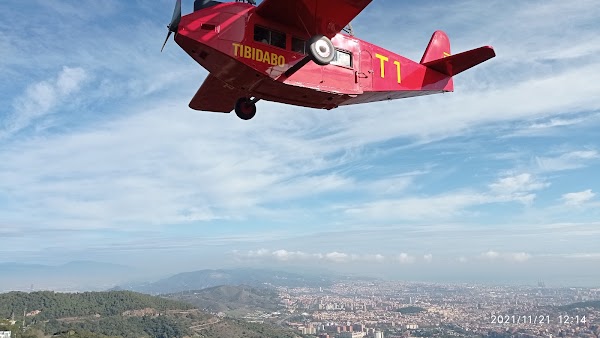
Avió
Place
4.5
At Tibidabo, you can even board El Aviò, a 1928 airplane that really flies in circles, suspended on an arm above the mountain's edge. This vintage attraction is part of Europe's oldest amusement park, opened in 1901. It offers a unique and nostalgic experience, combining history with a thrilling ride. Plan about 2-3 hours if you're coming for the view and the church, or 4-5 hours if you want to enjoy the rides. Late afternoon to sunset is magical: soft light, long shadows, and the city bathed in gold. Spring and fall weekends offer the perfect mix of good weather and manageable crowds. To get there, take the S1 or S2 train to Peu del Funicular, then the funicular to the top. Tibidabo is a place to breathe, to look back at the city's beauty, and to remember why Barcelona is unlike anywhere else.
More featured places in Barcelona

Barcelona's Hidden Gems For Food, Nature, and Culture
Park Güell, La Rambla, Barcelona History Museum MUHBA
Barcelona's Iconic Houses, Parks, and Views
La Sagrada Familia, Casa Batlló, Palau de la Música Catalana
Barcelona's Top 12 Attractions and Travel Guide
La Sagrada Familia, Park Güell, Casa Batlló
Top Barcelona Attractions And Day Trips
La Sagrada Familia, Park Güell, Casa Batlló
15 Attractions in Barcelona
La Sagrada Familia, Park Güell, Casa Batlló