
Beautiful Locations Across Japan
Source:
@FarChord


Save places straight from any post.
Share an Instagram, TikTok, YouTube, Facebook, Google Maps or web link to DocentPro and every place in it lands on your map. This post became these 65.


65 places on the map
Explore the map in the DocentPro app65 attractions in Japan: Shirogane Blue Pond (Aoiike), Shiretokogo Lake, Panoramic Flower Gardens Shikisai-no-oka, and 62 more. Every place is verified on Google Maps, featured in a YouTube post by FarChord.
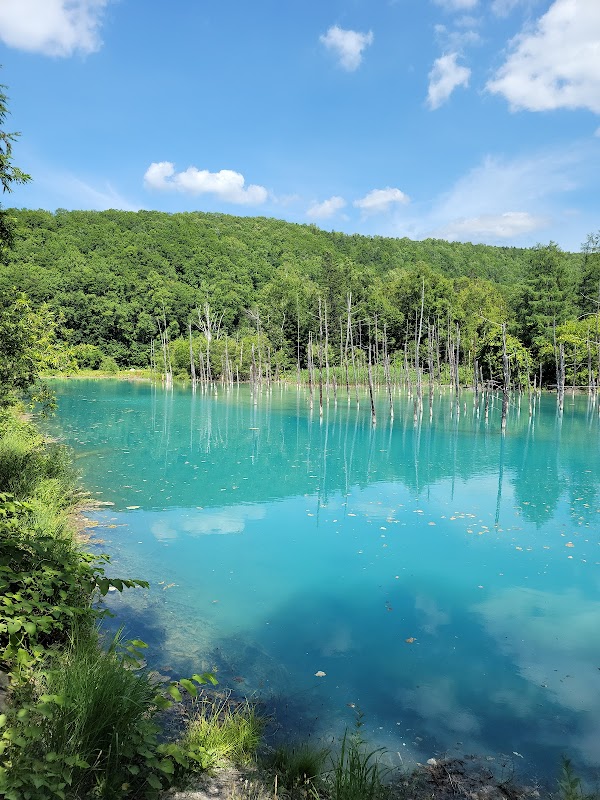
Shirogane Blue Pond (Aoiike)

Place

4.3
The Biei Blue Pond in Hokkaido, Japan, is known for its stunning turquoise-blue waters, created by natural minerals in the water, and the larch and birch trees that stand submerged within it. The pond's ethereal beauty changes with the seasons and lighting, offering captivating photo opportunities.
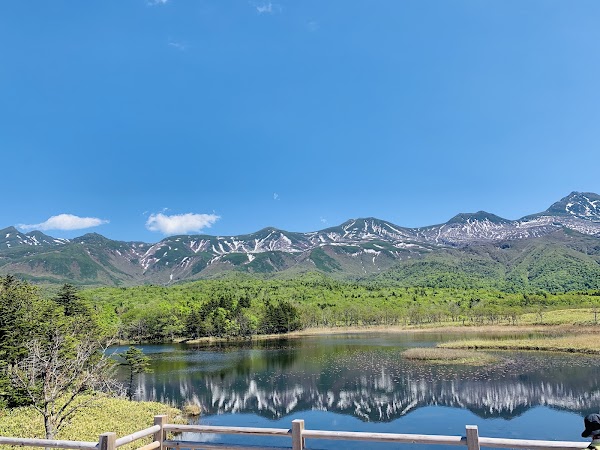
Shiretokogo Lake
Lake
4.6
The Shiretoko Goko Lakes are a series of five scenic lakes located in the Shiretoko National Park, a UNESCO World Heritage site in Hokkaido, Japan. These pristine lakes are surrounded by untouched nature, offering breathtaking views of the Shiretoko mountain range and opportunities for wildlife viewing, including brown bears and various bird species. A walking trail system allows visitors to explore the lakes, with some sections elevated to protect the fragile ecosystem.
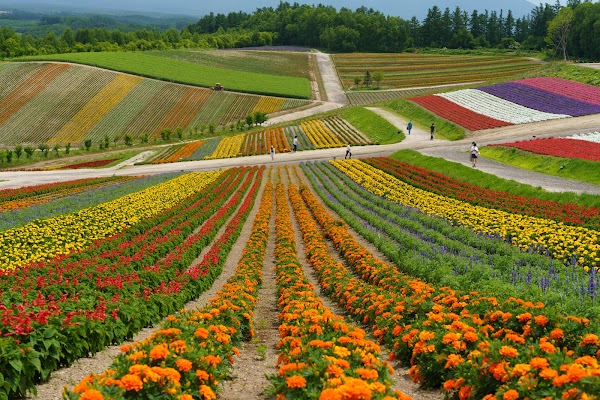
Panoramic Flower Gardens Shikisai-no-oka

Landmark
4.2
Shikisai no Oka is a panoramic flower garden located in Biei, Hokkaido, Japan, renowned for its vibrant stripes of seasonal flowers that paint the hillsides with an array of colors. Visitors can enjoy tractor-bus rides or walk through the extensive fields, which feature various flowers like lavender, sunflowers, and salvias, creating a picturesque landscape from spring to autumn. The farm also has an alpaca farm and a restaurant serving local produce.
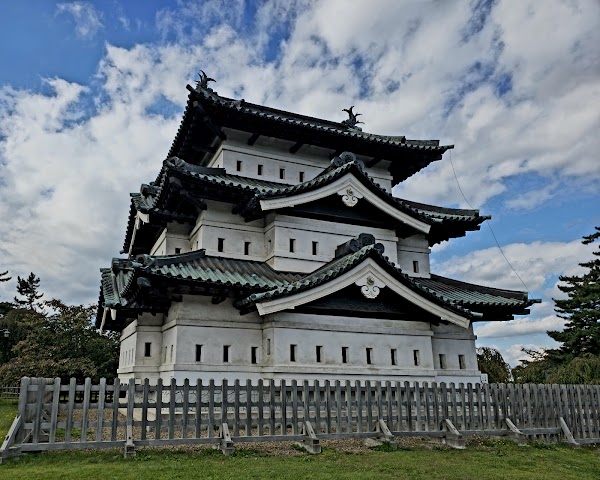
Hirosaki Castle
Castle
4.3
Hirosaki Castle is a historic Japanese castle located in Hirosaki, Aomori Prefecture, famous for its picturesque moats lined with cherry blossom trees. During spring, the castle grounds transform into one of Japan's most spectacular cherry blossom viewing spots, with petals covering the water, creating a stunning 'Hana Ikada' or flower raft effect. The castle itself, surrounded by its triple moats and defensive walls, offers a glimpse into feudal Japan.
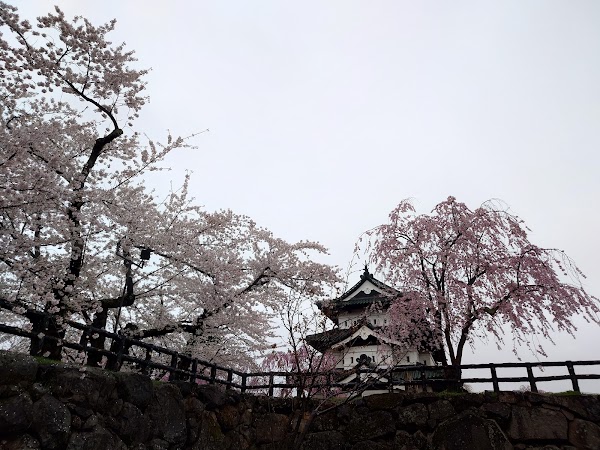
Hirosaki Park
City park
4.4
The red bridge in Hirosaki Park is a striking feature, particularly enchanting at night when the surrounding cherry blossoms are illuminated. The reflection of the lit-up cherry trees and the vibrant red bridge on the water creates a magical and romantic atmosphere. This spot is a highlight during the Hirosaki Cherry Blossom Festival, attracting many visitors for evening strolls and photography.
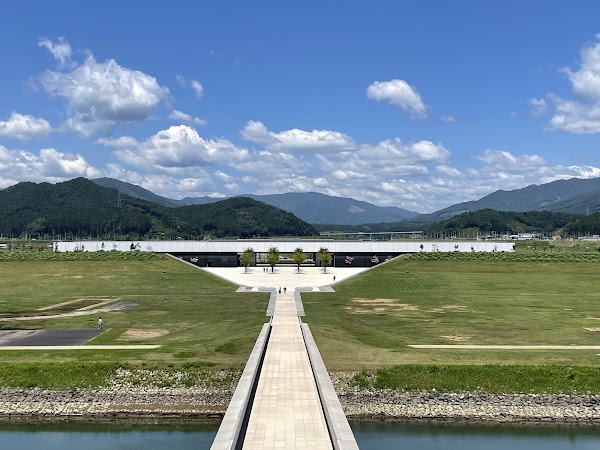
Iwate Tsunami Memorial Museum
Museum
4.6
The Iwate Tsunami Memorial Museum, located in Rikuzentakata, serves as a poignant reminder of the 2011 Great East Japan Earthquake and Tsunami. The museum features exhibits that convey the scale of the disaster, the resilience of the community, and the lessons learned for future disaster preparedness. It offers a space for reflection and remembrance of the lives lost and the journey of recovery.
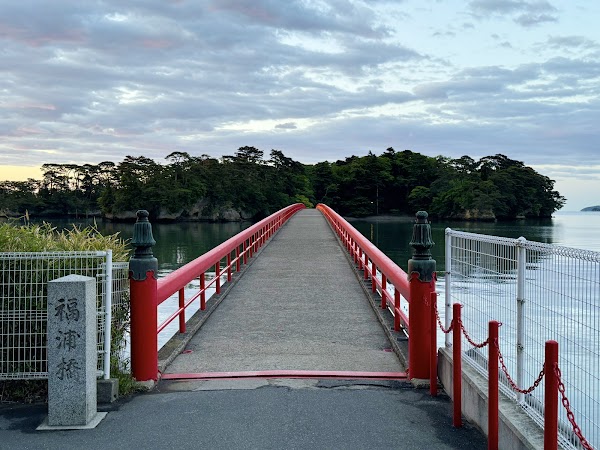
Fukuura Bridge
Bridge
4.2
The Matsushima red bridge is a distinctive landmark in Matsushima Bay, one of Japan's three most scenic views, connecting the mainland to Fukuura Island. This vibrant red bridge offers picturesque views of the bay's pine-clad islands and tranquil waters. Visitors can enjoy a leisurely walk across the bridge to explore Fukuura Island's nature trails and gardens.
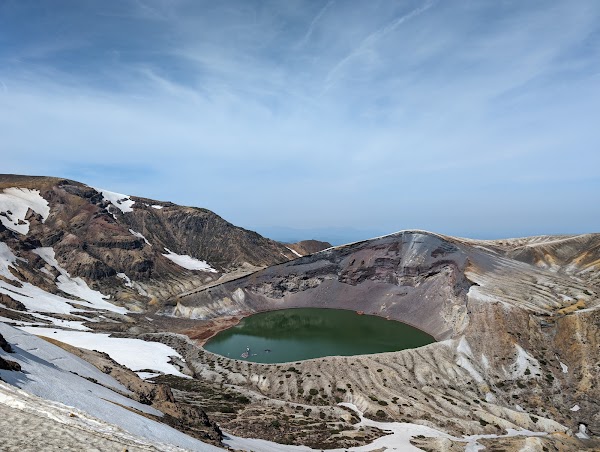
Okama
Landmark
4.6
Okama Crater, also known as 'Goshiki Numa' (Pond of Five Colors), is a stunning volcanic crater lake located on Mount Zao, straddling the border of Yamagata and Miyagi prefectures. The lake is famous for its mesmerizing emerald-green waters, which change color depending on the weather and sunlight conditions. The surrounding barren volcanic landscape creates a dramatic and otherworldly atmosphere.
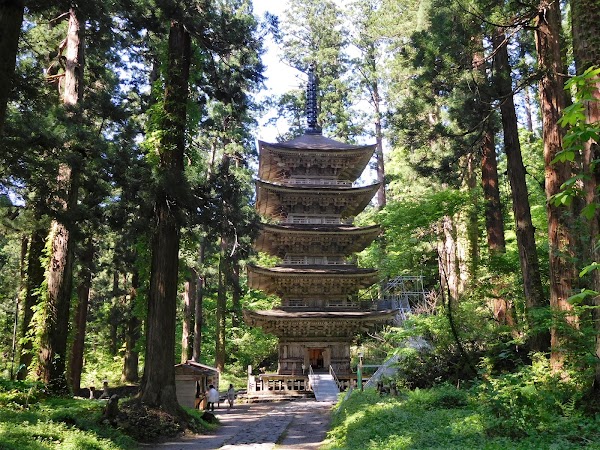
Mt. Haguro
Mountain peak
4.6
Mount Haguro is one of the three sacred mountains of Dewa Sanzan in Yamagata Prefecture, a revered site for Shugendo mountain asceticism. The mountain is renowned for its iconic Five-story Pagoda, a National Treasure, nestled within ancient cedar forests. Pilgrims and visitors ascend 2,446 stone steps lined with towering cedar trees, experiencing a spiritual journey through serene and ancient woodlands.
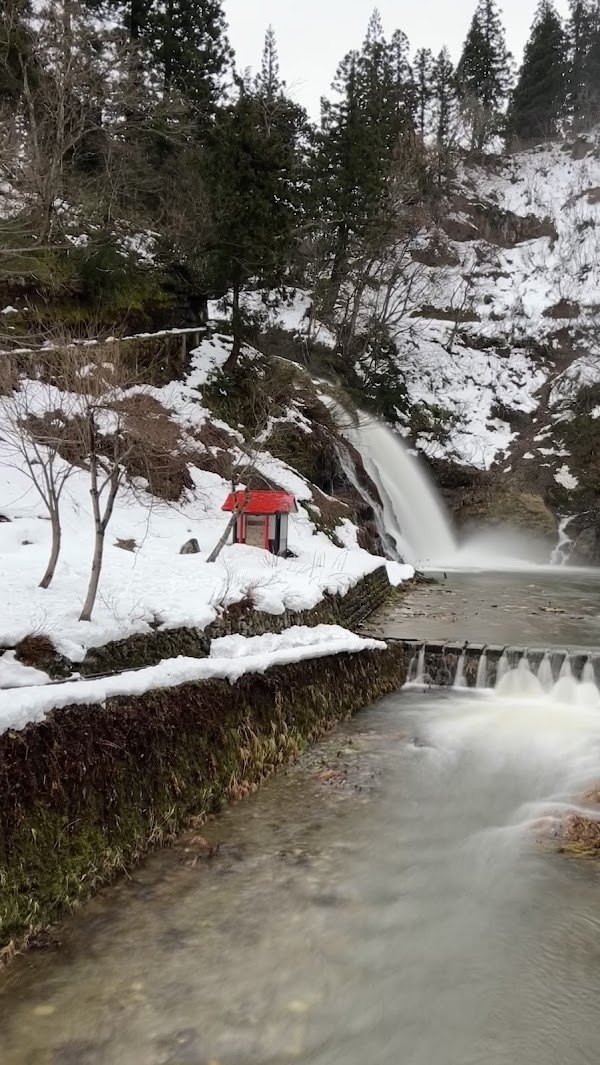
Ginzan Onsen
Place
Ginzan Onsen is a picturesque hot spring town in Yamagata Prefecture, famous for its historic wooden ryokans (traditional inns) lining a narrow river, especially enchanting during winter when covered in snow. The town's nostalgic atmosphere, reminiscent of a bygone era, is amplified by gas lamps that illuminate the streets at dusk. Visitors can enjoy relaxing in the public foot baths or staying in a ryokan for a traditional onsen experience.
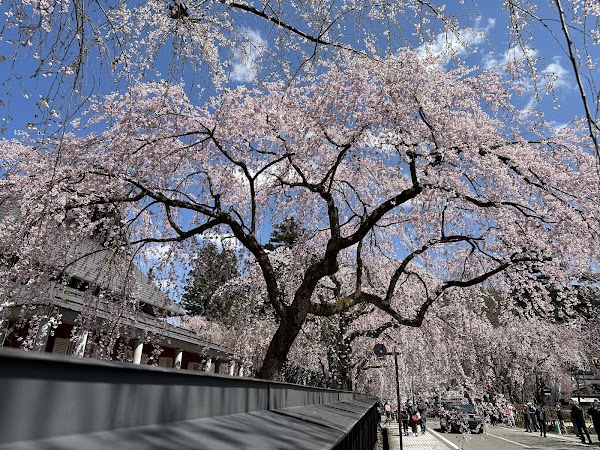
Kakunodate no Shidare-zakura (Weeping Cherry Tree)
Landmark
4.4
Kakunodate, often called 'Little Kyoto', is famous for its stunning weeping cherry trees (shidarezakura), particularly within its historic samurai district. The branches of these ancient trees cascade gracefully, creating tunnels of pink blossoms that are a breathtaking sight during spring. The blend of traditional samurai residences and delicate cherry blossoms offers a unique and picturesque cultural experience.
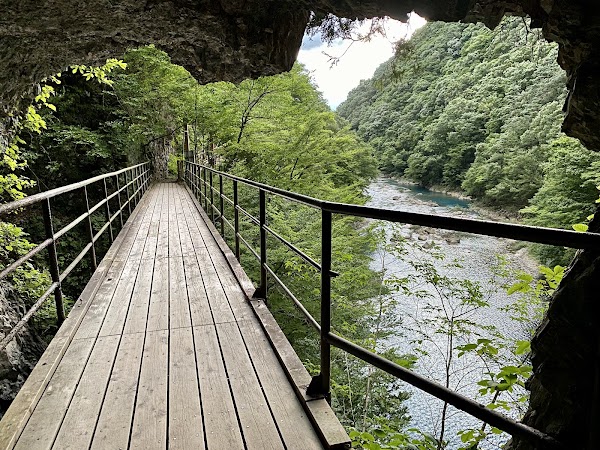
Dakigaeri Valley
Scenic spot
4.2
Zaobashi Bridge is a vibrant red suspension bridge spanning the Dakigaeri Valley in Akita Prefecture, offering spectacular views of the gorge's pristine turquoise waters and lush surrounding forests. The bridge is a popular spot for visitors to admire the natural beauty of the valley, especially stunning during autumn when the foliage turns vibrant shades of red and gold. The valley is known for its dramatic cliffs and crystal-clear river.
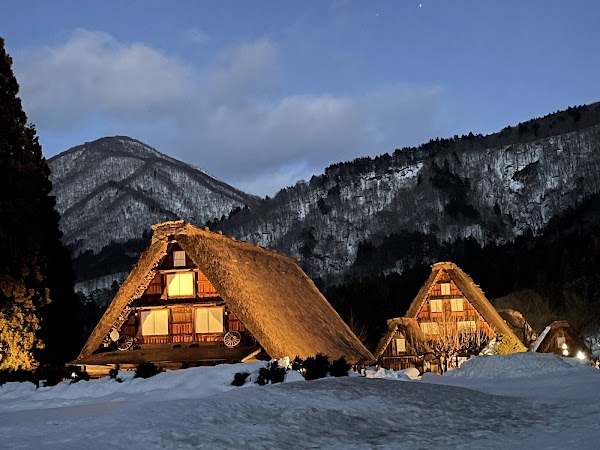
Shirakawa-go
Place
4.5
Shirakawa-go is a historic village in Gifu Prefecture, Japan, famous for its traditional gassho-zukuri farmhouses, characterized by their unique steeply pitched thatched roofs. These houses are designed to withstand heavy snowfall and are often seen covered in snow during winter, creating a fairy-tale-like landscape. The village is a UNESCO World Heritage site, offering visitors a glimpse into a traditional way of life and stunning rural scenery.
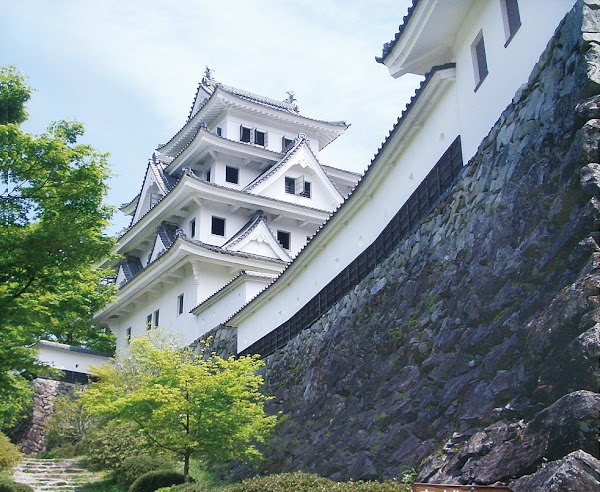
Gujo Hachiman Castle
Castle
4.2
Gujō Hachiman Castle is a beautifully reconstructed castle nestled atop a hill in Gujō, Gifu Prefecture, offering panoramic views of the surrounding town and mountains. Known as the 'Castle in the Sky' when shrouded in mist, its white walls and traditional Japanese architecture make it a picturesque landmark. The castle grounds are particularly popular during autumn for their vibrant fall foliage.
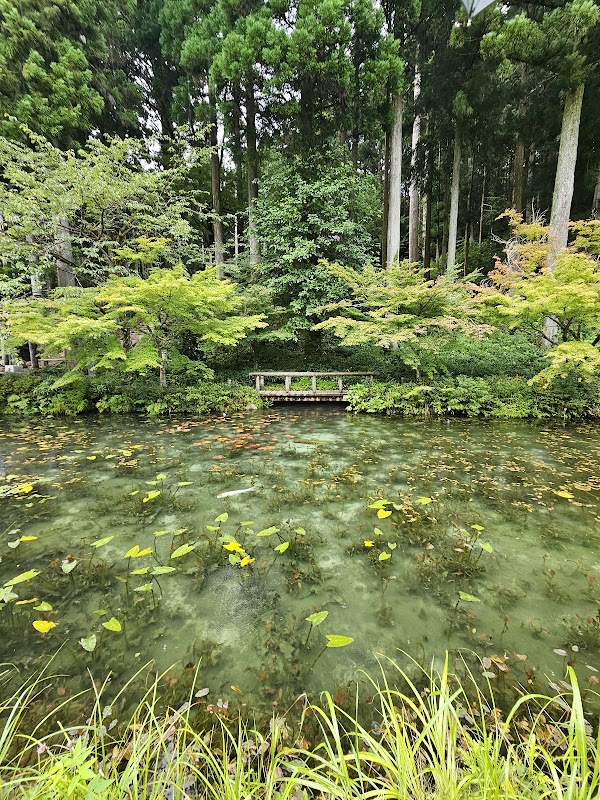
Monet No Pond
Lake
4.0
Monet's Pond, officially known as Nameless Pond, is a serene pond in Gifu Prefecture, famous for its remarkably clear, spring-fed waters adorned with water lilies and colorful koi fish, creating a scene highly reminiscent of Claude Monet's 'Water Lilies' paintings. The pond's pristine clarity allows for stunning reflections and vibrant colors, making it a popular spot for photography. Despite its artistic resemblance, the pond is naturally occurring.
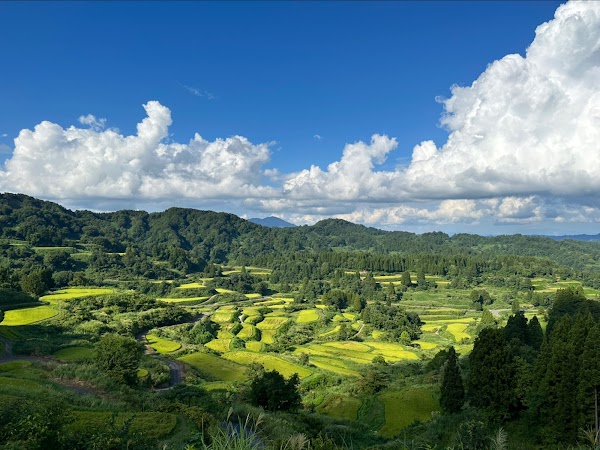
Hoshitouge Terraced Rice Field
Scenic spot
4.2
The Terraced Rice Fields of Tokamachi in Niigata Prefecture are a stunning example of traditional Japanese agriculture, with countless rice paddies carved into steep hillsides. These terraced fields, especially iconic during planting season when they reflect the sky, and during harvest when they turn golden, create a beautiful and intricate landscape. They represent centuries of farming heritage and offer picturesque views throughout the year.
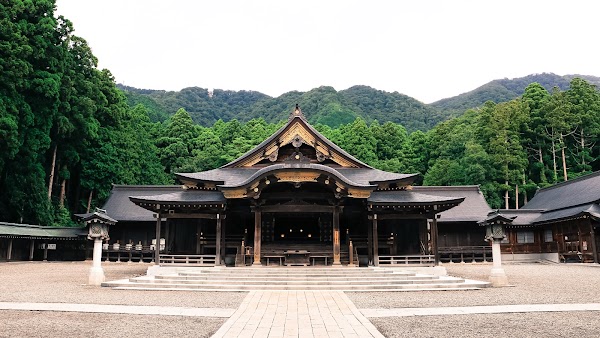
Yahiko Shrine
Shinto shrine
4.5
Yahiko-jinja is a historic Shinto shrine nestled at the base of Mount Yahiko in Niigata Prefecture, renowned for its beautiful grounds, traditional architecture, and a sacred deer park. The shrine is a popular pilgrimage site, particularly during autumn when the surrounding trees display vibrant fall colors. Visitors can enjoy the tranquil atmosphere and explore the various shrine buildings, including its main hall and large torii gate.
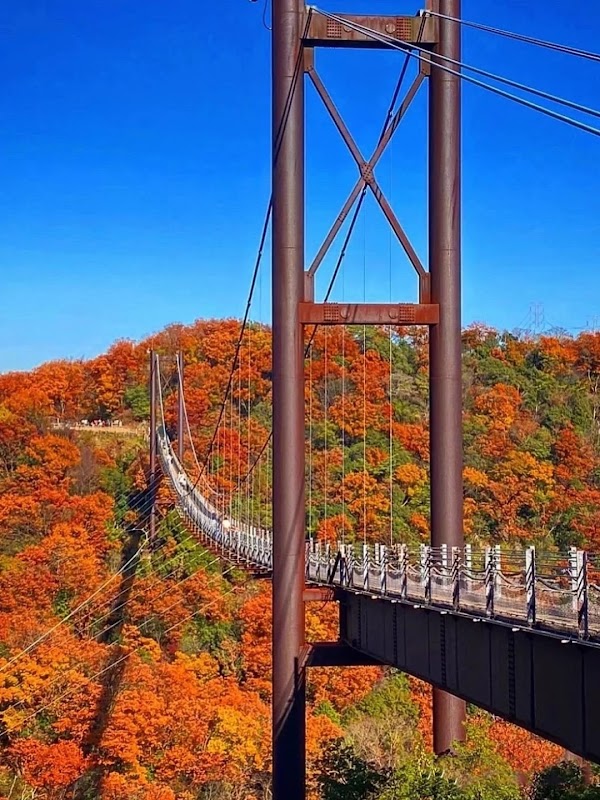
Hoshida Park
Park
4.3
Hoshida Park is a nature park in Osaka Prefecture, known for its vast forested areas and impressive 'Hoshida Enchi Suspension Bridge', one of Japan's largest wooden suspension bridges. The park offers various hiking trails that lead through scenic valleys and provide stunning views, especially vibrant during the autumn foliage season. It's a popular spot for outdoor activities, including rock climbing and stargazing.
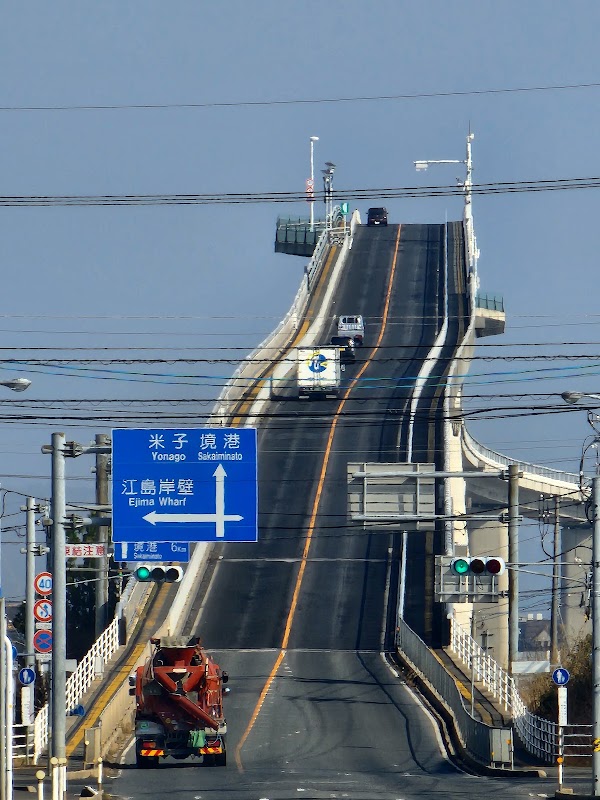
Eshima Ohashi Bridge
Bridge
4.0
The Shimousa Tone Ohashi Bridge is a prominent bridge spanning the Tone River, connecting Ibaraki and Chiba prefectures in Japan. This long, modern bridge is a vital transportation link, offering panoramic views of the wide river and the surrounding rural landscape. It's an important structure for regional connectivity and a recognizable feature of the Tone River area.
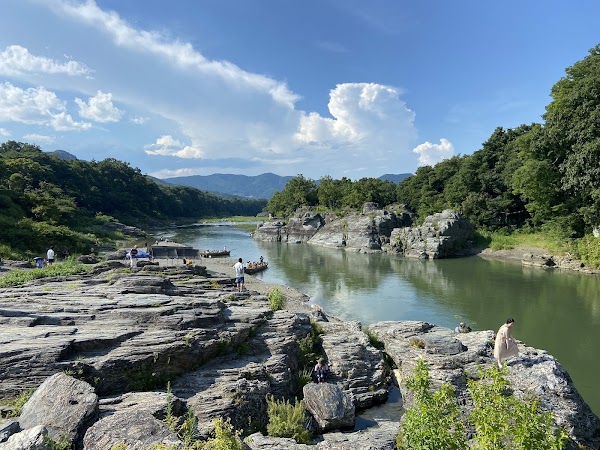
Nagatoro Iwadatami
Scenic spot
4.2
Nagatoro Iwadatami is a unique geological formation along the Arakawa River in Saitama Prefecture, famous for its vast, flat rock terraces resembling tatami mats. This scenic area is popular for river rafting and boat tours that allow visitors to admire the unusual rock formations and lush cliffs from the water. The natural beauty and geological interest make it a unique outdoor destination.
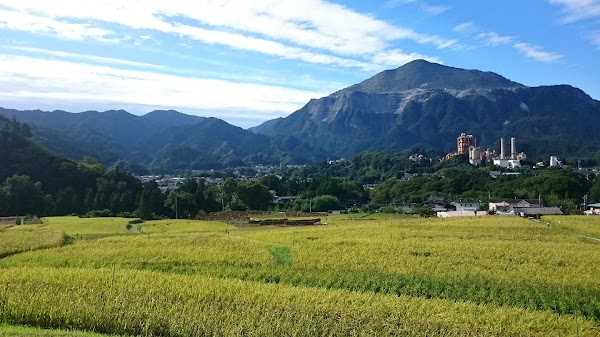
Terasaka Rice Terrace
Scenic spot
4.2
The Terasaka rice terraces in Saitama Prefecture are a beautiful example of traditional Japanese agriculture, with rice paddies carved into gentle slopes, creating a scenic, layered landscape. These terraces are particularly picturesque during the rice-planting season when the water reflects the sky, and in autumn when the rice fields turn golden. They offer a tranquil rural escape and a glimpse into local farming heritage.
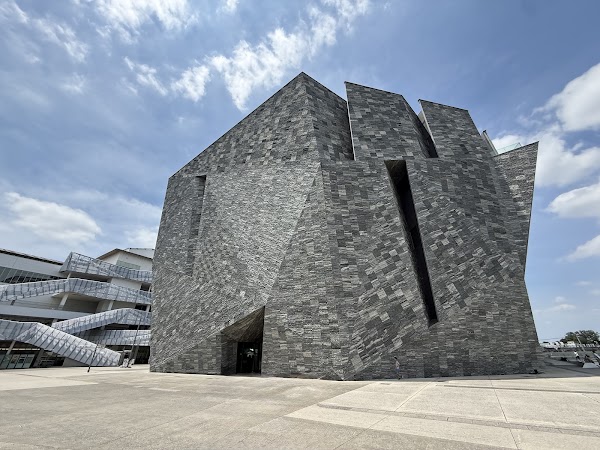
Musashino Reiwa Shrine
Shinto shrine
4.0
The Musashino Reiwa Shrine is a modern and unique shrine located in Tokorozawa, Saitama Prefecture, known for its distinctive architectural design that blends traditional Japanese elements with contemporary aesthetics. The shrine serves as a cultural and spiritual hub, often hosting events and offering a peaceful yet striking environment for visitors. Its innovative design makes it a noteworthy landmark in the region.
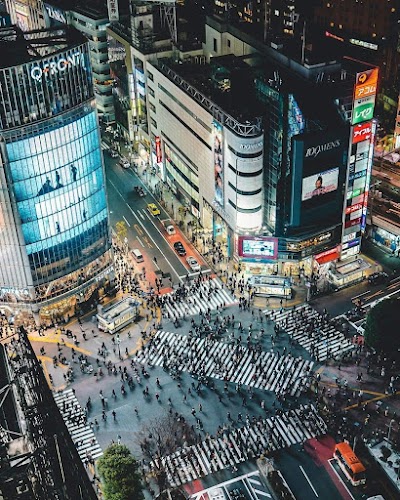
Shibuya Scramble Crossing
Landmark
4.5
Shibuya Crossing in Tokyo is one of the world's busiest pedestrian crossings, an iconic symbol of modern Japan, especially vibrant at night. The intersection is surrounded by towering buildings adorned with flashing neon lights and giant advertising screens, creating a dazzling and energetic urban spectacle. Thousands of people cross from all directions simultaneously, creating a mesmerizing ballet of motion.
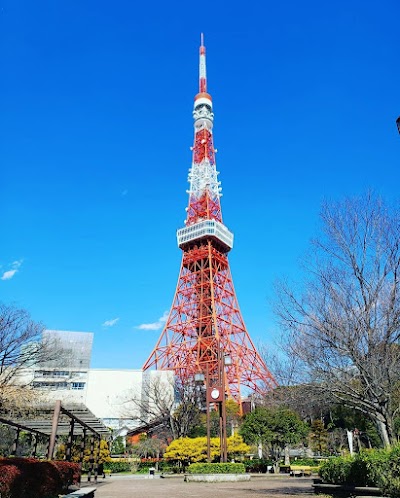
Tokyo Tower
Observation deck
4.4
The Tokyo Tower is a prominent landmark and broadcast tower in Tokyo, offering spectacular panoramic views of the city skyline, particularly stunning at night. Illuminated with seasonal colors, it stands out against the dark sky, serving as a romantic and iconic symbol of Tokyo. Visitors can ascend to its observation decks for breathtaking nighttime vistas.
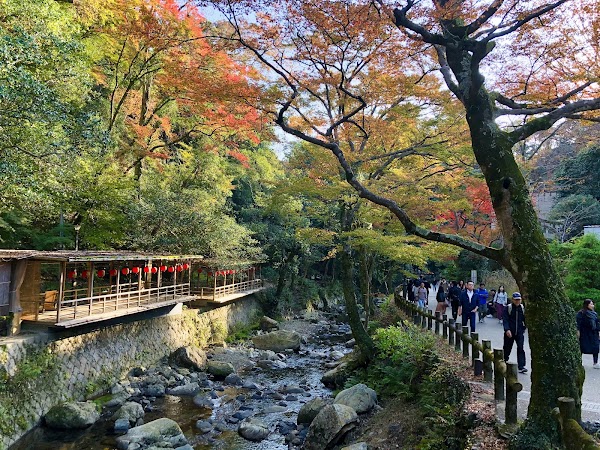
Minoh National Park
National park
4.5
Minoh Park, located just north of Osaka, is a beautiful forested valley known for its stunning waterfall, Minoh Falls, and vibrant autumn foliage. The park offers a scenic hiking trail along a stream, leading to the waterfall, and is a popular spot for nature lovers and families. During fall, the maple trees transform the park into a spectacular display of reds and golds.
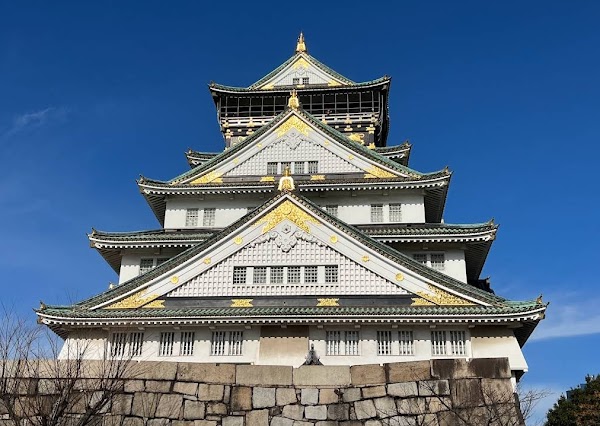
Osaka Castle
Historical place
4.4
Osaka Castle is a majestic landmark in Osaka, Japan, with a rich history dating back to the 16th century, playing a major role in the unification of Japan. The castle's impressive white walls, green roofs, and golden embellishments stand proudly amidst a sprawling park, especially beautiful during cherry blossom season. Visitors can explore the castle's interior, which houses a museum detailing its history, and enjoy panoramic views of Osaka from its top floor.
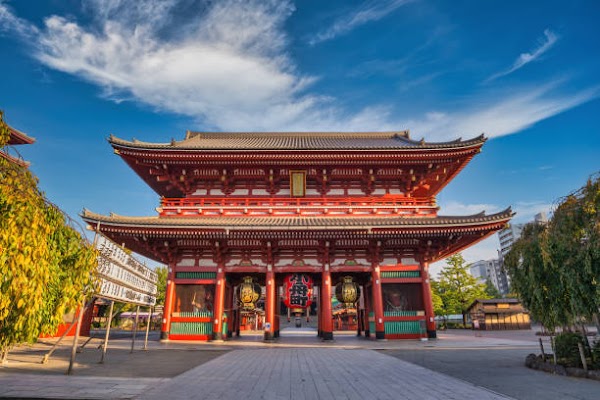
Sensō-ji
Place of worship
4.5
Sensoji Temple, located in the Asakusa district of Tokyo, is the city's oldest and one of its most significant Buddhist temples, known for its vibrant Nakamise-dori market street leading up to the main hall and its iconic Kaminarimon Gate. The temple complex features beautiful traditional Japanese architecture, including a stunning five-story pagoda. It's a bustling spiritual and cultural hub, attracting countless visitors and pilgrims.
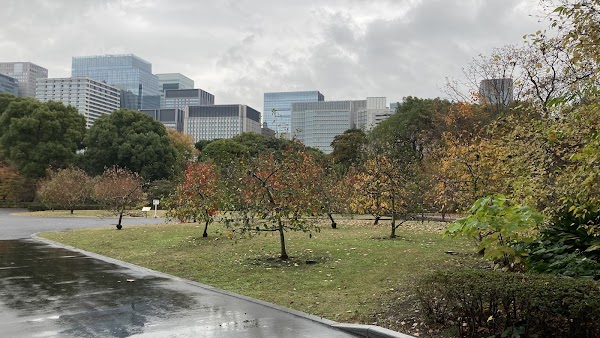
The East Gardens of the Imperial Palace
National park
4.4
The Imperial Palace East Garden in Tokyo is a beautifully maintained public park, offering a tranquil escape from the bustling city. It's located on the former site of Edo Castle's innermost circles, featuring lush lawns, historic stone walls, and the remains of the old castle keep. The gardens are a peaceful oasis where visitors can enjoy traditional Japanese landscaping and historical remnants.
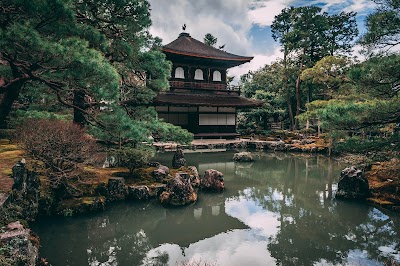
Higashiyama Jisho-ji
Place of worship
4.5
Ginkaku-ji, officially known as Jisho-ji, is a Zen temple in Kyoto, Japan, famous for its elegant silver-leaf-covered pavilion (though it was never actually covered in silver) and meticulously raked dry sand garden, known as the 'Sea of Silver Sand'. The temple grounds feature a beautiful moss garden and a circular walking path that offers diverse views of the pavilion and surrounding landscape. It's a prime example of traditional Japanese garden design and aesthetic.
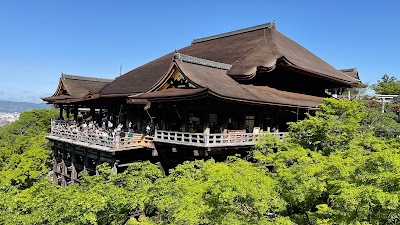
Kiyomizu-dera
Place of worship
4.5
Kiyomizu-dera Temple is a renowned Buddhist temple in Kyoto, Japan, famous for its impressive wooden stage that juts out from the main hall, offering panoramic views of the city and vibrant autumn foliage. The temple is part of the Historic Monuments of Ancient Kyoto UNESCO World Heritage site and is dedicated to Kannon, the goddess of mercy. Its unique construction, without the use of nails, is a testament to ancient Japanese carpentry.
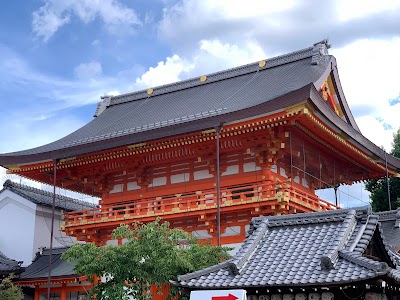
Yasaka Jinja
Place of worship
4.4
Yasaka Shrine, located in Kyoto's Gion district, is a vibrant Shinto shrine famous for its annual Gion Matsuri festival and its stunning red gate. Even on a rainy day, the shrine retains its atmospheric charm, with the dampness highlighting the rich colors of its traditional architecture and lush surroundings. The soft light and reflections on wet surfaces create a contemplative and picturesque setting.
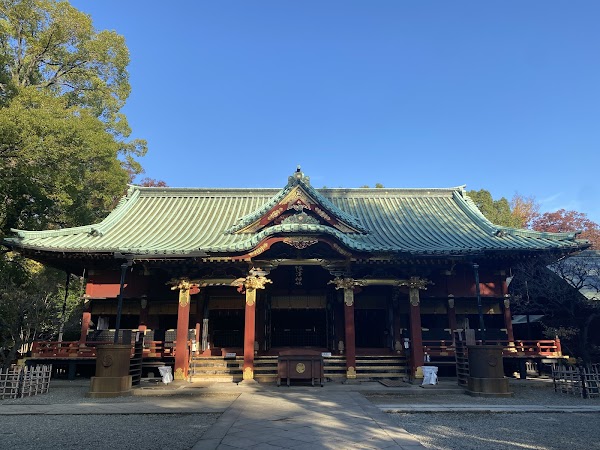
Nezu Shrine
Shinto shrine
4.4
Nezu Shrine, located in Tokyo, is famous for its stunning tunnel of vibrant red torii gates, similar to Fushimi Inari-taisha but on a smaller scale. The path through these closely spaced gates creates a beautiful and immersive experience, leading to various sub-shrines within the peaceful complex. The shrine is also known for its beautiful azalea gardens, which bloom spectacularly in spring.
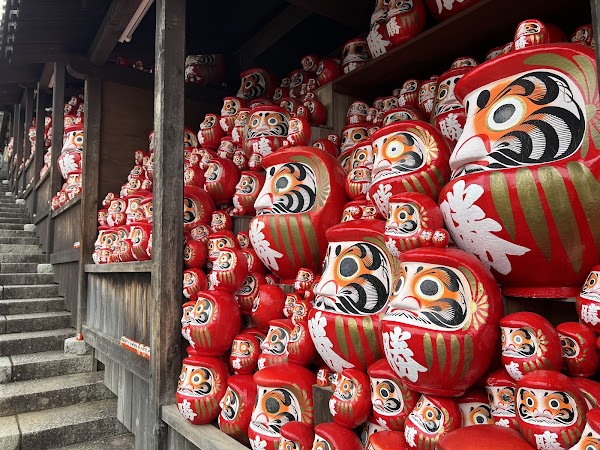
Katsuoji
Place of worship
4.4
Katsuo-ji Temple, located in Minoh City, Osaka, is a historic Buddhist temple renowned for its unique Daruma dolls, which are placed throughout the temple grounds as offerings for good luck and success. The temple's expansive grounds feature beautiful gardens, ponds, and numerous sub-temples, offering a serene and picturesque environment. It's particularly stunning during autumn when the maple leaves turn vibrant colors.
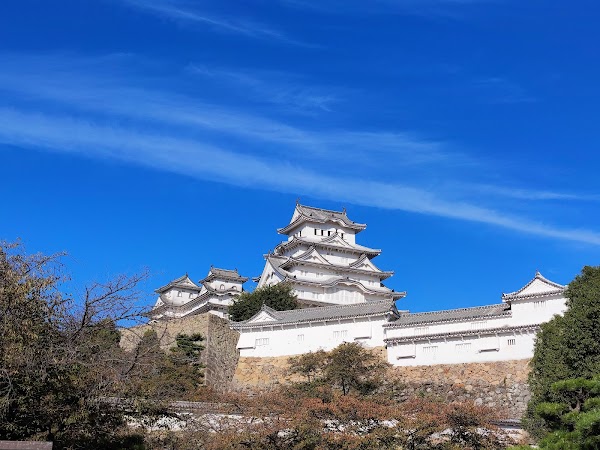
Himeji Castle
Historical place
4.6
Himeji Castle is a stunning hilltop Japanese castle complex, widely considered the finest surviving example of prototypical Japanese castle architecture, comprising 83 buildings and boasting highly developed defensive systems from the feudal period. It is also known as 'White Heron Castle' due to its brilliant white exterior and elegant, swooping roofs. This UNESCO World Heritage site is a must-visit for history enthusiasts and those seeking iconic Japanese cultural experiences.
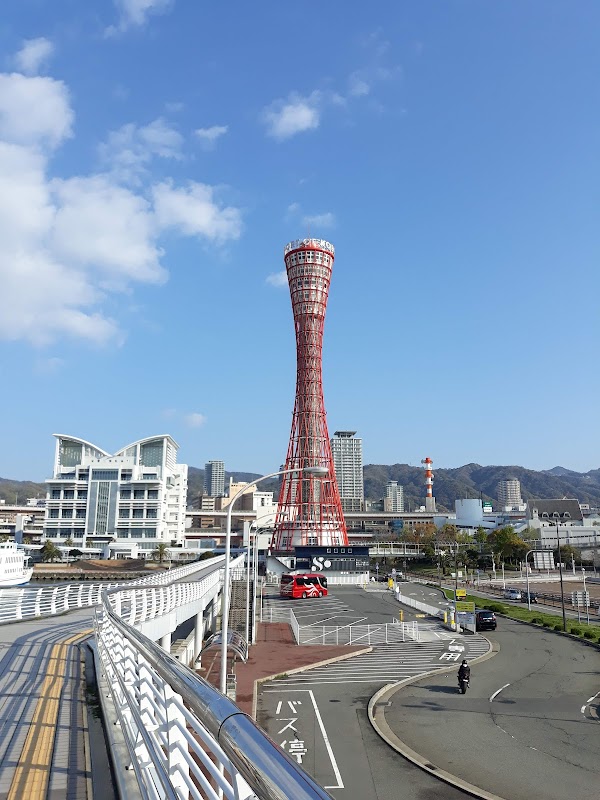
Port of Kobe
Natural feature
4.6
Kobe Harbor, part of the bustling port city of Kobe, is a vibrant waterfront area known for its scenic views, modern architecture, and lively atmosphere. Visitors can enjoy cruises, dine at various restaurants with harbor views, and explore attractions like the iconic Kobe Port Tower and Mosaic Ferris Wheel. The harbor offers a beautiful contrast between urban development and the natural bay, especially captivating during sunset and at night when the city lights reflect on the water.
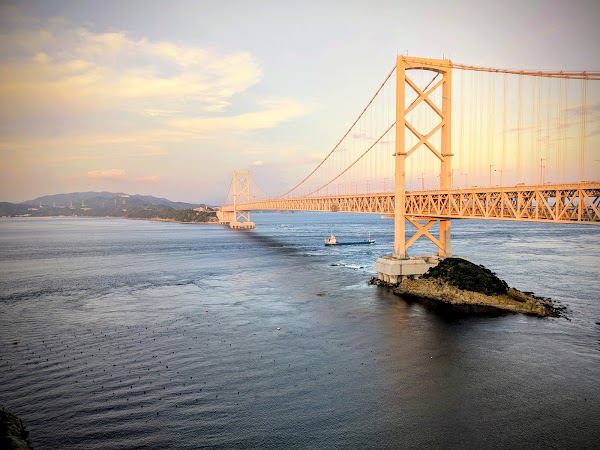
Onaruto Bridge
Bridge
4.5
The Ōnaruto Bridge is a large suspension bridge connecting Awaji Island with Shikoku, famous for its impressive whirlpools directly beneath it. These natural whirlpools, known as the Naruto Whirlpools, are best viewed from the bridge's Uzu-no-Michi walkway or by taking a sightseeing boat tour. The bridge itself is an engineering marvel, offering breathtaking panoramic views of the Seto Inland Sea.
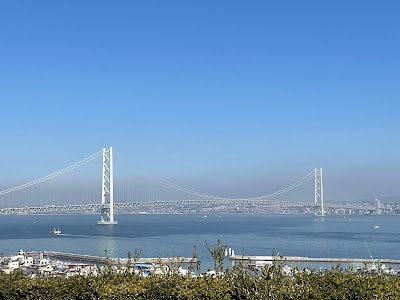
Akashi-Kaikyo Bridge
Bridge
4.6
The Akashi Kaikyō Bridge is the world's longest suspension bridge, connecting Kobe on Honshu Island with Iwaya on Awaji Island. It's a marvel of engineering, known for its immense size and resilience. The bridge is particularly stunning at night when it's illuminated with a spectacular display of colored lights, making it a popular subject for photography.
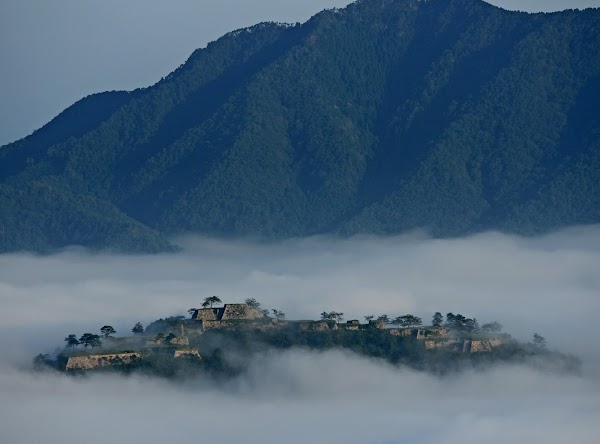
Takeda Castle Ruins
Historical landmark
4.4
The Takeda Castle Ruins are the remains of a medieval castle often referred to as the 'Castle in the Sky' or 'Japan's Machu Picchu' due to its breathtaking appearance when shrouded in fog. Located on a mountain peak, the stone walls emerge from the mist, creating an illusion of floating above the clouds. The best time to visit for this ethereal view is typically in the early mornings of autumn.
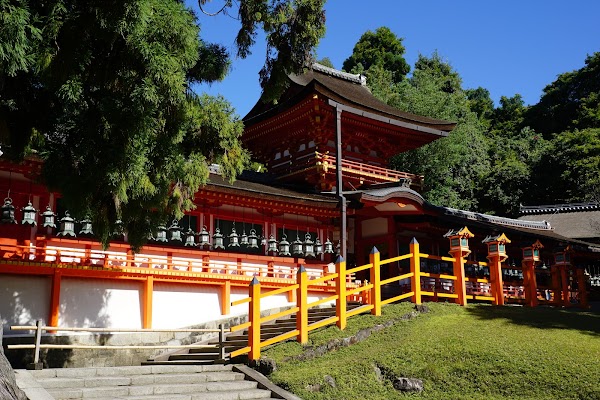
Kasuga Taisha
Place of worship
4.5
Kasuga Taisha is a Shinto shrine known for its numerous bronze lanterns hanging from its buildings and stone lanterns lining its approach. These lanterns are lit during special festivals in February and August, creating a magical and atmospheric glow. The shrine itself is a UNESCO World Heritage site, deeply associated with the Fujiwara clan and known for its vibrant vermilion architecture and the sacred deer roaming freely nearby.
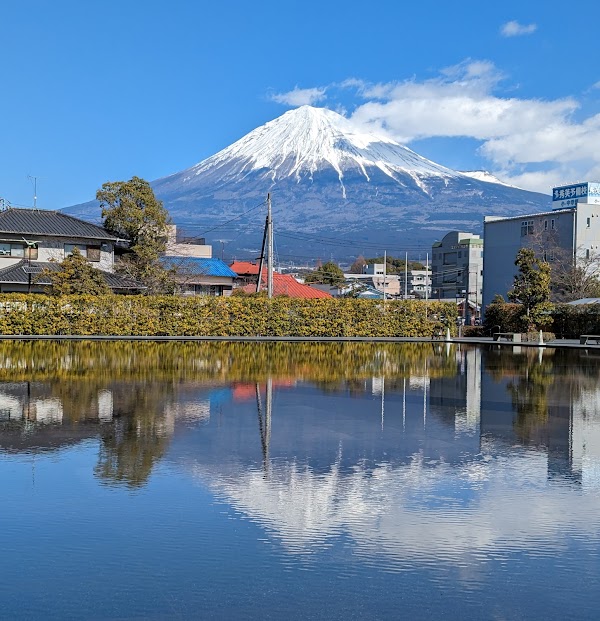
Mount Fuji
Place
4.6
Mount Fuji is Japan's highest peak and an iconic symbol of the country, revered for its majestic and symmetrical cone shape. It is an active stratovolcano and a popular subject of art and photography, known for its spiritual significance and breathtaking views, especially when viewed from afar or across one of the Fuji Five Lakes. Climbing season is typically from early July to mid-September, offering a challenging yet rewarding experience for hikers.
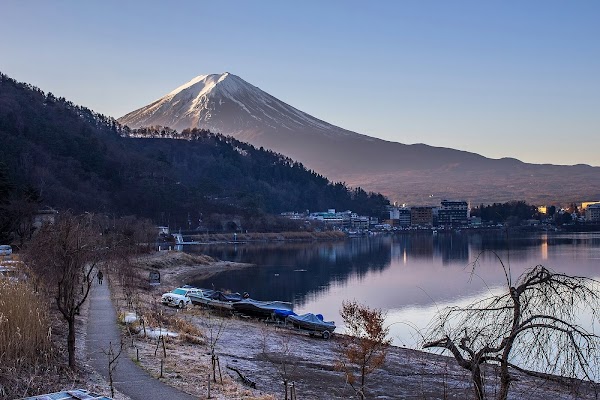
Lake Kawaguchi
Place
4.6
Lake Kawaguchiko is the most easily accessible of the Fuji Five Lakes and offers some of the most iconic views of Mount Fuji, often reflected perfectly on the water's surface. The lake is a popular destination for various outdoor activities, including boating, fishing, and cycling, with numerous resorts and hot springs along its shores. The best time to visit is during spring for cherry blossoms or autumn for vibrant fall foliage, both complementing the majestic backdrop of Mount Fuji.
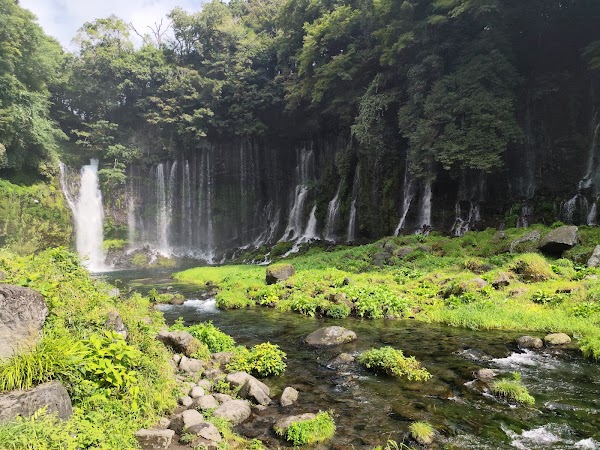
Shiraito Falls
Scenic spot
4.4
Shiraito Falls is a beautiful waterfall cascading over a wide, curved cliff, famous for its numerous fine, white streams that resemble threads of silk. Fed by the melted snows of Mount Fuji, the falls create a serene and picturesque landscape, surrounded by lush greenery. It's a designated Natural Monument of Japan and part of the Fuji-Hakone-Izu National Park, offering a peaceful natural escape.
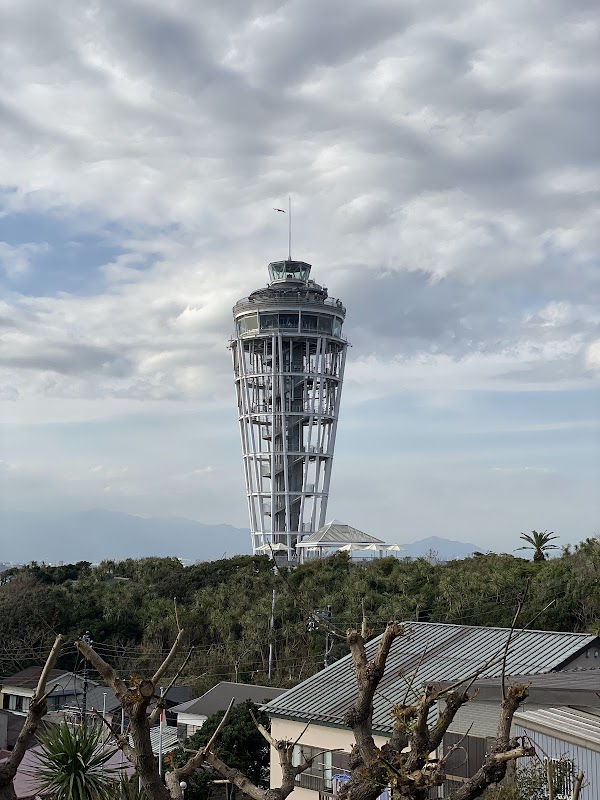
Enoshima Sea Candle
Observation deck
4.4
The Enoshima Sea Candle is an observation lighthouse and a prominent landmark located on Enoshima Island, offering panoramic 360-degree views of the surrounding Sagami Bay and Mount Fuji on clear days. It's particularly popular for its stunning illuminations during winter, transforming the area into a romantic light spectacle. The lighthouse is part of the Enoshima Samuel Cocking Garden, making it a great spot for both daytime sightseeing and evening strolls.
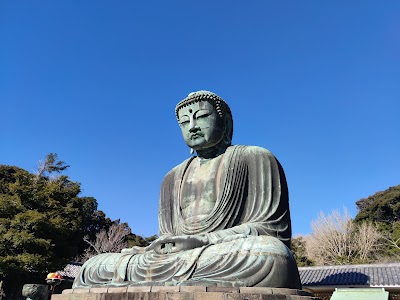
Kotoku-in
Buddhist temple
4.3
The Great Buddha of Kamakura, or Daibutsu, is a monumental outdoor bronze statue of Amitābha Buddha, standing at 13.35 meters tall. Located at Kotoku-in Temple, it is the second-tallest bronze Buddha statue in Japan and a powerful symbol of Japanese Buddhist art. Visitors can even enter the hollow interior of the statue.
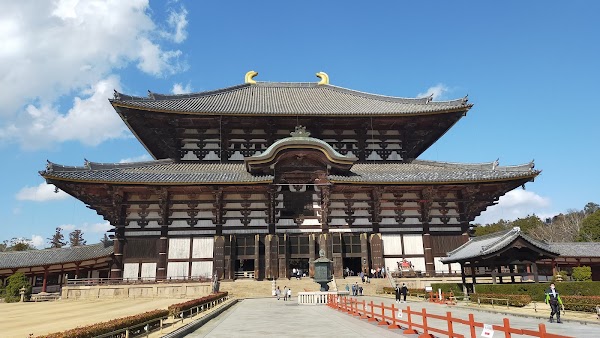
Nara Park
Park
4.5
Nara Park is a large park famous for being home to over a thousand wild sika deer, which roam freely and are considered sacred messengers of the gods in Shinto tradition. Visitors can purchase 'shika senbei' (deer crackers) to feed the deer, which have learned to bow for treats. The park is also home to several of Nara's most iconic landmarks, including Todai-ji Temple and Kasuga Taisha Shrine.
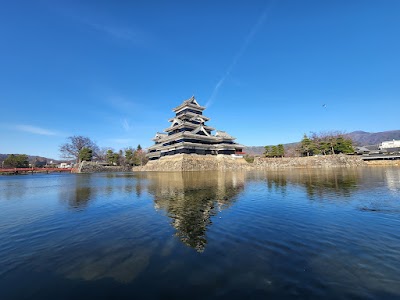
Matsumoto-jō Castle
Castle
4.5
Matsumoto Castle is one of Japan's most beautiful and complete original castles, known for its striking black exterior and elegant architecture, earning it the nickname 'Crow Castle.' It is a designated National Treasure and provides a fascinating glimpse into feudal Japan with its steep wooden stairs and weaponry displays. The castle is particularly stunning against the backdrop of the Japanese Alps and surrounded by its moats, which reflect its imposing form.
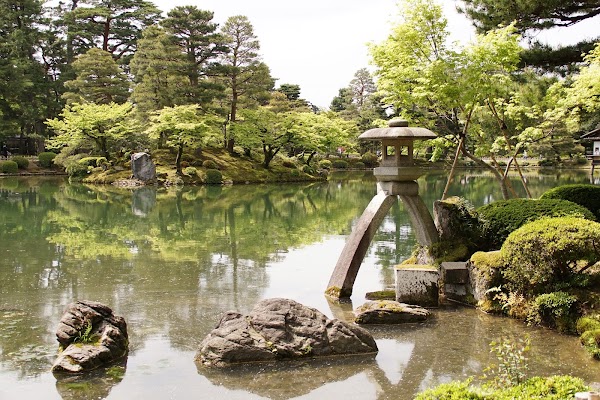
Kenroku-en
Garden
4.4
Kenrokuen Garden is one of Japan's Three Great Gardens, renowned for its exquisite landscaping, traditional design, and picturesque seasonal beauty. Features include expansive ponds, meticulously manicured trees, artificial hills, and tea houses, all designed to embody the six attributes of a perfect garden. The garden offers stunning views throughout the year, especially during spring cherry blossoms and autumn foliage.
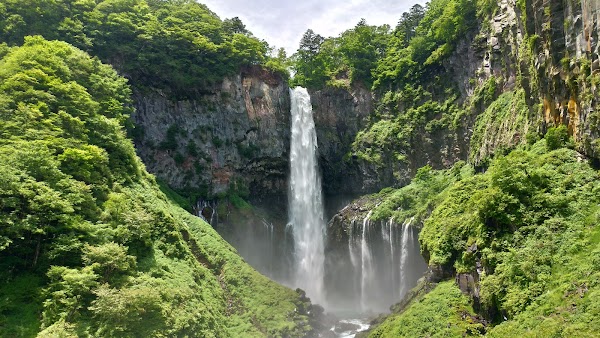
Kegon Waterfall.
Place
4.4
Kegon Falls is one of Japan's three most famous waterfalls, plummeting 97 meters into a gorge, offering a powerful and majestic natural spectacle. An elevator takes visitors down to an observation deck for an impressive close-up view of the main cascade and surrounding smaller falls. The falls are particularly beautiful during autumn when the surrounding foliage turns vibrant shades of red and gold, and in winter, when they partially freeze.
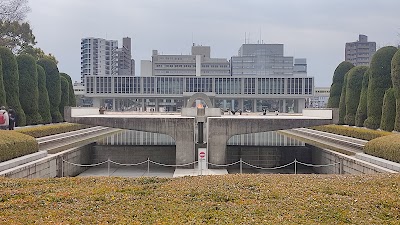
Hiroshima Peace Memorial Museum
Museum
4.7
The Hiroshima Peace Memorial, also known as the Atomic Bomb Dome, is a UNESCO World Heritage site and a solemn reminder of the atomic bombing of Hiroshima during World War II. It stands as the only structure left standing near the epicenter of the blast, its skeletal remains serving as a powerful symbol of hope for world peace. The memorial is a poignant and essential visit for reflection on human conflict and resilience.
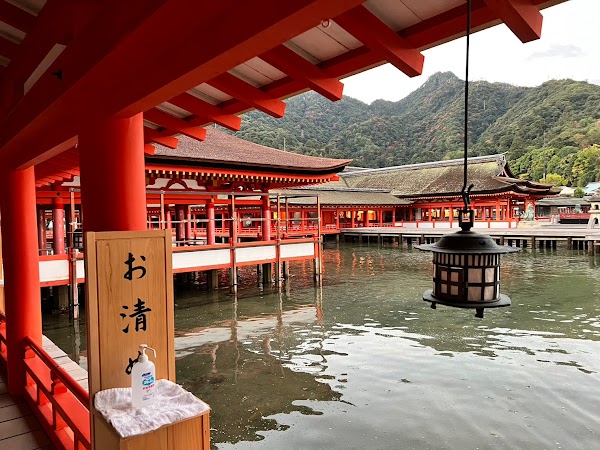
Itsukushima Jinja
Place of worship
4.6
Itsukushima Shrine is a stunning Shinto shrine famous for its 'floating' torii gate, which appears to stand on the water at high tide. Located on Miyajima Island, the shrine complex is a UNESCO World Heritage site known for its beautiful traditional architecture and its harmonious integration with the natural landscape. Visitors can walk out to the torii gate at low tide and enjoy the sacred deer that roam freely around the island.
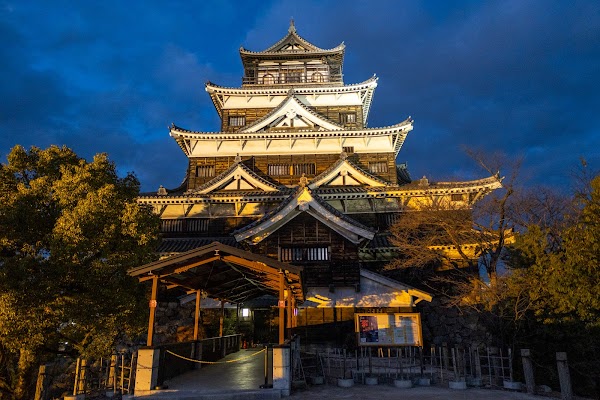
Hiroshima Castle
Historical place
4.1
Hiroshima Castle, also known as 'Carp Castle,' is a reconstructed Japanese castle located in the heart of Hiroshima. Originally built in the 1590s, it was destroyed by the atomic bomb in 1945 and rebuilt in 1958. Today, it serves as a museum displaying the castle's history and samurai culture, offering panoramic views of the city from its top floor. The castle grounds are a popular spot for cherry blossom viewing in spring.
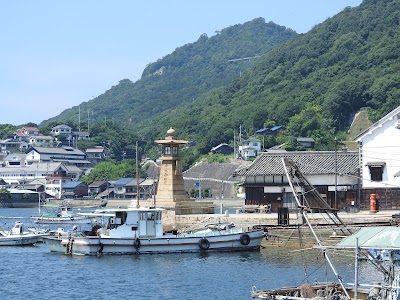
Tomonoura (Setonaikai National Park)
Historical landmark
4.2
Tomonoura is a picturesque fishing town with a well-preserved historic port, known for its traditional charm and beautiful bay views. It has inspired filmmakers and artists, offering narrow streets, historic temples, and scenic overlooks like the Iroha Maru Museum and the Joyato Lighthouse. The town provides a tranquil glimpse into old Japan, ideal for leisurely strolls and appreciating coastal life.
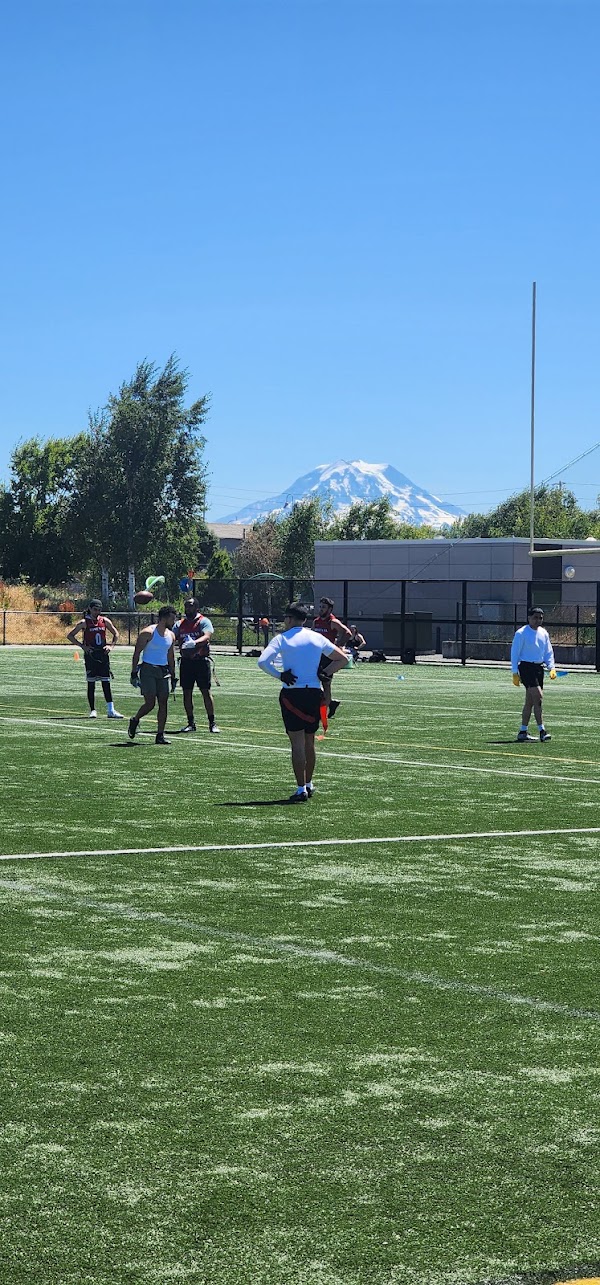
SERA Multipurpose Field
Sports complex
4.2
Sera Flower Fields is a vast botanical garden renowned for its vibrant seasonal floral displays, particularly the stunning sight of thousands of flowers blooming simultaneously. The fields are meticulously arranged in colorful patterns, creating breathtaking landscapes that change with the seasons. It's a popular destination for nature lovers and photographers, offering various flower festivals throughout the year.
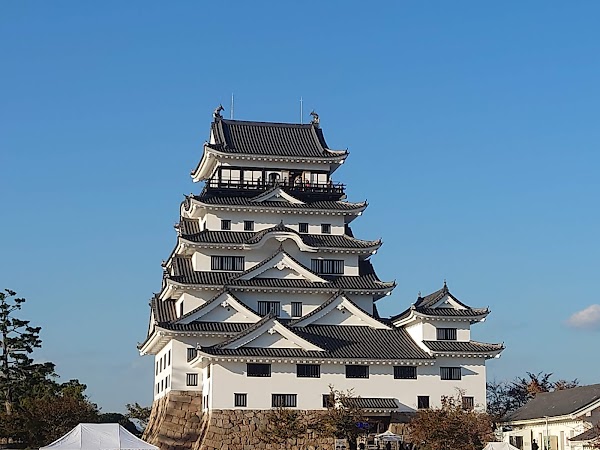
Fukuyama Castle
Castle
4.2
Bingo Fukuyama Castle is a historic Japanese castle, originally built in the 17th century and known for its distinctive white exterior. Though largely reconstructed after being destroyed during World War II, the castle's keep and some original stone walls remain, offering visitors a glimpse into its past. The castle grounds are a popular spot, especially during cherry blossom season, and the top floor provides panoramic views of Fukuyama City.
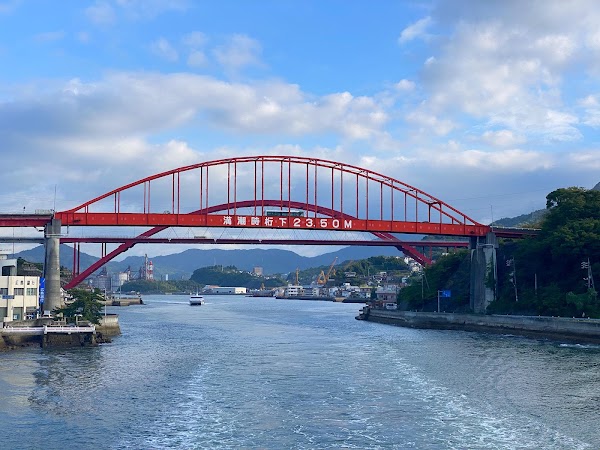
Ondo Long Bridge.
Bridge
4.1
The Ondo no Seto Bridge is a distinctive red arched bridge spanning the Ondo Strait, known for its scenic beauty and impressive engineering. It offers picturesque views of the narrow strait and the surrounding landscape, particularly beautiful during sunset. The bridge is an iconic landmark in the area, connecting the mainland with Kurahashi Island and providing a vital link for local communities.
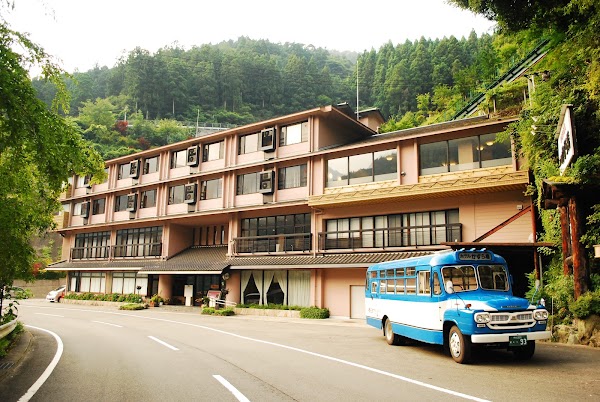
Hotel Kazurabashi
Japanese inn
4.4
Iya Kazurabashi is a historic vine bridge, one of three remaining in the remote Iya Valley, offering a thrilling and unique pedestrian crossing experience. Constructed from woven mountain vines, the bridge sways gently with each step, providing stunning views of the pristine river below and the surrounding lush valley. It's a must-visit for adventure seekers and those looking to immerse themselves in Japan's rugged natural beauty.
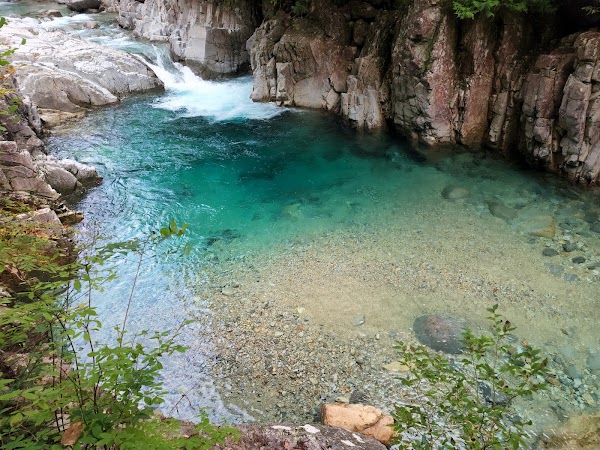
Atera River
River
4.7
The Atera River, flowing through the picturesque Atera Valley, is renowned for its incredibly clear, emerald-green waters and stunning natural beauty. Surrounded by lush forests, the river offers numerous scenic spots, including waterfalls and unique rock formations. It's an ideal destination for nature lovers, hikers, and photographers, especially vibrant during the autumn foliage season.
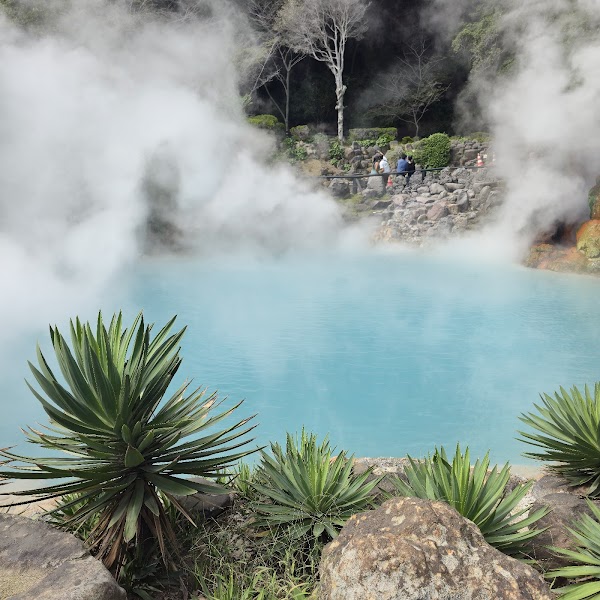
Beppu Jigoku (Hells of Beppu)
Landmark
4.2
Beppu is famous for its abundance of hot springs, known as 'jigoku' or 'hells,' which are vibrant and steaming thermal pools too hot for bathing but captivating to observe. The iconic steam rising from various spots around the city creates a unique and atmospheric landscape, especially prominent in areas like Kannawa. Visitors can enjoy a 'hell tour' to witness the different mineral compositions and colors of these spectacular geothermal wonders.
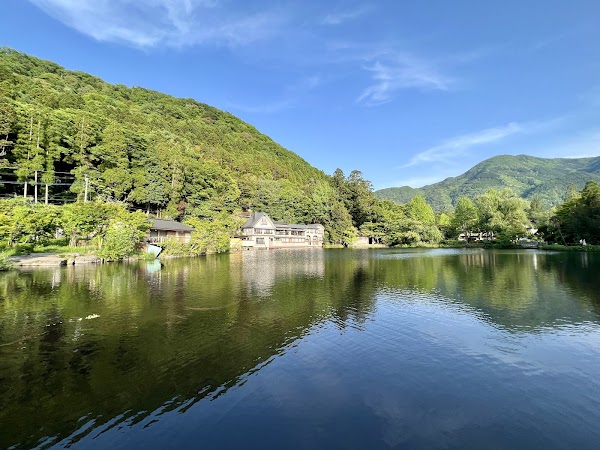
Kinrin Lake
Place
4.0
Lake Kinrin is a small, picturesque lake famous for its mystical morning mist, created by hot springs that feed into the lake. The lake's clear waters beautifully reflect the surrounding autumn foliage or vibrant greenery, making it a popular spot for tranquil walks and photography. A torii gate partially submerged in the lake adds to its unique charm, embodying a serene and spiritual atmosphere.
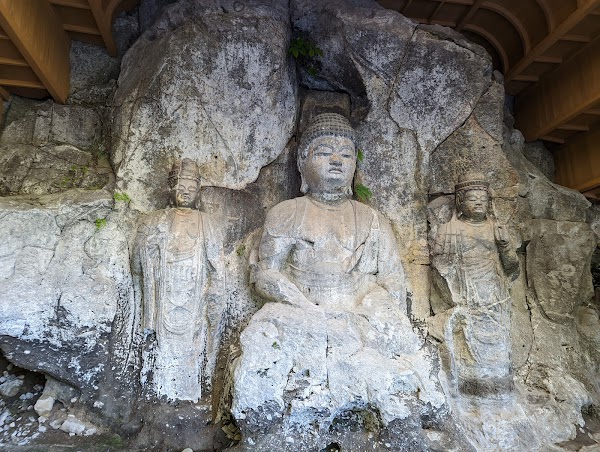
Usuki Stone Buddhas
Historical landmark
4.2
The Usuki Stone Buddhas are a collection of ancient Buddhist statues carved into cliffs, representing some of the finest examples of late Heian period Buddhist stone carving in Japan. Designated as National Treasures, these intricate and serene figures offer a profound glimpse into Japan's rich religious and artistic history. The site is a peaceful and contemplative place, surrounded by lush greenery and a sense of timeless spirituality.
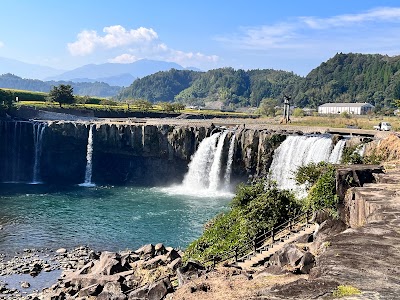
Harajiri Falls
Scenic spot
4.3
Harajiri Falls is a magnificent horseshoe-shaped waterfall, often referred to as 'Japan's Niagara Falls,' known for its impressive width and basalt columns formed by volcanic activity. The waterfall cascades into a wide basin, surrounded by a picturesque landscape that includes a suspension bridge offering stunning views. It's a popular natural attraction for its geological significance and scenic beauty.
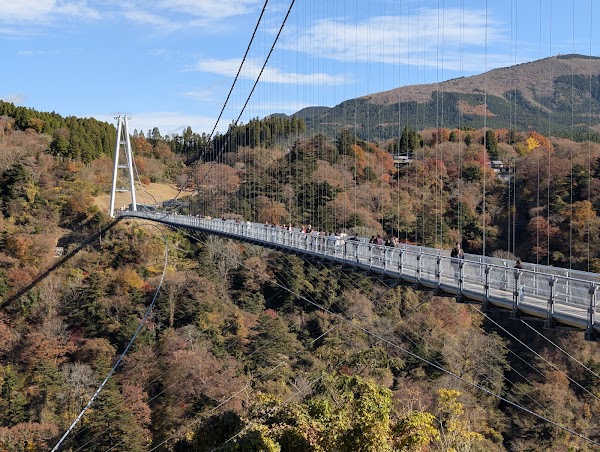
Kokonoe Yume Otsuribashi
Landmark
4.2
The Kokonoe Yume Suspension Bridge is Japan's highest and longest pedestrian-only suspension bridge, offering breathtaking panoramic views of the Naruko River valley and surrounding natural beauty. From the bridge, visitors can admire the impressive Shindonotaki and Odaki waterfalls, especially during autumn when the foliage bursts into vibrant colors. It's an exhilarating experience for nature lovers and those seeking spectacular vistas.
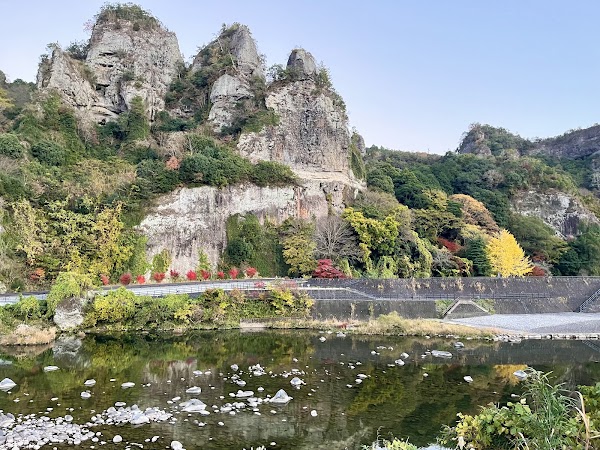
Yabakei
Scenic spot
4.2
Yabakei Gorge is a scenic gorge renowned for its stunning autumn foliage, dramatic rock formations, and serene river landscapes. The area is dotted with numerous scenic spots, including natural tunnels, temples, and impressive cliffs, making it a popular destination for hiking and sightseeing. Its beauty is particularly captivating in fall when the maple trees transform the gorge into a riot of red, orange, and gold.
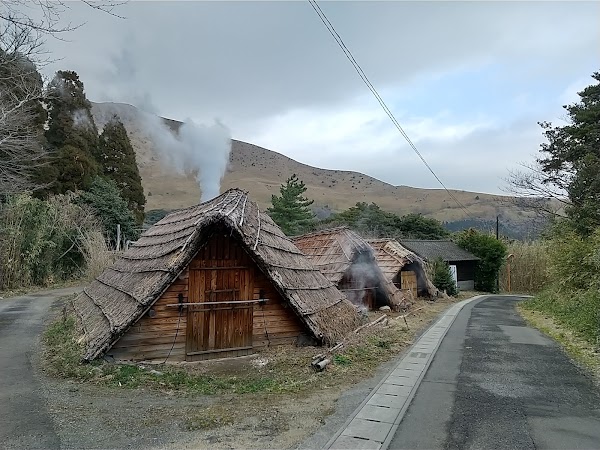
Yunohana-goya
Landmark
3.8
Yunohana-goya are traditional thatched huts used for collecting 'yunohana' (hot spring crystals), a unique and ancient method found in Beppu's hot spring region. These huts demonstrate a traditional artisanal process for producing natural bath salts from volcanic steam. Visiting offers a fascinating glimpse into local culture and sustainable practices associated with Beppu's rich geothermal resources.
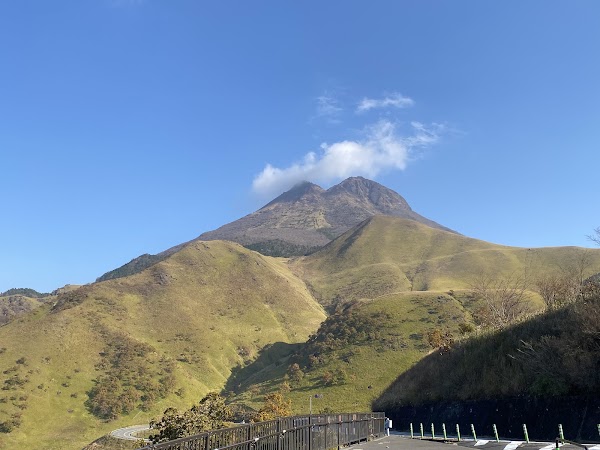
Mount Yufu
Natural feature
4.7
Mount Yufu is a picturesque twin-peaked volcano dominating the skyline near Yufu City, often referred to as 'Bungo Fuji' due to its graceful, symmetrical shape. It's a popular hiking destination, offering various trails that lead to stunning panoramic views of the surrounding countryside and the distant Beppu Bay. The mountain's appearance changes beautifully with the seasons, from lush greenery in summer to snow-capped in winter, offering picturesque scenery year-round.
Save these 65 places to your map
Keep every place on your own map in DocentPro, and add more as you browse.
More featured places in Japan

Kyushu Road Trip: Nature, Culture, and Cuisine
Fukuoka Airport, Udo Jingu, Suizenji Jojuen Garden
Shikoku Road Trip: Coastal Views, Mountains, and Culture
Biwa Waterfall, Chichibugahama Beach, Kotohiragu
Japanese Road Trip: Bridges, Udon, and Scenic Views
Higashi Kobe Bridge, Comfort Inn, 7 Katsuragi
Japan Road Trip: Cities, Culture, and Cuisine
Matsumoto-jō Castle, Yohashira-jinja Shrine, Urami Falls
Scenic Japanese Expressway Drive to Matsushima
Matsushima Bay, Moriya Service Area (up)