South Korea Travel Guide: Cities, History, and Nature
Source:
@viajandoporelmundomundial


Save places straight from any post.
Share an Instagram, TikTok, YouTube, Facebook, Google Maps or web link to DocentPro and every place in it lands on your map. This post became these 51.


51 places on the map
Explore the map in the DocentPro app51 attractions in South Korea: Gyeongbokgung Palace, N Seoul Tower, Cheonggyecheon, and 48 more. Every place is verified on Google Maps, featured in a YouTube post by viajandoporelmundomundial.
Gyeongbokgung Palace

Cultural landmark

4.6
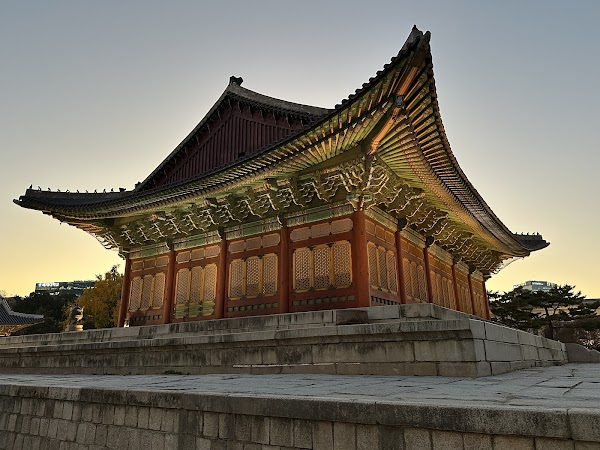
Gyeongbokgung Palace is the largest and most iconic of Seoul's Five Grand Palaces, serving as the main royal palace of the Joseon Dynasty. It's a magnificent example of Korean traditional architecture and offers cultural events like the Royal Guard Changing Ceremony. Wearing a Hanbok (traditional Korean dress) grants free admission.
N Seoul Tower
Landmark
4.5
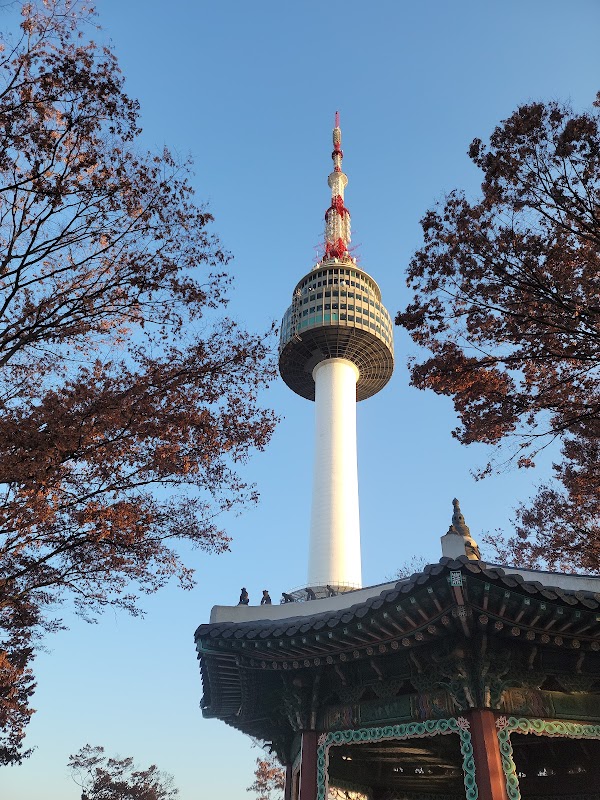
The N Seoul Tower, also known as Namsan Tower, is an iconic landmark offering breathtaking panoramic views of Seoul. Located atop Namsan Mountain, it features observation decks, restaurants, and a famous 'love locks' area. The tower is particularly beautiful at night when it's illuminated, providing a romantic and memorable experience.
Cheonggyecheon

Park
4.5
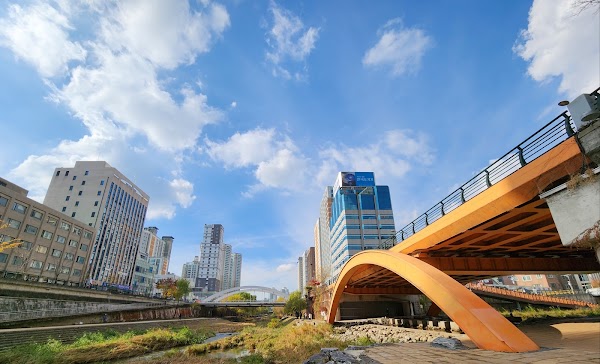
Cheonggyecheon Stream is a revitalized urban waterway in the heart of Seoul, offering a peaceful escape from the city's hustle and bustle. Once covered by an elevated highway, it has been transformed into a beautiful public recreation space with walking paths, waterfalls, and illuminated bridges, making it a popular spot for relaxation and evening strolls.
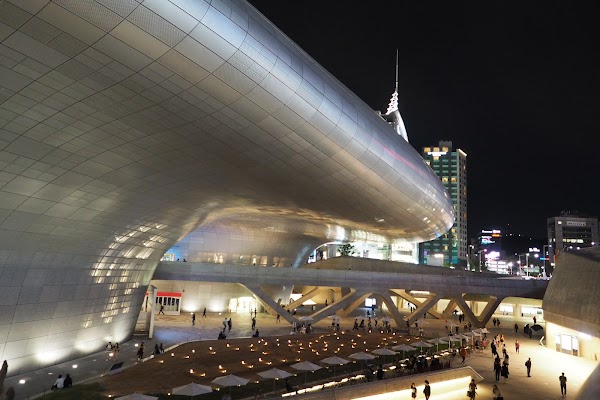
DDP │ Dongdaemun Design Plaza
Cultural center
4.3
The Dongdaemun Design Plaza (DDP) is an iconic futuristic landmark in Seoul, renowned for its distinctive fluid architecture and innovative design. It serves as a major hub for art, fashion, and technology, hosting various exhibitions, fashion shows, and cultural events. The DDP is especially striking at night when its exterior is illuminated with changing light patterns.
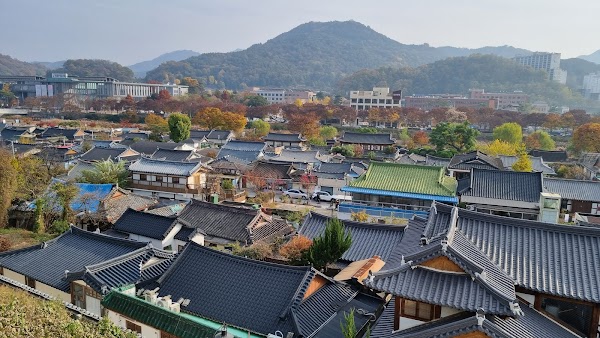
Jeonju Hanok Village
Landmark
4.1
This is one of South Korea's largest and most beautiful traditional Hanok villages, featuring around 800 Hanok houses. Many have been converted into tourist accommodations, restaurants, souvenir shops, and art galleries. It's best visited in the early morning or at sunset to experience its charm without the crowds.
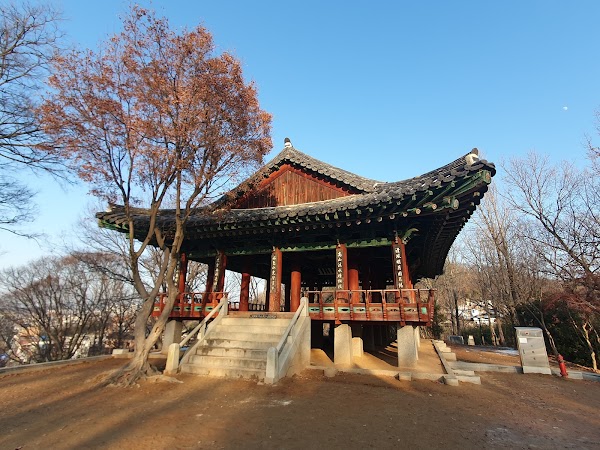
Omokdae
Historical landmark
4.2
Located on Omokdae Hill, this historical site provides panoramic views of Jeonju Hanok Village. It holds significant historical value as the place where King Taejo, founder of the Joseon Dynasty, gave a victory speech in the 14th century.
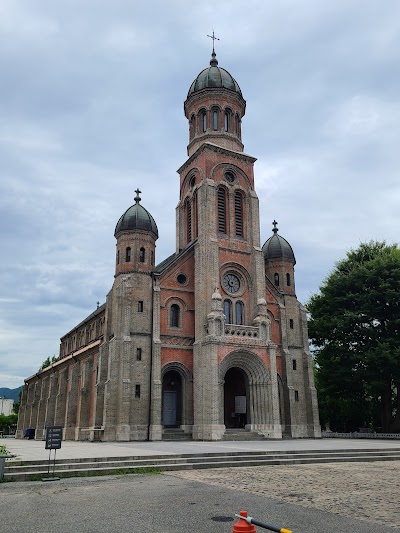
Jeondong Cathedral
Church
4.4
This striking Catholic cathedral, built in the early 20th century, is one of the few churches you'll find in predominantly Buddhist South Korea. Its Romanesque and Byzantine architectural styles make it a notable landmark in Jeonju. It stands on the site where several Catholic martyrs were executed in the 18th century.
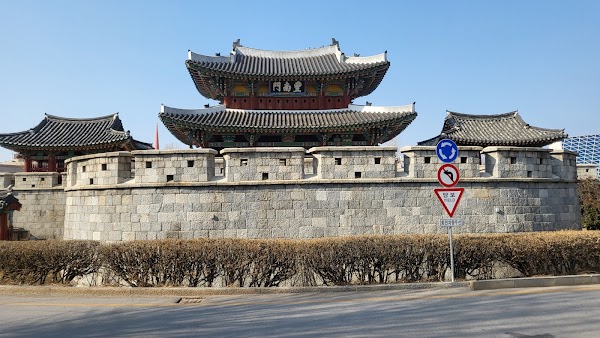
Pungnammun Gate
Historical landmark
4.2
This is the only surviving gate of the four original gates of Jeonju's ancient city wall, built in the 14th century. Located in the city center, it stands as a testament to the city's historical importance and architectural heritage. The gate is notable for its intricate design and robust construction.
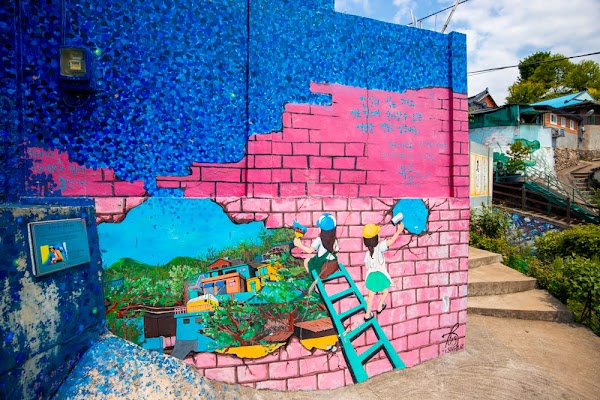
Jaman Mural Village
Landmark
3.9
This vibrant village was established by refugees during the Korean War and was revitalized in 2012 with over 40 murals. The neighborhood is characterized by colorful street art, depicting celebrities, movie characters, and traditional Korean scenes. While it involves uphill climbs, it's a unique and visually engaging experience.
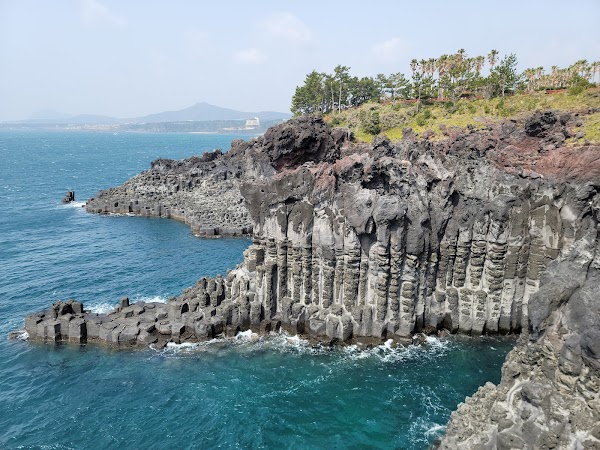
Jusangjeollidae
Landmark
4.4
The Jusangjeolli Cliff is a stunning natural wonder on Jeju Island, characterized by impressive hexagonal basalt columns formed by volcanic eruptions. These unique rock formations, resembling giant stairs or intricate carvings, create a dramatic coastline. Visitors can admire the powerful waves crashing against the columns from well-maintained viewing platforms.
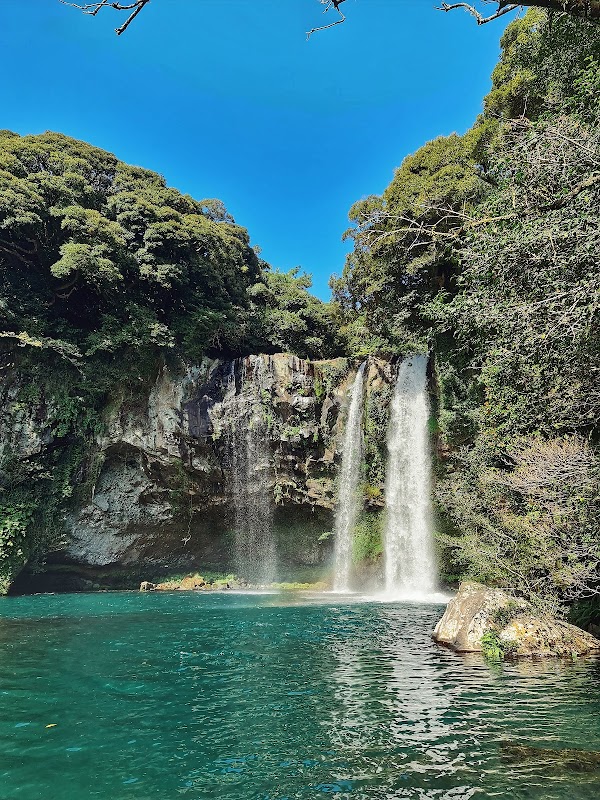
Cheonjiyeon Waterfall
Natural feature
4.3
Cheonjeyeon Waterfalls are a set of three waterfalls surrounded by subtropical vegetation. The name 'Cheonjeyeon' means 'Pond of God' due to a legend that says its water directly connects to heaven. Admission is 2,500 won per person, and parking is conveniently located near the first two waterfalls. The third waterfall requires a bit more walking.
Oedolgae
Place
4.4
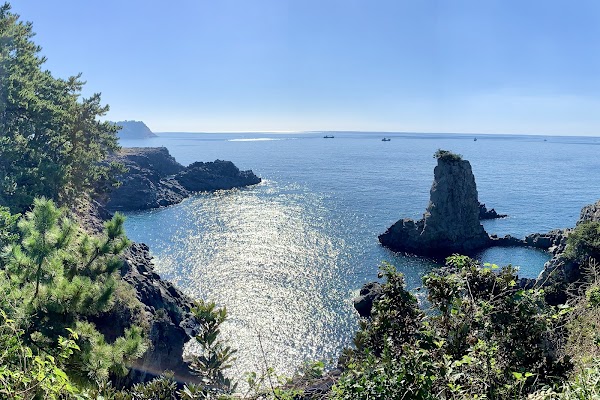
Oedolgae Rock, also known as "Lonely Rock," is a magnificent pillar-shaped rock formation rising from the sea off Jeju Island's coast. Legend says it's an old woman petrified while waiting for her husband. The site offers stunning coastal views and walking trails, particularly beautiful during sunrise or sunset.
Jeongbang Waterfall
Landmark
4.5
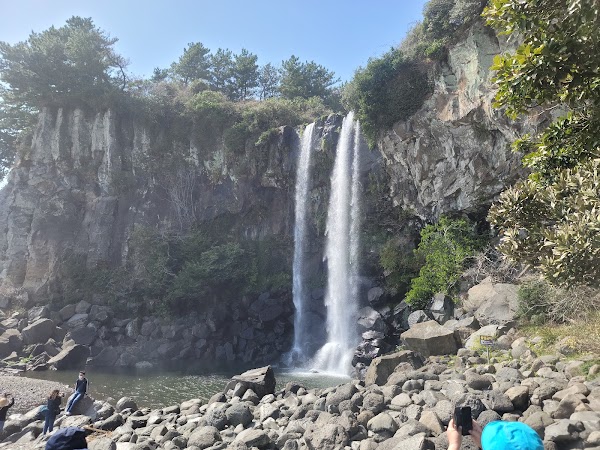
Jeongbang Waterfall is unique as it is the only waterfall in Asia that cascades directly into the sea. It stands 23 meters tall, is 8 meters wide, and has a depth of 5 meters. Visitors can reach the base of the waterfall, but swimming is not permitted. The entrance fee is around 2,000 won per person, and the walk from the parking lot is a short and easy 5-minute stroll along a scenic path.
Jeju Stone Park
Park
4.4
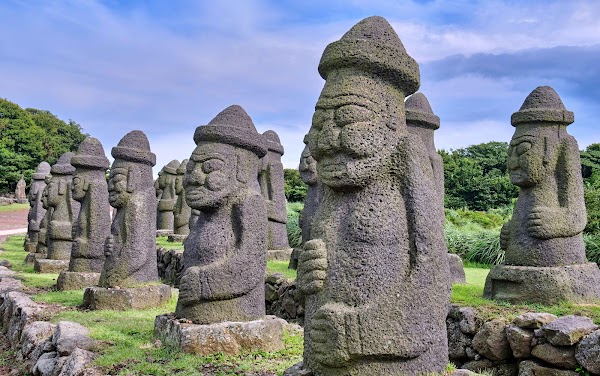
Jeju Stone Park is dedicated to showcasing the island's geological history and culture, focusing on its volcanic origins. The park includes a museum that explains the formation of the island, its different geological layers, and the types of rock found there. Additionally, it features a traditional village recreated with typical thatched-roof houses, offering insight into historical life on Jeju. Entry is approximately 5,000 won, and the village part of the park is considered a must-see.
Seopjikoji
Place
4.4
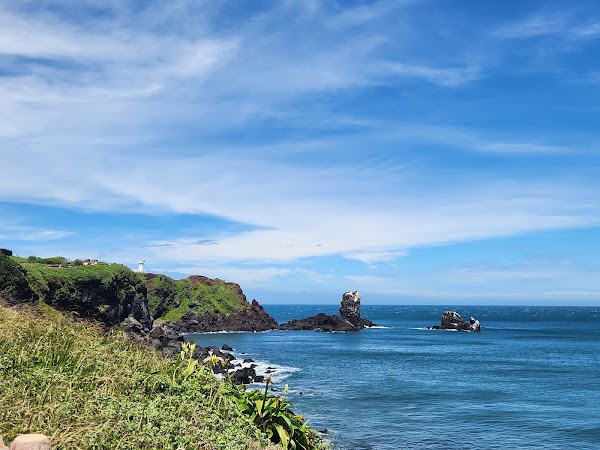
Seopjikoji is a small peninsula known for its dramatic black volcanic cliffs contrasting beautifully with fields of wild grass. The area features an iconic white lighthouse and a modern Glass House restaurant, offering stunning ocean views, making it an ideal spot for lunch. The walking trail around the peninsula is about 30-40 minutes long, and the scenery changes with the seasons, offering vibrant floral displays. This location is famous for being a filming site for various K-dramas.
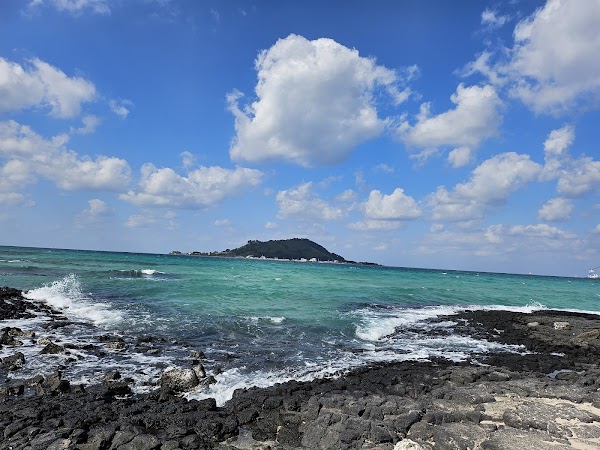
Hyeopjae Beach
Landmark
4.6
Hyeopjae Beach is one of Jeju Island's most picturesque beaches, renowned for its white sand, emerald-colored waters, and stunning views of Biyangdo Island. It's a popular spot for swimming, sunbathing, and enjoying various water activities, offering a relaxed and family-friendly atmosphere.
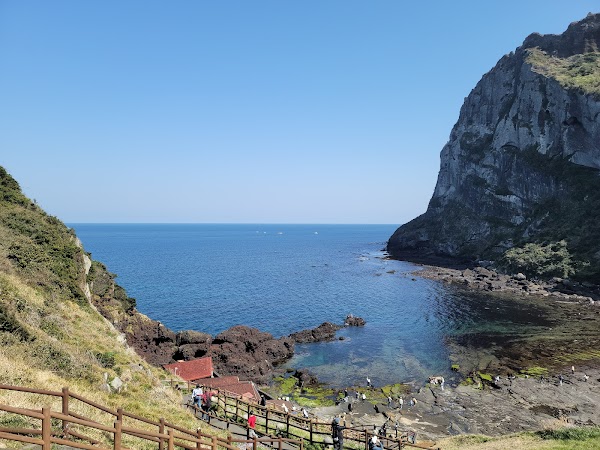
Seongsan Ilchulbong
Natural feature
4.7
Seongsan Ilchulbong, known as 'Sunrise Peak,' is one of Jeju's most popular attractions, especially for watching the sunrise. The ascent involves climbing many stairs, which can be tiring, but it's manageable for most visitors. The entrance fee is 5,000 won per person, and the climb to the viewpoint takes about 30 minutes. From the top, there are several viewpoints offering panoramic views of the island, perfect for resting and enjoying the scenery.
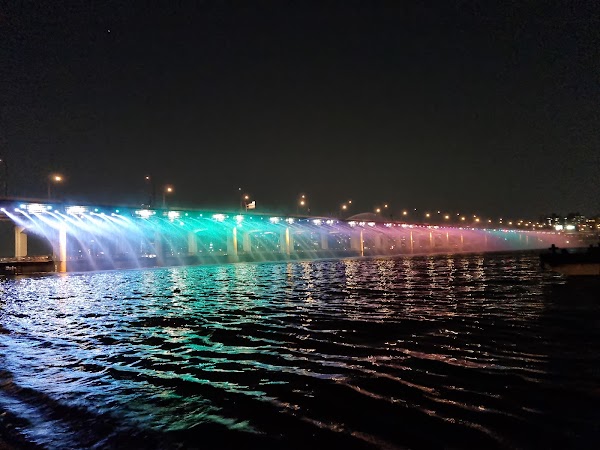
Banpo Bridge
Place
4.4
The Banpo Bridge is a double-decker bridge over the Han River in Seoul, famous for its Moonlight Rainbow Fountain, the world's longest bridge fountain. During scheduled shows, the fountain shoots 200 tons of water per minute, illuminated by colorful LED lights, creating a spectacular visual display. It's a popular evening attraction, offering impressive views of the city skyline.
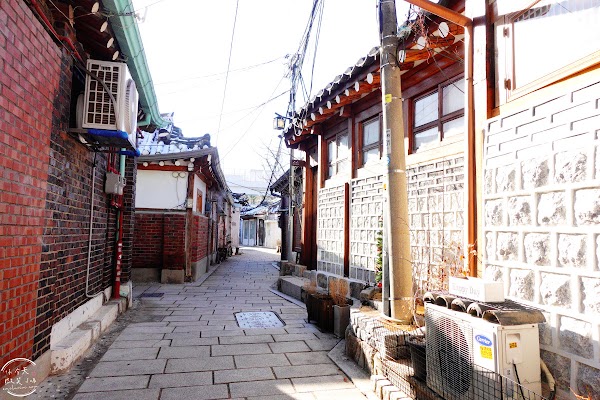
Seochon Hanok Village
Landmark
4.3
Seochon Hanok Village is a charming traditional Korean village located west of Gyeongbokgung Palace, known for its well-preserved hanok (traditional houses) and narrow alleyways. Unlike the more bustling Bukchon Hanok Village, Seochon offers a quieter, more authentic glimpse into traditional Korean urban living, with unique cafes, galleries, and shops.
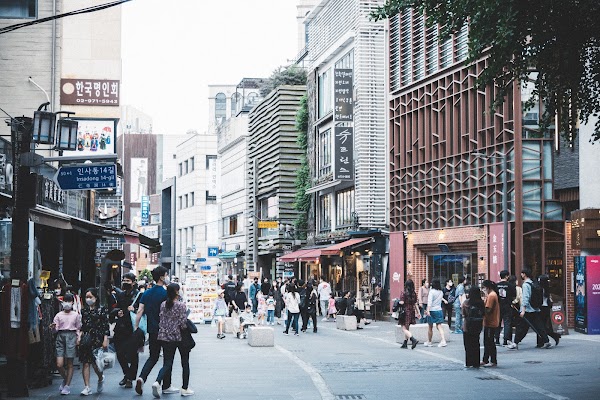
Insadong Street
Landmark
4.3
Insadong Street is a vibrant cultural district in Seoul, famous for its traditional Korean arts, crafts, and souvenir shops. It's an ideal place to find unique gifts, explore art galleries, experience traditional tea houses, and enjoy street performances, offering a rich blend of history and contemporary Korean culture.
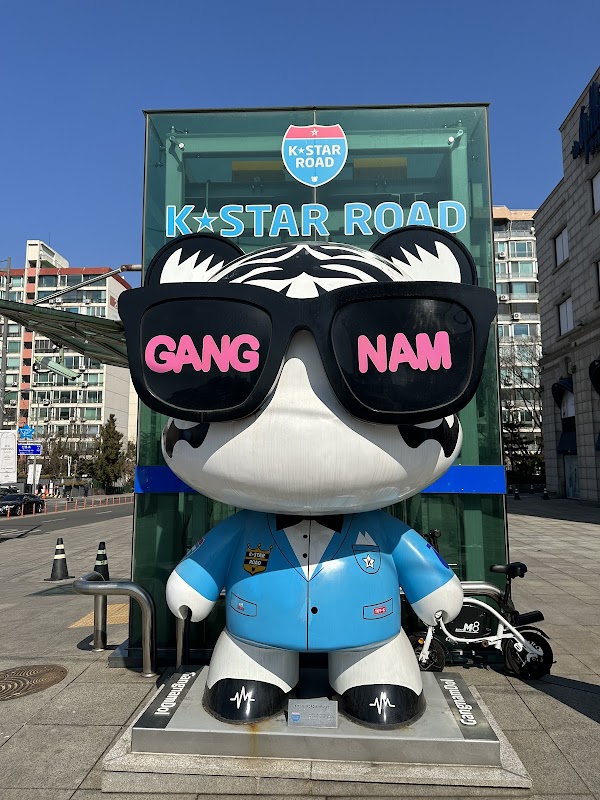
K-Star Road
Landmark
4.2
K-Star Road is a themed street in Seoul's Apgujeong district, dedicated to K-pop and Korean celebrities. It features colorful 'GangnamDol' art toys, each representing a famous K-pop group, making it a popular spot for fans to take photos and explore the epicenter of the Korean entertainment industry.
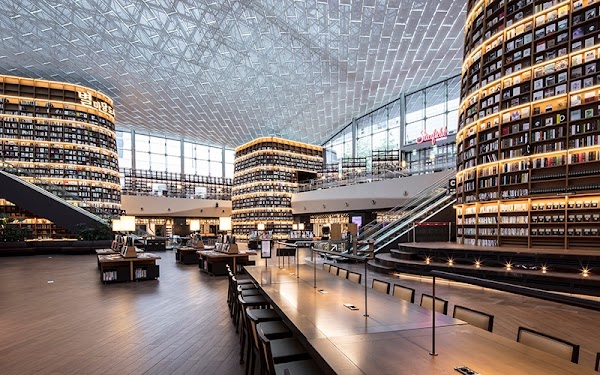
Starfield Library
Library
4.6
The Starfield Library is an impressive open-concept library located within the COEX Mall in Seoul, renowned for its towering bookshelves extending several stories high. It's a popular architectural and cultural landmark, offering a vast collection of books and a comfortable space for reading and relaxation. The library's grand scale makes it a favorite spot for photos.
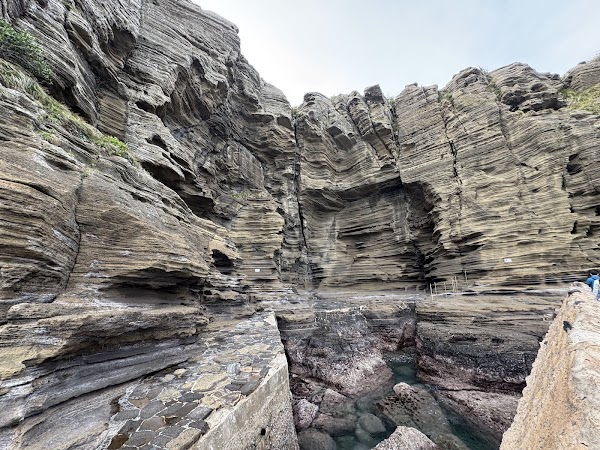
Yongmeori Coast
Landmark
4.4
Yongmeori Coast is known for its dramatic volcanic rock formations, said to resemble a dragon's head. The area features walkways along the coast, though access can be restricted during high tide for safety reasons. The entrance fee is about 2,000 won, and the walk takes approximately 15 minutes. It offers stunning views of the surrounding area.
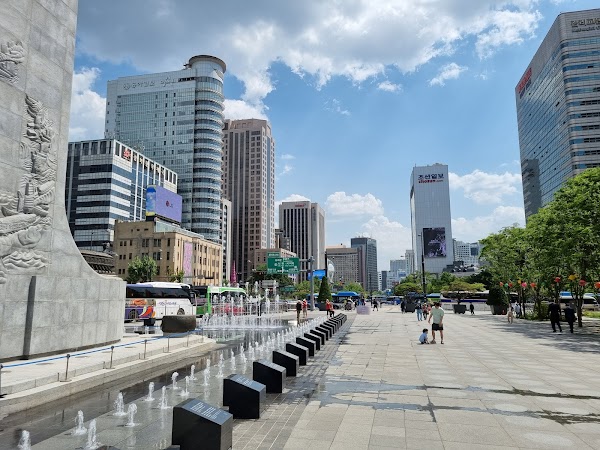
Gwanghwamun Square
Historical landmark
4.4
Gwanghwamun Square is a prominent public space in Seoul, situated in front of Gyeongbokgung Palace and flanked by significant historical and cultural landmarks. It features impressive statues of King Sejong the Great and Admiral Yi Sun-sin, commemorating key figures in Korean history. The square serves as a cultural hub and a popular gathering place.
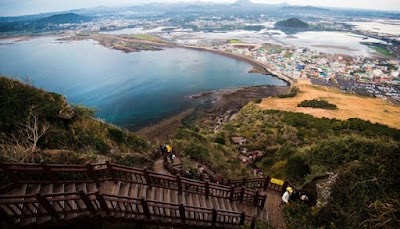
Jeju-si
Place
Jeju City, the capital of Jeju Island, offers various attractions for travelers, including two distinct lighthouses (red and white) shaped like horses and a beautiful natural beach. While not densely packed with major sights, its proximity to the airport makes it a convenient base. You can also take a relaxing dip in the sea on the nearby beach, making it ideal for a laid-back visit.
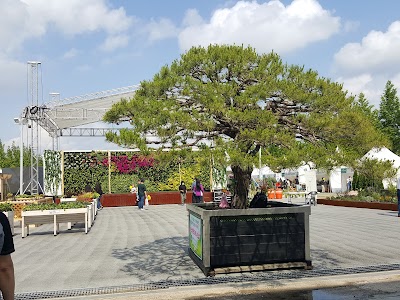
Jeonju-si
Place
Jeonju is a historic city in South Korea known for its traditional Hanok Village and delicious Korean cuisine. It's a fantastic destination to experience traditional Korean culture, sample local delicacies like bibimbap, and wander through charming historical streets.
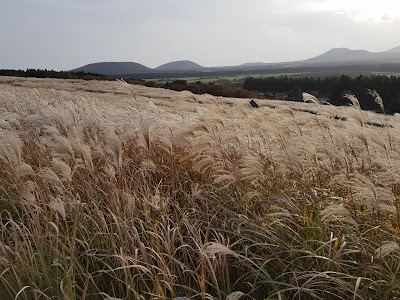
Sangumburi
Landmark
4.4
Sangumburi Crater is a renowned natural landmark on Jeju Island, measuring approximately 100 meters deep and 2 kilometers in circumference. The site is easily accessible via paved paths, making exploration simple for visitors. Admission is 7,000 won, and a full tour of the crater rim can take up to an hour, offering various scenic perspectives. Despite its natural beauty, the area is notably urbanized, which can be surprising for a natural wonder.
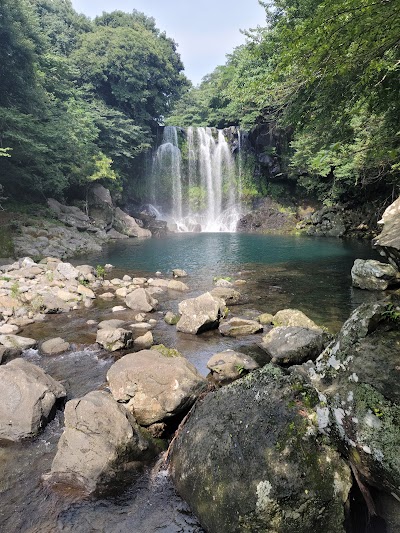
Cheonjeyeon Waterfalls
Nature preserve
4.3
Cheonjiyeon Waterfalls is a beautiful park area in Seogwipo featuring a stunning waterfall. Entry costs about 1 euro (at the time of filming) and the circuit can be completed in approximately 15 minutes. It's a great spot to visit, especially if you plan to spend time in Seogwipo, as it also offers access to a vibrant night market for local street food.
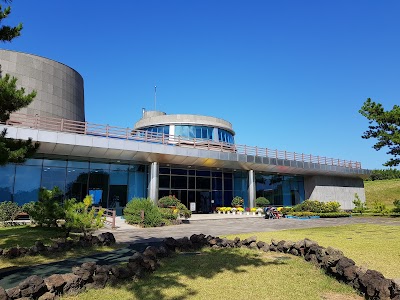
Jeju Haenyeo Museum
Museum
4.3
The Haenyeo Museum is dedicated to the 'Haenyeo,' Jeju's traditional female divers who free-dive without oxygen tanks to depths of up to 10 meters to harvest seafood. It's an immersive museum where you can learn about their techniques, daily lives, and the cultural significance of their work. The museum is closed on Mondays, but on other days, visitors can explore exhibits detailing the history and challenges of this unique profession. The entrance fee is approximately 1,500 won.
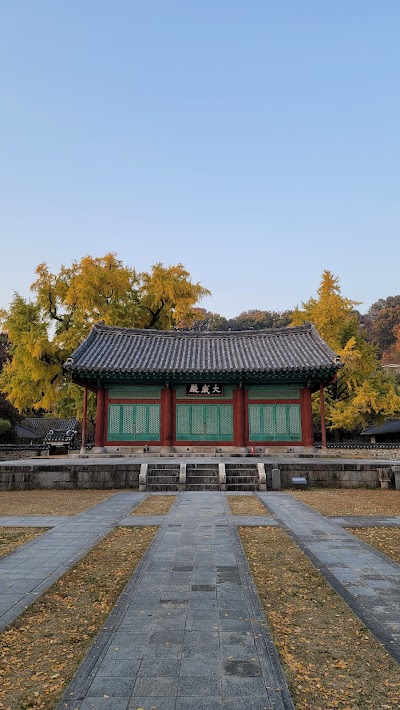
Jeonju Hyanggyo
Cultural landmark
4.3
This historic Confucian school is one of the oldest educational institutions in South Korea, dating back to the 10th century. It features beautiful traditional architecture and tranquil courtyards. The entrance is free, and guided tours in English are available at specific times.
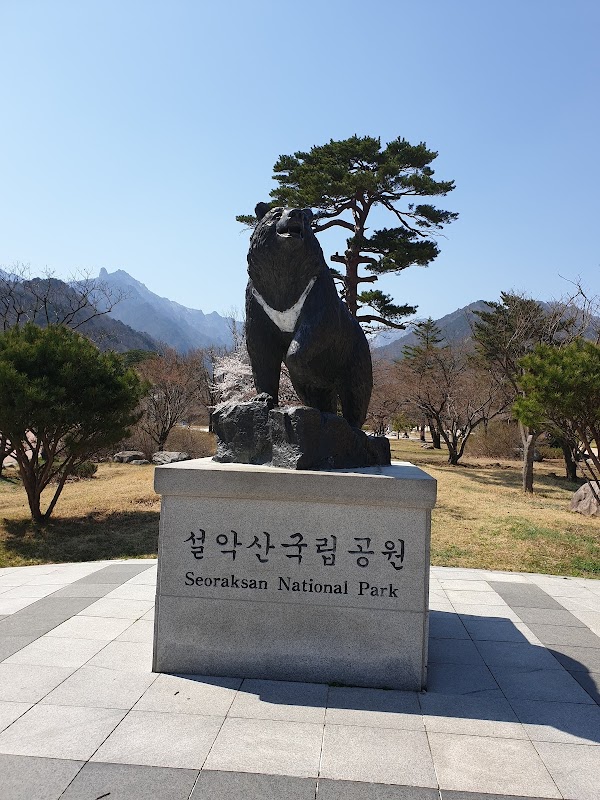
Seoraksan National Park
National park
4.4
Seoraksan National Park is a stunning natural reserve in South Korea, famous for its dramatic peaks, diverse wildlife, and vibrant autumn foliage. It offers numerous hiking trails ranging from easy walks to challenging ascents, providing breathtaking views and a chance to explore ancient temples nestled within the mountains.
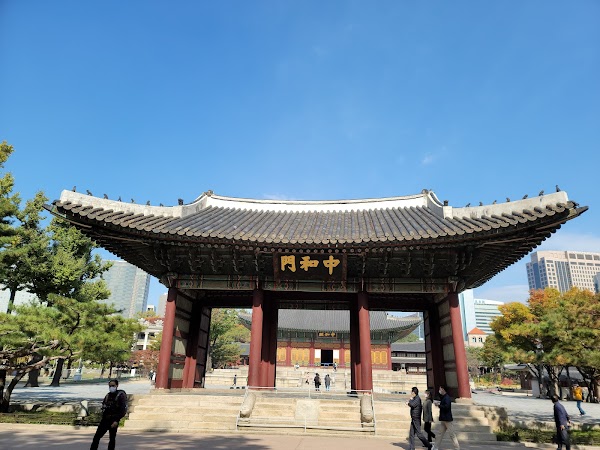
Deoksugung Palace
Cultural landmark
4.6
Deoksugung Palace is one of Seoul's Five Grand Palaces, uniquely blending traditional Korean and Western architectural styles. It's known for its picturesque stone wall road, tranquil gardens, and the changing of the Royal Guard ceremony. The palace grounds also house the National Museum of Modern and Contemporary Art.
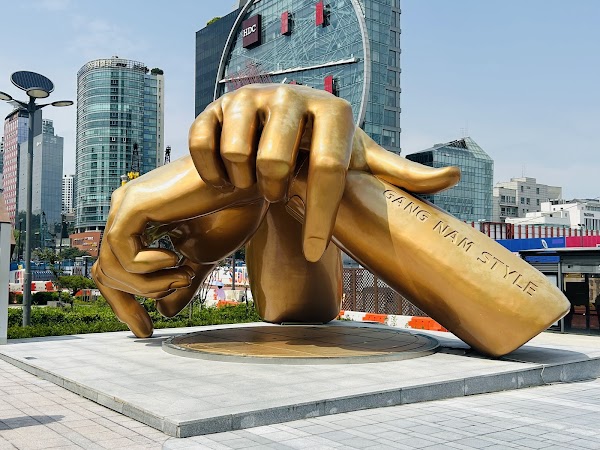
Statue of Gangnam Style
Sculpture
4.5
The Gangnam Style Statue is an iconic landmark commemorating Psy's global hit song "Gangnam Style." Shaped like two hands performing the song's signature horse-riding dance, visitors can stand on a platform below to experience the music and a light show. It's a popular spot for tourists to recreate the famous dance moves.
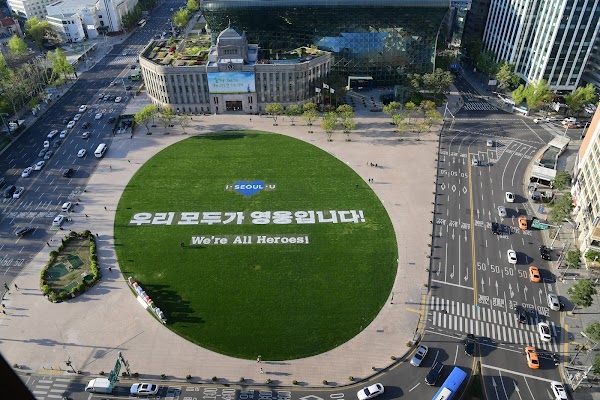
Seoul Plaza
Park
4.3
Seoul Plaza is a central public space located in front of Seoul City Hall, serving as a popular venue for cultural events, protests, and public gatherings. In winter, it transforms into an ice skating rink, while in autumn, it hosts an outdoor library and various artistic installations.
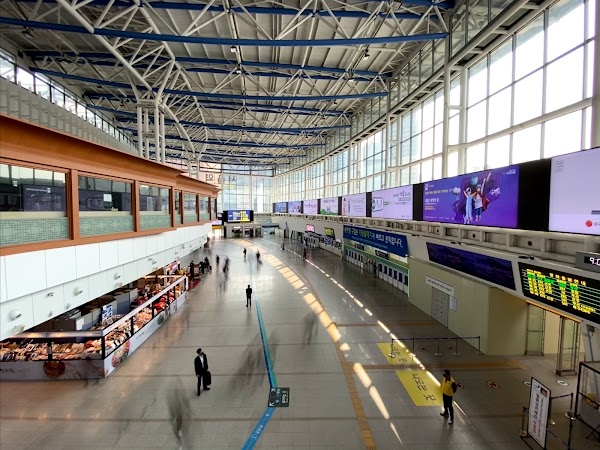
Seoul Station (Subway)
Subway station
4.3
Seoul Station is a major railway station in Seoul, serving as a key transportation hub for high-speed KTX trains, ITX trains, and subway lines. It connects travelers to various parts of South Korea and offers convenient access to different districts within Seoul via its extensive subway network.
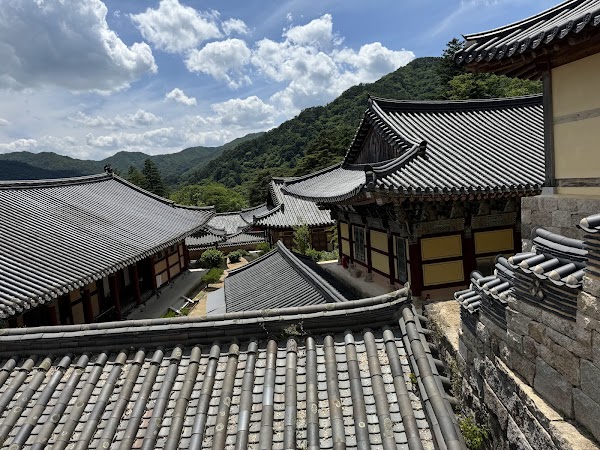
Haeinsa Temple Buddhist Museum
Museum
4.4
Haeinsa Temple is one of Korea's most important Buddhist temples, renowned for housing the Tripitaka Koreana, a complete collection of Buddhist scriptures carved onto over 80,000 wooden printing blocks. This UNESCO World Heritage site offers a profound cultural and spiritual experience, set amidst beautiful mountain scenery.
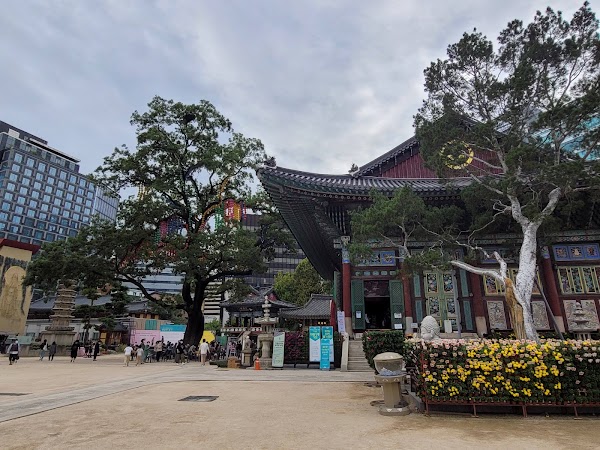
Jogyesa Temple
Place of worship
4.5
Jogyesa Temple is the chief temple of the Jogye Order of Korean Buddhism and a central hub of Buddhist culture in Seoul. It's known for its vibrant celebrations during Buddha's Birthday, with colorful lotus lanterns and traditional ceremonies. The temple's peaceful grounds offer a serene escape and a chance to experience Korean Buddhist traditions.
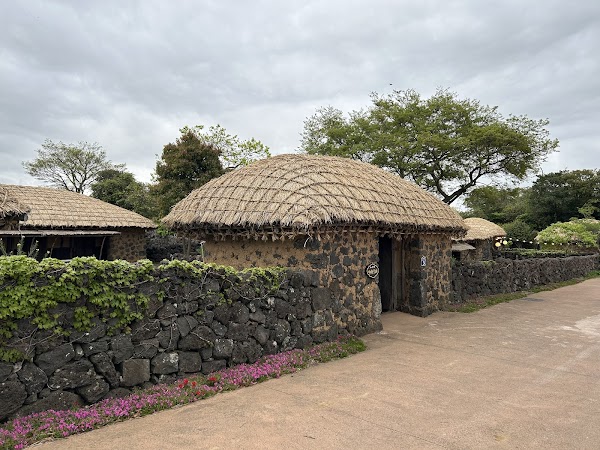
Seongeup Folk Village
Landmark
3.8
Seongeup Folk Village is a living museum where residents still inhabit traditional homes, with some houses converted into tourist accommodations, craft shops, or eateries. The village showcases traditional calligraphy, dance, and cooking workshops, though their availability can vary. Admission is free, and the village is open 24 hours as it's a residential area. Some specific tourist houses might charge a small entrance fee.
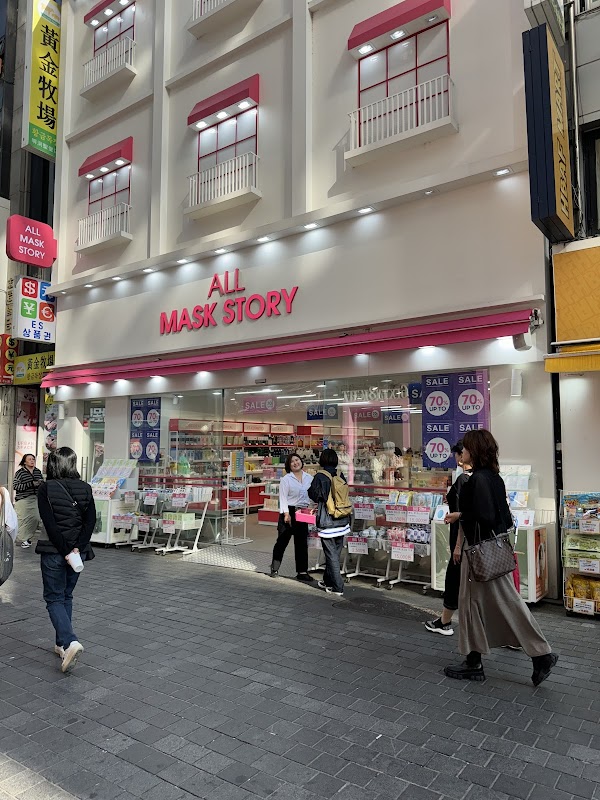
ALL MASK STORY No.3
Cosmetics store
5.0
All Mask Story is a prominent K-beauty store in Myeongdong, specializing in sheet masks and a diverse range of Korean skincare products. It's a haven for beauty enthusiasts, offering numerous brands and products to address various skin concerns, often with attractive discounts.
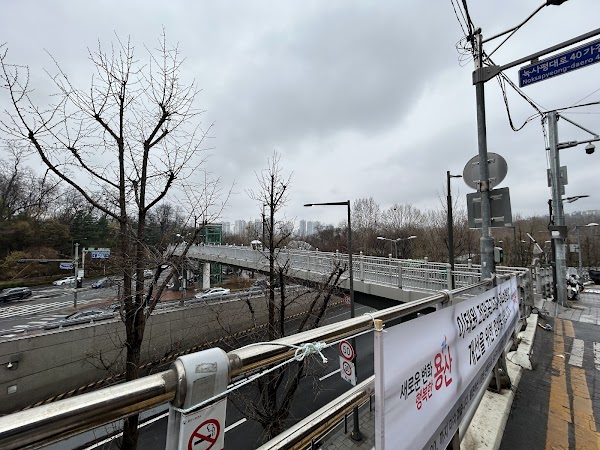
Noksapyeong Pedestrian Bridge
Bridge
4.4
The Noksapyeong Overpass offers panoramic views of Itaewon, a vibrant and diverse district in Seoul known for its international atmosphere, diverse cuisine, and nightlife. It's a popular spot for photography, especially at night, capturing the unique energy and skyline of the area. The overpass was also featured in the popular K-drama "Itaewon Class."
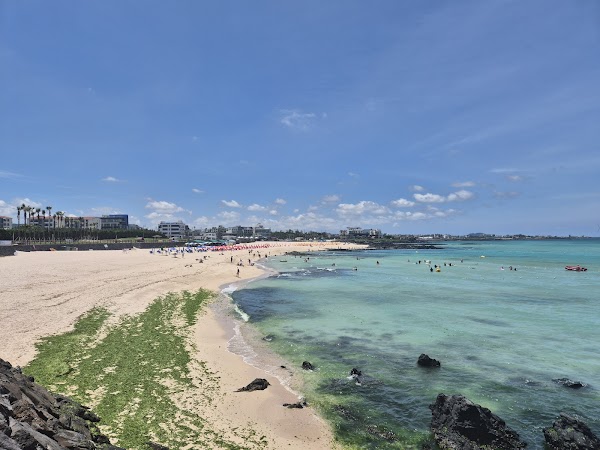
Gwakji Beach
Beach
4.4
Gwakji Beach is a beautiful white sand beach on Jeju Island, known for its clear turquoise waters and relaxing atmosphere. It features unique amenities like an outdoor public bathhouse and a tranquil coastal walking path, making it a perfect spot for swimming, sunbathing, and enjoying scenic strolls.
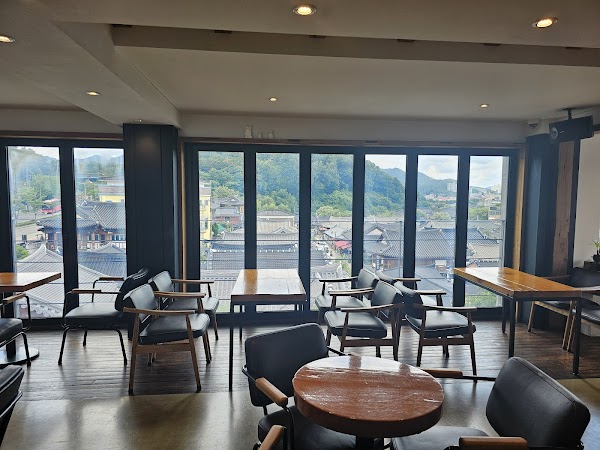
Jeonmang | Cafe & Guesthouse

Cafe
4.2
This cafe offers excellent views of Jeonju Hanok Village, with its distinctive curved-roof houses creating a 'sea of tiles'. It's an ideal spot to relax with a tea or coffee while enjoying the picturesque scenery.
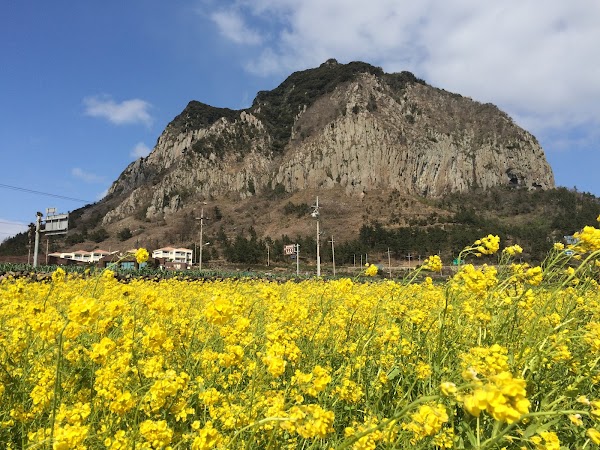
Sanbangsan
Natural feature
4.5
Sanbangsan is a prominent volcanic mountain on Jeju Island, notable for its unique bell-shaped peak and the Sanbanggulsa Cave Temple nestled within its cliffs. The mountain offers scenic hiking trails and breathtaking views of the coastline, making it a popular destination for nature lovers and spiritual seekers. It is also surrounded by various statues.
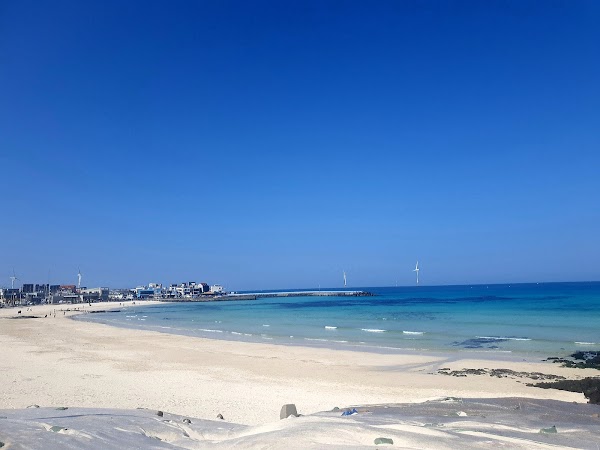
Woljeongri Beach
Beach
4.4
Woljeong Beach is a popular urban beach known for its turquoise waters, white sands, and lively atmosphere with numerous cafes nearby. It's a great spot for surfing due to its consistent waves, attracting many enthusiasts. The beach also features unique art installations, including sand sculptures, making it a picturesque location. It's a perfect place for swimming or relaxing by the sea.
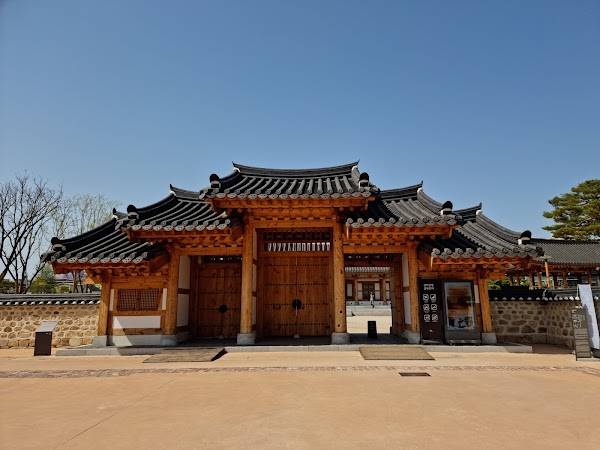
Jeolla Gamyoung
Historical landmark
4.4
This historical site served as the administrative center for Jeolla Province during the Joseon Dynasty. It's a well-preserved complex of traditional Korean buildings, offering a glimpse into the region's governance and cultural heritage. Admission is free, allowing visitors to explore its grounds and learn about its past.
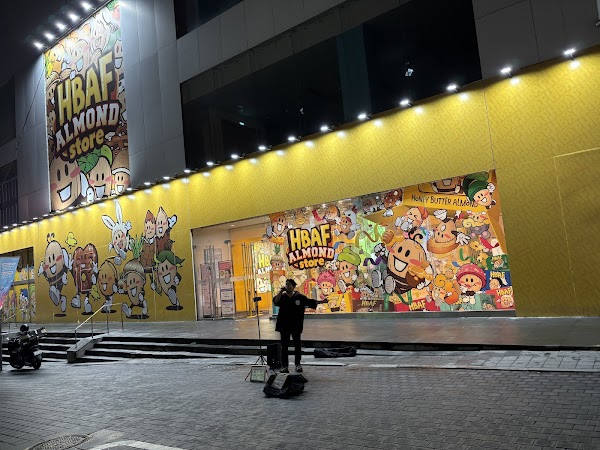
HBAF Almond Store
Food store
4.1
The HBAF Almond Store is a popular destination in Myeongdong offering a wide variety of flavored almonds, a popular snack in South Korea. The store is known for its fun and colorful interior design, making it an attractive spot for tourists and snack lovers.
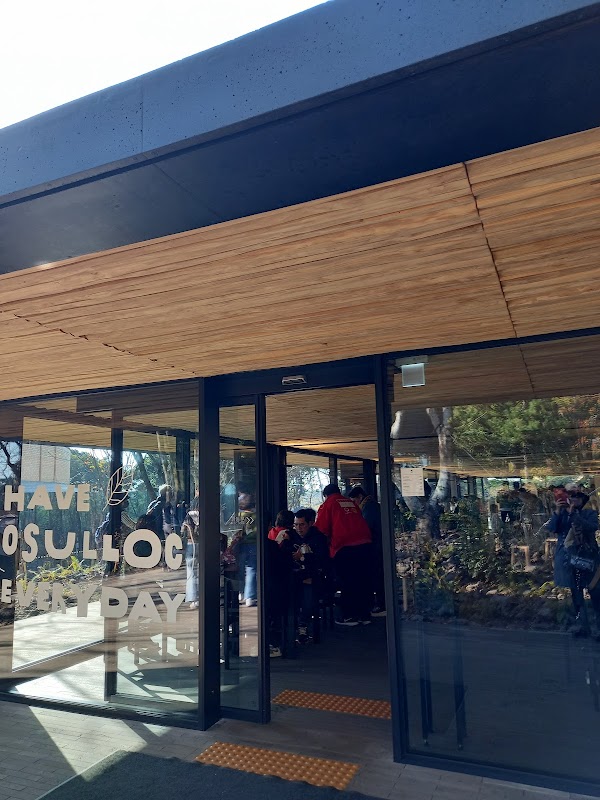
Innisfree Jeju House
Cosmetics store
4.4
Innisfree is a popular South Korean cosmetics brand known for its natural ingredients sourced from Jeju Island. It offers a wide range of skincare, makeup, and hair care products, emphasizing eco-friendly practices and sustainable beauty.
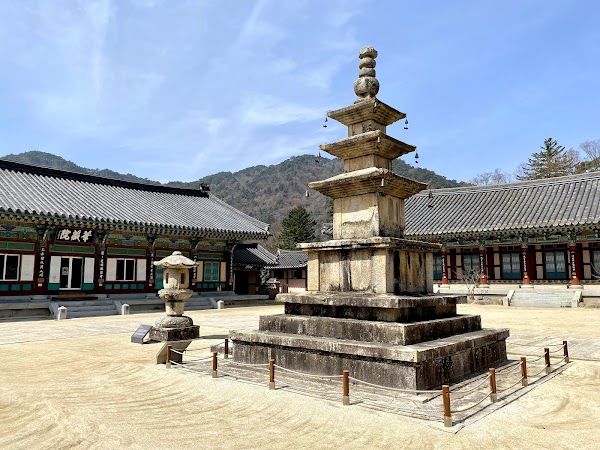
Haeinsa Temple
Place of worship
4.6
This is a significant Buddhist temple, home to the Tripitaka Koreana, one of the most comprehensive collections of Buddhist scriptures. Visitors can explore various pavilions housing different Buddhas and saints. It's recommended to dedicate 2-3 hours to fully experience the temple, which is surrounded by the beautiful Gayasan Mountains.
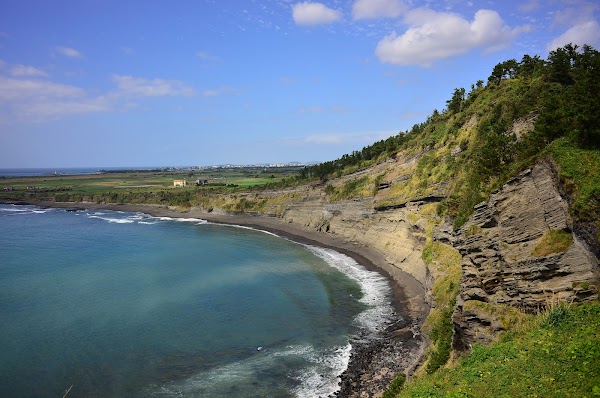
송악산
Mountain peak
4.6
Songaksan Mountain, also known as the 'Mountain of 99 Peaks,' is a popular spot for hiking on Jeju Island. From its summit, visitors can enjoy beautiful views of the nearby islets. At the base, there are 17 caves dug by the Japanese during their occupation, which are now closed to visitors due to the risk of collapse. The entry price is around 2,000 won for the walkways.
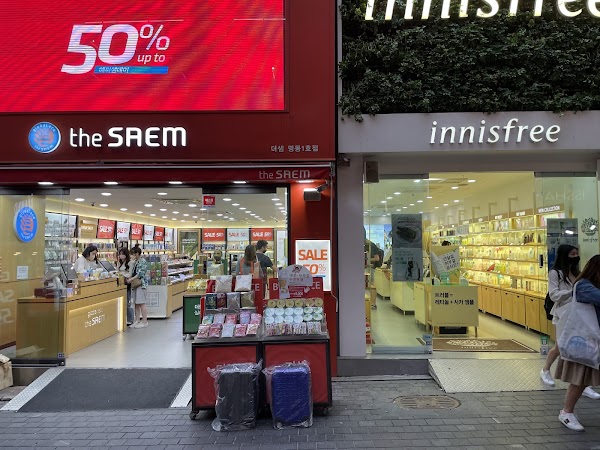
the SAEM
Cosmetics store
3.1
The SAEM is a South Korean cosmetics brand that focuses on natural ingredients and offers a variety of skincare, makeup, and body care products. Their Myeongdong store is a popular stop for K-beauty shoppers looking for effective and affordable beauty solutions.
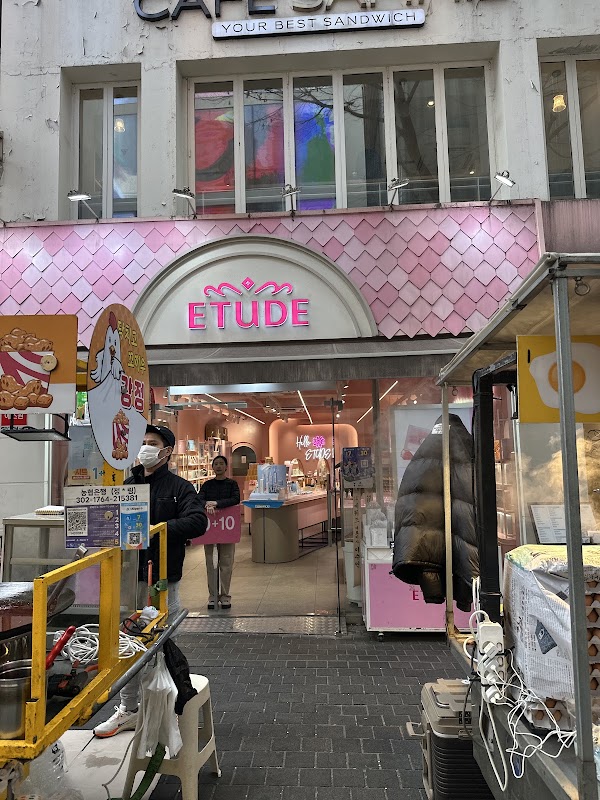
Etude House
Cosmetics store
2.6
ETUDE is a well-known South Korean cosmetic brand famous for its playful and princess-themed packaging, as well as its affordable and high-quality makeup and skincare products. The Myeongdong store provides a whimsical shopping experience, offering a vast selection of beauty items popular among younger consumers.
Save these 51 places to your map
Keep every place on your own map in DocentPro, and add more as you browse.
More featured places in South Korea
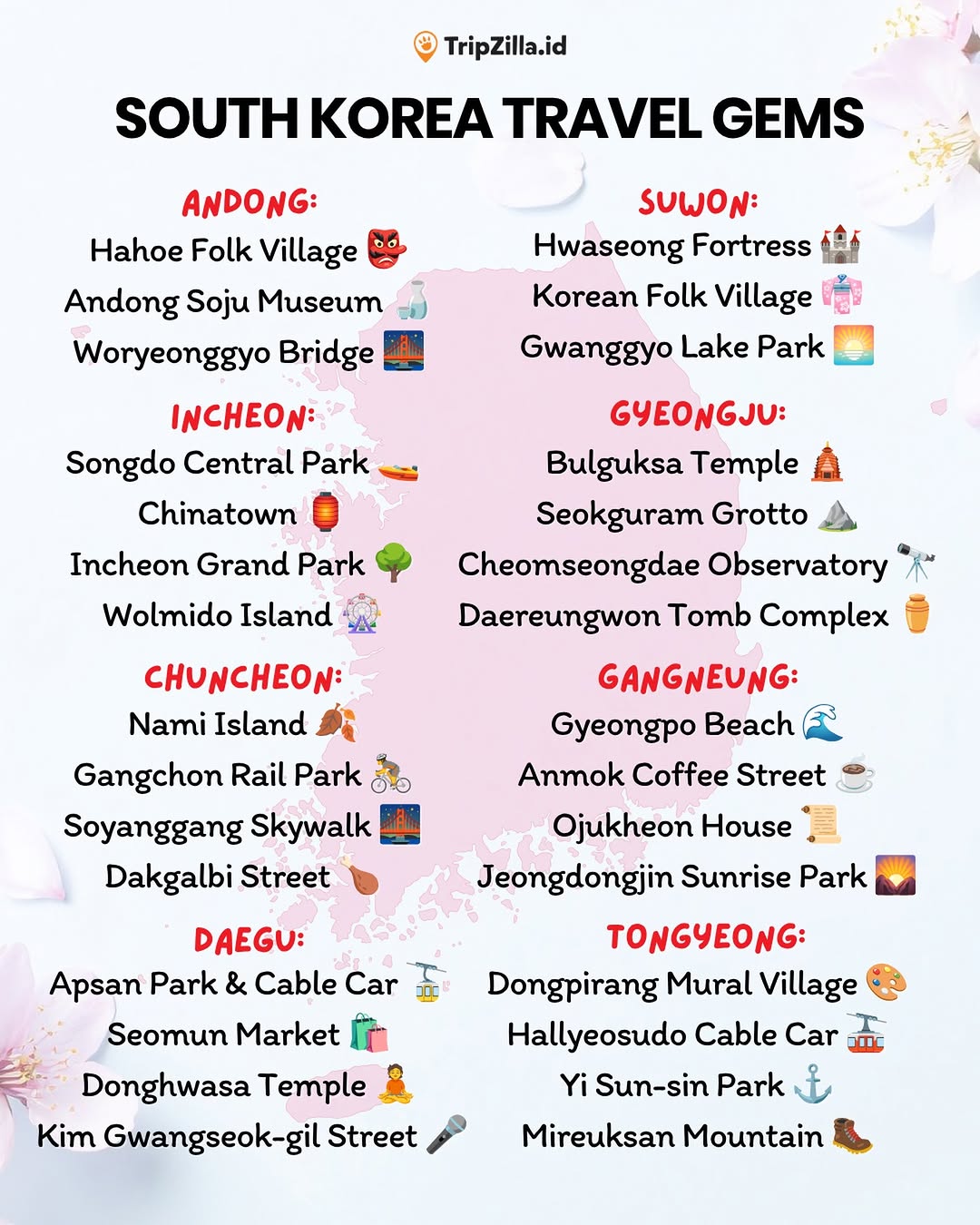
South Korea's Top Attractions For Your Itinerary
Gwanggyo Lake Park, Seokguram Grotto, Bulguksa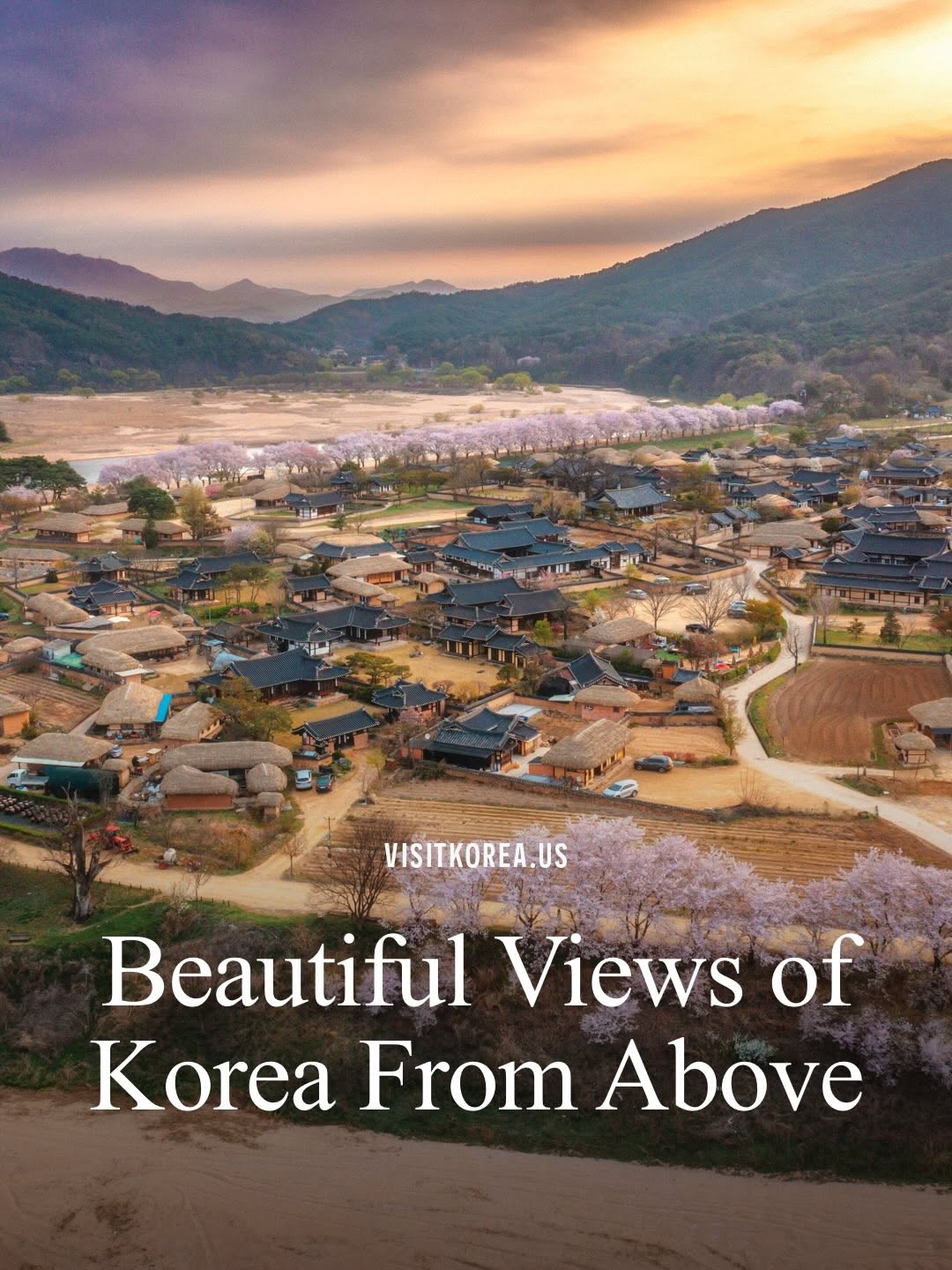
Scenic Korean Spots For Your Next Trip
Daereungwon Tomb Complex, Darangyi Village, Andong Hahoe Folk Village